
Salads
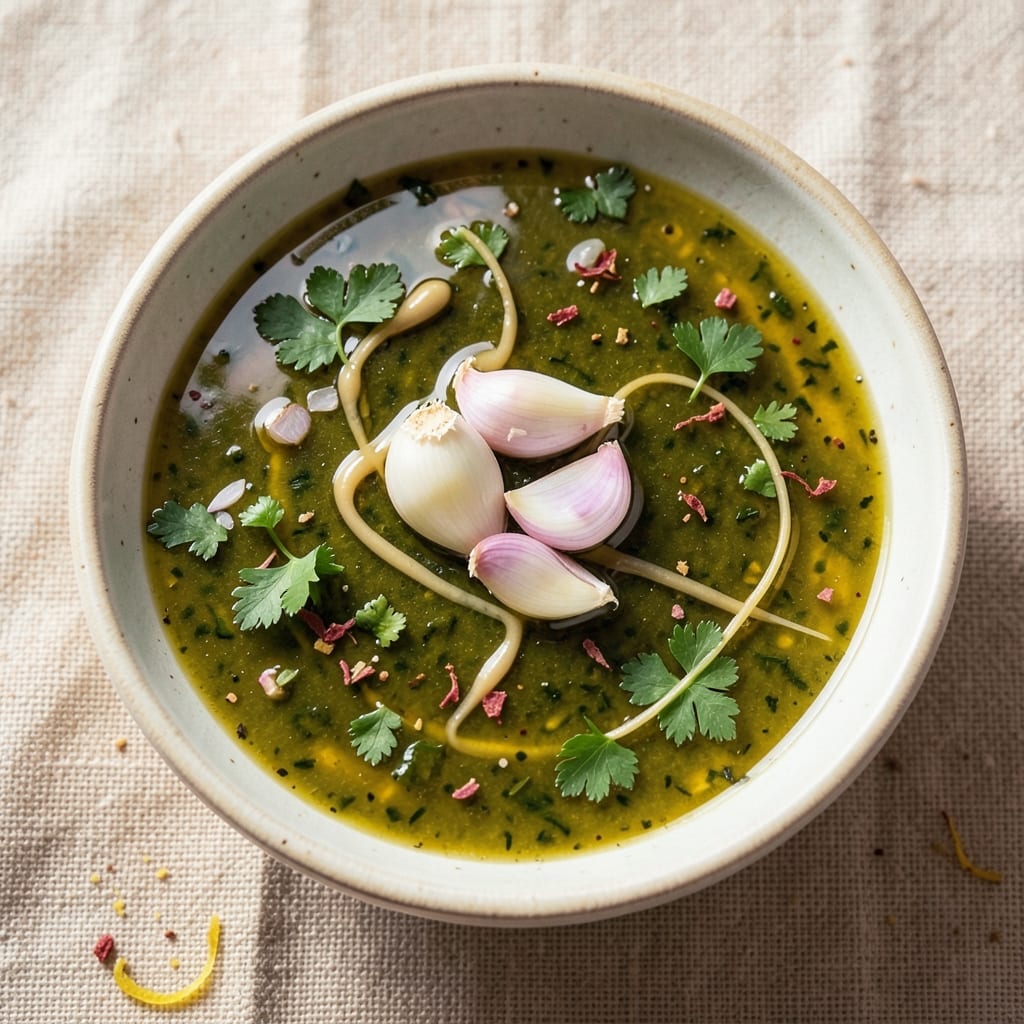
This 321 salad dressing recipe delivers restaurant-quality flavor in just 5 minutes—no blender required. The secret lies in balancing three simple components: tangy acid, rich oil, and aromatic seasonings, combined in perfect proportions. I developed this formula after years of testing store-bought dressings that always fell short of homemade depth.
The magic happens with a 1:2:3 ratio of acid (vinegar or citrus) to oil to seasonings, creating a dressing that clings beautifully to greens while enhancing every bite. Unlike traditional vinaigrettes, this version stays emulsified for hours, making it ideal for meal prep. The dressing works equally well on crisp romaine, hearty kale, or even as a marinade for grilled chicken.
What sets this apart is its versatility—adjust the seasoning blend to match your salad's ingredients. Use it as-is for a classic herb vinaigrette, or swap in Dijon mustard for extra depth. The dressing keeps for up to 5 days in the fridge, and the flavors actually improve as the ingredients meld together.
Perfect for quick lunches, dinner sides, or even drizzling over roasted vegetables. Once you try this, store-bought dressings will never taste the same again. Let's make it!
Ingredients for 321 salad dressing
Nine thoughtfully selected ingredients transform into a dressing that rivals restaurant-quality in minutes.
| Ingredient | Amount | Notes |
|---|---|---|
| Extra-Virgin Olive Oil 🫒 | ¾ cup | High-quality, fruity variety preferred |
| White Wine Vinegar 🍷 | 0.38 cup | Dry, crisp vinegar for balance |
| Dijon Mustard 🥫 | 1 tbsp | For depth and emulsification |
| Fresh Garlic Cloves 🧄 | 2 cloves | Minced for aromatic punch |
| Shallots 🧅 | 2 whole | Finely minced for sweetness |
| Fresh Parsley Leaves 🌿 | ¼ cup | Chopped, for vibrant finish |
| Fresh Tarragon Leaves 🌿 | ⅛ cup | Chopped, optional but recommended |
| Diamond Crystal Kosher Salt 🧂 | ¾ tsp | Adjust to taste after emulsification |
| Freshly Ground Black Pepper 🌶️ | ½ tsp | Cracked peppercorns preferred |
| Honey 🍯 | 1 tsp | For subtle sweetness balance |
The olive oil and vinegar form the foundation, so prioritize quality here. California avocado oil or Spanish extra-virgin olive oil from La Tourangelle or Bertolli elevate this beyond basic. For vinegar, French white wine vinegar from Bragg or Maille delivers the crisp acidity needed to balance rich oils. Fresh herbs are non-negotiable—Whole Foods Market or Trader Joe's carry excellent parsley and tarragon bunches. The shallots should be firm with vibrant purple skins, indicating freshness. Store all ingredients in cool, dark places except herbs, which thrive in the fridge wrapped in damp paper towels.
No Dijon mustard? Whole-grain mustard thinned with vinegar works in a pinch, though texture will differ. Substitute honey with maple syrup for a vegan option, though flavor profile shifts slightly. For those avoiding garlic, asafetida powder (1/8 tsp) mimics its depth without the raw bite. The 1:2:3 ratio is sacred—adjust only if your salad requires more acidity (e.g., for bitter greens like arugula). For storage, transfer to a clean glass jar with an airtight seal; the dressing's emulsification improves as flavors meld over 24-48 hours.
This dressing maintains peak freshness for 5 days when refrigerated in a sealed container. The emulsification stabilizes after 12 hours, making it ideal for meal prep. For longer storage, freeze in ice cube trays—each cube equals roughly 1 tbsp of dressing. Avoid metal spoons when serving to prevent oxidation of the oil. The dressing's versatility extends beyond salads: drizzle over grilled vegetables, use as a marinade for chicken, or toss with roasted potatoes for an unexpected upgrade.
Why You'll Love This Recipe
- Five-Ingredient Magic: I swear by this combo—just oil, vinegar, mustard, garlic, and shallots. No fancy gadgets, no stress. Honestly, I’ve made it blindfolded (okay, maybe not, but you get the point).
- Garlic Kiss: That raw garlic and shallot blend? It’s the secret weapon—bright, sharp, and just sweet enough. The Dijon mustard ties it all together like a hug, but make it flavorful.
- Weeknight MVP: Dress a quick salad for dinner or toss it with roasted veggies. It’s my go-to when I’m too tired to think. Between us, this is the dressing that saved my Tuesday nights.
Step-by-step instructions for triple-layered salad dressing
Master this technique for a dressing that delivers bright acidity, aromatic depth, and velvety texture.
Prepare the Base with Mustard and Honey
In a small bowl, whisk together the 1 tablespoon Dijon mustard and 1 teaspoon honey until fully combined. The mustard acts as an emulsifier, while the honey provides subtle sweetness that balances the acidity. This mixture should be smooth with no visible streaks—if you see any, whisk for another 10 seconds. The honey will help create that signature silky texture that separates this dressing from basic vinaigrettes.
I like to use a small whisk for this step to ensure everything incorporates completely. The mustard needs to be fully dissolved in the honey before adding any liquids—this prevents clumping later. Set this mixture aside while you prepare the aromatics; you'll combine them in the next step.
Infuse the Oil with Aromatics
In a separate bowl, combine the 0.75 cup extra-virgin olive oil with the 2 cloves minced fresh garlic cloves and 2 whole finely minced shallots. Let this mixture sit at room temperature for 5 minutes while you prepare the vinegar component. This brief infusion allows the garlic and shallots to release their flavors into the oil, creating a more complex base.
The key here is patience. Don't rush this step—allowing the aromatics to steep in the oil develops their flavors without cooking them, which would make them bitter. You'll notice the oil will take on a slightly pale color and develop a subtle garlic aroma after this time.
Create the Vinegar Mixture
In a measuring cup or small bowl, combine the 0.375 cup white wine vinegar, 0.75 teaspoon Diamond Crystal kosher salt, and 0.5 teaspoon freshly ground black pepper. Stir well to fully dissolve the salt. This acidic base forms the foundation of your dressing, providing the bright tang that cuts through rich ingredients. The vinegar should be completely clear with no visible salt crystals remaining.
I always use a dry, crisp white wine vinegar for this recipe—it provides the clean acidity that complements the rich olive oil without overpowering it. If you're using a particularly strong vinegar, you might want to reduce it slightly by simmering for 2-3 minutes before combining, but for this recipe, the full amount works perfectly.
Emulsify the Dressing
With a whisk, gradually combine the mustard-honey mixture with the vinegar mixture, stirring constantly to prevent separation. Then, very slowly drizzle in the infused olive oil while whisking vigorously. This gradual addition is critical—adding oil too quickly will cause the dressing to break. You'll know you're on the right track when the dressing begins to thicken and take on a creamy consistency.
Continue whisking for 30-45 seconds after all the oil is incorporated. The dressing should coat the back of your spoon and hold its shape when drizzled. If it looks too thick, add 1 teaspoon water at a time until it reaches your desired consistency. For a more vibrant finish, stir in the 0.25 cup chopped fresh parsley leaves and 0.125 cup chopped fresh tarragon leaves at this point.
Adjust and Rest
Taste the dressing and adjust the seasoning if needed. You might need a touch more salt, a splash of vinegar for acidity, or even a drizzle of honey to balance the flavors. Remember, the dressing will continue to mellow slightly as it sits. Let it rest at room temperature for 10 minutes before using—this allows all the flavors to fully meld together.
This resting period is often overlooked but makes a significant difference in the final result. The dressing will develop a more cohesive flavor profile and achieve that perfect balance between the rich oil, bright vinegar, and aromatic herbs. Store any leftovers in an airtight container in the refrigerator for up to 1 week, giving it a gentle shake before each use to re-emulsify.
Pro Tips For Making 321 Salad Dressing
- Mince Shallots Cold: I learned this the hard way—chopping shallots under running water with a sharp knife saves your sanity and keeps them from oxidizing into bitter sludge. No need for a food processor; just a steady hand and a bowl of ice water to rinse them as you go. ---
- Whisk in Stages: Start with the mustard and vinegar, then slowly drizzle in the olive oil while whisking like you’re trying to win a race. Stopping halfway to taste-test? Do it—this isn’t rocket science, but rushing the emulsion will give you a split dressing. One tablespoon at a time keeps things smooth. ---
- Toast Garlic Lightly: Sauté those garlic cloves in a dry pan for 30 seconds until fragrant but not brown—just enough to mellow their sharpness. Overcooking turns them bitter, and no one wants that cloying aftertaste ruining a perfectly balanced dressing. (Yes, even if you’re impatient like me.) ---
- Use Aged Vinegar: Skip the cheap white wine vinegar—aged vinegar (like balsamic or a good dry sherry vinegar) adds depth without overpowering. It’s the difference between a dressing that fades fast and one that lingers with complexity. Trust me, your salad will taste like you put in effort.
Health benefits of 321 salad dressing
Antioxidant-Rich Oil
This dressing features extra-virgin olive oil, packed with polyphenols like oleocanthal that act as natural antioxidants. Just 3 tablespoons provide 10% of your daily vitamin E, which supports skin health and reduces oxidative stress. I always choose high-quality oils with low acidity (under 0.5%) to maximize these benefits. 💪
Digestive Benefits
The white wine vinegar in this dressing contains acetic acid, which helps regulate blood sugar and improve insulin sensitivity. Studies show that consuming vinegar with meals can lower post-meal glucose spikes by up to 20%. The Dijon mustard adds fiber and digestive enzymes that aid nutrient absorption. Together, they create a dressing that actually supports your digestive system while enhancing your meal.
Anti-Inflammatory Herbs
Fresh parsley and tarragon bring more than just flavor—they're packed with apigenin and luteolin, compounds that reduce inflammation. Parsley contains vitamin K (critical for bone health) and folate, while tarragon provides iron and calcium. Using organic herbs ensures you're getting the maximum nutritional benefits without pesticide residues.
Blood Pressure Support
The potassium-rich garlic in this dressing helps regulate blood pressure by counteracting sodium's effects. Combined with the low-sodium kosher salt (just 0.75 tsp), this creates a dressing that supports cardiovascular health. The honey adds natural sweetness without the blood sugar spikes of refined sugar, making this a heart-smart choice for daily meals.
Meal Prep Nutrition
This dressing maintains its nutritional integrity for up to 5 days when stored properly, making it perfect for healthy meal prep. The omega-3 fatty acids from olive oil remain stable when refrigerated, while the vinegar's acidity helps preserve vitamin content. I always make a double batch on Sundays to use throughout the week—it's my secret weapon for keeping salads nutritious without added preservatives. ✨
Nutrition facts
Frequently asked questions
Why does this recipe use a 1:2:3 ratio?
The 1:2:3 ratio (vinegar:oil:seasonings) creates the perfect balance of acidity, richness, and flavor complexity. The 1 part vinegar provides bright tang, 2 parts oil add velvety texture, and 3 parts seasonings (including herbs, garlic, and shallots) build aromatic depth. This ratio prevents the dressing from being too sharp or too heavy, making it versatile for any salad or dish.
Can I make this dressing without Dijon mustard?
Yes! Use 1 tablespoon whole-grain mustard thinned with 1 teaspoon vinegar as a substitute. For a completely mustard-free version, add 1 extra teaspoon of honey and whisk vigorously for 1 full minute—the extra honey helps stabilize the emulsion. The texture will be slightly thinner but still delicious.
How do I fix a separated dressing?
Simply whisk or shake the container vigorously for 30-45 seconds until smooth. If it still separates, add 1 teaspoon Dijon mustard or 1 teaspoon honey and whisk again. For quick fixes, a 10-second blast in a blender works perfectly. The dressing should re-emulsify completely—this is normal and easy to fix!
What's the best way to store leftovers?
Transfer to an airtight glass jar and refrigerate for up to 5 days. Give it a gentle shake before each use to re-emulsify. For longer storage, freeze in 1-tablespoon portions in ice cube trays—thaw overnight in the fridge. The dressing actually improves in flavor as the ingredients meld together over time!
Can I use this dressing on non-salad dishes?
This versatile dressing works beautifully on grilled chicken, roasted vegetables, pasta dishes, or even as a marinade. The 1:2:3 ratio ensures it won't overpower richer ingredients. For heartier dishes, reduce the vinegar slightly (1/4 teaspoon less) to balance the flavors.