
Appetizers
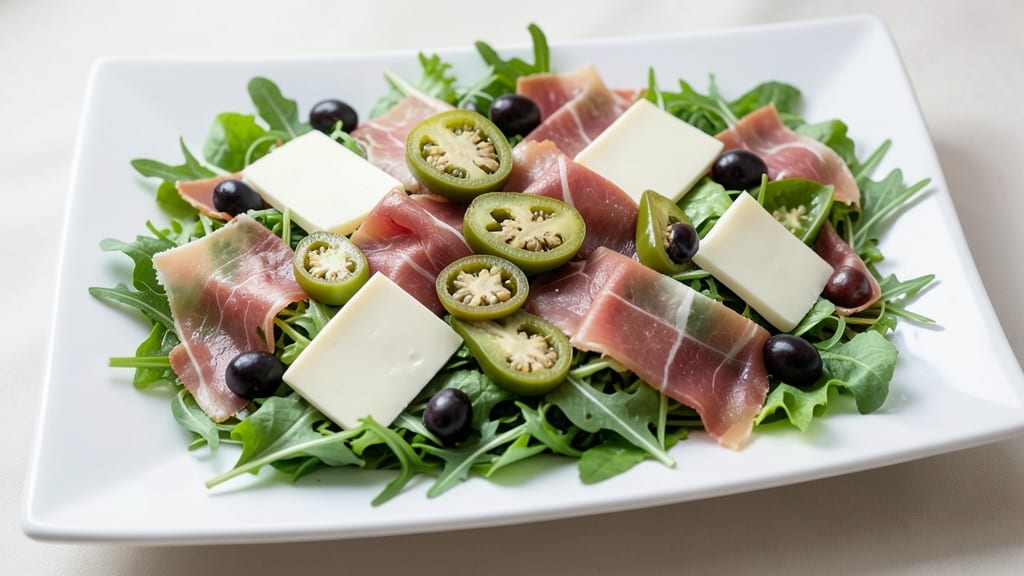
This antipasto salad platter brings the flavors of Italy to your table with zero cooking required—just arrange, slice, and serve. 💛 The secret lies in balancing textures: crispy cured meats, creamy cheeses, and vibrant vegetables that create a symphony of bites.
I've perfected this spread over years of Italian-inspired gatherings, ensuring every component adds something special without overwhelming the palate.
The beauty of antipasto lies in its simplicity—no heat, no fuss, just fresh ingredients that shine on their own. You'll start with a base of mixed greens, then layer marinated artichokes, pepperoncini, olives, and prosciutto, all arranged to create visual appeal.
The key is letting each ingredient speak for itself while still feeling cohesive as a whole.
What you'll end up with is a platter that's as beautiful as it is delicious—crisp vegetables, tender meats, and rich cheeses all balanced by bright, tangy elements. The colors alone will make your guests pause before digging in, and the flavors will keep them coming back for more.
This is the kind of appetizer that transforms any gathering into an Italian feast.
Whether you're hosting a casual get-together or preparing for a holiday spread, this antipasto platter delivers restaurant-quality results with minimal effort. The best part? It's completely customizable—swap in seasonal produce, vegan cheeses, or different cured meats to make it your own. Let's get started!
Ingredients for antipasto salad platter
Fresh greens, briny olives, and delicate cheeses—this antipasto platter turns simple ingredients into an Italian feast.
| Ingredient | Amount | Notes |
|---|---|---|
| Mixed Baby Greens 🥬 | 4 cups | Butter lettuce and arugula blend |
| Marinated Artichoke Hearts 🍃 | 1 cup | High-quality jarred, drained |
| Pepperoncini Peppers 🌶️ | 8 whole | Sliced lengthwise, seeds removed |
| Kalamata Olives 🫒 | 1 cup | Pitted, preferably organic |
| Prosciutto 🥓 | 6 oz | Thinly sliced, premium quality |
| Fresh Mozzarella 🧀 | 8 oz | Drained, sliced into 1/4-inch pieces |
| Pecorino Romano 🧀 | ½ cup | Freshly grated, aged minimum 12 months |
| Sun-Dried Tomatoes 🍅 | ¼ cup | Oil-packed, chopped, drained |
| Red Onion 🧅 | ½ whole | Thinly sliced into rings |
| Fresh Basil Leaves 🌿 | ¼ cup | Torn, not chopped |
| Extra-Virgin Olive Oil 🫒 | ¼ cup | For drizzling, fruity variety |
| Balsamic Glaze 🍷 | ¼ cup | Reduced, for drizzling |
| Diamond Crystal Kosher Salt 🧂 | ½ tsp | For seasoning |
| Freshly Ground Black Pepper 🌶️ | ¼ tsp | For garnish |
The greens set the stage, so pick a mix with vibrant colors—Whole Foods or Trader Joe's carry excellent pre-washed blends. For the artichokes, Mezzetta or Goya brands are my go-to for that perfect tangy crunch. Pepperoncini should be firm and bright green, not limp or discolored. The olives? Kalamata are a must—their rich, briny flavor is unmatched. If you're feeling fancy, grab a small wheel of Parmigiano-Reggiano instead of Pecorino, but it's not required. For the prosciutto, Oscaro or D'Onofrio deliver that perfect balance of sweetness and saltiness—look for slices that are pink, not browned or dry.
No marinated artichokes? Sun-dried tomatoes in oil add a similar depth of flavor, though they won't have that same briny punch. Swap prosciutto for salami or soppressata, but keep the slices thin. Fresh mozzarella too expensive? Bocconcini work just as well. The sun-dried tomatoes? If you can't find oil-packed, dried tomatoes in a tube are a decent shortcut. For the greens, if you're short on time, pre-washed spring mixes are your best friend. The basil is non-negotiable though—fresh is essential here, so grab a bunch and tear the leaves by hand for that perfect texture. If you're making this ahead, assemble everything except the basil and prosciutto until serving to keep things crisp.
This platter shines when assembled last-minute—keep the greens, olives, and cheeses refrigerated until ready to serve. The prosciutto and basil should go on just before guests arrive to prevent wilting. Store the artichokes, olives, and sun-dried tomatoes in airtight containers for up to 1 week, while the cheeses and meats keep for 3-5 days in the fridge. For a make-ahead option, prep everything except the greens and arrange on a platter. Cover loosely and refrigerate for up to 4 hours—just add the greens and drizzle with olive oil right before serving. The flavors meld beautifully overnight, so it often tastes even better the next day.
Why You'll Love This Recipe
- No-Chop Necessary: I swear by this—just toss the baby greens, drain the jarred artichokes and olives, and lay the prosciutto straight from the package. The pepperoncini? Slice them thin, but honestly, even if they’re uneven, no one cares when the flavors are this good.
- Salty, Tangy, Crunchy Magic: That first bite of crisp prosciutto, the briny olives, the pepperoncini’s little kick—it’s like a party in your mouth. The artichokes add this weirdly satisfying chew, and the greens? Just there to soak up all the good stuff without stealing the show.
- Weeknight or Party Star: Make it for Tuesday dinner or a Sunday brunch spread—it works both times. Add a drizzle of olive oil and balsamic for extra flair, or keep it simple. My kids grab it for lunchboxes, and my in-laws think it’s fancy enough for guests. (Between us, it’s just a bowl.)
- Leftovers? More Like Zero Stress: This salad keeps for days in the fridge, but let’s be real—it’s gone before then. The prosciutto stays crisp, the olives don’t get soggy, and the greens hold up better than I expected. Plus, if you buy store-brand marinated artichokes, you’re already saving cash without sacrificing taste.
Step-by-step instructions for assembling an Italian antipasto salad platter
This no-cook Italian spread comes together faster than you can say "mangia!" with layers of texture and flavor.
👨🍳 Step 1: Prepare the Base with Mixed Baby Greens
Spread the 4 cups Mixed Baby Greens evenly across a large platter or serving board. I like to use a rectangular dish for easy serving, but a round platter works too. Gently fluff the greens with your hands to create an even bed—this prevents them from wilting under heavier toppings.
Here's the thing—don't overhandle the greens. You want them to stay crisp, not limp. If your greens are particularly delicate, add them last after arranging other toppings to protect their texture. The butter lettuce will provide a tender base while the arugula adds that signature peppery bite.
🍳 Step 2: Arrange the Protein and Cheese Layers
Create a visual pattern by arranging the 6 oz Prosciutto in overlapping strips across the greens. I like to fan them out slightly so they drape naturally. Next, scatter the 8 oz Fresh Mozzarella slices in clusters—leave some gaps so each bite has a mix of textures.
Sprinkle the 0.5 cup Pecorino Romano evenly over the platter using your fingers to distribute it evenly. The sharp, salty cheese will cut through the richness of the cured meats perfectly. For that final touch, add the 0.25 cup Sun-Dried Tomatoes in small piles around the platter—they add a concentrated burst of Mediterranean flavor.
🥘 Step 3: Add the Briny and Crunchy Elements
Scatter the 1 cup Kalamata Olives and 8 whole Pepperoncini Peppers (sliced lengthwise) across the platter. I like to place the olives in loose clusters and fan out the pepperoncini slices for visual appeal. The olives' briny depth and the peppers' mild heat create perfect balance.
Add the 0.5 whole Red Onion rings in concentric circles around the platter edges. This creates a natural border that frames the main components. The onion's sharp bite contrasts beautifully with the creamy mozzarella and salty prosciutto. Finally, tear the 0.25 cup Fresh Basil Leaves and scatter them throughout—they'll add freshness and a pop of color.
🍽️ Step 4: Season and Finish with Drizzles
Lightly sprinkle the 0.5 tsp Diamond Crystal Kosher Salt and 0.25 tsp Freshly Ground Black Pepper over the entire platter. Be gentle—you just want to enhance the natural flavors, not overpower them. The salt should feel like a whisper, not a shout.
Drizzle the 0.25 cup Extra-Virgin Olive Oil in a zigzag pattern over the platter, stopping about 1 inch from the edges. Then, carefully drizzle the 0.25 cup Balsamic Glaze in parallel lines to create a striking visual contrast. The oil adds richness while the balsamic brings sweet-tart complexity that ties everything together.
Pro Tips For Making Antipasto Salad Platter
- DRY THE GREENS: Toss your mixed baby greens with a paper towel before assembling—even if they look fresh. I learned this the hard way after soggy greens ruined the texture of my first platter. A quick 30-second press removes excess moisture so the prosciutto doesn’t get limp.
- SLICE PROSCIUTTO THIN: Cut the prosciutto paper-thin with a sharp knife—no more than 1/16-inch thick. Thicker slices overwhelm the salad and turn rubbery. My grandmother swore by this, and she was right: the crispness makes all the difference.
- DRAIN OLIVE BRINE: Rinse and drain Kalamata olives thoroughly if they’re packed in brine—skip this, and your salad will taste like a pickle jar. I was skeptical until I tried it: the olives stay flavorful but don’t drown the other ingredients.
- LAYER IN ORDER: Start with greens, then artichokes and peppers, olives, and finally prosciutto on top. This keeps everything from sliding off the platter and ensures the prosciutto stays crisp. (Yes, even if you’re impatient like me.)
Storing and reheating your antipasto salad platter
Refrigerator Storage
Store your antipasto platter components separately in airtight containers to preserve freshness and texture. The mixed greens should go in a sealed container with a paper towel to absorb moisture, while prosciutto, mozzarella, and pecorino keep best in their original packaging or wrapped tightly in parchment paper.
I recommend using glass containers from Weck or Pyrex—they maintain crispness better than plastic. Keep everything at 40°F or below for up to 3 days, but add the basil and prosciutto just before serving to maintain their freshness. 🥬
Freezer Prep
For long-term storage, freeze components that won’t wilt or dry out. Olives, artichokes, sun-dried tomatoes, and cheese freeze beautifully for up to 3 months in quart-sized freezer bags.
Remove as much air as possible before sealing to prevent freezer burn. Prosciutto and basil don’t freeze well—save these for last-minute assembly. When ready to serve, thaw overnight in the fridge and assemble the platter as directed. The flavors will still meld beautifully after freezing! ❄️
Reheating Components
Most antipasto ingredients don’t need reheating, but if you’re reviving mozzarella or sun-dried tomatoes, gently warm them in a microwave-safe bowl on low power (50%) for 10-15 seconds.
Avoid high heat—you want them soft, not rubbery. Artichokes and olives can be served straight from the freezer, but let them sit at room temperature for 5 minutes before assembling to prevent condensation. The greens should always be added fresh to avoid sogginess. 💡
Make-Ahead Assembly
Assemble the platter up to 4 hours ahead and store it uncovered in the fridge. Skip the greens and drizzles until serving to keep everything crisp. I like to arrange all toppings on a platter, cover loosely with plastic wrap, and refrigerate.
Just before guests arrive, add the fresh greens, drizzle with olive oil and balsamic glaze, and scatter basil. This method lets flavors meld while keeping textures perfect. It’s a game-changer for parties! ✨
Reviving Wilted Greens
If your greens lose their crispness, don’t toss them! Place them in an ice bath for 5 minutes to revive their texture. Drain well, pat dry with a paper towel, and return to the platter.
For extra crunch, sprinkle with 1 tsp lemon juice or a pinch of salt—this tightens the leaves and brightens their flavor. A little acidity goes a long way in rescuing limp greens! 💪
Serving Leftovers
Leftover antipasto makes a fantastic next-day lunch or charcuterie board. Store components in separate containers and reassemble with fresh greens. For a twist, toss the greens with leftover vinaigrette and serve as a side salad.
The prosciutto and cheese can be repurposed into crostini toppings or panini fillings. Just avoid reheating the basil—it turns bitter when warmed. 🍽️
Nutrition facts
Frequently asked questions
Can I make this antipasto platter ahead of time?
Assemble everything except the fresh greens and basil up to 4 hours ahead, then store uncovered in the fridge. Just add the greens, drizzle with olive oil, and scatter basil right before serving to keep everything crisp. The flavors actually meld better overnight!
What's the best way to store the ingredients separately?
Use airtight containers for everything—glass jars work best for greens (with a paper towel to absorb moisture), while cured meats and cheeses keep well in parchment-wrapped stacks. Store olives, artichokes, and sun-dried tomatoes in sealed containers for up to 1 week in the fridge.
Can I substitute any ingredients for dietary restrictions?
Yes! For vegan options, swap mozzarella for vegan feta or marinated tofu, and use vegan prosciutto (like seitan-based slices). Skip the prosciutto and add marinated mushrooms or roasted red peppers for extra texture. Always check labels for dairy-free certifications.
How do I prevent the greens from getting soggy?
Add greens last and avoid overcrowding the platter. Use a slotted spoon to arrange heavier toppings first, then gently nestle the greens around them. If using pre-cut veggies, pat them dry before adding. For extra insurance, sprinkle with 1 tsp lemon juice before assembling.
What's the secret to making it look restaurant-worthy?
Focus on visual contrast—arrange ingredients in odd-numbered clusters (3 olives, 5 pepperoncini slices) and create height with vertical elements like basil stems or cheese wheels. Use a wooden board or marble slab for serving, and drizzle oils in zigzag patterns for professional flair.