
Sauces & Condiments
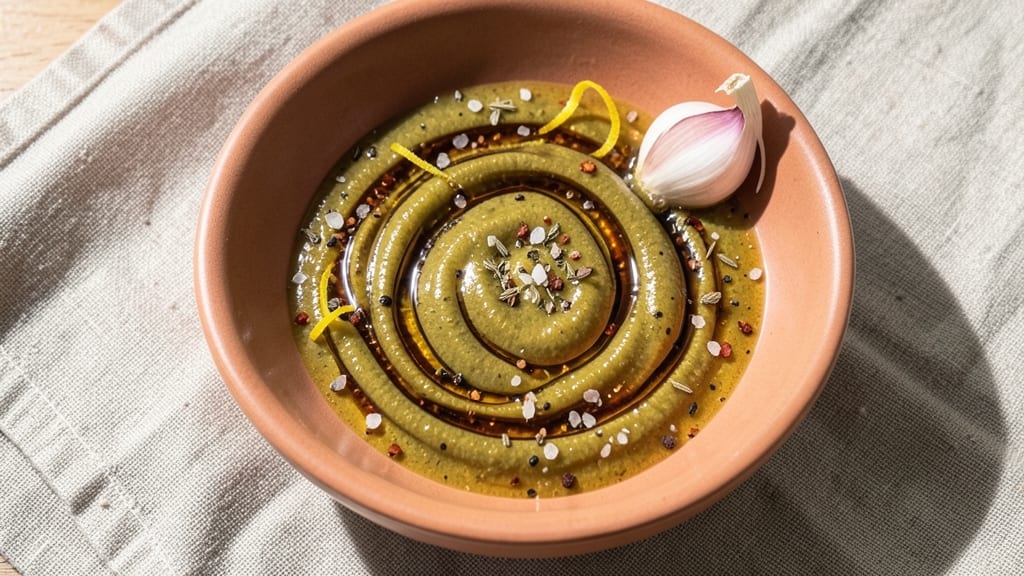
This apple cider vinegar and olive oil salad dressing transforms simple greens into a vibrant, tangy masterpiece with just five ingredients and zero guilt. The bright acidity of apple cider vinegar cuts through rich ingredients while high-quality olive oil adds silky richness—no emulsifiers needed.
I developed this recipe after years of testing store-bought dressings that were either too sweet or too heavy, and this version delivers perfect balance every time.
The beauty of this dressing lies in its simplicity: equal parts apple cider vinegar and olive oil create the base, while a pinch of salt and a drizzle of Dijon mustard (the secret emulsifier) bind everything together.
No honey, no sugar—just clean, bright flavors that enhance salads without overpowering them. The best part? It comes together in under 2 minutes with ingredients you likely already have on hand.
What sets this dressing apart is its versatility—it works equally well on crisp arugula salads, hearty grain bowls, or even as a marinade for grilled vegetables. The tangy-sweet balance makes it addictive, while the olive oil keeps it rich and satisfying.
Plus, it keeps for up to 2 weeks in the fridge, making it perfect for meal prep.
Ready to elevate your salads? This dressing is the foundation—customize it with garlic, herbs, or spices to match your favorite flavors. Let’s get started with a recipe that’s as healthy as it is delicious.
Ingredients for apple cider vinegar and olive oil salad dressing
Five simple ingredients transform your salads into vibrant, tangy masterpieces with zero guilt.
| Ingredient | Amount | Notes |
|---|---|---|
| Apple Cider Vinegar 🍏 | ½ cup | Raw, unfiltered for best flavor |
| Extra-Virgin Olive Oil 🫒 | ½ cup | High quality, fruity variety |
| Dijon Mustard 🍯 | 1 tbsp | Mild or strong depending on taste |
| Sea Salt 🧂 | ½ tsp | Fine grain preferred |
| Freshly Ground Black Pepper 🌶️ | ¼ tsp | Freshly cracked for best flavor |
The apple cider vinegar is the star here—raw, unfiltered makes all the difference. Bragg or Texas Pete are my go-tos, but any raw variety works. The olive oil? Don't skimp here. A good extra-virgin—like California Olive Ranch or Colavita—adds that silky richness. If you're using store-bought, check the label for 'first cold press' or 'unfiltered' to ensure quality. Freshly ground black pepper is worth the extra 10 seconds—it keeps better than pre-ground and tastes brighter. Store your vinegar in a dark glass bottle to preserve those bright flavors for months.
No Dijon mustard? Yellow mustard at half the amount works in a pinch, but you'll miss that deep, tangy complexity. Short on vinegar? Lemon juice or white wine vinegar both work, but the flavor profile shifts slightly. The salt is non-negotiable—it balances the acidity beautifully. If you're making this ahead, taste as you go and adjust the salt to your preference. For extra depth, add a garlic clove or fresh herb like basil or parsley to the bottle—just blend it in before using. This dressing is endlessly customizable, so don't be afraid to experiment!
This keeps beautifully for up to 2 weeks in the fridge, sealed tightly. I like to store mine in a small glass jar with a tight lid—it looks pretty on the counter too. If it separates, just give it a good shake before using. Want to make it last even longer? Add a splash of vodka or lemon juice to preserve it for months. It's perfect for meal prep—just toss it in your lunchbox and watch your salads come alive. The best part? It's ready in under 2 minutes, so you'll never skip the dressing again!
Why You'll Love This Recipe
- Five-Ingredient Magic: I swear by this combo—just whisk, taste, adjust. No fancy tools, no waiting, no stress. That tangy-sweet apple cider vinegar cuts through the richness of the olive oil, and the Dijon mustard ties it all together like a perfect hug.
- Taste That Sticks: Honestly, the balance here is chef’s kiss—bright acidity from the vinegar, smooth richness from the olive oil, and that little kick from the Dijon. It’s the kind of dressing that makes you go back for seconds, even when you’re not supposed to.
- Works Everywhere: Between us, this dressing is my secret weapon for salads, roasted veggies, or even drizzled over grilled chicken. It’s the one pantry staple that never lets me down, whether I’m prepping for the week or throwing together a last-minute dinner.
- No Waste, All Win: A little goes a long way, so you’ll have leftovers for days—no sad, wilted greens here. Plus, the ingredients are cheap, and the flavor is ridiculously good, so you’re not just saving money, you’re saving time and sanity.
Step-by-step instructions for apple cider vinegar and olive oil salad dressing
This tangy, bright dressing comes together in minutes—no cooking required!
Whisk the Vinegar and Mustard
In a small bowl, combine the 0.5 cup apple cider vinegar and 1 tbsp Dijon mustard. Use a fork or whisk to stir vigorously for 30 seconds until the mustard is fully dissolved and the mixture is smooth. You'll notice the vinegar's sharp tang mellow slightly as it blends with the mustard's depth.
Here's the thing—don't rush this step. The mustard needs time to emulsify with the vinegar, creating a stable base for the oil. If you see any lumps, keep whisking until everything is perfectly smooth. This ensures your dressing won't separate later.
Gradually Add the Olive Oil
With the whisk still in the bowl, slowly drizzle in the 0.5 cup extra-virgin olive oil while continuing to whisk constantly. Start with just a few drops at first, then increase to a steady stream as the mixture begins to thicken. This gradual addition is key—it prevents the oil from breaking the emulsion and keeps everything beautifully combined.
You'll know you're on the right track when the dressing starts to look creamy and slightly thickened. If it looks too thin at first, don't worry—keep whisking as you add the remaining oil. The emulsion will come together as long as you work steadily. This is where the magic happens!
Season with Salt and Pepper
Once the oil is fully incorporated, sprinkle in the 0.5 tsp sea salt and 0.25 tsp freshly ground black pepper. Give it one final whisk to distribute the seasonings evenly. Taste a small amount—this is your quality control moment. The dressing should balance bright acidity, rich olive oil, and a subtle mustard kick.
If it needs more tang, add a splash of extra vinegar. If it's too sharp, a tiny drizzle of olive oil will mellow it out. Remember, you can always adjust the seasoning, but you can't take it out once it's in. This is your last chance to get it perfect!
Let It Rest and Shake Before Using
Transfer the dressing to a clean, airtight jar or bottle. Seal it and give it a good shake to redistribute any ingredients that may have settled. Let it sit at room temperature for 5-10 minutes before using—this brief rest allows the flavors to meld even more beautifully.
I know it seems counterintuitive to wait, but trust me. This short rest period ensures the dressing is perfectly emulsified and ready to elevate any salad. The first time you use it straight from the jar without shaking, you'll understand why this step matters. Store any leftovers in the refrigerator for up to 1 week, shaking well before each use.
Pro Tips For Making Apple Cider Vinegar And Olive Oil Salad Dressing
- STIR IN STAGES: Mix the mustard into the vinegar first—this keeps the oil from separating immediately. Then drizzle in the olive oil slowly while whisking like you’re trying to win an arm-wrestling match. (Yes, it’s tedious, but it guarantees a silky texture, not a sad, split dressing.)
- USE COLD OIL: Reach for that unopened bottle of extra-virgin olive oil straight from the fridge—it’s thicker and emulsifies better. Warm oil? You’re asking for a dressing that’ll look like a science experiment in 10 minutes. (I learned this after three failed batches on a hot summer day.)
- SALT THE MUSTARD: Taste the Dijon mustard before adding it to the dressing—it’s often pre-salted. If you skip this, your final dressing will taste flat or even briny. A pinch of salt in the mustard mix at the start saves you from over-salting later. (Trust me, your taste buds will notice.)
- WHISK LIKE YOU MEAN IT: Don’t half-ass the whisking—give it 30 seconds of aggressive motion after combining everything. The goal is to create tiny air pockets that help the oil and vinegar cling together. (I know, it feels like overkill, but lazy whisking is why so many dressings fail.)
Perfect pairings for apple cider vinegar and olive oil salad dressing
Perfect Salad Pairings
This dressing shines on crisp romaine lettuce or arugula—the peppery bite of arugula balances the tangy sweetness beautifully. I like to toss 4 cups baby arugula with ½ cup sliced strawberries and ¼ cup crumbled feta for a summery twist.
For a heartier salad, add ½ cup cooked quinoa and ¼ cup toasted walnuts to create a protein-packed bowl. 🥗
Grain Bowl Magic
Use this dressing to elevate farro, brown rice, or millet bowls—it cuts through the richness of roasted vegetables and grains. My go-to combo is 1 cup cooked farro, ½ cup roasted sweet potatoes, ¼ cup chickpeas, and a drizzle of this dressing.
The acidity brightens the earthy flavors while keeping everything cohesive. Add avocado slices right before serving to prevent browning.
Veggie-Packed Wraps
Spread a thin layer of this dressing on whole wheat tortillas before loading them with shredded cabbage, sliced bell peppers, and grilled chicken. The tangy dressing binds everything together without making the wrap soggy.
I also love adding ½ cup shredded carrots and 2 tbsp hummus for extra texture. Roll tightly and slice in half for easy, portable lunches.
Drizzle for Grilled Meats
After grilling chicken, fish, or shrimp, drizzle this dressing over the hot protein for a quick marinade finish. The acidity tenderizes slightly while adding brightness—perfect for grilled salmon or shrimp skewers.
For extra flavor, add 1 minced garlic clove and ½ tsp smoked paprika to the dressing before using. Serve with a side of quinoa or roasted potatoes for a complete meal. 🍗
Dip for Crudités
Serve this dressing as a vegetable dip with carrot sticks, cucumber slices, and bell pepper strips. The tangy-sweet balance makes it irresistible for snacking. For a fun twist, add 1 tbsp chopped fresh dill or parsley to the dressing for a herbaceous note.
I also love using it as a dipping sauce for falafel or pita chips—it’s a game-changer for Middle Eastern flavors. 🥕
Marinade for Tofu
Use this dressing as a quick marinade for extra-firm tofu before baking or pan-frying. Toss 1 block tofu (pressed and cubed) in ¼ cup dressing for 15 minutes before cooking. The acidity helps tenderize the tofu while adding flavor.
Serve with steamed broccoli and rice for a simple, protein-rich meal. The dressing’s brightness pairs perfectly with the tofu’s neutral taste. 🍱
Nutrition facts
Frequently asked questions
Can I make this dressing without Dijon mustard?
Yes! For a milder flavor, replace the 1 tbsp Dijon mustard with ½ tbsp yellow mustard or ½ tsp honey (or maple syrup for vegan option). If you omit mustard entirely, whisk vigorously and add 1 tsp xanthan gum to help emulsify the oil. The dressing will still work but may separate slightly more over time.
Why does my dressing separate after a few days?
Separation is normal—this dressing relies on Dijon mustard as a natural emulsifier. Always shake well before using! For a thicker, more stable dressing, reduce the olive oil to ¼ cup and add 1 tsp cornstarch mixed with 1 tsp cold water to the vinegar before whisking. Store in a clean, dry jar to prevent contamination.
How can I make this dressing spicier or sweeter?
For heat, add ½ tsp red pepper flakes or 1 tsp hot sauce (like sriracha). For sweetness, stir in 1 tsp honey or 1 tsp maple syrup after mixing. Start with half the amount—you can always add more! The dressing's balance is delicate, so adjust gradually. For a smoky twist, add ½ tsp smoked paprika to the finished dressing.
Can I use this dressing on cooked vegetables?
This dressing works beautifully on roasted Brussels sprouts, asparagus, or green beans. Toss them with 1 tbsp dressing per cup of veggies and roast at 400°F for 15-20 minutes. The acidity cuts through the natural sweetness of cooked vegetables while adding brightness. For extra flavor, add 1 minced garlic clove or ½ tsp dried herbs (like thyme or rosemary) to the dressing.
Will this dressing work in a mason jar for meal prep?
Yes, but use a small jar (8 oz or less) to prevent overflow when shaking. Store upside down in the fridge to keep ingredients suspended. Shake vigorously before each use—this dressing isn't designed for long-term stability like mayo-based dressings. For best results, make fresh batches weekly. If you notice mold after 2 weeks, discard it immediately.