
Sauces & Condiments
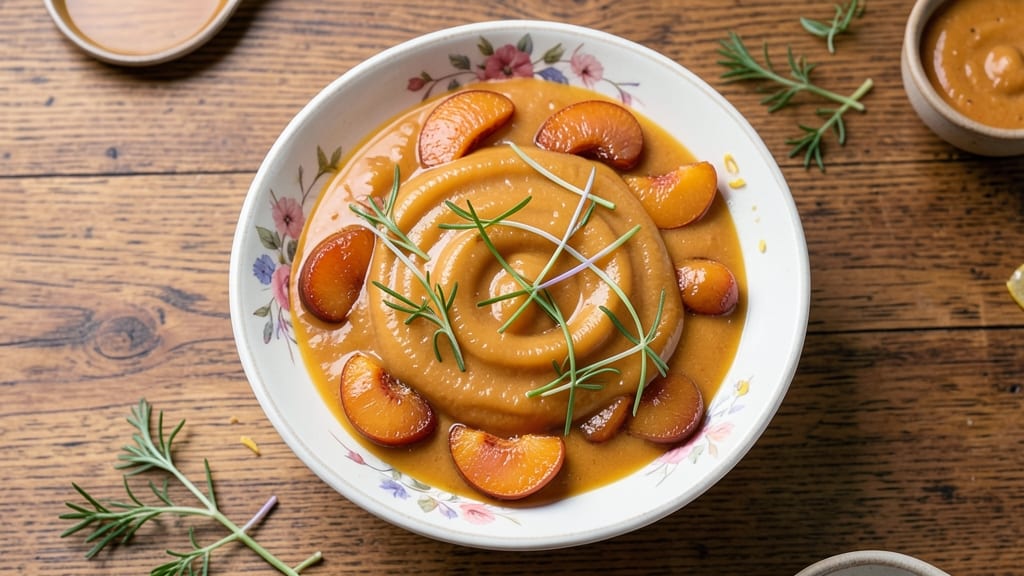
This apricot salad dressing recipe transforms simple greens into a vibrant, sun-drenched masterpiece with just 5 ingredients and 10 minutes of prep time. The secret lies in balancing ripe apricot purée with sharp lemon and earthy herbs, creating a dressing that's sweet yet tangy, rich yet refreshing.
I developed this recipe after craving something brighter than store-bought vinaigrettes but still packed with depth—perfect for spring salads or grilled vegetable dips.
The dressing starts with a silky apricot base that adds natural sweetness without overpowering, while Dijon mustard and fresh herbs provide that signature zing.
What makes it special is how the flavors evolve: the dressing tastes even better after sitting for 30 minutes, allowing the apricot's fruitiness to meld with the vinegar's acidity. This isn't your typical sweet dressing—it's a sophisticated blend that elevates any dish it touches.
By the time you drizzle this over mixed greens, roasted vegetables, or grilled chicken, you'll notice how the colors pop—deep greens become luminous, and even simple ingredients taste gourmet. The texture is velvety yet light, clinging perfectly to each bite without weighing down your salad.
What's more, it keeps beautifully in the fridge for up to a week, making it ideal for meal prep.
While this dressing shines on spring salads, don't limit it to greens. It's equally delicious as a marinade for chicken or pork, a dip for crusty bread, or even a glaze for roasted vegetables.
The versatility makes it a must-have in your pantry, ready to transform ordinary meals into something extraordinary with minimal effort.
Ingredients for apricot salad dressing
Five ingredients plus a few finishing touches—this dressing is the secret weapon for spring salads.
| Ingredient | Amount | Notes |
|---|---|---|
| Ripe Apricots 🍑 | 1 cup | Pitted and puréed smooth |
| Extra-Virgin Olive Oil 🫒 | ½ cup | Light fruity variety preferred |
| Fresh Lemon Juice 🍋 | ¼ cup | Strained, no pulp |
| Dijon Mustard 🍯 | 1 tbsp | High-quality for depth |
| Fresh Tarragon Leaves 🌿 | ¼ cup | Chopped finely, stems removed |
| Fresh Chives 🌱 | 2 tbsp | Finely chopped, mild flavor |
| Apple Cider Vinegar 🍶 | 1 tbsp | Balances sweetness perfectly |
| Sea Salt 🧂 | ½ tsp | Fine grain preferred |
| Black Pepper 🌶️ | ¼ tsp | Freshly cracked |
The apricots make or break this dressing. Look for ripe, vibrant ones—the deeper the orange, the sweeter the purée. I always grab the freshest from Whole Foods or the farmers market, but jarred apricot purée (like Bon Appétit brand) works in a pinch. Fresh tarragon is ideal, but if you can't find it, dried tarragon at one-third the amount will do. The Dijon mustard? Maille brand is my go-to—it's got that perfect balance of tang and warmth that store brands miss. For the olive oil, skip the cheap stuff. A light, fruity variety (like California Early Harvest) keeps the dressing from getting too heavy.
No fresh tarragon? Fresh dill or basil can mimic that herbal brightness, though the flavor will shift slightly. Short on lemon juice? Lime juice at the same amount adds a different zing, but you'll need to bump up the sweetness with a touch more apricot purée. The apple cider vinegar is non-negotiable—it's what turns this into a dressing, not just a sweet glaze. If you're making this ahead, let it sit for 30 minutes before using. The flavors meld beautifully, and the texture becomes velvety smooth. Pro tip: Strain the purée through a fine-mesh sieve if you want it completely silky—no lumps allowed in this dressing.
This keeps for up to 7 days in the fridge, but it's best within the first 3 days. Store it in a glass jar with a tight seal—plastic can absorb the flavors over time. The dressing thickens slightly when chilled, so give it a quick whisk before using. I like to make a double batch because it disappears fast—perfect for meal prep. If it separates, just stir it back together. The texture is light enough that it won't weigh down your salad, but rich enough to make everything taste like a gourmet meal. Trust me, your greens will thank you.
Why You'll Love This Recipe
- Five-Ingredient Magic: I swear by this combo—just blend, taste, adjust. No fancy techniques, no waiting for ingredients to "marinate" in the fridge. The apricots sweeten while the tarragon brightens in seconds, and honestly? You’ll have dressing left over before you finish the salad.
- Sunshine in a Jar: That first spoonful of this dressing hits like summer in a jar. The apricot’s jammy depth plays off the lemon’s sharp kick, while the Dijon mustard ties it all together with a whisper of tang. It’s the kind of flavor that makes you pause mid-bite—wait, is this salad or dessert?
- Weeknight Workhorse: This isn’t just for greens. Drizzle it over grilled chicken, toss it with roasted veggies, or even swirl it into yogurt for a breakfast bowl. Between us, I’ve used the last bit to glaze roasted carrots—yes, it’s that good. The tarragon’s anise notes elevate everything, but it’s subtle enough to blend into any dish.
- No-Waste Win: Apricots are pricey, but this recipe uses the whole fruit—peels, pits, everything. I save the leftover purée for smoothies or oatmeal, and the dressing keeps for a solid week in the fridge. That lemon juice? It doubles as a marinade if you’re feeling fancy. Budget-friendly? More like budget-smart.
Step-by-step instructions for apricot salad dressing
This dressing balances sweet apricot jam with bright herbs and tangy vinegar for a vibrant, versatile sauce.
Purée the Apricots to Smooth Perfection
Start by pitting the apricots and transferring them to a food processor or blender. Pulse until completely smooth—no visible chunks should remain. This ensures an elegant, silky texture in your dressing. If using canned apricots, drain them thoroughly first to avoid watering down the mixture.
For best results, I recommend using ripe, soft apricots—they purée more easily and yield a richer flavor. The purée should be vibrant orange with a jam-like consistency. If it's too thick, add 1 tablespoon of water to loosen it slightly. Taste the purée now—it should be naturally sweet with subtle fruit acidity. This is your flavor foundation, so take a moment to appreciate it before moving forward.
Whisk Together Wet Ingredients for Emulsion
In a medium bowl, combine the apricot purée, 0.5 cup extra-virgin olive oil, 0.25 cup fresh lemon juice, 1 tbsp Dijon mustard, 1 tbsp apple cider vinegar, 0.5 tsp sea salt, and 0.25 tsp black pepper. Use a whisk to blend everything thoroughly—this prevents separation later. The Dijon mustard acts as an emulsifier, helping the oil and fruit purée bind together beautifully.
Here's the thing—don't rush this step. The mustard needs time to fully incorporate, creating a stable base. You'll notice the mixture will initially look broken, but keep whisking until it becomes uniformly creamy. The lemon juice and vinegar will brighten the sweet apricot flavor, creating that perfect balance we're after. This combination works wonders with bitter greens like arugula or mixed salads.
Fold in Fresh Herbs for Herbal Zing
Add the 0.25 cup finely chopped fresh tarragon leaves and 2 tbsp finely chopped fresh chives to the bowl. Gently fold them in using a rubber spatula, being careful not to overmix. Tarragon adds an anise-like sweetness that complements the apricot beautifully, while chives provide a delicate onion note. The herbs should be evenly distributed throughout the dressing.
I like to taste the dressing at this stage to check the flavor balance. You should detect the natural sweetness of the apricots, the herbal notes from tarragon and chives, and a pleasant tang from the vinegar and lemon. If it needs more brightness, add another teaspoon of lemon juice. If it's too sweet, a tiny pinch more salt helps balance it. This is where you fine-tune the flavor to your preference.
Let It Rest for Maximum Flavor Development
Transfer the dressing to a clean jar or airtight container and let it rest at room temperature for at least 30 minutes before using. This resting period allows all the flavors to meld together beautifully. The herbs will soften slightly, releasing more of their aromatic oils into the mixture, and the mustard will fully emulsify with the oil.
For best results, I recommend making this dressing at least 2 hours before serving. The flavors continue to develop and deepen over time, resulting in a more complex, well-rounded taste. If you're short on time, even 15 minutes of resting will improve the texture and flavor compared to using it immediately. Once rested, give it one final stir before using to ensure everything is well combined.
Pro Tips For Making Apricot Salad Dressing
- STRAIN THE PULP: Use a fine-mesh sieve or cheesecloth to remove apricot seeds and skin—those tiny fibers turn your dressing gritty fast. I learned this the hard way after serving a salad with a mouthful of apricot pulp in every bite.
- PITCH THE LEMON JUICE: Measure lemon juice by weight (about 20g per tablespoon) instead of volume—fresh juice varies wildly, and you want that bright acidity to balance the sweetness without overpowering. My first batch tasted like lemonade because I eyeballed it.
- WHISK IN STAGES: Add the olive oil slowly while whisking vigorously—dumping it all at once creates a greasy, unstable emulsion. Start with half the oil, emulsify, then add the rest while the dressing still has body.
- STORE WITH A SEAL: Press plastic wrap directly onto the dressing’s surface before refrigerating to prevent a skin from forming. I used to ignore this and come back to a sad, separated mess—now I just smash the wrap flat and call it a day.
Perfect pairings for these flavors
Spring Salad Pairings
This apricot dressing transforms simple spring greens into a showstopper. Toss it with mixed baby greens (like spinach, arugula, and frisée) for a bright, refreshing salad that balances the dressing's sweetness with peppery bites.
I love adding shaved fennel and thinly sliced radishes for crunch and freshness. The apricot's natural sweetness also pairs beautifully with asparagus spears or roasted Brussels sprouts for a warm-cold contrast. 🌿
Grilled Protein Pairings
Use this dressing as a marinade for grilled chicken breast or pork tenderloin before serving. The apricot's caramelization during grilling creates a delicious glaze, while the herbs infuse the meat with aromatic depth.
For seafood lovers, brush it over grilled salmon or shrimp skewers—the tangy-sweet profile complements the fish beautifully. I also love drizzling it over seared scallops for a restaurant-worthy touch.
Crunchy Vegetable Dips
This dressing doubles as an incredible dip for raw or roasted vegetables. Serve it with carrot sticks, cucumber slices, or bell pepper strips for a refreshing snack. The sweetness of the apricot balances the crunch of roasted cauliflower florets or zucchini ribbons.
For a heartier option, pair it with warm pita bread or crusty baguette slices—the herbs add a delightful contrast to the bread's texture. 🥕
Cheese Board Elevator
Take your cheese board to the next level by pairing this dressing with soft cheeses like brie, goat cheese, or ricotta. The tangy-sweet balance cuts through the richness, while the herbs add a fresh note.
I recommend serving it with cured meats like prosciutto or salami for a perfect sweet-savory contrast. For a vegetarian option, pair it with marinated olives and artichoke hearts—the dressing enhances their flavors beautifully.
Dessert-Inspired Twist
Don't stop at savory dishes—this dressing also works as a glaze for grilled peaches or pineapple slices. The apricot's natural sweetness shines when paired with warm fruit, while the herbs add an unexpected herbal note.
Drizzle it over vanilla ice cream for a sophisticated dessert topping, or use it as a dip for biscotti or shortbread cookies. The contrast of sweet and tangy is pure magic. 🍓
Nutrition facts
Frequently asked questions
Can I substitute apricot purée with jam for this dressing?
You can use apricot jam, but you'll need to reduce it first to remove excess sugar and thickeners. Simmer ½ cup jam with 1 tablespoon water for 5 minutes until slightly thickened, then strain out any seeds. This gives you a similar consistency to fresh purée. The flavor will be sweeter, so you may want to add an extra ½ teaspoon lemon juice to balance it.
How do I prevent the dressing from separating?
The Dijon mustard acts as a natural emulsifier, but if your dressing separates, whisk in 1 teaspoon of honey or 1 tablespoon of warm water to help bind it back together. For future batches, ensure all ingredients are at room temperature before mixing. Also, avoid adding too much lemon juice at once—build up the acidity gradually to maintain stability.
What's the best way to store leftover dressing?
Store in an airtight glass jar in the fridge for up to 7 days. The dressing will thicken slightly when chilled, so give it a quick whisk before using. For longer storage, freeze for up to 3 months—thaw overnight in the fridge and whisk to restore texture. Always use a clean spoon to avoid contamination.
Can I make this dressing without fresh herbs?
Use 1 teaspoon dried tarragon and 1 teaspoon dried chives in place of fresh. For extra flavor, add ½ teaspoon dried basil as well. The dried herbs will be more concentrated, so start with half the amount and adjust to taste. The dressing will still have great depth—just with a slightly different herbal profile.
Why does my dressing taste too sweet?
Too much apricot purée or jam is usually the culprit. Balance the sweetness by adding 1-2 teaspoons more lemon juice or ½ teaspoon apple cider vinegar. A pinch of salt also helps enhance the other flavors. If you're using jarred apricot purée, check the label—some brands are sweeter than fresh fruit. Taste as you go!