
Sauces & Condiments
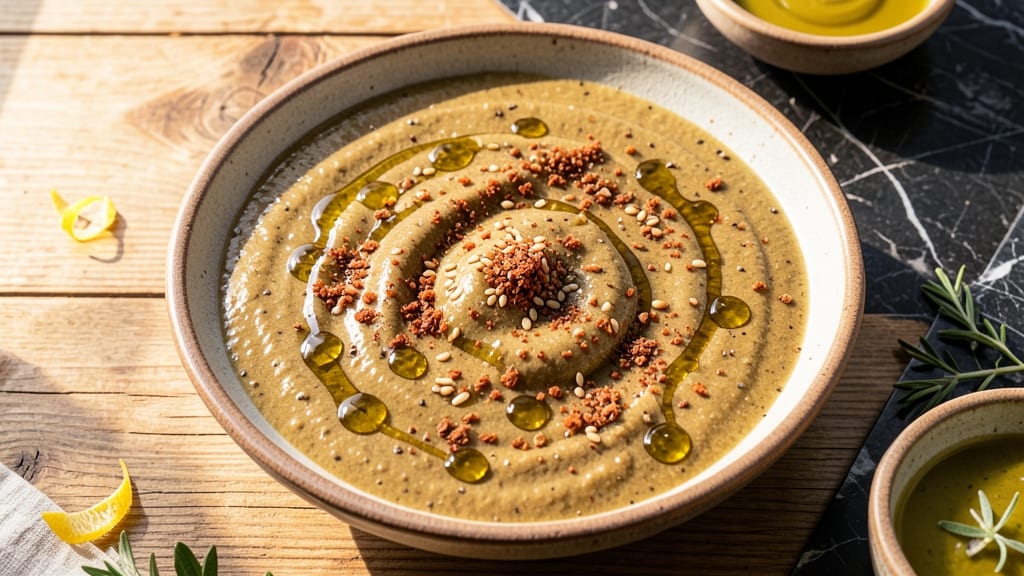
This Arabic salad dressing recipe transforms simple greens into a vibrant, flavor-packed experience with just six ingredients. The bright tang of lemon and nutty richness of tahini create a perfect balance, while toasted sesame seeds add a satisfying crunch that elevates every bite.
I developed this version after years of testing—it's the one that finally earned rave reviews from even the most skeptical salad lovers.
The secret lies in the toasted sesame seeds, which deepen the dressing's aroma and provide texture that cuts through creamy components. Traditional spices like sumac and cumin add earthy warmth, while garlic and olive oil form the flavorful base.
What makes this dressing special is its versatility—it works equally well on fresh greens, grilled meats, or even as a marinade for chicken.
What you'll end up with is a creamy yet zesty dressing that's rich enough to stand alone but balanced enough to complement any dish. The tahini gives it that signature Middle Eastern depth, while the lemon keeps it bright and refreshing.
Unlike store-bought versions, this one stays fresh for up to a week in the fridge, making it perfect for meal prep.
Ready in just 10 minutes, this dressing requires no cooking—just whisking and toasting. The ingredients are simple, but the flavor profile is anything but basic. Whether you're dressing a simple garden salad or drizzling it over roasted vegetables, this recipe delivers restaurant-quality results at home.
Ingredients for arabic salad dressing
Six ingredients transform ordinary salads into vibrant, restaurant-quality dishes with Middle Eastern flair.
| Ingredient | Amount | Notes |
|---|---|---|
| Extra-Virgin Olive Oil 🫒 | ½ cup | High-quality, fruity variety preferred |
| Tahini 🥜 | ⅓ cup | Sesame paste, unsweetened |
| Fresh Lemon Juice 🍋 | ¼ cup | From 2-3 medium lemons |
| Toasted Sesame Seeds 🌾 | 2 tbsp | Lightly browned in dry pan |
| Ground Cumin 🌿 | ½ tsp | Freshly ground preferred |
| Sumac 🌶️ | 1 tsp | Finely ground for even distribution |
| Garlic Cloves 🧄 | 2 cloves | Freshly minced or pressed |
| Water 💧 | ¼ cup | Adjust for desired consistency |
| Sea Salt 🧂 | ½ tsp | Diamond Crystal preferred |
The tahini and olive oil form the dressing's velvety base, so quality matters here. Opt for extra-virgin olive oil with noticeable peppery notes—California Olive Ranch or Colavita are excellent choices. Tahini should be smooth and nutty; Al-Wadi or Soom brands deliver consistent results. Fresh garlic and lemon are non-negotiable—their acidity and aroma elevate the dressing beyond basic vinaigrettes. Toast the sesame seeds in a dry pan until golden for maximum flavor development, about 2-3 minutes on medium heat.
No tahini on hand? Substitute with equal parts peanut butter and water, though the flavor will differ slightly. Short on sumac? Dried thyme at half the amount provides a similar earthy depth. For extra richness, add 1 tbsp of pomegranate molasses—it bridges the gap between sweet and tart. The water is your consistency control; start with 0.25 cup and adjust to a pourable but clinging texture. If storing, keep the sesame seeds separate until ready to use to maintain their crunch.
This dressing stays fresh for up to 7 days when stored in an airtight container in the refrigerator. The sesame seeds can be toasted ahead and stored in a sealed jar for up to 2 weeks at room temperature. For maximum freshness, whisk all components together just before serving. The dressing thickens slightly when chilled, so thin with a splash of water or lemon juice if needed. Portion into small containers for salads, grilled meats, or as a marinade—its versatility makes it a pantry essential.
Why You'll Love This Recipe
- No-Fuss Blend: I swear by this one—just whisk tahini, olive oil, and lemon juice until smooth. No straining, no fancy tools, just three ingredients and a fork. Honestly, it’s the kind of dressing I make when I’m too tired to think.
- Earthy Zing: That cumin and toasted sesame seeds? They’re the secret. The cumin adds a warm, smoky kick, while the sesame seeds give it this nutty crunch that sticks with you. It’s bright, rich, and never boring—like a hug in a jar.
- Meal Prep MVP: I keep a jar of this in my fridge for weeks. Drizzle it on roasted veggies, toss it with grains, or even use it as a marinade. It’s my go-to for lazy Sundays or last-minute dinner parties—no stress, just flavor.
- Budget Brightener: Tahini and olive oil stretch like magic. A little goes a long way, and I never feel guilty about using it up. Plus, sesame seeds and cumin are cheap staples that make everything taste like you actually cooked it. (Yes, even on a Tuesday night.)
Step-by-step instructions for Arabic salad dressing
This method delivers a perfectly balanced dressing with vibrant acidity, nutty depth, and aromatic complexity.
Toast the Sesame Seeds for Enhanced Flavor
In a small dry skillet over medium-low heat, toast the 2 tablespoons toasted sesame seeds for 2-3 minutes until they release their aroma and develop a golden hue. Stir constantly to prevent burning—you'll see them darken slightly but not char. Their nutty aroma will fill your kitchen, signaling they're ready.
Transfer the toasted seeds to a small bowl and set aside. These seeds will add both texture and aromatic depth to your dressing. The toasting process enhances their natural oils, which are crucial for creating that signature crunch and flavor in every bite of your salad.
Create the Base with Tahini and Olive Oil
In a medium bowl, combine the 0.33 cup tahini and 0.5 cup extra-virgin olive oil. Use a whisk to blend these ingredients until they form a smooth, creamy paste with no visible streaks. This step is essential—tahini can be thick, so thorough mixing ensures a silky texture in your final dressing.
If you encounter any lumps, add 1 tablespoon of water at a time while whisking until fully incorporated. The tahini should now have the consistency of heavy cream, ready to absorb the remaining ingredients without breaking.
Incorporate Aromatics and Acid
Add the 2 cloves garlic cloves (minced or pressed), 0.5 teaspoon ground cumin, and 1 teaspoon sumac to the tahini mixture. Whisk vigorously for 1 minute until all the spices are fully dissolved and the mixture becomes fragrant. The sumac will add a tangy brightness while the cumin contributes warm, earthy notes.
Gradually whisk in the 0.25 cup fresh lemon juice and 0.5 teaspoon sea salt. The lemon juice should be freshly squeezed—bottled juice lacks the bright acidity needed to balance the richness of the tahini. Continue whisking until the dressing is completely smooth and emulsified, with no visible separation.
Adjust Consistency and Finish
Add the 0.25 cup water one tablespoon at a time while whisking continuously. The dressing should reach a pourable consistency—thin enough to coat greens evenly but thick enough to cling to each leaf. Taste and adjust seasoning: add more salt if needed, or a touch more lemon juice if the dressing tastes too heavy.
Finally, sprinkle in the toasted sesame seeds and gently fold them into the dressing using a spatula. These seeds will provide both visual appeal and textural contrast. The dressing is now ready to use immediately or can be stored in an airtight container in the refrigerator for up to 5 days, shaking well before each use.
Pro Tips For Making Arabic Salad Dressing
- Whisk the Tahini Slowly: Tahini’s thick, sticky nature makes it a nightmare to whisk if you dump it all in at once. Start with just 1 tablespoon in your bowl, mix it into the lemon juice and olive oil until smooth, then gradually add the rest—this prevents lumps and saves you from scrubbing the bowl later.
- Toast Sesame Seeds Dry: Wet toasted sesame seeds turn bitter and clump like glue. Spread them on a dry skillet over medium heat for 2-3 minutes, stirring constantly, until they’re golden and fragrant. No oil needed—just watch them like a hawk to avoid burning.
- Use Cold Lemon Juice: Warm lemon juice makes tahini separate like oil and water. Keep your lemons chilled, roll them on the counter first to soften the peel, then juice them straight into an ice bath before mixing. The shock stabilizes the dressing immediately.
- Measure Cumin by Weight: Ground cumin loses its punch fast, and "a teaspoon" is too vague. Weigh it (about 3 grams per teaspoon) and toast it briefly in a dry pan before mixing—this deepens the earthy flavor without overpowering. Skip the pre-ground stuff if you can.
Regional styles of these flavors
Levantine Lemon-Tahini
This classic version from Lebanon and Syria uses tahini as the star, balanced with bright lemon and toasted sesame. The key difference here is the addition of 1 tsp dried mint (instead of sumac) and ½ tsp cardamom, which adds floral warmth.
I like to use Greek tahini for this variation—brands like Ellopoulos have a smoother texture that works beautifully. The dressing pairs perfectly with tabbouleh salad or grilled lamb kebabs. 🍋
Egyptian Za'atar Dressing
Egyptian cuisine takes this dressing in a bold, herb-forward direction by incorporating 2 tbsp za'atar (the iconic Middle Eastern spice blend) and 1 tbsp dried oregano. For extra richness, add 1 tbsp pomegranate molasses—this creates a sweet-tart balance that's signature to Egyptian salads.
I recommend using extra-virgin olive oil with a robust peppery finish, like Olea brand, to complement the za'atar's complexity. This version works wonderfully with fresh cucumber and tomato salads.
Palestinian Yogurt-Tahini Twist
For a creamier texture, this Palestinian adaptation swaps half the olive oil for ½ cup plain Greek yogurt (full-fat for best results). Add 1 tsp ground coriander and ½ tsp black pepper to deepen the earthy notes.
The yogurt creates a velvety consistency that's perfect for drizzling over hummus or falafel platters. I use Fage 5% yogurt because it's thick enough to blend smoothly without curdling. For extra tang, add 1 tbsp apple cider vinegar at the end.
Yemeni Spiced Citrus
Yemeni cuisine brings a unique twist with 1 tsp ground fenugreek and ½ tsp cinnamon, creating a warm, slightly sweet dressing. Replace the lemon juice with orange juice (from 2 oranges) for a citrus-forward profile.
The fenugreek adds a distinct bitterness that balances beautifully with the sweetness. This version pairs exceptionally well with Yemeni salads like koshari or grilled chicken dishes. For extra depth, add 1 tsp honey to the final mixture.
Turkish Sesame-Juice
Turkish adaptations often use ayran (yogurt drink) base instead of tahini, but this version keeps the tahini while adding 1 tbsp white vinegar and ½ tsp dried dill. The vinegar adds a sharp tang that cuts through the richness, while the dill provides a fresh herbal note.
This dressing is fantastic over Turkish-style cucumber salads or as a marinade for grilled meats like adana kebab. I like to use Anadolu tahini for this variation—it has a slightly nuttier profile.
Modern Fusion Adaptation
For a contemporary twist, blend in 1 tbsp tahini-infused honey (simmer ½ cup honey with ¼ cup tahini until thickened) and a pinch of smoked paprika. This adds a subtle sweetness and smoky depth that works beautifully with roasted beets or charred eggplant salads.
The honey-tahini blend can be made ahead and stored in the fridge for up to 2 weeks. This version is perfect for those who enjoy a balance of sweet, savory, and smoky flavors in their dressings. 🔥
Nutrition facts
Frequently asked questions
Can I make this dressing without tahini?
Yes, but the flavor will change significantly. For a close substitute, mix ½ cup peanut butter with 1 tbsp lemon juice to thin it, then use equal amounts in place of tahini. The dressing will lose its nutty depth but still maintain a creamy texture. Another option is to use ½ cup Greek yogurt (like the Palestinian variation) for a tangier alternative.
How do I adjust the consistency if it's too thick?
Start by adding 1 tablespoon of water at a time while whisking continuously. The dressing should reach a pourable consistency—thin enough to coat greens but thick enough to cling. If it's still too thick after adding all 0.25 cup water, thin with an extra 1-2 teaspoons of lemon juice or a splash of warm water. Store-bought dressings often use vinegar for thinning, but lemon preserves the bright flavor profile.
What's the best way to store leftovers?
Transfer the dressing to an airtight container and store it in the refrigerator for up to 7 days. The sesame seeds can be stored separately in a sealed jar for 2 weeks at room temperature to maintain their crunch. Before using, shake or whisk well—it may thicken slightly when chilled. For maximum freshness, add the toasted sesame seeds just before serving.
Can I use this dressing on non-salad dishes?
This versatile dressing works beautifully as a marinade for grilled chicken or lamb, a dip for pita bread or falafel, or a drizzle over roasted vegetables. Its balanced flavors complement both raw and cooked dishes. For marinades, reduce the water to 2 tablespoons to prevent the meat from becoming too moist during cooking.
Why does my dressing separate?
Separation usually happens when the tahini and olive oil aren't properly emulsified. Whisk vigorously for 2-3 minutes after adding the lemon juice to combine them fully. If it still separates, add 1 teaspoon of Dijon mustard (which acts as a natural emulsifier) and whisk again. For a quick fix, blend the separated dressing in a blender for 10 seconds to recombine the ingredients.