
Sauces & Condiments
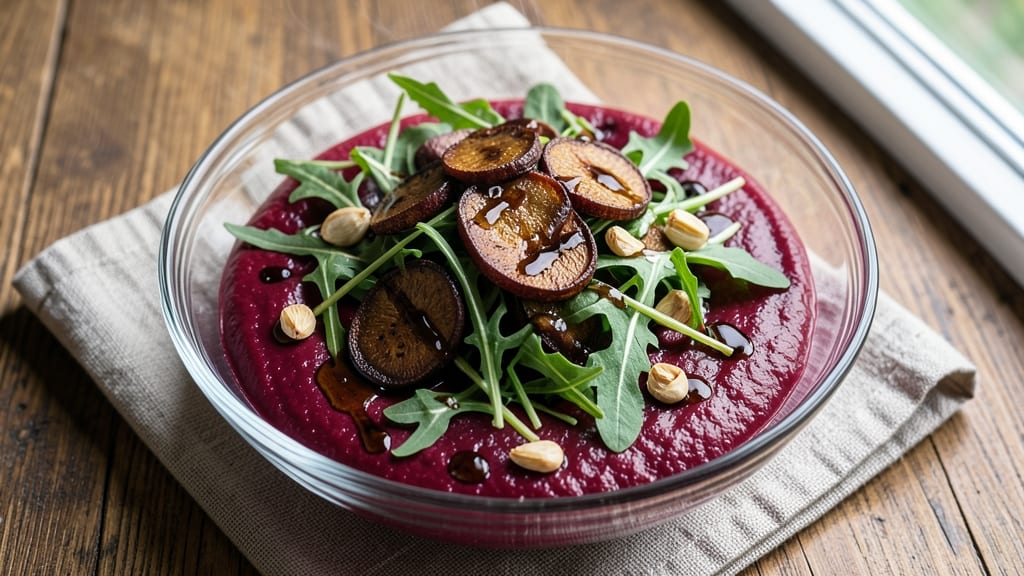
This arugula beet salad dressing recipe transforms simple ingredients into a velvety, earthy condiment that elevates any green salad. The secret lies in blending the peppery bite of arugula with the deep sweetness of roasted beets, balanced by a touch of balsamic vinegar for tangy complexity.
Perfect for vegan diets, this dressing stays creamy without dairy, thanks to a silky olive oil base and a pinch of Dijon mustard for emulsification.
The magic happens when you roast the beets until tender, then blend them with fresh arugula, garlic, and lemon juice—no straining required. A splash of balsamic vinegar adds depth, while a drizzle of maple syrup rounds out the flavors.
This dressing isn’t just for salads; it’s a versatile condiment that works on roasted vegetables, grain bowls, or even as a dip for crusty bread.
What sets this recipe apart is its earthy depth—the beets infuse the dressing with natural sweetness, while the arugula keeps it vibrant and fresh. The result is a smooth, tangy sauce that clings to greens without overpowering them.
Store it in the fridge for up to 5 days, shaking gently before each use to maintain its creamy texture.
For extra richness, stir in a teaspoon of nutritional yeast just before serving. This dressing is foolproof, requiring no special equipment—just a blender and a few pantry staples. Whether you’re prepping for meal prep or adding flair to a last-minute salad, this recipe delivers restaurant-quality flavor at home.
Ingredients for arugula beet salad dressing
Eight simple ingredients blend earthy sweetness with peppery bite for velvety dressing perfection.
| Ingredient | Amount | Notes |
|---|---|---|
| Medium Beets 🍠 | 2 whole | Roasted until tender, peeled |
| Fresh Arugula 🌿 | 2 cups | Packed, stems removed |
| Extra-Virgin Olive Oil 🫒 | ½ cup | High-quality, fruity variety |
| Balsamic Vinegar 🍷 | 2 tbsp | Aged for depth of flavor |
| Pure Maple Syrup 🍯 | 1 tbsp | For natural sweetness |
| Garlic Cloves 🧄 | 2 cloves | Peeled, rough chopped |
| Fresh Lemon Juice 🍋 | 1 tbsp | From organic lemons |
| Dijon Mustard 🌶️ | 1 tsp | For emulsification |
| Nutritional Yeast 🧀 | 1 tsp | Optional, for richness |
| Sea Salt 🧂 | ½ tsp | Fine grain preferred |
Roasted beets are the heart of this dressing—look for medium-sized, vibrant beets at the grocery store, not the tiny baby varieties. Whole Foods or local farmers markets often carry heirloom varieties with deeper flavor. Roast them until fork-tender (about 45 minutes at 400°F), then peel while still warm. Fresh arugula is non-negotiable here; the peppery bite balances the beets' sweetness perfectly. If you can't find organic, regular arugula works, but rinse thoroughly to remove dirt. The extra-virgin olive oil should be fruity and peppery—avoid the mild supermarket brands that taste like plastic.
No roasted beets? Steamed or boiled beets work in a pinch, but roasting develops their natural sweetness. Substitute carrot juice (1/4 cup) for the beet's sweetness if you're truly stuck, though the texture won't be identical. For the balsamic vinegar, aged varieties like Barolo or Chianti add complexity, but regular balsamic works fine. The Dijon mustard is crucial—it's what makes this dressing cling to greens without separating. Whole grain mustard works too, but it adds texture that some might not prefer. Nutritional yeast is optional but adds that 'cheesy' depth that makes this dressing feel restaurant-quality.
This dressing keeps beautifully in the fridge for 5 days—just store it in a sealed jar with a thin layer of olive oil on top to preserve freshness. Shake gently before each use to redistribute any settled ingredients. For meal prep, divide into small containers so you only need to shake what you'll use. The dressing thickens slightly when chilled, so thin with a splash of water or lemon juice if needed. Freezes for 3 months if stored in an airtight container, though texture may separate slightly upon thawing—just give it a good stir.
Why You'll Love This Recipe
- No-Cook Magic: I swear by this dressing because it’s ready the second I peel those beets—no simmering, no waiting. Just roast the beets until tender, toss them with arugula, olive oil, and a splash of balsamic, then drizzle in maple syrup. That’s it. Honestly, I make it while watching TV.
- Earthy Sweet Crunch: Between us, this combo is ridiculously good—the beets bring deep, sweet earthiness, the arugula adds that peppery bite, and the maple syrup ties it all together with just enough caramelized warmth. It’s the kind of dressing that makes you take an extra bite of whatever you’re eating.
- Weeknight Workhorse: I keep a jar of this in my fridge because it works on everything—grain bowls, charcuterie, even as a marinade for chicken. And if I’m prepping for the week? I roast a batch of beets on Sunday, toss them with the dressing, and it’s ready to go. No last-minute stress.
- Budget Brightener: Fresh arugula and beets might sound fancy, but they’re actually budget-friendly staples—especially if you buy them in season. Plus, this dressing keeps for days, so I stretch it across multiple meals without waste. My wallet and taste buds win.
Step-by-step instructions for arugula beet salad dressing
This method balances earthy beets with peppery arugula for a dressing that elevates simple greens.
Roast the Beets Until Tender
Preheat your oven to 400°F. Wrap the 2 whole medium beets tightly in aluminum foil, ensuring they're completely sealed. Place them on a baking sheet and roast for 45-50 minutes until they yield easily when pressed with a fork. The beets should feel soft throughout but not mushy.
While roasting, I like to turn the beets halfway through for even cooking. Once done, remove them from the oven and let them cool for 10 minutes before peeling. The residual heat makes peeling easier, and the skin slips off cleanly. You'll need about 1 cup of peeled, diced beets for the dressing—discard any excess or save for another use.
Prepare the Arugula Base
In a food processor or high-speed blender, combine the 2 cups of packed, stemmed arugula with the peeled, diced beets. Pulse for 10-15 seconds until the arugula is finely chopped but not pureed. You want a rough texture that still retains some leafy structure—this creates body in the dressing without making it too thick.
Transfer the arugula-beet mixture to a medium bowl. Add the 2 cloves of rough chopped garlic, 1 tsp of Dijon mustard, and 1 tsp of nutritional yeast. Stir gently with a wooden spoon to distribute these ingredients evenly. The mustard will help emulsify the dressing later, while the nutritional yeast adds a subtle umami depth that complements the earthy beets.
Whisk Together Wet Ingredients
In a separate bowl, whisk together the 0.5 cup of extra-virgin olive oil, 2 tbsp of balsamic vinegar, 1 tbsp of pure maple syrup, 1 tbsp of fresh lemon juice, and 0.5 tsp of sea salt. The olive oil should be at room temperature for better emulsification—if it's straight from the fridge, let it sit for 10 minutes first.
Whisk vigorously for 30 seconds until the mixture is homogeneous and slightly thickened. The maple syrup and lemon juice balance the acidity of the balsamic vinegar, while the olive oil provides a rich, fruity foundation. Taste the mixture at this stage—it should be tangy, slightly sweet, and well-seasoned. Adjust the salt if needed, but the balsamic and mustard already contribute significant flavor.
Combine and Emulsify the Dressing
Gradually pour the wet ingredients into the arugula-beet mixture while whisking continuously. Start with a slow drizzle to prevent the dressing from separating, then increase to a steady stream. Whisk vigorously for 1-2 minutes until the dressing thickens and becomes creamy. You're looking for a consistency similar to heavy cream—thick enough to coat the back of a spoon but still pourable.
If the dressing feels too thick, add 1-2 tablespoons of water at a time until it reaches your desired consistency. For extra richness, you can also stir in an additional 1 tbsp of olive oil. Let the dressing rest for 10 minutes before serving—this allows the flavors to meld and the texture to stabilize. The final dressing should have a vibrant pink hue from the beets, with a peppery kick from the arugula and a smooth, velvety texture.
Adjust and Serve
Taste the dressing again after resting and make any final adjustments. If it needs more acidity, add a splash of lemon juice. For extra depth, stir in a pinch more of the nutritional yeast or a crack of black pepper. The dressing should complement the earthy beets and peppery arugula without overpowering them—think of it as a bridge between the greens and your protein of choice.
Use the dressing immediately or store it in an airtight container in the refrigerator for up to 5 days. Before serving, give it a quick whisk to re-emulsify if it separates slightly. This dressing works beautifully with grilled chicken, roasted vegetables, or as a base for beet and arugula salads. The balance of sweet, tangy, and earthy flavors makes it versatile enough for both hearty meals and light lunches.
Pro Tips For Making Arugula Beet Salad Dressing
- ROAST BEETS UNTIL TENDER: I used to overcook these thinking more = better, but medium beets need just 45-50 minutes at 375°F (25-30 mins for baby beets) until they’re fork-tender but still hold shape—any longer and they’ll turn to mush when you slice them for the salad.
- PEEL BEETS COLD: Let those roasted beets cool for 10 minutes before peeling—hot beets slip like greased pigs and ruin your knife skills. A quick dip in ice water afterward makes slicing them even easier.
- BALANCE THE DRESSING NOW: The maple syrup and balsamic will fight for dominance if you don’t test the dressing as you go. Start with 1:2:1 ratio (balsamic:maple:olive oil), taste after each addition, and adjust—too sweet? Add a splash of lemon juice. Too sharp? A pinch of salt or extra olive oil smooths it out.
- USE WILTED ARUGULA: Fresh arugula bruises under dressing. Toss it with a tiny bit of olive oil and salt 5 minutes before assembling the salad—just enough to soften the edges. This keeps it vibrant and prevents that sad, limp pile after 10 minutes.
Common mistakes when making your arugula beet salad dressing
Over-Roasting Beets
Roasting beets beyond 45-50 minutes at 400°F turns them mushy and watery, which dilutes the dressing's intensity. I once burned a batch, and the dressing ended up thin and bland—total flavor disaster.
Test doneness by piercing with a fork; it should slide in easily but still hold shape. If beets are overcooked, drain excess liquid before dicing to prevent a watery dressing. 🍠
Skipping the Mustard
The 1 tsp Dijon mustard is non-negotiable—it's what creates that silky, clingy texture. Without it, the dressing separates into oily and watery layers. I learned this the hard way when I swapped mustard for mayo in a hurry.
The result? A sad, broken dressing that pooled at the bottom of my bowl. Mustard's acidity also helps balance the sweetness of the beets.
Using Cold Olive Oil
Cold olive oil from the fridge won't emulsify properly, leading to a dressing that looks like oil and vinegar dressing. Always let your 0.5 cup extra-virgin olive oil sit at room temperature for 10 minutes before whisking.
I keep a jar of olive oil on my counter specifically for dressings and sauces. The temperature difference makes all the difference in achieving that velvety consistency.
Over-Blending the Arugula
Pulsing the arugula too long turns it into a paste, which makes the dressing thick and heavy. You want a rough chop that still has texture—this keeps the dressing light and vibrant.
I use my food processor's pulse function until the arugula is finely chopped but still recognizable as leaves. This texture creates body without making the dressing gluey. 🌿
Ignoring the Resting Time
Rushing to serve the dressing immediately means missing out on flavor development. Let it rest for 10 minutes before tasting—this allows the flavors to meld and the texture to stabilize.
I once served it right after mixing and was disappointed by how flat it tasted. Patience pays off with a dressing that's rich, balanced, and cohesive.
Not Adjusting Seasoning
Taste as you go! The dressing needs all its components—sweet, tangy, and earthy—but sometimes one flavor dominates. If it tastes too sweet, add more lemon juice or vinegar. Too bland? A pinch of salt or extra nutritional yeast can save it.
I keep a small bowl of salt and lemon juice nearby while making dressings—it's my secret weapon for perfect seasoning every time.
Nutrition facts
Frequently asked questions
Can I make this dressing without roasting the beets?
Yes, but the flavor will be less developed. For a quick version, use 1/4 cup cooked beet purée (steamed or boiled) instead of roasted beets. The texture will be smoother but lack the deep caramelized sweetness from roasting. If you're short on time, try 1/4 cup carrot juice as a substitute—it adds sweetness without the earthy depth.
How do I keep the dressing from separating?
The key is proper emulsification! Always whisk the wet ingredients thoroughly before combining them with the arugula-beet mixture. For extra insurance, add an additional 1/2 tsp of Dijon mustard or blend everything in a food processor for 10-15 seconds. If separation happens later, just whisk vigorously to recombine. A thin layer of olive oil on top also helps preserve texture during storage.
What other greens work well with this dressing?
This dressing pairs beautifully with leafy greens that complement its earthy-sweet profile. Try it on spinach, kale, or mixed baby greens for a milder flavor, or use it as a dip for roasted vegetables like Brussels sprouts or sweet potatoes. For contrast, add bitter greens like endive or radicchio—their sharpness balances the dressing's sweetness perfectly.
Can I make this dressing ahead of time?
Store it in an airtight container in the fridge for up to 5 days. Before using, give it a good shake or whisk to recombine any separated layers. For meal prep, divide into small containers so you only need to shake what you'll use. The flavors actually improve slightly after resting, as the ingredients meld together. Freezing is possible for 3 months, but the texture may separate slightly upon thawing—just stir well before serving.
What if I don't like beets?
No problem! You can substitute the beets with 1/4 cup roasted sweet potato purée for a similar earthy sweetness, or use 1/4 cup cooked butternut squash for a milder flavor. For a completely different profile, try 1 tbsp tomato paste (mixed with the wet ingredients) for a tangy, umami-rich alternative. The arugula and mustard will still provide the peppery base you need.