
Sauces & Condiments
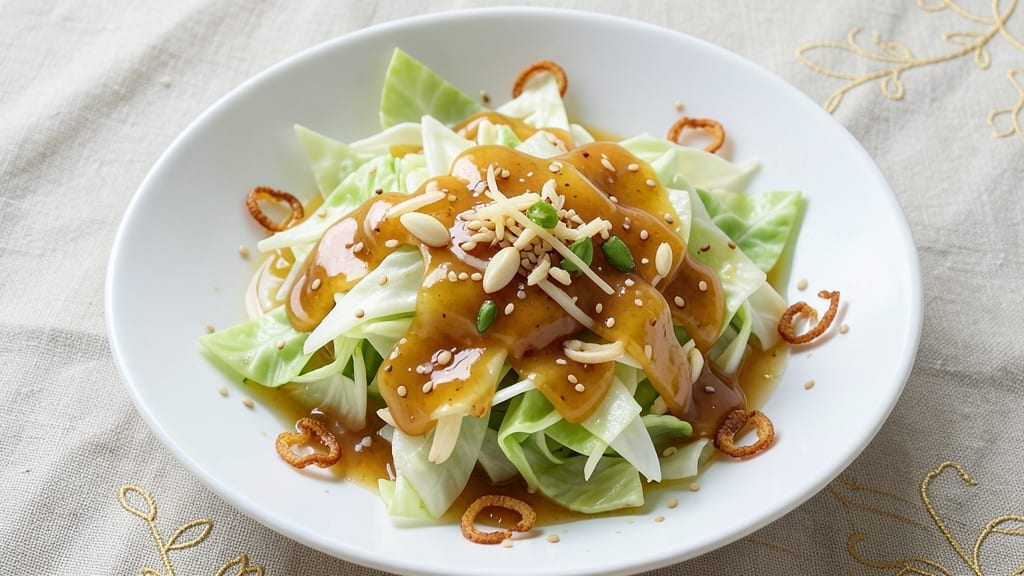
This Asian cabbage salad dressing recipe delivers the perfect balance of sesame-ginger zing and umami depth to elevate any crunchy salad.
The secret lies in a harmonious blend of soy sauce, sesame oil, and fresh ginger that creates a dressing with both bold flavor and smooth texture—no cloying sweetness or overpowering heat.
I developed this recipe after years of testing combinations that actually complement cabbage's natural crunch rather than competing with it.
The foundation starts with a simple yet sophisticated base of rice vinegar and soy sauce, which provides the essential umami backbone. Toasted sesame oil adds nutty richness, while fresh ginger and garlic bring bright, aromatic depth.
A touch of honey or sugar balances acidity, ensuring the dressing stays vibrant without overpowering the salad's freshness. The result is a dressing that clings beautifully to cabbage leaves while enhancing their natural sweetness.
What makes this dressing truly exceptional is its versatility—it works equally well on Asian-style cabbage salads, shredded carrots, or even as a marinade for grilled proteins. The ingredients come together in just 5 minutes, requiring no cooking or special equipment.
Once mixed, it keeps in the refrigerator for up to 5 days, making it perfect for meal prep or gifting.
For an extra layer of complexity, consider adding a pinch of chili flakes or a splash of lime juice. The dressing's smooth yet vibrant profile ensures every bite of your salad delivers that perfect sesame-ginger punch without overwhelming the dish.
Let's get started on creating this flavor-packed essential for your kitchen.
Ingredients for asian cabbage salad dressing
This dressing's secret lies in balancing bold sesame-ginger flavors with smooth umami richness.
| Ingredient | Amount | Notes |
|---|---|---|
| Rice Vinegar 🍶 | ½ cup | Unseasoned preferred for balance |
| Soy Sauce 🍶 | ⅓ cup | Low-sodium for flavor control |
| Toasted Sesame Oil 🫒 | 2 tbsp | High-quality, nutty aroma |
| Fresh Ginger 🌿 | 2 tbsp | Finely grated, aromatic |
| Garlic Cloves 🧄 | 2 cloves | Minced, fresh preferred |
| Honey 🍯 | 1 ½ tbsp | Wildflower for floral notes |
| Sesame Seeds 🌾 | 1 ½ tbsp | Toasted, for texture |
| Fresh Lime Juice 🍋 | 1 ½ tbsp | Bright acidity balance |
| Red Chili Flakes 🌶️ | ½ tsp | Optional, for subtle heat |
| Sea Salt 🧂 | ½ tsp | Fine grain, enhances flavor |
The rice vinegar and soy sauce form the dressing's umami backbone—Kikkoman or Mushroom Soy Sauce add depth. Fresh ginger should smell vibrant, not musty, and garlic should be pungent. For sesame oil, Kadoya or La Tourangelle deliver that toasted nutty aroma without bitterness. Store-bought toasted sesame seeds work, but toasting your own (dry pan, 2 minutes) intensifies flavor. The honey balances acidity—Manuka adds floral notes, but regular wildflower honey works too.
No sesame oil? Avocado oil or peanut oil (1 tbsp) mimics richness, though texture differs. Substitute maple syrup for honey (1:1 ratio), but flavor shifts slightly. Fresh ginger? Ginger powder at half the amount works, but lacks brightness. For heat, sriracha or gochujang (½ tsp) replace chili flakes. The lime juice is non-negotiable—bottled lime juice lacks freshness, so squeeze your own. If you're gluten-sensitive, ensure your soy sauce is tamari.
This dressing keeps 5 days in the fridge, sealed tightly. For longer storage, freeze in ice cube trays—thaw and whisk before use. Shake well before each use, as sesame oil separates. Double the batch for meal prep—it's perfect over shredded cabbage, carrots, or grilled chicken. The dressing's versatility makes it a pantry staple worth repeating.
Why You'll Love This Recipe
- No-Fuss Blend: Honestly, this dressing takes three minutes—just toss the rice vinegar, soy sauce, and toasted sesame oil in a jar, add minced ginger and garlic, and shake. No peeling, no straining, no waiting for anything to simmer. The sesame oil does all the work while you chop cabbage.
- Umami Bomb: That first splash of toasted sesame oil? Instant flavor explosion. The ginger and garlic hit like a warm hug, but the soy sauce keeps it bright and tangy—not too heavy, not too sweet. It’s the kind of dressing that makes you go, “Wait, why haven’t I done this before?”
- Leftover Hero: This keeps perfectly in the fridge for a week, and it’s the secret to turning sad lunchbox veggies into something exciting. Drizzle it on cold noodles, toss with quick-pickled cucumbers, or even stir into congee. (Between us, it’s my go-to for lazy takeout nights.)
- Budget Magic: You’re using pantry staples here—rice vinegar, soy sauce, a knob of ginger, a couple of garlic cloves. No specialty ingredients, no markup. Plus, a little goes a long way, so you’re not drowning in leftovers you’ll never use. My wallet and my taste buds win.
Step-by-step instructions for sesame-ginger dressing
This vibrant dressing delivers perfect balance—bright, nutty, and deeply umami—with just a few simple steps.
Grate and Mince Aromatics for Maximum Flavor
Use a fine grater to process the 2 tablespoons of fresh ginger into a smooth paste—this ensures even distribution and prevents gritty texture. I like to press the grated ginger through a fine-mesh sieve to remove any fibrous bits, which gives you that silky smooth finish in the dressing. Next, finely mince the 2 cloves of garlic using a sharp knife or microplane—this releases more flavor than crushing or chopping.
Here's the thing—fresh ginger and garlic are your flavor anchors. If you use pre-minced garlic from a jar, you'll notice a flatness in the final dressing. The same goes for dried ginger; it lacks the bright, peppery kick that fresh brings. Work quickly with the garlic to prevent it from oxidizing in the air, which dulls its punch.
Whisk Together the Wet Ingredients
In a medium bowl, combine the 0.5 cup rice vinegar, 0.33 cup soy sauce, 1.5 tablespoons honey, and 1.5 tablespoons fresh lime juice. Start by whisking vigorously for about 30 seconds to help the honey dissolve completely—this prevents graininess in your dressing. The mixture should look smooth and slightly syrupy at this stage.
Taste the combination before adding the aromatics. You're aiming for a balance where the acidity of the vinegar and lime brightens the sweetness of the honey, while the soy sauce provides that deep umami foundation. If it tastes too sharp, add a touch more honey; if it's too flat, a splash of extra lime juice will wake it up. This is your flavor baseline before the complex aromatics join the party.
Incorporate Aromatics and Toasted Sesame Oil
Add the grated ginger and minced garlic to the wet mixture, then whisk continuously for another 45 seconds until fully combined. The colors should meld beautifully—ginger's pale yellow blending with garlic's white flecks. Now drizzle in the 2 tablespoons toasted sesame oil while whisking constantly. This is where the magic happens—the oil carries the nutty depth that balances the dressing's acidity.
Here's where it gets fun—watch as the sesame oil transforms the dressing from bright to rich. If you're using a lower-quality sesame oil, you might notice a slightly bitter aftertaste. That's why I always recommend toasted, high-quality sesame oil—it adds that nutty aroma and prevents bitterness. The dressing should now have a glossy sheen and a complex aroma that makes your mouth water.
Season and Finish with Toasted Sesame Seeds
Sprinkle in the 0.5 teaspoon sea salt and 0.5 teaspoon red chili flakes, then whisk gently to distribute evenly. Taste again—this is your final flavor check. The salt should enhance all the components without overpowering, while the chili flakes add just a hint of heat that lingers on the tongue. If you're sensitive to spice, you can reduce or omit the chili flakes entirely.
Finally, stir in the 1.5 tablespoons toasted sesame seeds. These aren't just for garnish—they add crunch and visual appeal that makes this dressing stand out. For best results, toast the sesame seeds in a dry skillet over medium heat for 1-2 minutes until fragrant before adding them. This enhances their nutty flavor and prevents them from sinking to the bottom of your dressing container.
Rest and Adjust for Perfect Balance
Let the dressing sit at room temperature for 10-15 minutes before using. This resting period allows all the flavors to meld completely. Give it a final taste—sometimes the ginger's heat mellows slightly, or the lime's acidity softens. If needed, adjust with a touch more lime juice for brightness or a splash of water to thin if it's too thick for your preference.
This dressing keeps well in the refrigerator for up to 5 days in an airtight container. The flavors actually deepen over time, making it even more complex. When ready to use, give it a good stir—you'll notice how the sesame seeds distribute evenly throughout, adding texture with every pour. Now you're ready to elevate any cabbage salad with this sesame-ginger zing!
Pro Tips For Making Asian Cabbage Salad Dressing
- Mince the Ginger Fine: I learned this the hard way—lumpy ginger ruins the dressing’s silky texture. Use a microplane or the finest grater, then press it through a sieve to remove any fibrous bits. No food processor? A sharp knife and brute force work, but you’ll need to pulse it in a blender afterward to break it down completely.
- Bloom the Soy Sauce First: Stir soy sauce into the warm vinegar (not cold) for 30 seconds before adding anything else. This lets the flavors meld instead of sitting like separate ingredients. Trust me, the difference is noticeable—your dressing won’t taste like a science experiment.
- Toast the Garlic Lightly: Sauté minced garlic in a dry pan for 30 seconds until fragrant but not browned. This mellows its sharpness and deepens the aroma. Skip this, and your dressing might taste bitter—like someone overdid the garlic powder.
- Balance the Oil Last: Add toasted sesame oil at the very end, just before tossing with cabbage. Too much too soon dulls the bright acidity of the vinegar. Start with ½ teaspoon, taste, then adjust—you can always add more, but you can’t take it out.
Health benefits of asian cabbage salad dressing
Umami and Antioxidants
This dressing is packed with umami-rich soy sauce and ginger, both of which support gut health and reduce inflammation. Soy sauce contains isoflavones, plant compounds linked to heart health, while fresh ginger is a natural anti-inflammatory powerhouse.
The sesame oil adds healthy monounsaturated fats, which help lower bad cholesterol levels. Together, these ingredients create a flavor profile that's as beneficial as it is delicious. 💪
Digestive Aid Benefits
The rice vinegar in this dressing acts as a probiotic booster, promoting healthy gut bacteria when consumed regularly. The fresh lime juice aids digestion by stimulating stomach acid production, making this dressing particularly helpful after heavy meals.
For those with sensitive stomachs, the ginger's natural carminative properties can ease bloating and indigestion. It's a simple way to turn a flavorful dressing into a digestive health ally.
Blood Sugar Balance
While the honey adds natural sweetness, the ginger and vinegar help moderate blood sugar spikes. Studies show ginger can improve insulin sensitivity, making this dressing a smart choice for those monitoring their glucose levels.
The sesame seeds provide magnesium, which plays a role in blood sugar regulation. This balance of sweetness and blood-sugar-friendly ingredients makes it suitable for most dietary needs without sacrificing flavor. 🍯
Anti-Inflammatory Properties
The combination of ginger, garlic, and sesame oil creates a potent anti-inflammatory profile. Ginger contains gingerol, a compound that inhibits inflammatory pathways, while garlic's allicin has been shown to reduce chronic inflammation. Even the red chili flakes contribute with capsaicin, which may help lower inflammation markers.
This makes the dressing not just tasty, but potentially therapeutic for those dealing with joint discomfort or chronic inflammation.
Vitamin C Boost
Fresh lime juice provides a significant dose of vitamin C, an essential nutrient for immune function and collagen production. Just 1.5 tablespoons delivers about 10% of your daily needs. The vitamin C also helps preserve the dressing's freshness longer by acting as a natural preservative.
This citrus element is what prevents the dressing from becoming flat over time, keeping both your salad and your immune system vibrant. ✨
Versatile Nutrient Pairing
When paired with cabbage salads, this dressing creates a nutrient powerhouse. Cabbage is rich in vitamin K and fiber, while the dressing adds healthy fats and antioxidants. The sesame seeds contribute calcium and zinc, making this combination particularly beneficial for bone health and immune support.
It's a perfect example of how simple ingredients can work together to create both exceptional flavor and nutritional value. 🥬
Nutrition facts
Frequently asked questions
Can I make this dressing without sesame oil?
Yes! For a similar nutty depth, substitute with 1 tablespoon avocado oil or peanut oil. The texture will be slightly lighter, but the flavor remains rich. If you're avoiding sesame entirely, add ½ teaspoon toasted sesame paste (found in Asian markets) for aroma without the oil.
How do I adjust the dressing for spicier or milder heat?
For extra heat, add ½ teaspoon more chili flakes or a dash of sriracha (start with ¼ teaspoon). For milder flavor, reduce the chili flakes to ¼ teaspoon or omit entirely. Always taste after adding—ginger's natural spice can intensify over time.
Why does my dressing separate after refrigeration?
This is normal! The sesame oil naturally separates from the vinegar base. Before using, whisk vigorously or gently shake the container. For a smoother texture, add 1 teaspoon water and stir. The dressing will re-emulsify perfectly. Pro tip: Store with the sesame seeds sprinkled on top to prevent sinking.
Can I use this dressing on non-cabbage salads?
This dressing works beautifully on shredded carrots, cucumber, or green beans. For heartier dishes, try it as a marinade for grilled chicken or tofu (marinate for 15-20 minutes). The sesame-ginger profile complements both raw and cooked vegetables.
What's the best way to store leftovers?
Transfer to an airtight glass jar and refrigerate for up to 5 days. For longer storage, freeze in ice cube trays**—thaw and whisk before use. The dressing's acidity helps preserve freshness, but always check for any separated oil before using. Label with the date to track freshness!