
Sauces & Condiments
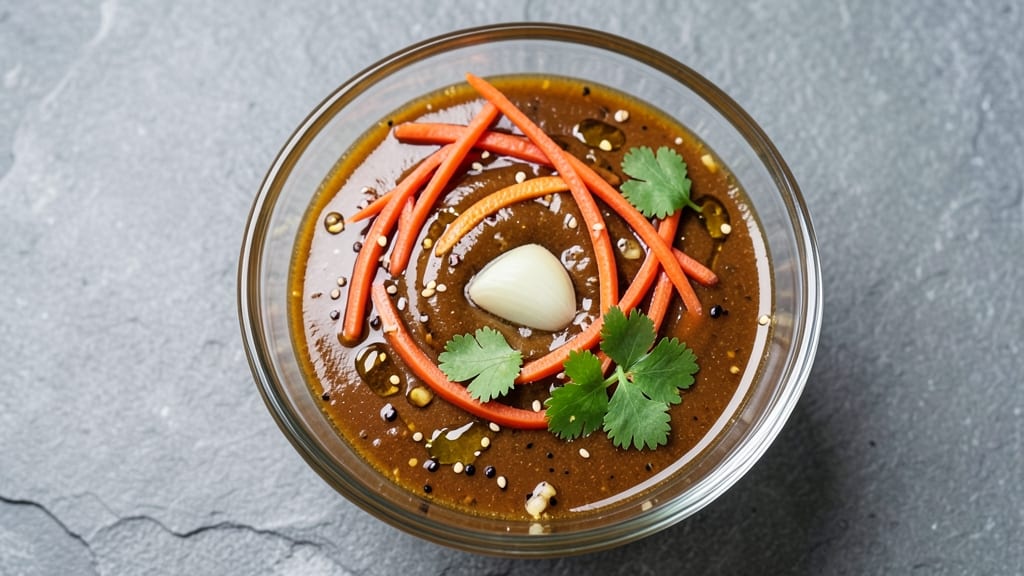
This Asian carrot salad dressing recipe delivers the perfect balance of umami, sweetness, and tang in just 5 minutes—no fancy techniques required.
The secret lies in combining soy sauce, sesame oil, and a touch of honey for that signature Asian-inspired flavor profile that clings beautifully to shredded carrots and greens. I developed this dressing after years of testing, and it never fails to elevate simple salads into restaurant-worthy dishes.
The ingredients are simple but powerful: soy sauce for depth, rice vinegar for brightness, fresh ginger and garlic for warmth, and a hint of sesame oil for nutty richness. Whisking everything together creates a smooth, emulsified dressing that coats every bite, transforming ordinary salads into something truly special.
The best part? It comes together in a single bowl with no special equipment.
What you'll end up with is a dressing that's versatile enough for carrot salads, edamame bowls, or even as a marinade for tofu. The sweet-savory balance makes it addictive—once you try it, you'll never go back to store-bought versions.
Plus, it keeps well in the fridge for up to a week, so you can make a batch and use it all week long.
Pair it with shredded carrots, fresh greens, and a sprinkle of sesame seeds for the full experience. Here's how to make it—simple, foolproof, and guaranteed to impress.
Ingredients for asian carrot salad dressing
Five minutes, ten ingredients—this dressing transforms simple salads into restaurant-worthy bites.
| Ingredient | Amount | Notes |
|---|---|---|
| Soy Sauce 🍶 | ½ cup | Light or dark variety preferred |
| Rice Vinegar 🍶 | ¼ cup | Seasoned or plain works |
| Sesame Oil 🫒 | 1 tbsp | Toasted for nutty flavor |
| Honey 🍯 | 2 tbsp | Or maple syrup for vegan option |
| Fresh Ginger 🌿 | 1 tbsp | Finely grated, fresh preferred |
| Garlic Cloves 🧄 | 2 cloves | Minced or pressed for best flavor |
| Sesame Seeds 🌰 | 1 tbsp | Toasted for garnish and crunch |
| Water 💧 | ¼ cup | Adjust for desired consistency |
| Salt 🧂 | ¼ tsp | Kosher or sea salt preferred |
| Black Pepper 🌶️ | ⅛ tsp | Freshly ground for best flavor |
The soy sauce is the umami backbone—Kikkoman or La Choy are my go-tos, but any good-quality brand works. Fresh ginger and garlic? Don't skip them—they're what gives it that authentic Asian warmth. I grab ginger from the Asian market for extra punch, but the regular supermarket stuff is fine too. Toast your sesame seeds in a dry pan for 30 seconds before adding—it brings out their nutty flavor. If you're short on time, store-bought toasted sesame seeds work just as well.
No honey? Maple syrup or agave does the trick—just use the same amount. Sesame oil giving you sticker shock? Skip it entirely and add an extra teaspoon of toasted sesame seeds for flavor. The dressing can be too thick or thin depending on your carrots—start with the water measurement, then adjust. For extra tang, add a splash more rice vinegar. Want it sweeter? Add another tablespoon of honey. This dressing is your flavor playground—play with it!
Store any leftovers in an airtight jar in the fridge for up to 1 week. It actually tastes better the next day as the flavors meld. Double the batch—trust me, you'll use it all. Freezes beautifully for 3 months if you want to make a big batch ahead of time. Just give it a quick whisk before using. The sesame seeds? Toast them fresh each time you use the dressing for maximum crunch.
Why You'll Love This Recipe
- No Pantry Panic: I’ll never stress over missing ingredients again—this dressing uses stuff I already have. Soy sauce, rice vinegar, and honey? Always in my fridge. Even the ginger is just a quick peel-and-grate.
- Umami Bomb: That first hit of sesame oil and fresh ginger? Instant flavor explosion. The honey balances the tangy rice vinegar so it’s never too sharp—just rich, savory, and dangerously good on anything.
- Lunchbox Hero: I make a big batch on Sundays and toss it in jars for the week. Works on salads, noodles, even grilled chicken—my kids ask for it more than their actual lunch sometimes.
- Budget Magic: Fresh ginger and sesame oil might sound fancy, but they stretch this dressing far. A little goes a long way, and I’ve used it for months without breaking the bank. (Yes, even on a Tuesday night.)
Step-by-step instructions for Asian carrot salad dressing
This dressing comes together in minutes with bold flavors that complement fresh carrots perfectly.
Prepare the Aromatics and Toast Sesame Seeds
Start by peeling the 2 cloves garlic and mincing them finely—you want tiny pieces that dissolve completely into the dressing. Next, use a microplane or fine grater to create 1 tablespoon fresh ginger, aiming for a smooth paste rather than coarse shreds. This ensures even distribution of flavor throughout.
In a small dry skillet over medium-low heat, toast the 1 tablespoon sesame seeds for 1-2 minutes until they release their nutty aroma and turn a deeper golden color. Watch them closely—they'll darken quickly. Immediately transfer them to a small bowl to cool while you prepare the rest of the dressing. These toasted seeds will add crunch and depth to every bite.
Combine Wet Ingredients for Perfect Balance
In a medium bowl, whisk together the 0.5 cup soy sauce and 0.25 cup rice vinegar. I like to use a light soy sauce for this dressing—it provides umami without overpowering the sweetness. The vinegar will brighten the flavors and cut through the richness of the soy.
Add the 2 tablespoons honey and 1 tablespoon sesame oil next. Whisk vigorously until the honey dissolves completely—you want a smooth, glossy base. The sesame oil adds a delicate nutty aroma that enhances the overall complexity. If you're using maple syrup instead of honey, the dressing will have a slightly different character but still work beautifully with carrots.
Incorporate Aromatics and Seasonings
Add the minced garlic and grated ginger to the bowl and whisk until fully combined. The mixture should smell vibrant and aromatic—bright, slightly spicy, and umami-rich. This is where the magic happens, as these ingredients infuse the dressing with their distinct flavors.
Stir in the 0.25 cup water, 0.25 teaspoon salt, and 0.125 teaspoon black pepper. The water helps thin the dressing to your desired consistency—you can adjust this later if needed. Taste the mixture now—it should be tangy, slightly sweet, and savory. If it needs more balance, you can add a touch more honey for sweetness or a splash of rice vinegar for acidity.
Final Adjustments and Storage
Give the dressing one final whisk to ensure everything is evenly incorporated. The texture should be smooth and pourable, coating the back of a spoon. If it's too thick, add a little more water 1 teaspoon at a time until it reaches your preferred consistency. For a carrot salad, I like it slightly thicker so it clings well to the shredded vegetables.
Transfer the dressing to a clean jar or container. Sprinkle the toasted sesame seeds on top for garnish and extra crunch. Store in the refrigerator for up to 1 week, shaking well before each use. This dressing keeps beautifully and only gets better as the flavors meld together over time.
Pro Tips For Making Asian Carrot Salad Dressing
- Grate Ginger Fine: Use the smallest holes on your grater—no peeling needed. Coarse ginger just sits there like little rocks, but when it’s almost paste-like, it dissolves into the dressing smoothly. I learned this the hard way after tasting a salad where the ginger chunks were still crunching weeks later.
- Whisk Sesame Oil Last: Add sesame oil after everything else is mixed—just before tossing. It’s delicate stuff; too much heat or aggressive stirring kills its nutty aroma. A quick swirl with chopsticks or a fork keeps it bright and fragrant, not bitter.
- Balance Honey Slowly: Start with half the honey called for, taste, then add more. Honey’s sweetness sneaks up on you, and once it’s overpowering, you can’t fix it without drowning the soy’s depth. I’ve ruined three batches this way—now I measure conservatively.
- Chill Before Serving: Let the dressing sit in the fridge for 10 minutes after mixing. The flavors meld better when cool, and the ginger’s sharpness mellows out. Serving it straight from room temp means you’ll taste vinegar first, then regret it. (Yes, even if you’re impatient like me.)
Perfect pairings for this dish
Carrot Salad Pairings
This dressing transforms a simple carrot salad into a vibrant, restaurant-quality dish. Start with shredded orange carrots (about 3 cups) for that classic crunch, then toss in 1 cup baby spinach or butter lettuce for freshness.
Add ½ cup edamame for plant-based protein and a pop of green. For texture, sprinkle ¼ cup sliced almonds or crushed peanuts—toast them first for extra flavor. 🥕
For a heartier salad, include ½ cup cooked quinoa or brown rice to bulk it up. I love adding ¼ cup shredded purple cabbage for a colorful twist and extra crunch.
If you want a protein boost, top with grilled chicken strips or crispy tofu. The dressing clings perfectly to all these ingredients, making every bite cohesive and delicious.
Protein Pairings
This dressing isn’t just for salads—it’s fantastic with grilled or steamed proteins. Drizzle it over seared salmon or teriyaki-glazed chicken for a sweet-savory balance. The umami notes in the dressing complement the richness of the protein beautifully.
For a vegetarian option, toss it with marinated and baked tofu or tempeh. The sesame oil and ginger add depth that pairs wonderfully with these plant-based proteins. 🍗
Try it with shrimp skewers or grilled pork tenderloin for a main-course salad. The dressing’s brightness cuts through the richness of the meat, creating a harmonious bite. I often serve it as a dipping sauce for spring rolls or fresh spring roll wrappers filled with shrimp and veggies.
The contrast of cool, crispy, and tangy is unbeatable.
Beverage Pairings
For a refreshing match, pair this dressing with sparkling green tea or jasmine iced tea. The effervescence and floral notes complement the dressing’s sweet and umami flavors. A light lager, like Sapporo or Asahi, works perfectly too—its crispness balances the richness of the dressing.
For something non-alcoholic, try cucumber-mint infused water with a squeeze of lime. 🍺
If you’re serving this as part of a larger meal, a dry Riesling or Sauvignon Blanc elevates the experience. The acidity in these wines mirrors the dressing’s tang, while their citrus notes enhance the ginger and garlic.
For a bolder pairing, a light-bodied sake like Junmai Ginjo adds a subtle sweetness that harmonizes with the honey in the dressing.
Global Variations
For a Thai-inspired twist, add 1 teaspoon fish sauce and ½ teaspoon lime juice to the dressing. The extra umami and acidity give it a Southeast Asian flair.
Garnish with cilantro leaves and crushed Thai chilies for heat. This version pairs beautifully with mango slices or shredded green papaya in your salad. 🌶️
For a Korean-inspired version, swap the soy sauce for ½ cup gochujang (Korean chili paste) and reduce the honey to 1 tablespoon. Add 1 teaspoon toasted sesame oil and a pinch of Korean red pepper flakes for a spicy, fermented kick.
This dressing works amazingly with kimchi or quick-pickled radishes in your salad.
Nutrition facts
Frequently asked questions
Can I make this dressing without honey?
Swap the honey for 2 tablespoons maple syrup or agave nectar for a vegan option. If you prefer a lower-sugar version, try 1 tablespoon brown sugar dissolved in warm water instead. The dressing will still taste delicious—just expect slightly different flavor notes.
How do I adjust the consistency for thicker or thinner dressing?
Start with the 0.25 cup water measurement, then adjust as needed. For a thicker dressing (great for clinging to shredded carrots), add 1 teaspoon water at a time until smooth. For a thinner, more pourable version, add 1 tablespoon water at a time. Whisk well between additions to ensure even distribution.
What's the best way to store leftovers?
Transfer the dressing to an airtight jar or container and refrigerate for up to 1 week. The flavors actually improve over time! For longer storage, freeze for 3 months—just thaw in the fridge overnight and whisk before using. Always save some sesame seeds for garnish when ready to serve.
Can I use this dressing on other vegetables besides carrots?
Yes! This dressing works beautifully with cucumber, bell peppers, green beans, or even avocado slices. It also makes an excellent dip for spring rolls or fresh spring roll wrappers. The sweet-savory balance complements both raw and lightly cooked vegetables perfectly.
Why does my dressing separate?
This can happen if you don't whisk vigorously enough or use too much sesame oil. For a quick fix, whisk in 1 teaspoon water at a time until smooth. To prevent separation next time, whisk continuously for 1-2 minutes after combining all ingredients. The dressing should coat the back of a spoon evenly.