
Salads
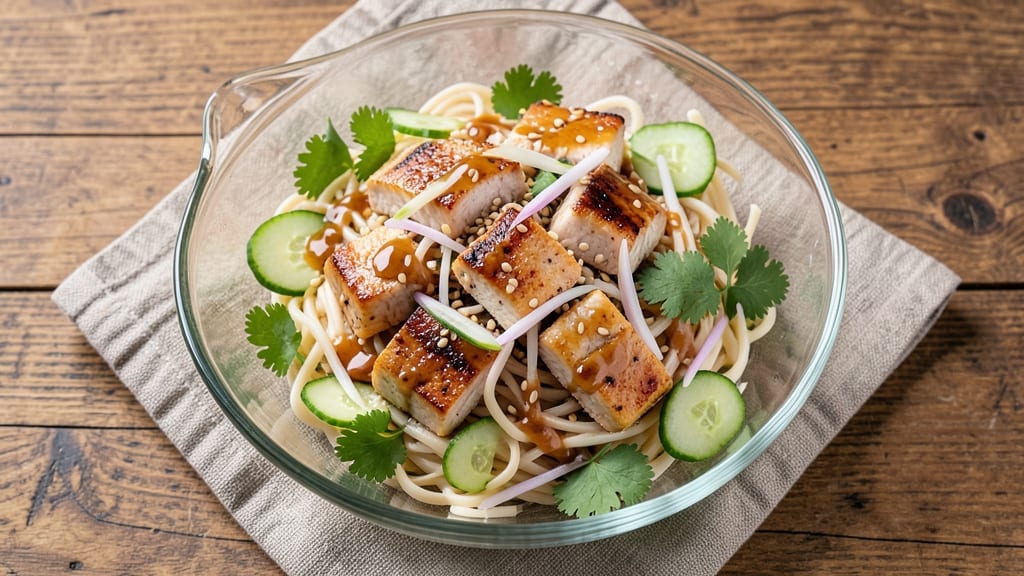
This Asian chicken pasta salad recipe transforms a simple lunch into a flavor-packed masterpiece with crispy sesame crunch and umami depth. The secret lies in wok-searing chicken for smoky texture and quick-pickling fresh veggies to cut through richness—techniques that elevate humble noodles into something restaurant-worthy.
I developed this dish after craving something hearty yet light, balancing protein, carbs, and fresh crunch without sacrificing bold Asian flavors.
The foundation starts with tender, crispy chicken cooked in a ginger-soy marinade, then finished in a hot wok for caramelized edges. Cold soba noodles absorb a tangy peanut-dressing while fresh herbs and quick-pickled carrots add bright contrast.
What makes this salad special is how each component plays off the other—crunchy toasted sesame, creamy peanut dressing, and juicy chicken create every bite satisfying yet refreshing.
What you'll end up with is a crispy-edged, umami-rich pasta salad that stays fresh for meal prep but tastes freshly made. The texture contrast—crisp chicken, tender noodles, and crunchy toppings—keeps it exciting, while the peanut-ginger dressing ties everything together with perfect balance.
This isn't just another pasta salad; it's a complete, protein-packed meal that delivers restaurant-quality flavors at home.
Perfect for lunches, potlucks, or weeknight dinners, this recipe scales beautifully while keeping prep simple. The techniques—wok-searing, quick-pickling, and cold-soaking—are approachable yet professional, ensuring foolproof results. Let's get started on creating your next go-to salad that impresses every time.
Ingredients for asian chicken pasta salad
Crispy chicken, nutty soba noodles, and tangy peanut dressing come together for this restaurant-style salad.
| Ingredient | Amount | Notes |
|---|---|---|
| Boneless Chicken Breast 🍗 | 1 ½ lb | Cut into 1-inch cubes |
| Soba Noodles 🍜 | 12 oz | Uncooked, buckwheat or 100% soba |
| Sesame Oil 🫒 | 1 tbsp | Toasted, for marinade |
| Low-Sodium Soy Sauce 🥫 | 3 tbsp | For marinade and dressing |
| Fresh Ginger 🌿 | 1 tbsp | Finely grated, peeled |
| Peanut Butter 🥜 | ½ cup | Creamy, unsweetened |
| Sesame Seeds 🌱 | ¼ cup | Toasted for crunch |
| Carrots 🥕 | 2 medium | Julienned for quick-pickling |
| Red Bell Pepper 🌶️ | 1 whole | Thinly sliced, seeds removed |
| Green Onions 🧅 | 4 whole | Thinly sliced, white and green parts |
| Fresh Cilantro 🌿 | ¼ cup | Chopped, stems removed |
| Rice Vinegar 🍶 | 2 tbsp | For quick-pickling |
| Honey 🍯 | 1 tbsp | For peanut dressing |
| Lime Juice 🍋 | 2 tbsp | Freshly squeezed |
| Vegetable Oil 🫒 | 2 tbsp | For wok-searing |
The chicken is where the magic happens—look for boneless breasts with good marbling at Whole Foods or your butcher's counter. Cut them into even 1-inch cubes so they cook uniformly. For the soba noodles, 100% buckwheat gives the best flavor, though regular soba works too. The sesame oil should smell nutty and toasty—avoid the cheap stuff that smells like paint thinner. Fresh ginger is non-negotiable here; the dried powder just doesn't cut it. I usually grab mine at Trader Joe's or the produce section of any good grocery store.
No sesame seeds? Toasted sunflower seeds work in a pinch for crunch. Short on peanut butter? Almond butter or cashew butter gives a different but still delicious flavor. For quick-pickling, rice vinegar and honey are key—don't skip the honey, it balances the acidity. The carrots and bell pepper can be swapped for julienned cucumber or zucchini if you prefer. Fresh cilantro is ideal, but dried won't work here—the salad needs that bright herbaceous note. If you're making this ahead, pickle the veggies last so they stay crisp.
This salad keeps beautifully for 3-4 days in the fridge, though the noodles get softer over time. The dressing separates naturally—just give it a quick stir before serving. For extra crunch, toast the sesame seeds in a dry pan for 2 minutes before adding them. Portion into containers with the dressing on the side if you're prepping for lunches—it keeps everything fresher longer. The chicken stays crispy for about 2 days if stored separately, so assemble just before eating for best texture.
Why You'll Love This Recipe
- No-Cook Prep Magic: I swear by the "cook chicken ahead" trick—just season and grill a batch on Sunday, then toss it cold into the salad later. The noodles cook in 5 minutes, and the dressing? Stir while the water boils. Honestly, I’ve made this while scrolling through my phone.
- Umami Bomb Combo: That sesame oil and soy sauce marriage? Chef’s kiss. The ginger adds a bright kick, but the real star is how the chicken stays juicy while the noodles soak up all the flavor—no soggy pasta here. It’s the kind of dish where every bite tastes like you put in effort (even though you didn’t).
- Lunchbox Game-Changer: Between us, this is my go-to for packed lunches or potlucks. The noodles hold up for days, and the dressing clings to the chicken like glue. I’ve taken it to work, picnics, and even my mom’s house—no one ever guesses it’s just soba and leftover chicken.
- Budget-Friendly Powerhouse: A single chicken breast stretches for two lunches, and soba noodles cost pennies. The fresh ginger might seem fancy, but a little goes a long way—plus, it freezes perfectly. My wallet thanks me every time I make this instead of takeout.
Step-by-step instructions for Asian chicken pasta salad
Here's how to create this umami-packed dish with perfect texture contrasts and bold flavors.
Marinate and Sear the Chicken
Cut the 1.5 lb boneless chicken breast into 1-inch cubes and place them in a bowl. In a small bowl, whisk together 1 tbsp toasted sesame oil, 3 tbsp low-sodium soy sauce, and 1 tbsp finely grated fresh ginger. Pour this marinade over the chicken and toss to coat evenly. Let it marinate for at least 20 minutes at room temperature—this ensures deep flavor penetration.
Heat 2 tbsp vegetable oil in a wok or large skillet over medium-high heat until shimmering. Add the marinated chicken in a single layer and let it sear undisturbed for 3-4 minutes until the bottoms develop a golden crust. Flip and sear the other side for another 3-4 minutes until the chicken reaches 165°F internally. Remove from heat and set aside—it should be juicy and slightly charred for maximum flavor.
Prepare the Peanut Dressing
In a small bowl, combine 0.5 cup creamy peanut butter, 1 tbsp honey, 2 tbsp lime juice, 2 tbsp rice vinegar, and 1 tbsp sesame oil. Whisk vigorously until completely smooth and creamy. The mixture should be thick but pourable—if it's too stiff, add 1-2 teaspoons of warm water to loosen it. This dressing is the heart of the dish, balancing rich peanut with bright acidity.
Taste and adjust seasoning with additional soy sauce if needed. The dressing should have a perfect balance of sweet, nutty, and tangy flavors. Cover and set aside while you prepare the remaining components—this ensures everything comes together quickly at the end.
Cook and Quick-Pickle the Vegetables
Cook the 12 oz soba noodles according to package instructions until al dente (usually 5-7 minutes in boiling water). Drain immediately and rinse under cold water to stop the cooking process. Toss the noodles with 1 tbsp sesame oil to prevent sticking and keep them separate.
For the quick-pickled vegetables, thinly slice 2 medium carrots and 1 whole red bell pepper. In a small bowl, combine the sliced vegetables with 2 tbsp rice vinegar and let them sit for 10 minutes while you finish cooking. This brief marinade adds a bright, tangy contrast to the rich peanut dressing and seared chicken.
Assemble and Toast the Sesame Seeds
In a large serving bowl, combine the cooked soba noodles, seared chicken, quick-pickled vegetables, and 4 whole green onions sliced thinly. Drizzle the peanut dressing over everything and toss gently but thoroughly to coat all components evenly. The noodles should be glossy with dressing while still maintaining their individual texture.
In a dry skillet over low heat, toast the 0.25 cup sesame seeds for 2-3 minutes until they turn a rich golden brown and release their nutty aroma. This crispy topping is essential for that promised crunch. Sprinkle the toasted sesame seeds and 0.25 cup chopped fresh cilantro over the salad just before serving to preserve their texture.
Serve Immediately for Perfect Texture
Garnish the salad with additional green onion slices and a final drizzle of peanut dressing if desired. Serve immediately while the noodles are still warm and the sesame seeds maintain their crispy texture. The contrast of warm chicken and noodles with cool pickled vegetables creates a satisfying balance in every bite.
This dish holds well for 2-3 hours in the refrigerator if you need to prepare ahead, but the sesame seeds will lose some crunch. For best results, assemble and serve fresh for that perfect crispy contrast we're after.
Pro Tips For Making Asian Chicken Pasta Salad
- SHRED CHICKEN DRY: Pat the chicken breasts bone-dry with paper towels before cooking—this guarantees a crispy sear instead of steamed blandness. I learned this the hard way after making soggy chicken that ruined the salad’s texture.
- COOK NOODLES AL DENTE: Pull soba noodles out one minute early than package instructions say, then shock them in ice water. They’ll hold up better in the salad and avoid turning mushy when mixed with dressing.
- GINGER GRATE FINE: Use a microplane for ginger—no peeling needed, and the fine texture blends seamlessly into the dressing. Coarse grates leave noticeable bits that distract from the smooth flavor.
- TOSS COLD NOODLES: Mix cold noodles and chicken with the dressing after they’ve cooled completely. Warm noodles absorb too much oil, making the salad greasy instead of light and balanced.
Troubleshooting perfect results
Chicken Too Dry
If your chicken turns out dry, it’s likely overcooked or not rested properly. Sear the chicken at medium-high heat for only 3-4 minutes per side—don’t rush it! Use a meat thermometer to check for 165°F internal temperature instead of guessing.
After cooking, let the chicken rest for 5 minutes before assembling the salad. This allows juices to redistribute, keeping it moist and flavorful. 💡
Noodles Too Soft
Overcooked soba noodles are a common issue, but it’s easy to fix. Cook them for just 1 minute less than the package suggests, then rinse immediately in cold water to stop the cooking process. Toss with 1 tbsp sesame oil while still warm to prevent sticking.
If they soften later, add a splash of cold water or ice cubes to the bowl before serving to refresh their texture. ✨
Dressing Too Thick
A thick peanut dressing can be a problem, but a quick fix is always at hand. If your dressing is too stiff after mixing, thin it with 1-2 teaspoons of warm water until it reaches a pourable consistency.
For extra creaminess, whisk in 1 teaspoon of honey or lime juice to balance the texture. If it separates later, give it a vigorous stir before drizzling over the salad. 🥜
Pickled Veggies Too Soft
Quick-pickled veggies can turn mushy if left too long in the vinegar. Slice your carrots and bell peppers just before assembling the salad and pickle them for only 10 minutes.
Drain them well before adding to the salad to remove excess liquid. For extra crunch, add them to the salad bowl last so they don’t get soggy from the dressing. 🥕
Sesame Seeds Not Crispy
Toasted sesame seeds lose their crunch if cooked too long or stored improperly. Toast them in a dry skillet over low heat for 2-3 minutes until golden brown, then immediately sprinkle over the salad.
Store any leftover seeds in an airtight container at room temperature for up to 1 week—they’ll stay crispy longer if kept away from moisture. 🌱
Flavor Too Mild
If your salad lacks depth, boost the umami with an extra ½ teaspoon of soy sauce in the marinade or dressing. Add a pinch of red pepper flakes or a dash of fish sauce for complexity.
Fresh herbs like cilantro or Thai basil can also brighten the dish. Taste as you go—adjust seasonings gradually to avoid overpowering the natural flavors. 🌶️
Nutrition facts
Frequently asked questions
Can I use regular pasta instead of soba noodles?
Yes, but the flavor will differ slightly. For a similar texture, use udon noodles or egg noodles. If you prefer traditional pasta, try angel hair pasta or linguine—they hold up well to the dressing. Just remember soba noodles have a natural nutty flavor that complements the Asian-inspired ingredients perfectly.
How can I make this salad ahead of time?
Prep all components separately and store them in airtight containers in the fridge for up to 2 days. Keep the chicken and noodles separate from the dressing and pickled veggies. When ready to serve, toss everything together and add fresh sesame seeds and cilantro just before eating. This keeps the textures crispy and prevents sogginess.
What if I don't have peanut butter?
No problem! Swap it for almond butter, cashew butter, or even a tahini-based dressing (mix tahini with lime juice and honey). For a nut-free option, use Greek yogurt or mayo thinned with soy sauce and lime. The key is maintaining that creamy, slightly tangy base to balance the other flavors.
Why does the recipe call for both sesame oil and toasted sesame seeds?
Sesame oil in the marinade and dressing adds depth and aroma, while toasted sesame seeds provide that essential crunchy texture. The oil infuses flavor during cooking, while the seeds add visual appeal and a satisfying bite. You can use white sesame seeds for a milder taste or black sesame seeds for a bolder, nuttier flavor.
Can I make this dish vegetarian?
Replace the chicken with crispy tofu (pressed and pan-fried) or grilled mushrooms for umami. For extra protein, add edamame or chickpeas. Keep the same cooking method for the noodles and dressing—just adjust the marinade to be soy-based or use a vegetarian alternative like coconut aminos.