
Sauces & Condiments
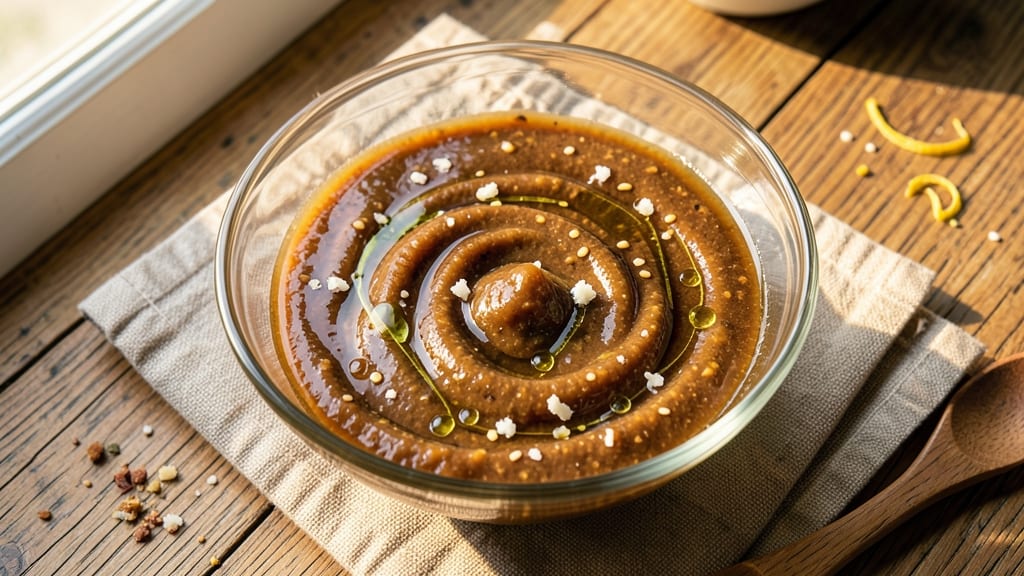
This Asian chicken salad dressing recipe captures Panera's signature anchovy-parmesan cream in a bold, savory-sweet blend that transforms ordinary salads into restaurant-worthy meals.
The magic lies in balancing umami-rich ingredients like anchovies and soy sauce with bright rice vinegar and honey, creating a dressing that clings beautifully to greens while adding depth to every bite.
I developed this version after years of recreating Panera's flavor profile at home—finally, the perfect balance of tangy, creamy, and slightly spicy notes.
The foundation of this dressing is a simple yet powerful combination of sesame oil, fresh garlic, and ginger—key aromatics that build the dressing's signature complexity. What sets this apart is the anchovy-parmesan cream base, which delivers that signature umami punch without overpowering the dish.
Unlike many store-bought versions, this recipe uses real ingredients and requires just minutes to prepare, making it ideal for both weeknight salads and holiday entertaining.
What you'll end up with is a velvety dressing that's rich enough to coat every ingredient while remaining light enough to enhance rather than overwhelm.
The texture is perfectly emulsified—no separation here—and the flavor profile delivers that perfect harmony of sweet, savory, and slightly tangy notes that make Panera's salad so beloved. This dressing works equally well on Asian-inspired salads, as a marinade for grilled chicken, or even as a dip for spring rolls.
Best of all, this dressing keeps beautifully in the refrigerator for up to a week, allowing you to make a big batch and enjoy it throughout the week. Whether you're recreating Panera's famous salad at home or simply elevating your favorite greens, this recipe delivers professional-quality results with minimal effort.
Let's get started on creating your own signature dressing.
Ingredients for asian chicken salad dressing panera
Twelve ingredients transform simple greens into Panera-worthy restaurant magic.
| Ingredient | Amount | Notes |
|---|---|---|
| Anchovy Fillets 🐟 | 2 tbsp | Packed in oil, finely chopped |
| Parmesan Cheese 🧀 | ½ cup | Freshly grated, finely shredded |
| Extra-Virgin Olive Oil 🫒 | ½ cup | Light, fruity variety preferred |
| Sesame Oil 🌿 | 1 tbsp | Toasted sesame flavor |
| Rice Vinegar 🍶 | ¼ cup | Seasoned preferred for depth |
| Honey 🍯 | 2 tbsp | Light amber for balance |
| Fresh Garlic Cloves 🧄 | 3 cloves | Minced, aromatic |
| Fresh Ginger Root 🌿 | 1 tbsp | Finely grated, zesty |
| Low-Sodium Soy Sauce 🥢 | 1 tbsp | For umami depth |
| Mayonnaise 🥣 | ¼ cup | High-quality, full-fat |
| Toasted Sesame Seeds 🌾 | 1 tsp | For garnish, optional |
| Diamond Crystal Kosher Salt 🧂 | ½ tsp | Fine grain for balance |
| Freshly Ground Black Pepper 🌶️ | ¼ tsp | Freshly cracked for heat |
Anchovies are the umami superstars here—Wild Planet or Red Boat brands are my go-to for clean, high-quality fillets. Grab a wedge of Parmigiano-Reggiano from the deli counter instead of pre-grated (it melts beautifully and tastes infinitely better). Sesame oil should be toasted—Kadoya or La Tourangelle are my favorites, but any reputable brand works. For the rice vinegar, seasoned variety adds that subtle sweetness that mimics Panera's dressing. Pro tip: if you can't find seasoned, just add a pinch of sugar to regular rice vinegar. The honey should be light amber—Manuka or clover work perfectly.
No anchovies? Two teaspoons of fish sauce mimics the umami punch, though it won't have that same creamy texture. Pre-grated Parmesan? Toast it in a dry pan for 2 minutes to deepen the flavor. Swapping mayo? Greek yogurt works in a pinch (use full-fat for best results), but it'll be slightly tangier. The sesame seeds are optional but add that signature crunch—Trader Joe's toasted sesame seeds are my secret weapon. For the ginger, fresh is non-negotiable—dried lacks that bright zing. If you're making a big batch, double the garlic and ginger for extra depth.
This dressing emulsifies beautifully but still needs a quick whisk before each use—30 seconds with a fork keeps it velvety. Store in a glass jar in the fridge for up to 7 days, though I always make extra because it disappears so fast. For leftovers, just give it a quick stir before using. Freezes beautifully too—portion into ice cube trays for perfect single-serving portions. The flavor actually improves after a day or two as everything melds together.
Why You'll Love This Recipe
- Five-Ingredient Magic: This dressing is the kind of recipe that makes me feel like a chef without the fuss. Just blend anchovies, Parmesan, olive oil, sesame oil, and rice vinegar—no peeling garlic, no chopping herbs, no stress. Honestly, I’ve made it while waiting for takeout to arrive.
- Umami Bomb: That first bite? It’s like a flavor explosion you didn’t know you needed. The anchovies bring this deep, salty punch, while the Parmesan adds a creamy richness that makes it taste way more luxurious than it is. Between us, it’s the kind of dressing that makes store-bought look sad.
- Salad Game-Changer: I use this on everything—chicken salad, pasta, even as a marinade for grilled shrimp. It’s the secret weapon that turns a basic meal into something special, whether I’m prepping lunches for the week or throwing together a quick dinner for guests. (Yes, even on a Tuesday night.)
- Budget-Friendly Luxury: A tiny jar of anchovies and a block of Parmesan stretch this recipe for weeks—I’ve made a batch that lasted me through three salads and two pasta nights. It’s one of those pantry staples that feels fancy but won’t break the bank. Plus, it’s cheaper than buying dressing at the store.
Step-by-step instructions for Panera's signature anchovy-Parmesan cream
This dressing is where the magic happens—bold, creamy, and perfectly balanced.
Create the Anchovy-Parmesan Base
In a small bowl, combine the 2 tbsp anchovy fillets with the 0.5 cup freshly grated Parmesan cheese. Use a fork to mash the anchovies into a paste, ensuring they dissolve completely into the cheese. This step develops the dressing's signature umami depth and rich, salty foundation. If the mixture seems too thick, add 1 tablespoon of rice vinegar to help emulsify it—this prevents separation later.
Here's the thing—anchovies might seem intimidating, but they dissolve almost instantly when mashed. I like to press the fork down firmly to break them into tiny pieces. The goal is a smooth, velvety texture that won't clump in the final dressing. Set this mixture aside while you prepare the remaining ingredients.
Blend the Aromatic Oil Mixture
In a separate small bowl, whisk together the 0.5 cup extra-virgin olive oil, 1 tbsp sesame oil, 2 tbsp honey, and 1 tbsp low-sodium soy sauce. This combination creates the dressing's signature sweet-savory balance. The olive oil provides a light, fruity base, while the sesame oil adds nutty depth. Stir vigorously for 30 seconds to fully incorporate all ingredients.
Next, add the 3 minced garlic cloves and 1 tbsp finely grated ginger root. Let the mixture sit for 5 minutes—this allows the garlic and ginger to infuse their aromatic oils into the oil. You'll notice the mixture becomes slightly cloudy as the flavors meld. This infusion step is crucial for developing that authentic Asian-inspired profile that makes this dressing so distinctive.
Combine Wet Ingredients for Creamy Texture
In a medium bowl, whisk together the 0.25 cup mayonnaise, 0.25 cup rice vinegar, 0.5 tsp Diamond Crystal kosher salt, and 0.25 tsp freshly ground black pepper. The mayonnaise forms the creamy base of this dressing, while the rice vinegar adds brightness. Whisk until completely smooth—this ensures your dressing will be silky rather than grainy.
Now, gradually add the anchovy-Parmesan mixture from Step 1, whisking constantly. The dressing should begin to thicken as you combine these elements. If it becomes too thick, add 1 teaspoon at a time of rice vinegar until you reach a pourable consistency. This dressing should coat the back of a spoon without being too heavy. The texture should be velvety and smooth, ready to cling beautifully to your salad ingredients.
Finish and Emulsify
Slowly drizzle in the oil mixture from Step 2 while whisking continuously. This is where the magic happens—the dressing should begin to thicken and emulsify as the oils bind with the wet ingredients. If the mixture breaks or separates, simply add 1 teaspoon of rice vinegar and whisk vigorously to restore the emulsion. The final consistency should be thick but pourable, with a glossy sheen that indicates proper emulsification.
Taste and adjust seasoning if needed. You might want to add a pinch more salt or a splash of rice vinegar to achieve the perfect balance of sweet, savory, and tangy flavors. The dressing should be rich but not overpowering, with a subtle umami kick from the anchovies. Once perfectly balanced, cover and refrigerate for at least 30 minutes to allow all the flavors to meld completely before serving.
Garnish and Serve
Before using, give the dressing a final whisk to ensure all ingredients are evenly distributed. Sprinkle with 1 tsp toasted sesame seeds just before serving to add a beautiful garnish and subtle nutty crunch. This dressing pairs perfectly with Asian-inspired chicken salads, adding that signature Panera touch that makes every bite unforgettable.
Real talk: this dressing keeps well in the refrigerator for up to 5 days, making it perfect for meal prep. Just give it a good stir before using, as it may thicken slightly over time. The flavors actually improve as they sit, developing even more depth and complexity. Store it in an airtight container to maintain its freshness and creamy texture.
Pro Tips For Making Asian Chicken Salad Dressing Panera
- SOAK ANCHOVIES FIRST: I learned this the hard way—dry anchovies straight from the jar taste like fishy cardboard. Drop them in warm water for 10 minutes before mincing, then drain well. The flavor blooms without overpowering, and you won’t get that metallic aftertaste that ruins the dressing’s balance.
- GRATE PARMESAN FRESH: Pre-shredded cheese sounds convenient, but it’s packed with anti-caking agents that turn your dressing into a clumpy mess. Use a microplane or fine grater—just 1 tablespoon—and do it right before mixing. The fresh cheese dissolves smoothly and adds real depth.
- TEMPER THE SESAME OIL: Sesame oil burns faster than you’d think. Warm it gently in a small saucepan over low heat (just until it shimmers) before adding it to the dressing. This prevents that bitter, burnt flavor that kills the delicate umami-sweet balance you’re going for.
- EMULSIFY LIKE A PRO: Whisk the olive oil in very slowly while the vinegar and other ingredients are still moving. If it breaks, add a splash of warm water or a pinch of mustard to rebind it. I’ve ruined this dressing twice by dumping oil too fast—don’t be impatient. A stable emulsion is the thing that matters most.
Common mistakes when making your asian chicken salad dressing panera
Over-Emulsifying
One common mistake is over-whisking the dressing, which can cause it to become too thick and break apart. I’ve found that 30 seconds of whisking for each step is plenty—any longer, and you risk creating a glue-like consistency.
The key is to whisk just until the ingredients combine smoothly, then let the dressing rest for 5 minutes between steps. This resting time allows the ingredients to naturally emulsify without needing aggressive whisking. 🥄
Skipping the Resting Time
Rushing the process by skipping the 5-minute infusion for garlic and ginger or the 30-minute chill time before serving can result in a dressing that lacks depth and balance. The garlic and ginger need time to release their aromatic oils, while the chill time lets flavors meld.
I’ve made this mistake early on—my first batch tasted flat until I realized the importance of patience. Trust me, those extra minutes make all the difference.
Using Low-Quality Ingredients
Substituting lower-quality ingredients—like pre-shredded Parmesan or regular rice vinegar—can ruin the dressing’s signature flavor. Pre-shredded cheese contains anti-caking agents that prevent proper emulsification, while unseasoned rice vinegar lacks the subtle sweetness that balances the umami.
I always use freshly grated Parmigiano-Reggiano and seasoned rice vinegar—it’s worth the extra effort for that authentic Panera taste. 🧀
Ignoring the Anchovy Texture
Not mashing the anchovies into a smooth paste can lead to grainy bits in your dressing. Anchovies should dissolve completely into the Parmesan—if they don’t, the texture will be uneven. I like to press the fork down firmly and mix for about 1 minute to ensure a silky consistency.
If you’re new to anchovies, start with a smaller amount (1 tbsp) to test your comfort level before committing to the full recipe.
Separation After Mixing
If the dressing separates after blending, it’s usually because the oil wasn’t incorporated slowly enough. The fix is simple: whisk in the oil mixture drop by drop while continuously whisking the wet ingredients.
If separation still occurs, add 1 tsp rice vinegar and whisk vigorously to restore the emulsion. I’ve had this happen a few times—don’t panic, just troubleshoot with a little extra vinegar and patience.
Over-Salting or Over-Sweetening
Taste as you go! Adding too much salt or honey can throw off the delicate balance of flavors. Start with the full amounts listed, then adjust in ¼ tsp increments if needed.
The dressing should be rich but not overwhelming—think of it as a harmony of sweet, savory, and tangy notes. I’ve ruined a batch or two by overdoing the honey, so always taste before finalizing the recipe. 🍯
Nutrition facts
Frequently asked questions
Can I make this dressing without anchovies?
Yes! For a vegetarian version, replace the anchovies with 2 teaspoons of fish sauce or 1 tablespoon of soy sauce plus 1 teaspoon of miso paste to maintain umami depth. The texture will be slightly less rich, but the flavor remains balanced. For a vegan option, use 1 tablespoon of nutritional yeast instead of Parmesan and increase the soy sauce to 2 tablespoons.
How long does this dressing keep in the fridge?
This dressing stays fresh for up to 5-7 days when stored in an airtight container. The flavors actually improve as they meld, so it's perfect for meal prep. For longer storage, portion into ice cube trays, freeze, and transfer to a freezer bag—this way you can thaw just what you need.
What can I use this dressing for besides salads?
This versatile dressing works beautifully as a marinade for grilled chicken or tofu (marinate for 30-60 minutes before cooking), a dip for spring rolls or edamame, or even a glaze for roasted vegetables. The creamy texture makes it perfect for drizzling over ramen or pho too—just thin it slightly with water if needed.
Why did my dressing separate?
Separation usually happens when the oil isn't incorporated slowly enough. To fix it, whisk in the oil mixture drop by drop while continuously whisking the wet ingredients. If it still separates, add 1 teaspoon of rice vinegar and whisk vigorously to restore the emulsion. For prevention, whisk just until combined (about 30 seconds) rather than over-mixing.
Is this dressing gluten-free?
As written, this recipe contains soy sauce which typically contains gluten. For a gluten-free version, use tamari or coconut aminos instead of soy sauce. Also verify that your sesame oil and honey are certified gluten-free. The rest of the ingredients are naturally gluten-free, so this simple swap makes the entire dressing safe for gluten-sensitive diets.