
Sauces & Condiments
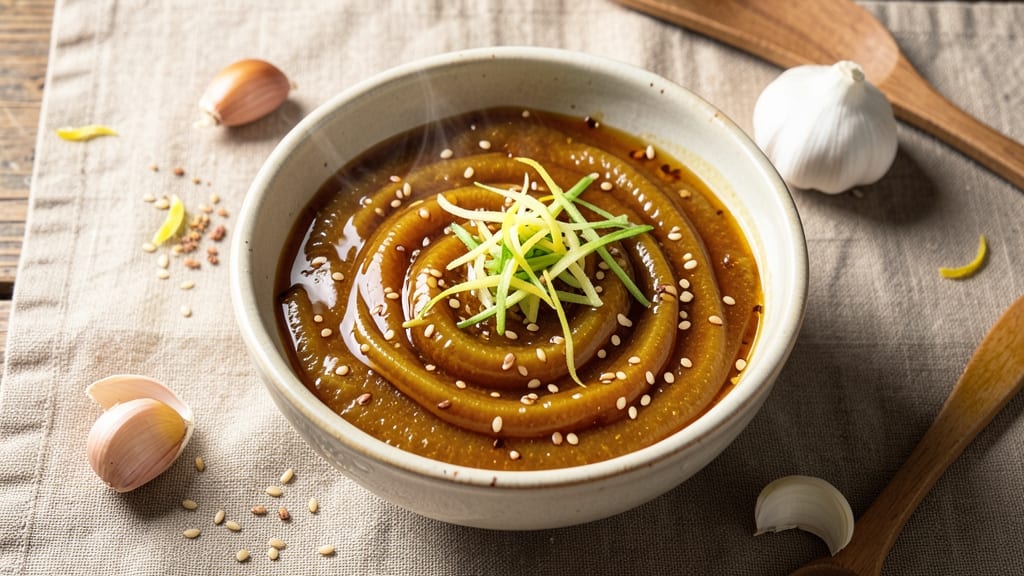
This Asian-inspired salad dressing recipe transforms simple ingredients into a complex, umami-rich sauce that elevates any dish. The perfect balance of sweet, spicy, and tangy flavors comes together in just minutes, using pantry staples like soy sauce, sesame oil, and rice vinegar.
I developed this recipe after years of experimenting with Asian cuisine, and it consistently delivers restaurant-quality results at home.
The secret lies in the emulsification technique, which ensures the dressing stays smooth and clings to greens, noodles, or grain bowls. Fresh ginger and garlic add depth, while a touch of honey or agave balances the acidity.
This versatile dressing works equally well on crisp cabbage slaws, warm ramen, or even as a marinade for proteins. The flavor profile is bold yet harmonious, making it a staple in my kitchen.
What sets this dressing apart is its ability to enhance rather than overpower your ingredients. The umami notes from soy sauce and sesame oil create a savory foundation, while the vinegar and honey add brightness and sweetness.
It’s a game-changer for anyone looking to add authentic Asian flavors to their meals without the fuss. The best part? It keeps well in the fridge for up to two weeks, so you can make a batch and use it all season.
Whether you're dressing a fresh green salad, drizzling over steamed vegetables, or tossing with cold noodles, this recipe delivers consistent, restaurant-worthy results. The simplicity of the ingredients belies the depth of flavor, making it accessible for beginners while offering enough complexity to impress seasoned cooks. Let’s get started!
Ingredients for asian inspired salad dressing
Pantry staples meet authentic Asian flavors in this umami-packed dressing.
| Ingredient | Amount | Notes |
|---|---|---|
| Rice Vinegar 🍶 | ½ cup | White or seasoned variety |
| Sesame Oil 🫒 | ¼ cup | Toasted for authentic flavor |
| Soy Sauce 🍶 | ¼ cup | Low-sodium preferred |
| Fresh Ginger 🌿 | 1 tbsp | Finely grated, vibrant color |
| Garlic Cloves 🧄 | 3 cloves | Minced for smooth texture |
| Honey 🍯 | 2 tbsp | Substitute agave for vegan |
| Sesame Seeds 🌰 | 1 tbsp | Toasted for garnish |
| Red Pepper Flakes 🌶️ | ½ tsp | Adjust for spice preference |
| Sesame Paste 🥜 | 1 tbsp | For extra umami depth |
| Olive Oil 🫒 | ¼ cup | Light variety preferred |
The sesame oil and soy sauce form the dressing's savory backbone. Kikkoman soy sauce is my go-to for that classic umami punch, but any quality brand works. For sesame oil, La Choy or Kadoya deliver that toasted aroma—avoid the cheaper, flavorless versions. Fresh ginger and garlic are non-negotiable here; organic ginger from the produce section at Whole Foods or Trader Joe's has the best zing. Look for ginger with tight, smooth skin and no soft spots. Garlic should be firm with no green shoots sprouting. The sesame paste adds depth without overpowering—Kadoya makes a great one, or you can toast whole sesame seeds and blend them with oil for a homemade version.
No sesame oil? Avocado oil at half the amount works in a pinch, though it lacks that nutty aroma. Running out of sesame paste? Blend toasted sesame seeds with a splash of water for a quick substitute. For a vegan version, swap honey for agave nectar or maple syrup. The red pepper flakes can be omitted entirely if you prefer no heat, or increase to 1 tsp for a spicier kick. If you're making this for a crowd, double the batch—just remember the emulsification step (more on that in the instructions) becomes even more critical with larger quantities. The olive oil helps balance acidity and keeps the dressing from separating too quickly.
This dressing keeps beautifully in an airtight jar in the fridge for up to 2 weeks. Give it a good shake before each use—it naturally separates slightly. For longer storage, freeze in ice cube trays, then transfer to a bag. Each cube makes about 1 tbsp, perfect for single servings. The flavor actually improves after the first day as the ingredients meld. I like to make a big batch on Sundays so I always have it on hand for quick meals. If you're using it as a marinade, let proteins sit for at least 30 minutes before cooking for maximum flavor penetration.
Why You'll Love This Recipe
- No Chopping Needed: The only prep is mincing garlic and grating ginger—both take less than 2 minutes. Honestly, I’ve made this while waiting for water to boil for noodles. The rice vinegar and sesame oil do all the heavy lifting.
- Umami Bomb: That first splash of soy sauce and sesame oil? Instant flavor explosion. Between us, the garlic and ginger add a warmth that lingers—like a little hug for your taste buds.
- Dresses Everything: I use this on greens, noodles, even grilled chicken. It’s my secret weapon for turning boring leftovers into something exciting. (Yes, even on a Tuesday night.)
- Lasts All Week: A small jar keeps for days in the fridge, and it only costs pennies per serving. I’ll be real: I’ve stretched one batch for five lunches without it tasting flat. Budget-friendly and lazy-friendly? Perfect.
Step-by-step instructions for Asian-inspired salad dressing
This dressing delivers bold Asian flavors with perfect balance every time.
Toast the Sesame Seeds
Heat a dry skillet over medium-low heat. Add the 1 tablespoon sesame seeds and toast for 2-3 minutes until they turn a rich golden brown color and release their nutty aroma. Watch carefully—they'll darken quickly once they start to brown.
Remove the seeds immediately when fragrant and set aside to cool. These toasted seeds will add both texture and depth to your dressing. If you prefer a milder flavor, reduce toasting time slightly, but don't skip this step entirely—it's what makes this dressing truly authentic.
Prepare Aromatics and Base Ingredients
In a small bowl, finely grate the 1 tablespoon fresh ginger using a microplane or fine grater. Peel and mince the 3 cloves garlic cloves into tiny pieces—you want them nearly paste-like for smooth texture. Set both aside.
In a measuring cup, combine the 0.5 cup rice vinegar, 0.25 cup soy sauce, and 2 tablespoons honey. Stir well to dissolve the honey completely. This base creates the perfect balance of tangy, salty, and sweet flavors that form the foundation of your dressing.
Blend the Dressing Components
In a blender or food processor, combine the ginger, garlic, 1 tablespoon sesame paste, and 0.5 teaspoon red pepper flakes. Pulse until completely smooth, scraping down the sides as needed. This creates a flavorful paste that will distribute evenly throughout your dressing.
With the blender running on low speed, slowly drizzle in the 0.25 cup olive oil and 0.25 cup sesame oil. This gradual addition prevents the oils from splattering while ensuring perfect emulsification. Blend until completely smooth, about 30-45 seconds, until the dressing reaches a velvety consistency.
Incorporate the Toasted Seeds
Transfer the blended dressing to a bowl and gently stir in the toasted sesame seeds. These seeds add both visual appeal and a delightful crunch when tossed with salads. For an even more authentic touch, you can lightly toast the seeds again right before serving to maximize their aroma.
Taste and adjust seasoning if needed. If the dressing is too tangy, add a touch more honey. If it needs more depth, stir in an extra teaspoon of soy sauce. The perfect dressing should coat the back of a spoon with a balance of sweet, spicy, and umami flavors that complement any salad.
Rest and Use
Let the dressing rest at room temperature for 10-15 minutes before using. This allows the flavors to meld together completely. The dressing will thicken slightly as it sits—if it becomes too thick, simply whisk in 1-2 teaspoons of warm water to reach your desired consistency.
Use immediately on mixed greens, Asian-inspired salads, or as a marinade for grilled proteins. The dressing keeps well in the refrigerator for up to 1 week, though I recommend making a fresh batch whenever possible to enjoy the peak flavor. For extra richness, drizzle just before serving to maintain the perfect texture.
Pro Tips For Making Asian Inspired Salad Dressing
- STEAM THE GINGER: Toss your ginger slices into boiling water for 30 seconds before grating—it softens the fibers so they blend smoother and don’t turn your dressing into a gritty mess. I used to just grate raw, and half the time it looked like I’d mixed in sand.
- MINCE THAT GARLIC: Don’t chop, mince your garlic—tiny pieces dissolve better and add depth without clumps. A sharp knife and a rocking motion work faster than you’d think, and trust me, you’ll taste the difference when the dressing is silky.
- WHISK IN STAGES: Start with vinegar and soy sauce, then drizzle in sesame oil while whisking constantly—adding it all at once risks separating. This isn’t rocket science, but it keeps your dressing from turning into a greasy sludge.
- USE TOASTED SESAME OIL: Swap regular sesame oil for toasted—it’s worth the extra 2 minutes in a dry pan. The nutty aroma cuts through the vinegar’s sharpness and makes the dressing taste like it came from a dim-sum cart, not a jar.
Health benefits of these flavors
Digestive Harmony
This dressing's combination of ginger and rice vinegar promotes digestive health by stimulating stomach acid production and reducing bloating. Fresh ginger contains gingerol, a compound that aids digestion and may help alleviate nausea.
The probiotic-friendly properties of fermented rice vinegar also support gut health, making this dressing a great addition to fiber-rich salads like cabbage or seaweed-based bowls. 🌿
Antioxidant Powerhouse
The sesame oil and seeds in this dressing are packed with antioxidants like sesamin and sesamol, which combat oxidative stress in your body. Sesame seeds also provide calcium, magnesium, and iron, making this a nutrient-dense condiment beyond just flavor.
A single tablespoon of toasted sesame seeds delivers about 10% of your daily iron needs—perfect for plant-based diets. The red pepper flakes add capsaicin, which may boost metabolism slightly.
Balanced Blood Sugar
While this dressing contains natural sugars from honey, the fiber from vinegar and umami from soy sauce help moderate blood sugar spikes. Studies show that vinegar can improve insulin sensitivity, making this dressing a smart choice for those monitoring blood sugar levels.
The low glycemic index of sesame oil further supports stable glucose levels. For a lower-sugar option, reduce honey to 1 tablespoon and increase ginger slightly for balance.
Heart Health Support
The soy sauce and sesame oil combination provides heart-healthy fats and plant-based proteins that support cardiovascular function. Sesame oil contains polyunsaturated fats, which help lower LDL cholesterol when replacing saturated fats.
The garlic in this dressing contains allicin, a compound that may help reduce blood pressure. For maximum benefits, use low-sodium soy sauce and opt for toasted sesame oil over refined versions.
Anti-Inflammatory Benefits
Both ginger and garlic are well-known for their anti-inflammatory properties, making this dressing excellent for reducing joint discomfort or muscle soreness. Ginger's curcumin-like compounds help decrease inflammation markers in the body, while garlic's organosulfur compounds may lower inflammation-related chronic disease risk.
The sesame seeds add selenium, another powerful anti-inflammatory mineral. This makes the dressing particularly beneficial when paired with anti-inflammatory foods like turmeric or leafy greens.
Nutrition facts
Frequently asked questions
Can I make this dressing without sesame oil?
Yes, but the flavor will be less authentic. Use avocado oil or light olive oil at half the amount (about 1/8 cup) to mimic the texture, though you'll miss the nutty aroma. For a closer substitute, toast 1 tbsp sesame seeds and blend with 1 tbsp water to make a quick paste—add this to your dressing instead.
How do I prevent the dressing from separating?
Emulsification is key! Always blend the oils slowly while running the blender on low speed. For extra stability, add 1 tsp cornstarch or arrowroot powder mixed with 1 tsp water to the base ingredients before blending. If separation happens, whisk vigorously or blend again with a splash of warm water.
What salads pair best with this dressing?
This dressing shines on Asian-inspired greens like shredded cabbage, bok choy, or napa cabbage. It also works beautifully with soba noodles, rice bowls, or grilled proteins like chicken or tofu. For extra texture, toss in toasted nuts or edamame—the umami flavors complement perfectly.
Can I adjust the spice level?
For milder heat, reduce red pepper flakes to 1/4 tsp or omit entirely. For extra kick, increase to 1 tsp or add 1/2 tsp chili paste. If you love fresh heat, stir in 1 tsp finely chopped Thai chili or a dash of sriracha after blending.
How does this dressing differ from peanut sauce?
This dressing is lighter and more versatile than peanut sauce. While peanut sauce uses peanut butter and coconut milk for richness, this recipe relies on sesame oil and vinegar for brightness. It's better for salads and lighter dishes, whereas peanut sauce is ideal for satay or dipping. Both deliver umami, but this version has a tangier profile.