
Sauces & Condiments
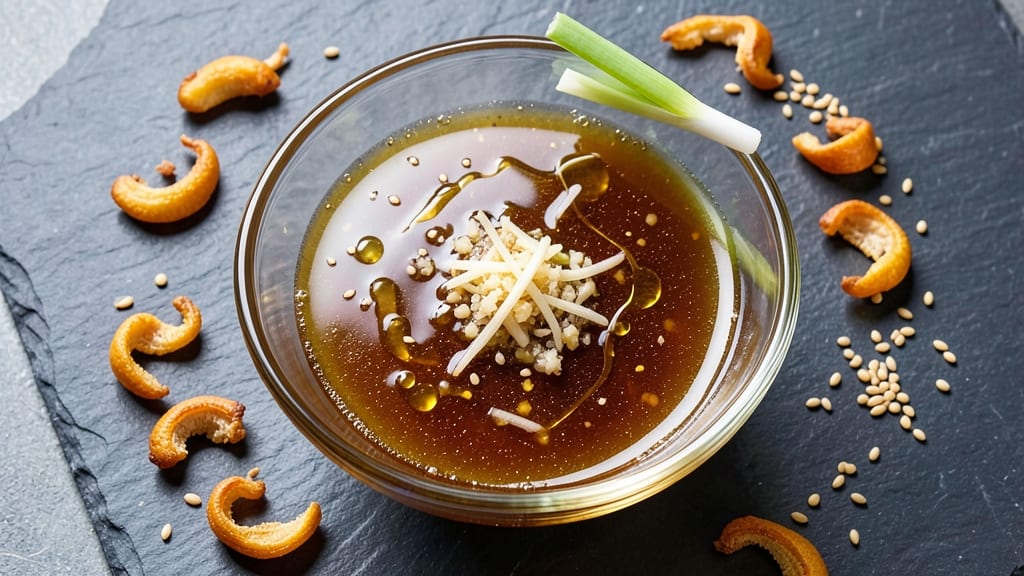
This Asian noodle salad dressing recipe transforms simple salads into vibrant, restaurant-quality meals with just a few pantry staples. The secret lies in balancing sweet, spicy, tangy, and umami flavors—creating a dressing that clings to noodles and vegetables while adding depth to every bite.
I developed this recipe after realizing store-bought versions lacked the complexity of homemade, so I simplified the process without sacrificing flavor.
The foundation is built on soy sauce for umami, rice vinegar for tang, and a touch of honey or sugar to balance the acidity. Sesame oil adds nutty richness, while fresh ginger and garlic bring warmth and aroma.
Optional chili paste or sriracha introduces heat, but you can adjust to taste. What makes this dressing special is its versatility—it works with cold or warm noodles, fresh veggies, or even grilled proteins.
What you’ll end up with is a glossy, aromatic dressing that’s easy to make in 5 minutes and keeps for up to a week in the fridge. The flavors meld beautifully as you mix, creating a harmonious blend that elevates any Asian-inspired dish.
Whether you’re prepping for meal prep or a quick weeknight dinner, this dressing is a game-changer for adding authentic flavor without the fuss.
Best of all, it’s customizable—swap in fish sauce for extra umami, add lime juice for brightness, or thin with water if needed. The key is tasting as you go, ensuring each element—sweet, savory, tangy, and spicy—works together in perfect balance.
Let’s make this dressing and take your noodle salads to the next level.
Ingredients for asian noodle salad dressing
Pantry staples meet fresh flavors in this umami-packed dressing that elevates noodle salads instantly.
| Ingredient | Amount | Notes |
|---|---|---|
| Rice Vinegar 🍶 | ½ cup | White or seasoned variety |
| Low-Sodium Soy Sauce 🍜 | ⅓ cup | Kikkoman preferred |
| Toasted Sesame Oil 🫒 | 1 ½ tbsp | Not regular sesame oil |
| Honey 🍯 | 2 tbsp | Or light brown sugar |
| Fresh Ginger 🧄 | 1 ½ tbsp | Finely grated, peeled |
| Garlic Cloves 🧄 | 2 cloves | Minced or pressed |
| Toasted Sesame Seeds 🥜 | 1 tbsp | For garnish, optional |
| Red Chili Paste 🌶️ | 1 tbsp | Or sriracha to taste |
| Sesame Seeds 🥜 | 1 tsp | For texture, optional |
| Water 💧 | ¼ cup | To thin if needed |
The soy sauce and rice vinegar are your flavor anchors—Kikkoman soy sauce has that perfect umami kick, while rice vinegar keeps it bright. Grab the white vinegar if you're avoiding seasoned versions. Fresh ginger and garlic make all the difference (the good stuff, not the jarred kind). For ginger, peel the knob first—easier to grate and less mess. If you're short on time, jarred minced garlic works, but fresh tastes better. Toast your sesame seeds in a dry pan for 30 seconds—they'll smell amazing and add crunch to every bite.
No sesame oil? Toasted peanut oil works in a pinch, but it'll taste different. Short on honey? Light brown sugar dissolved in 1 tbsp water mimics the sweetness. The chili paste can be swapped for sriracha or even a dash of cayenne, but taste as you go—this is where you control the heat. Need to thin it? Start with 1 tbsp water at a time. The dressing should coat the back of a spoon but still be pourable. If you're making this for a crowd, double the batch—it keeps perfectly for 1 week in the fridge.
This dressing is your secret weapon for meal prep. Store it in a glass jar with a tight lid—the flavors meld beautifully overnight. If you're using sesame seeds for garnish, toast them fresh right before serving. The dressing tastes even better the next day, so make extra. Freezes for 3 months if you're planning ahead. Just give it a quick stir before using—sometimes it thickens slightly after refrigeration, so a splash of water or vinegar brings it back to perfection.
Why You'll Love This Recipe
- Pantry Magic: This dressing comes together with ingredients you’re already keeping on hand—no specialty shopping required. Honestly, I’ve made it a dozen times using whatever I had, and it never disappoints. That toasted sesame oil alone? Pure flavor gold for almost nothing.
- Umami Bomb: The low-sodium soy sauce and ginger hit like a flavor tsunami—bright, salty, and just a little spicy in the best way. Between us, the honey rounds out the sharpness so it’s never overpowering, just ridiculously balanced. Drizzle it on anything, and suddenly everything tastes like a takeout menu.
- Meal Prep MVP: I make a big batch every Sunday because it stays fresh for days in the fridge. Toss it with cold soba noodles for lunch, drizzle it over grilled chicken, or even use it as a marinade—it’s that versatile. (Yes, even on a Tuesday night when you’re exhausted.)
- Budget Stretch: This recipe costs me less than $3 for enough dressing to dress three salads or two bowls of noodles. The rice vinegar and ginger are the priciest parts, but they go a long way. I’ll be real: it’s my go-to when I’m trying to make my grocery money last longer without sacrificing taste.
Step-by-step instructions for Asian noodle salad dressing
This dressing comes together in minutes with bold flavors you'll want to drizzle everywhere.
Grate and Mince the Aromatics
Start by peeling and finely grating the 1.5 tablespoons of fresh ginger using a microplane or fine grater. The zest should be smooth with no visible strings—this ensures the ginger blends seamlessly into the dressing. In a small bowl, mince the 2 cloves garlic into a paste using the flat side of your knife. You want it finely chopped but not pulverized—just small enough to dissolve completely.
I like to use a mortar and pestle for the garlic if I have one, as it creates a smoother texture. If you're using a knife, chop the garlic first, then press it against the side of the bowl with the back of your knife to create a paste. This prep work might seem tedious, but it makes a world of difference in the final flavor—no gritty bits in your dressing!
Whisk Together the Wet Ingredients
In a medium bowl, combine the 0.5 cup rice vinegar, 0.33 cup low-sodium soy sauce, 2 tablespoons honey, and the grated ginger and garlic paste. Use a whisk to blend everything thoroughly for about 30 seconds, until the honey dissolves completely and the mixture looks smooth. The vinegar and soy sauce will create a light sheen on the surface—this is normal and indicates proper emulsification.
This is where the base flavors come together. Taste the mixture now—it should be tangy from the vinegar, salty from the soy sauce, and sweet from the honey. If it's too strong, don't worry; we'll balance it in the next step. The ginger and garlic will infuse their flavors as we proceed, so don't be concerned if you can't taste them distinctly yet.
Incorporate the Oils and Spices
Add the 1.5 tablespoons toasted sesame oil and 1 tablespoon red chili paste to the bowl. Whisk vigorously for another 30 seconds until everything is fully combined. The sesame oil will add a nutty depth, while the chili paste introduces that signature spicy kick. You'll notice the mixture darken slightly and develop a rich, aromatic smell—this is exactly what you want.
Here's the thing—don't skip the whisking. The toasted sesame oil is lighter than the other ingredients, so you need to work it in thoroughly. If you're worried about the dressing separating later, add 1 tablespoon of the 0.25 cup water now and whisk again. The water helps create a stable emulsion that won't break when you add it to your salad.
Adjust Consistency and Taste
Taste the dressing again and adjust the balance as needed. If it's too tangy, add another ½ tablespoon honey or a pinch of sugar. If it needs more heat, add another ½ teaspoon red chili paste. For extra depth, stir in the 1 tablespoon toasted sesame seeds and 1 teaspoon sesame seeds—these add texture and visual appeal. If the dressing is too thick, gradually add the remaining 0.15 cup water (about 2 tablespoons) until it reaches a pourable consistency.
The perfect dressing should coat the back of a spoon but still flow freely. It should taste complex—sweet from the honey, tangy from the vinegar, umami from the soy sauce, and with a subtle heat from the chili. If you're serving this with cold noodles, you might want it slightly thinner so it clings better. For warm noodles, a thicker consistency works well.
Let It Rest and Garnish
Transfer the dressing to a clean jar or airtight container and let it sit at room temperature for 10-15 minutes. This resting period allows all the flavors to meld together beautifully. Give it one final taste before serving—you'll notice how much more cohesive and balanced it tastes after just a short rest.
For garnish, sprinkle with additional toasted sesame seeds and a few thinly sliced red chili rings if you like. The seeds add a delightful crunch and visual contrast to the smooth dressing. Store any leftovers in the refrigerator for up to 5 days, shaking well before each use. This dressing is incredibly versatile—drizzle it over cold soba noodles, rice bowls, or even grilled meats for an instant flavor boost!
Pro Tips For Making Asian Noodle Salad Dressing
- GRATE THE GINGER FINE: I learned this the hard way—chunky ginger bits make the dressing taste like you threw in a handful of coins. Use a microplane or the smallest holes on a box grater, then press the pulp through a fine-mesh sieve to catch any stray fibers. This isn’t just about texture; it’s about letting the ginger’s heat and brightness dissolve evenly into the vinegar.
- WHISK IN STAGES: Dump everything in the bowl at once and you’ll end up with a clumpy mess. Start with the rice vinegar and honey—whisk until fully combined, then add the soy sauce. Finally, drizzle in the sesame oil last and whisk just until streaks disappear. The oil’s rich flavor needs to stay separate until the very end, or the dressing turns into a greasy sludge.
- SALT THE GINGER FIRST: Toss the grated ginger with a pinch of salt (about ¼ teaspoon) and let it sit for 5 minutes before mixing into the dressing. This draws out moisture and mellows the sharp edge, so the ginger’s flavor integrates smoothly instead of fighting with the vinegar’s acidity. Yes, it’s an extra step, but the dressing tastes balanced—like it was made by someone who actually likes it.
- CHILL BEFORE SERVING: Taste it right after mixing and you’ll want to add more soy sauce or honey—your instincts are lying to you. Let the dressing sit in the fridge for at least 20 minutes (or up to 2 hours). The flavors meld, the honey softens, and the acidity mellows. This is the moment the dressing goes from "decent" to "I’d eat this with nothing but rice." (Your future self will thank you.)
Troubleshooting perfect results
Dressing Too Thin?
If your dressing feels too watery after mixing, don't panic! The fix is simple: simmer it gently. Pour the dressing into a small saucepan and heat over low heat for 3-5 minutes, stirring constantly. The water content will evaporate, thickening the mixture naturally.
For an instant fix, mix in 1 teaspoon cornstarch with 1 tablespoon cold water, then stir vigorously until thickened. This trick works wonders without altering the flavor profile. 💫
Separation Issues?
Oil and vinegar separation is common with homemade dressings, but a quick whisk or shake usually fixes it. If separation persists, add 1 teaspoon xanthan gum or 1 tablespoon water and whisk vigorously for 30 seconds.
For extra insurance, blend the dressing for 10 seconds with an immersion blender—this breaks up any oil pockets. Store-bought mustard or mayo (just ½ teaspoon) can also act as natural emulsifiers in a pinch.
Not Spicy Enough?
Want more heat? Fresh red chili peppers are your best friend. Mince ½ teaspoon fresh red chili flakes or finely chop 1 small Thai chili and stir it in. For a smoky kick, add ¼ teaspoon smoked paprika.
If you prefer liquid heat, drizzle in ½ teaspoon gochujang (Korean chili paste) and whisk well. Taste as you go—start small, as chili flavors intensify when mixed with other ingredients. 🌶️
Too Sweet or Tangy?
Balance is key! If the honey overpowers, add 1 teaspoon rice vinegar or a splash of lime juice to cut the sweetness. For extra tang, stir in ½ teaspoon lemon zest. If the vinegar dominates, add ½ teaspoon honey or sugar to mellow the acidity.
Trust your taste buds—small adjustments make all the difference in achieving harmony. The goal is a dressing where no single flavor stands out too much.
Grainy Texture?
Gritty bits usually mean your ginger or garlic wasn't finely enough minced. For next time, use a food processor or microplane for the ginger, and press the garlic through a garlic press instead of chopping.
If you're already mid-recipe, strain the dressing through a fine-mesh sieve to remove any unwanted texture. For a smoother finish, blend the dressing again for 5-10 seconds—this works wonders for achieving a silky consistency. 💡
Storage Problems?
If your dressing separates after refrigeration, give it a good shake before using. For long-term storage, transfer it to a glass jar with a tight lid—plastic can absorb flavors over time.
If the dressing thickens too much in the fridge, thin it with 1-2 teaspoons warm water and whisk until smooth. Pro tip: Store any unused sesame seeds separately in an airtight container to keep them fresh for garnishing.
The dressing itself keeps for up to 1 week in the fridge, but the seeds stay crispy for 2 weeks if stored properly.
Nutrition facts
Frequently asked questions
Can I make this dressing without sesame oil?
Yes! If you don't have sesame oil, try toasted peanut oil (1.5 tbsp) for a similar nutty depth. For a lighter option, use avocado oil (1 tbsp) or even a neutral oil like vegetable oil, but you'll lose some of the authentic Asian flavor. The key is balancing the other ingredients—add an extra ½ teaspoon toasted sesame seeds to compensate for the missing oil aroma.
How do I adjust this dressing for spicier Asian flavors?
For extra heat, swap the chili paste for gochujang (Korean chili paste) or add 1 teaspoon sambal oelek. For smoky depth, stir in ¼ teaspoon smoked paprika. If you love fresh heat, finely mince 1 small Thai chili or add ½ teaspoon red pepper flakes. Always taste as you go—chili flavors intensify when mixed with other ingredients, so start conservatively.
Can I use this dressing on non-noodle dishes?
This versatile dressing works beautifully on grilled chicken or tofu, rice bowls, or even as a marinade for salmon or shrimp. For heartier dishes, reduce the water slightly to create a thicker glaze. It also pairs well with steamed veggies or as a dipping sauce for spring rolls. The key is balancing the flavors with your main protein or veggie.
Why does my dressing separate after refrigeration?
Separation happens when oils and vinegar naturally separate in cold temperatures. Fix it by whisking or shaking vigorously before using. For prevention, blend the dressing for 10 seconds with an immersion blender or add ½ teaspoon xanthan gum when mixing. Store it in a glass jar (not plastic) to maintain stability. If it thickens too much, thin with 1 teaspoon warm water and whisk until smooth.
What's the best way to store leftover dressing?
Transfer to a clean glass jar with a tight lid and refrigerate for up to 1 week. The flavors actually improve overnight as they meld! If storing longer, freeze for 3 months in ice cube trays (thaw and shake before use). Keep sesame seeds separate in an airtight container to maintain crispness. Always shake well before using—refrigeration can cause slight separation.