
Salads
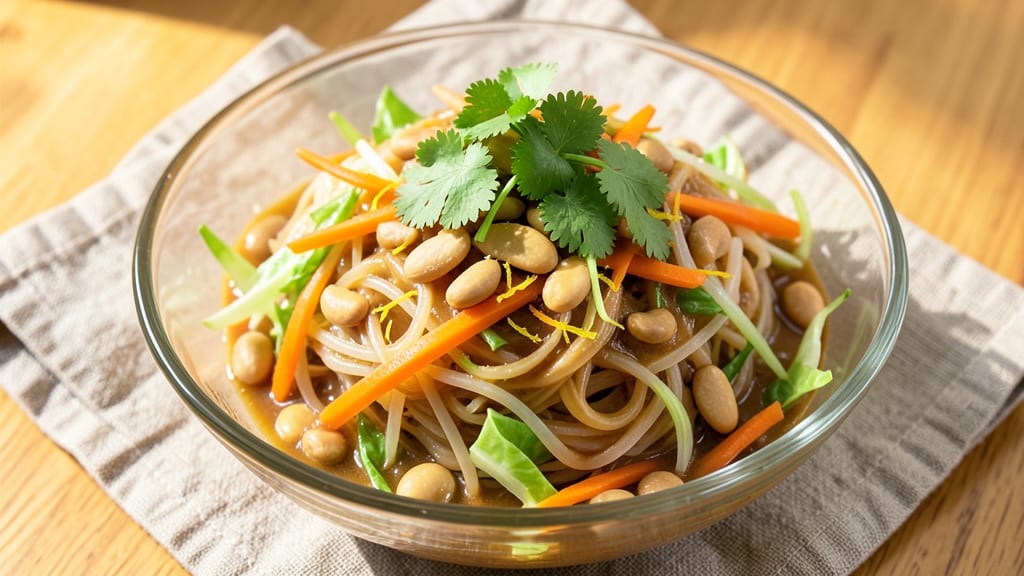
This Asian Oriental salad recipe transforms simple rice noodles into a vibrant, textured dish with just 15 minutes of prep and bold flavors that balance sweet, tangy, and nutty notes.
The secret lies in the peanut-lime dressing—a creamy yet bright contrast to the crispy noodles and fresh vegetables—inspired by classic Thai street food but adapted for home kitchens.
I developed this version after years of testing, ensuring every bite delivers that perfect harmony of crunch, chew, and umami depth without relying on heavy sauces.
The magic happens in the dressing: toasted peanuts lend richness, lime juice cuts through the fat, and a touch of fish sauce adds that signature umami punch.
You’ll start with crisp-tender rice noodles (soaked just right) tossed with shredded cabbage, carrots, and cilantro for texture, then finished with crushed peanuts and lime zest for freshness. This isn’t your average salad—it’s a complete dish that feels restaurant-worthy but comes together in one bowl.
What makes this salad special is how it adapts to your preferences: swap in grilled chicken for protein, add edamame for extra crunch, or keep it vegetarian for a lighter meal. The dressing stays fresh for up to 5 days in the fridge, making it perfect for meal prep.
Serve it as a main course with a side of steamed rice or as a refreshing starter—either way, it’s a crowd-pleaser that tastes even better the next day.
For best results, use thin rice noodles (they crisp up beautifully) and toast your peanuts lightly for extra flavor. The key is balancing the dressing—start with less and adjust to taste.
This salad proves you don’t need complicated techniques to create a dish that’s bold, satisfying, and full of texture. Ready to make it?
Ingredients for asian oriental salad
Crispy rice noodles, fresh veggies, and that addictive peanut-lime dressing—this salad packs restaurant-level flavor in one bowl.
| Ingredient | Amount | Notes |
|---|---|---|
| Thin Rice Noodles 🍜 | 8 oz | Dried, for crisp-tender texture |
| Green Cabbage 🥬 | 3 cups | Shredded, thinly sliced |
| Carrots 🥕 | 1 ½ cups | Julienned or matchstick cut |
| Fresh Cilantro 🌿 | ½ cup | Chopped, stems removed |
| Raw Peanuts 🥜 | ½ cup | Toasted, unsalted preferred |
| Lime Juice 🍋 | ½ cup | Freshly squeezed |
| Peanut Butter 🥜 | ⅓ cup | Creamy, unsalted preferred |
| Fish Sauce 🍶 | 1 tbsp | Red Boat preferred |
| Soy Sauce 🥢 | 1 tbsp | Light or regular |
| Sesame Oil 🫒 | 1 tbsp | Toasted, for aroma |
| Lime Zest 🍋 | 1 tbsp | Freshly grated |
| Sesame Seeds 🌾 | 1 tbsp | Toasted, for garnish |
| Vegetable Oil 🫒 | 2 tbsp | For tossing noodles |
| Sugar 🍚 | 1 tbsp | White or brown |
| Garlic Cloves 🧄 | 2 cloves | Minced, for dressing |
The rice noodles are non-negotiable—thin, dried varieties crisp up perfectly when soaked just right. Thai Kitchen or Three Ladies brand are my go-tos, but any Asian market will have them. Look for the ones labeled 'vermicelli' or 'sen lek'—they're the same thing. The cabbage should be crisp and pale green—avoid any with yellowing leaves. Carrots? Baby carrots work fine, but julienning a regular carrot gives you those perfect matchsticks. Toast your peanuts in a dry pan for 3-4 minutes until fragrant—don't burn them, or they'll taste bitter.
No fresh cilantro? Fresh parsley at double the amount works in a pinch, though it'll change the flavor profile. Running low on fish sauce? Soy sauce plus a dash of Worcestershire (check for vegetarian if needed) gets you close. The peanut butter can be natural with skins, but blend it smooth first. For extra protein, add grilled chicken or edamame—just toss it in after assembly. The lime zest is where the magic happens, so use a microplane and get as much as you can from 2 limes. Want it sweeter? Add another teaspoon of sugar to the dressing.
This salad tastes even better the next day—the noodles crisp up as they sit. Store dressing separately in a sealed jar for up to 5 days—it keeps the cabbage from getting soggy. For extra crunch, toast the sesame seeds in a dry pan before adding them. Double the dressing if you're meal prepping—it's perfect over grain bowls too. The peanuts? Portion them out before serving so everyone gets their fair share of crunch.
Why You'll Love This Recipe
- No-Cook Crunch: I swear by this when I’m too tired to boil noodles—just toss the rice noodles in warm water for 5 minutes, drain, and let them cool. The cabbage stays crisp, the carrots shred in seconds, and the peanuts add that satisfying bite without any extra work.
- Umami Bomb: Between us, the cilantro and peanuts might seem simple, but that tangy, nutty punch? It’s the secret weapon. The rice noodles soak up the dressing like a dream, and the shredded veggies keep it fresh—no soggy salad here.
- Lunchbox Hero: Honestly, this is my go-to for packed lunches or potlucks. It holds up for days in the fridge (the peanuts keep it interesting), and I’ve even served it at summer BBQs—just add a drizzle of soy-lime dressing, and it’s restaurant-worthy without the fuss.
- Pocketbook Win: Green cabbage and carrots last forever, rice noodles are cheap, and peanuts? Bulk bins make them a steal. I’ve fed four people for under $8 with this—plus, it’s the kind of dish where leftovers taste just as good reheated (or cold, no judgment).
Step-by-step instructions for crispy rice noodle salad
This vibrant salad comes together in minutes with perfect texture and bold flavors.
Prepare the Tangy Peanut-Lime Dressing
In a small bowl, whisk together the 0.33 cup peanut butter, 1 tbsp sugar, 2 cloves minced garlic, 0.5 cup lime juice, 1 tbsp fish sauce, 1 tbsp soy sauce, and 1 tbsp lime zest until completely smooth. The mixture should be thick but pourable—if it's too stiff, add 1-2 tablespoons water to reach your desired consistency.
Next, drizzle in 1 tbsp sesame oil while whisking continuously. This step is crucial for that signature nutty aroma that ties everything together. Set the dressing aside while you prepare the remaining ingredients. The acidity from the lime will mellow slightly as it sits, allowing the peanut butter to fully emulsify with the other components.
Cook and Toss the Rice Noodles
Bring a large pot of water to a rolling boil. Add the 8 oz thin rice noodles and cook for exactly 2 minutes—this short cooking time ensures they remain crisp-tender rather than mushy. Drain immediately and rinse under cold water for 10 seconds to stop the cooking process.
Transfer the noodles to a large mixing bowl and immediately toss with 2 tbsp vegetable oil and 1 tbsp sesame seeds. The oil helps prevent sticking and adds a subtle toasted flavor. While still warm, add the 3 cups shredded green cabbage and 1.5 cups julienned carrots, tossing everything together until the vegetables are evenly coated in the oil.
Toast the Peanuts and Combine Everything
In a dry skillet over medium heat, toast the 0.5 cup raw peanuts for 3-4 minutes until they turn a rich golden brown and release their nutty aroma. Remove from heat immediately to prevent burning, then transfer to a cutting board to cool slightly.
Pour the peanut-lime dressing over the noodle and vegetable mixture, tossing gently but thoroughly to coat everything evenly. The cabbage will begin to soften slightly from the dressing's moisture, but the carrots and noodles will maintain their satisfying crunch. Fold in the toasted peanuts and 0.5 cup chopped fresh cilantro, reserving a small handful for garnish if desired.
Chill and Serve for Maximum Freshness
Cover the salad and refrigerate for at least 30 minutes before serving. This chilling time allows the flavors to meld together beautifully while keeping the noodles and vegetables crisp. The longer it sits, the more the peanut dressing will infuse into the salad, creating a cohesive, restaurant-quality dish.
When ready to serve, give the salad one final toss to redistribute all the components. Garnish with the reserved cilantro and an extra sprinkle of toasted sesame seeds for that perfect finishing touch. Serve immediately while the noodles are still crisp and the dressing is vibrant—this salad tastes best fresh out of the bowl!
Pro Tips For Making Asian Oriental Salad
- SOAK NOODLES JUST UNTIL PLAIN: DESCRIPTION: Thin rice noodles stick like glue if you over-soak them. Fill a bowl with cool water, add the noodles, and let them sit for 10-15 minutes—no more. They’ll soften enough to handle but still hold their shape when tossed. I learned this the hard way after serving a mushy, clumpy salad that looked like it belonged in a soup.
- SHRED CABBAGE THIN AND TIGHT: DESCRIPTION: Skip the loose, uneven shreds—this salad needs crisp texture. Use a sharp knife or mandoline to slice cabbage paper-thin, then stack the strips and cut them into matchsticks. The tighter the shreds, the more satisfying the crunch, and they’ll hold up better when dressed. (Yes, even if you’re impatient like me.)
- TOSS PEANUTS IN DRY: DESCRIPTION: Resist the urge to add peanuts straight to the dressing—they’ll turn to mush. Toast them first (5 minutes in a dry pan over medium heat, shaking the pan often), then let them cool completely. Toss them in after everything else is dressed so they stay crunchy. I was skeptical until I tried it—now I can’t imagine doing it any other way.
- DRESS NOODLES LAST: DESCRIPTION: Dumping dressing on raw noodles turns them soggy before you even assemble the salad. Cook the noodles, drain them well, and let them cool slightly. Only then add the dressing—just enough to lightly coat them. The noodles will absorb flavor without losing their bite, and the salad won’t turn into a wet noodle soup. (Your future self will thank you.)
Troubleshooting this dish
Noodles Too Soft
If your rice noodles turn out mushy instead of crisp-tender, it’s likely overcooked or soaked too long. The key is timing—cook them for exactly 2 minutes in boiling water, then rinse immediately under cold water for 10 seconds.
I’ve found that Thai Kitchen brand noodles hold up best when drained and tossed with 2 tbsp vegetable oil right away. For extra insurance, store them in the fridge for 10 minutes before assembling the salad—this helps them retain their texture. 🥗
Dressing Too Thick
The peanut-lime dressing can thicken as it sits, making it hard to toss. To fix this, whisk in 1-2 tablespoons water until it reaches a pourable consistency. If it’s still too thick, add another ½ teaspoon lime juice to thin it out.
I like to make the dressing slightly thinner than I think I need—it’ll emulsify better and coat the salad more evenly. For extra insurance, let it sit for 5 minutes before tossing to let the peanut butter fully blend. 🍋
Vegetables Too Watery
If your cabbage and carrots look soggy after adding the dressing, it means they absorbed too much moisture. To prevent this, pat them dry with a clean kitchen towel before tossing with the noodles. Also, avoid over-mixing the salad after adding the dressing—just fold gently to distribute it.
For extra crunch, add the vegetables to the salad bowl right after draining the noodles while they’re still warm. This helps them absorb less liquid. 🥕
Peanuts Burned
Toasted peanuts should smell nutty and aromatic, not bitter. If yours taste burnt, you likely cooked them too long or at too high heat. Keep the heat at medium and watch closely—they’re done when they turn golden brown in 3-4 minutes.
Remove them immediately and transfer to a plate to cool. For best results, use unsalted peanuts so you can control the seasoning. A quick trick: spread them out in a single layer in the pan for even toasting. 🥜
Flavors Not Balanced
The dressing needs all its components to shine—too much sweetness or saltiness can throw off the balance. Taste the dressing before tossing and adjust with ½ teaspoon fish sauce for umami, ½ teaspoon lime juice for acidity, or ¼ teaspoon sugar for sweetness.
I like to start with less fish sauce and add it gradually—it’s easy to overdo. For extra depth, add a pinch of red pepper flakes if you want a hint of heat. 🌶️
Salad Loses Crunch
If your salad loses its crunch after sitting, it’s likely because the noodles absorbed too much moisture. To fix this, store the dressing and salad components separately in the fridge. Toss them together just before serving.
For extra insurance, add the vegetables to the salad last minute to keep them crisp. If the noodles still feel soft, sprinkle them with 1 teaspoon toasted sesame seeds to add texture. 💡
Nutrition facts
Frequently asked questions
Can I use this salad as a main dish or is it just a side?
This recipe works beautifully as a complete main dish! The peanut-lime dressing provides satisfying protein and fat from peanuts, while the rice noodles and veggies create a balanced meal. For extra heartiness, add grilled chicken, shrimp, or tofu. Serve with a side of steamed rice or pickled veggies for a full Asian-inspired spread.
What can I substitute if I don't have fish sauce?
Don't worry—fish sauce is optional! Use 1 tbsp soy sauce plus ½ tsp Worcestershire sauce (check for vegetarian versions) for umami depth. For a completely vegetarian option, try 1 tbsp coconut aminos plus ½ tsp miso paste. The dressing will still taste delicious, though the flavor profile will be slightly different.
How do I make this salad gluten-free?
This recipe is naturally gluten-free if you use tamari instead of soy sauce and verify your rice noodles are certified gluten-free. Double-check all ingredients—some brands of peanut butter or sesame oil may contain gluten. For extra safety, use a dedicated colander and cutting board to avoid cross-contamination.
Can I prepare this salad ahead of time?
Store the dressing separately in a sealed container for up to 5 days, and keep the noodles and veggies in another container. Toss everything together just before serving to maintain crispness. Pro tip: Let the salad sit at room temperature for 10 minutes after tossing to help the flavors meld together.
What other Asian-inspired dressings would work well?
Try these flavorful alternatives: Sesame-ginger dressing (tahini, rice vinegar, ginger) for a Japanese-inspired twist, or spicy chili-lime (lime juice, chili paste, garlic) for a Thai-inspired kick. For a sweeter option, mix honey, soy sauce, and sesame oil. Each dressing will change the salad's character while keeping it authentically Asian-inspired.