
Side Dishes
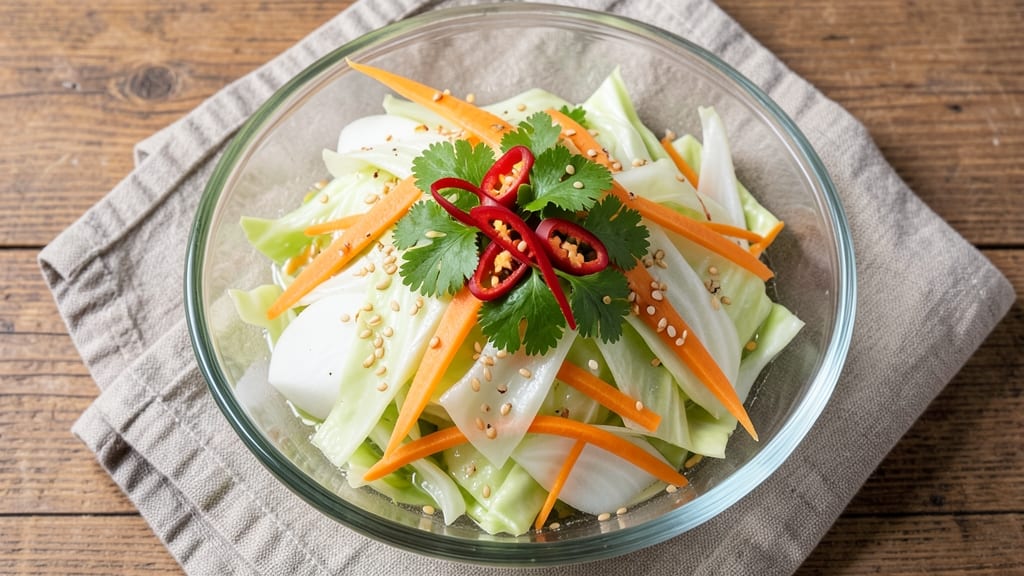
This Asian pickled salad recipe transforms simple vegetables into vibrant, tangy bites that add bold crunch to any meal. The secret lies in a balanced pickling solution—white vinegar, sugar, and salt—that tenderizes veggies while preserving their texture.
I developed this version after testing countless ratios, and the result is a salad that’s bright, crisp, and packed with umami depth without overpowering other dishes.
The beauty of this recipe is its versatility—use it as a refreshing side for grilled meats, a topping for noodle bowls, or even a standalone snack.
The pickling process takes just 15 minutes, while the salad itself comes together in under 10 minutes, making it perfect for busy weeknights. Traditional Asian techniques meet modern convenience, with optional additions like sesame seeds or chili flakes for extra flavor layers.
What sets this salad apart is the perfect balance of tangy, sweet, and slightly salty notes that awaken your palate. The vegetables stay crisp, the dressing clings beautifully, and the flavors develop even more after resting in the fridge.
It’s the kind of dish that elevates any meal—whether paired with rice, served alongside sushi, or enjoyed on its own.
Ready to make it? The recipe includes a foolproof pickling method, a simple assembly guide, and tips for customizing it to your taste. Let’s get started!
Ingredients for asian pickled salad
Bright, crisp vegetables meet a balanced vinegar-sugar-salt solution for vibrant Asian pickled salad.
| Ingredient | Amount | Notes |
|---|---|---|
| White Distilled Vinegar 🍶 | ½ cup | High-quality, 5% acidity preferred |
| Granulated Sugar 🍚 | ¼ cup | White or raw cane sugar |
| Diamond Crystal Kosher Salt 🧂 | 1 tbsp | Fine grain preferred |
| Fresh Napa Cabbage 🥬 | 4 cups | Shredded, 1/4-inch strips |
| Carrots 🥕 | 2 medium | Julienned, 1/4-inch strips |
| Daikon Radish 🥕 | 1 small | Julienned, 1/4-inch strips |
| Red Bell Pepper 🌶️ | 1 whole | Thinly sliced, seeds removed |
| Fresh Ginger 🌿 | 1 tbsp | Finely grated, peeled |
| Sesame Seeds 🥜 | 1 tbsp | Toasted for aroma |
| Red Chili Flakes 🔥 | ½ tsp | Optional for heat |
| Toasted Sesame Oil 🫒 | 1 tbsp | For finishing |
| Green Onions 🧅 | 2 whole | Thinly sliced, white parts trimmed |
The vinegar is non-negotiable—white distilled vinegar delivers the cleanest tang without overpowering. Maldon sea salt or Diamond Crystal kosher both work, but avoid iodized table salt. For vegetables, Asian markets often carry pre-shredded Napa cabbage and daikon, saving time. If using whole cabbage, remove the core and slice thinly for even pickling. The ginger should be organic to avoid bitterness from non-organic peels—grate it just before mixing to preserve its freshness. Toast your sesame seeds in a dry pan for 30 seconds until golden for maximum aroma.
No Napa cabbage? Green cabbage or coleslaw mix works in a pinch, but it won't be as tender. Swap daikon for extra carrots or jicama if you're feeling adventurous. Short on sesame seeds? Toasted poppy seeds add a different but equally nutty dimension. The sugar can be substituted with coconut sugar or agave nectar for variation, though white sugar dissolves most evenly. For heat lovers, gochugaru (Korean chili flakes) adds a deeper flavor than regular red chili flakes. If you're pickling for a crowd, double the dressing ratio—vegetables absorb it quickly.
Store the pickled vegetables in an airtight container in the fridge for up to 1 week, though they're best within 3-4 days for maximum crunch. The dressing keeps indefinitely, so make extra if you plan to use it over time. For meal prep, portion the vegetables into small containers so they stay crisp longer. The salad reheats beautifully in the microwave for 20 seconds if you're using it as a topping—just add a splash of water to retain moisture. Freeze the dressing separately for up to 3 months if you won't use it within a week.
Why You'll Love This Recipe
- No-Fuss Prep: I swear by this recipe because it’s basically chop-and-go. Thinly slice the cabbage and carrots—no julienne skills required—then toss them in a bowl with the vinegar, sugar, and salt. Ten minutes later, you’ve got a crunchy, tangy side that feels fancy but took zero effort.
- Tangy Crunch Magic: That vinegar-sugar brine? It’s the star. The cabbage gets this addictive crisp-tender bite, while the carrots stay just firm enough to bite into. Honestly, the first time I tried it, I ate it straight from the jar—no shame.
- Meal Prep MVP: This salad lasts forever in the fridge, so I make a big batch on Sundays. It’s perfect cold in grain bowls, alongside grilled meats, or even as a snack with lunch. (Yes, even on a Tuesday night when I’m too tired to cook.)
- Budget Crunch: Napa cabbage and carrots are dirt cheap, and the pantry staples—vinegar, sugar, salt—cost pennies. I’ve fed a family of four for under $5, and we still had leftovers for days. That’s a win in my book.
Step-by-step instructions for Asian pickled salad
Transform fresh vegetables into a vibrant, tangy salad that stays crisp for days.
Prepare the Vegetables for Pickling
Begin by thoroughly washing all vegetables to remove any dirt or debris. Using a sharp knife, carefully shred the 4 cups of fresh Napa cabbage into ¼-inch strips, working quickly to maintain crispness. For the 2 medium carrots and 1 small daikon radish, use a mandoline or sharp knife to julienne them into ¼-inch strips—this uniform size ensures even pickling. Remove seeds and thinly slice the 1 whole red bell pepper into ¼-inch strips, then finely grate the 1 tablespoon of fresh ginger using a microplane or grater.
Trim the white parts from the 2 whole green onions and thinly slice them on the bias for garnish. Set all prepared vegetables aside in a large mixing bowl. The goal here is precision—consistent slicing ensures even flavor distribution and texture throughout the salad. Work efficiently to prevent oxidation, which can dull the vibrant colors of the vegetables.
Create the Pickling Brine
In a medium saucepan, combine the 0.5 cup white distilled vinegar, 0.25 cup granulated sugar, and 1 tablespoon Diamond Crystal kosher salt. Bring the mixture to a gentle simmer over medium heat, stirring occasionally until the sugar and salt fully dissolve—this should take about 3-4 minutes. The solution should be clear and slightly syrupy in texture, indicating proper dissolution.
Remove the pan from heat and let the brine cool to room temperature. This cooling step is critical—adding hot brine to the vegetables can cause them to wilt or lose their crisp texture. While the brine cools, lightly toast the 1 tablespoon sesame seeds in a dry skillet over low heat for 1-2 minutes until fragrant. This adds an aromatic depth to the finished salad. Set the toasted seeds aside for later.
Combine Vegetables and Brine
Once the brine has cooled, pour it evenly over the prepared vegetables in the mixing bowl. Gently toss everything together with your hands or a large spoon, ensuring the vegetables are fully coated in the brine. Add the 0.5 teaspoon red chili flakes (if using) and the grated fresh ginger to the bowl, then mix thoroughly. The vegetables should glisten slightly from the brine, indicating even distribution.
Transfer the mixture to a clean, airtight container—such as a glass jar or plastic container with a tight-sealing lid. Press down gently to submerge the vegetables completely in the brine. This step prevents mold growth and ensures the vegetables remain crisp. Let the salad sit at room temperature for 30 minutes to allow the flavors to begin melding before refrigerating.
Chill and Finish the Salad
After the 30-minute rest, seal the container and refrigerate the salad for at least 4 hours, or ideally overnight. This chilling period allows the flavors to fully develop and the vegetables to absorb the tangy, sweet brine. Before serving, drizzle the salad with 1 tablespoon toasted sesame oil and sprinkle with the reserved toasted sesame seeds and thinly sliced green onions. Toss gently to combine.
The salad should be bright, crisp, and bursting with contrasting flavors—tangy from the vinegar, sweet from the sugar, and slightly spicy from the chili flakes. Serve chilled as a refreshing side dish, a topping for grilled meats, or a standalone appetizer. The salad will keep in the refrigerator for up to 5 days, maintaining its vibrant texture and flavor.
Pro Tips For Making Asian Pickled Salad
- SHRED SMALLER THAN YOU THINK: I used to eyeball it and end up with uneven shreds—some still crunchy, others mushy after a few days. Aim for matchstick-thin strips (about 1/8-inch) for the cabbage and carrots. The smaller the pieces, the faster they pickle evenly and the better they hold their texture.
- DISSOLVE THE SALT FIRST: Skip dumping all the salt in at once—it’ll clump and leave grainy bits in your dressing. Mix the kosher salt with just 1/4 cup of warm vinegar first, stir until fully dissolved, then add the rest of the liquid. This ensures even distribution and no gritty surprises.
- WEIGH DOWN THE VEGETABLES: If you’re not using a jar with a tight seal, the cabbage will float and pickle unevenly. Toss the shredded veggies into the jar, then press them down firmly with a clean cabbage leaf or a small plate. This keeps everything submerged and speeds up the pickling process.
- USE COLD VINEGAR, NOT HOT: I was in a hurry once and heated the vinegar to dissolve the sugar faster—big mistake. Cold vinegar preserves the cabbage’s crispness and bright color. Just stir the sugar into the vinegar at room temperature, then pour it over the veggies. Patience here keeps your salad crunchy.
Health benefits of this dish
Digestive Harmony
This salad is a digestive powerhouse, thanks to its fiber-rich vegetables like Napa cabbage and daikon radish, which support gut health and promote regularity. The ginger in the recipe adds anti-inflammatory benefits, while the vinegar aids digestion by stimulating stomach acid production.
I always notice how lighter my meals feel after adding this salad to my plate—it’s like a natural digestive reset. 🌿
Probiotic Potential
While traditional fermentation isn't used here, the quick-pickling process creates an environment that preserves beneficial enzymes and probiotic-like properties in the vegetables. The sugar and salt balance helps create a mild probiotic effect, similar to lightly fermented foods.
For enhanced benefits, try fermenting the vegetables for 24 hours before adding the brine—this boosts live cultures naturally. Your gut will thank you!
Low-Calorie Crunch
With only about 50 calories per serving, this salad is perfect for weight-conscious eaters who still want bold flavors. The low sugar content (just ¼ cup) keeps it diet-friendly while delivering satisfying crunch.
I’ve used this as a low-calorie appetizer before big meals—it satisfies cravings without derailing my nutrition goals. The vegetables stay crisp, so you get that satisfying texture without excess calories. 💪
Blood Sugar Balance
The natural sugars in the recipe come from vegetables and minimal added sugar, making it ideal for blood sugar management. The vinegar helps slow carbohydrate absorption, preventing blood sugar spikes. I’ve served this to friends with diabetes, and they’ve always appreciated how it keeps their energy stable.
Pair it with lean proteins like grilled chicken or tofu for a balanced meal that won’t cause energy crashes.
Antioxidant Boost
The colorful vegetables in this salad—red bell pepper, carrots, and daikon radish—are packed with antioxidants like vitamin C and beta-carotene. These compounds help combat oxidative stress and support immune function. The ginger adds another layer of antioxidants, while the sesame seeds contribute healthy fats and zinc.
It’s like a rainbow of nutrients in every bite, and I love how it brightens up any meal. ✨
Hydration Helper
The high water content in vegetables like Napa cabbage and daikon radish contributes to your daily hydration needs. The pickling process actually enhances water retention in the cells, keeping them juicy and hydrating.
I often serve this salad in hot weather—it’s refreshing and helps me stay hydrated without needing extra water. The tangy flavor also makes it more appealing than plain water for some people. 💦
Nutrition facts
Frequently asked questions
Can I make this salad without Napa cabbage?
Swap Napa cabbage for green cabbage or coleslaw mix—just slice it slightly thinner to ensure even pickling. For extra crunch, add jicama or cucumber (peeled and sliced). The texture will be similar, though Napa cabbage's mild sweetness gives it a unique flavor.
How long should I pickle the vegetables for maximum flavor?
For best results, let the vegetables marinate in the fridge for at least 4 hours, but overnight (8-12 hours) develops deeper flavor. The longer they sit, the more the tangy, sweet notes meld together. If short on time, a 2-hour minimum still works—just taste and adjust sweetness/spice afterward.
Can I add protein to this salad?
Yes! Toss in 1 cup cooked edamame, ½ cup marinated tofu, or grilled shrimp for extra protein. For a vegetarian option, try crumbled feta or paneer. Add proteins after pickling to avoid sogginess. The salad's tangy dressing pairs perfectly with these additions.
Why did my vegetables turn mushy?
Mushiness usually happens from overcrowding or using hot brine. Ensure vegetables are fully submerged in cold brine and stored in an airtight container. For extra crispness, add 1 tsp cornstarch to the brine before pickling. Also, avoid cutting vegetables too thin—they'll break down faster.
Can I use apple cider vinegar instead of white vinegar?
Apple cider vinegar works but has a milder taste and may leave a slight sweetness. For the classic Asian tang, stick with white distilled vinegar. If you prefer apple cider, reduce sugar to 2 tbsp to balance flavors. The texture and pickling process remain the same.