
Sauces & Condiments
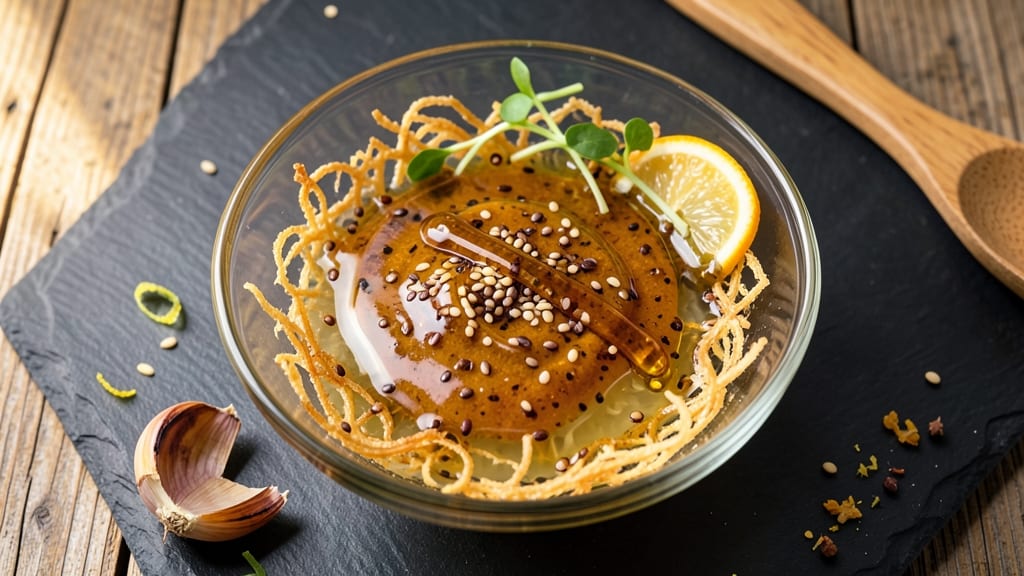
This Asian restaurant salad dressing recipe unlocks the secret to that perfect umami-packed balance you crave—sweet, spicy, and tangy all in one silky-smooth blend. The magic lies in combining toasted sesame oil, rice vinegar, and a touch of chili for depth that transforms any salad into a restaurant-worthy dish.
I developed this after years of analyzing my favorite takeout dressings, and it delivers that signature flavor without the mystery.
The foundation starts with a simple yet powerful combination: soy sauce for saltiness, rice vinegar for acidity, and a hint of honey or sugar to balance the flavors. Fresh garlic and ginger add aromatic warmth, while sesame oil contributes that nutty richness you can't get from store-bought versions.
The dressing emulsifies beautifully, creating a velvety texture that clings to greens and proteins alike.
What sets this apart is the umami boost from a splash of fish sauce (or vegetarian alternative) and a pinch of white pepper, giving it that authentic restaurant taste.
It’s versatile enough for chicken salads, stir-fries, or even drizzled over noodles, yet simple enough to make in under 10 minutes with pantry staples. The best part? It keeps for up to a week in the fridge, so you’ll always have that perfect flavor on hand.
Whether you're dressing up a fresh spring salad or elevating a quick weeknight meal, this dressing delivers restaurant-quality flavor without the fuss. The balance of sweet, spicy, and tangy is foolproof—once you try it, you’ll never go back to bottled versions again. Let’s make it.
Ingredients for asian restaurant salad dressing
Nine simple ingredients transform into the most restaurant-worthy dressing you'll ever make.
| Ingredient | Amount | Notes |
|---|---|---|
| Toasted Sesame Oil 🫒 | ¼ cup | For nutty richness |
| Rice Vinegar 💧 | ½ cup | White or seasoned |
| Soy Sauce 🍜 | ¼ cup | Low-sodium preferred |
| Honey 🍯 | 2 tbsp | Or agave for vegan option |
| Fresh Garlic Cloves 🧄 | 3 cloves | Minced for aromatic punch |
| Fresh Ginger 🌿 | 1 tbsp | Grated, not powdered |
| Fish Sauce 🍶 | 1 tbsp | Or vegetarian fish sauce |
| Sriracha 🌶️ | 1 tbsp | Adjust for spice level |
| White Pepper 🌶️ | ¼ tsp | Freshly ground |
| Sesame Seeds 🌰 | 1 tbsp | Toasted for garnish |
The sesame oil is non-negotiable here—look for toasted varieties at Asian markets or the international aisle. Trader Joe's has a great one, but if you can't find it, any sesame oil will work in a pinch. Fresh ginger and garlic are your flavor anchors, so don't skip them. Grate the ginger yourself—powdered just won't cut it. For the fish sauce, Red Boat is my go-to, but any reputable brand works. Pro tip: Taste as you go—the dressing should balance sweet, spicy, and tangy perfectly.
No sesame oil? Avocado oil at half the amount gives a similar neutral base. Out of soy sauce? Coconut aminos work in a bind. Want less heat? Swap sriracha for a pinch of chili powder. The honey can be swapped for maple syrup or brown sugar dissolved in warm water. For a vegan version, use agave nectar and vegetarian fish sauce. The white pepper is subtle but adds that restaurant-quality depth—don't skip it unless you're sensitive to spices. Store-bought rice vinegar is fine, but Kikkoman or Mushroom brands add extra authenticity.
This dressing keeps beautifully—up to 1 week in the fridge, sealed tight. I double the batch every time and store it in a glass jar with a tight lid. The flavors meld even better after a day, so make it fresh and let it sit overnight if possible. For extra restaurant flair, toast the sesame seeds in a dry pan for 30 seconds before adding to the dressing. Garnish with a sprinkle right before serving—it adds that final professional touch.
Why You'll Love This Recipe
- Five-Ingredient Magic: I swear by this combo—just whisk, taste, adjust. No fancy tools, no stress, and honestly? The garlic-sesame punch hits harder than store-bought.
- Umami Bomb: That first drop of toasted sesame oil? Instant flavor upgrade. The honey cuts the soy’s saltiness just right, and the garlic? Oh, it sings—like a little flavor bomb in every bite.
- Dresses Everything: Slather it on greens, drizzle over grilled chicken, or toss with cold noodles. I’ve even used it as a marinade. Between us, it’s my secret weapon for lazy nights.
- Stays Fresh for Days: Make a big batch—it keeps in the fridge for weeks. No weird separation, no weird smells. Just reliable, ready-to-use dressing that saves me time and money.
Step-by-step instructions for Asian restaurant salad dressing
This dressing delivers that perfect umami punch with a balance of sweet, spicy, and tangy flavors.
Toast the Sesame Seeds for Maximum Flavor
Heat a dry skillet over medium heat and add the 1 tablespoon sesame seeds. Toast them for 2-3 minutes, stirring constantly, until they turn a rich golden brown and release their nutty aroma. Watch closely—they'll darken quickly, so don't walk away. Transfer the toasted seeds to a small bowl and set aside for garnish later.
This step is non-negotiable for authentic flavor. The toasted seeds add crunch and depth that store-bought dressings can't match. I like to use a small skillet so the seeds don't burn before they toast properly. If you don't have a skillet, you can toast them in a dry toaster oven at 350°F for 3-4 minutes, shaking the pan occasionally.
Mince the Garlic and Grate the Ginger
Peel the 3 cloves fresh garlic and mince them finely using a sharp chef's knife. I like to smash each clove with the flat side of my knife first, then chop crosswise into tiny pieces. For the 1 tablespoon fresh ginger, use a microplane or fine grater to create a paste-like consistency—this ensures even distribution in the dressing.
Fresh garlic and ginger make all the difference here. The paste-like ginger releases its flavor better than pre-minced versions, and freshly minced garlic delivers that bright, aromatic punch. If you're using powdered ginger, you'll miss that fresh zing, so stick with the real thing for authentic results.
Whisk Together the Wet Ingredients
In a medium bowl, combine the 0.25 cup toasted sesame oil, 0.5 cup rice vinegar, 0.25 cup soy sauce, 2 tablespoons honey, 1 tablespoon fish sauce, and 1 tablespoon sriracha. Use a whisk to combine everything until smooth—this ensures the honey and oil fully emulsify with the vinegar. The mixture should look like a thick, glossy liquid with no streaks of oil.
Here's where the magic happens. The honey and soy sauce create that perfect sweet-savory balance, while the rice vinegar adds the tangy brightness. The sriracha brings just the right amount of heat, but you can adjust this to your spice tolerance. If you prefer a smoother dressing, you can strain it through a fine-mesh sieve after whisking to remove any garlic bits.
Add Aromatics and Season
Stir in the minced garlic and grated ginger using a wooden spoon. Add the 0.25 teaspoon white pepper and give it one final whisk to incorporate everything evenly. Taste the dressing now—it should be perfectly balanced with sweet, spicy, tangy, and umami notes. If it needs more sweetness, add a touch more honey; if it's too spicy, balance it with a splash of rice vinegar.
This is the moment that matters: the dressing should coat the back of a spoon with a silky texture. If it's too thick, whisk in 1-2 teaspoons of warm water to loosen it. The white pepper adds a subtle warmth that rounds out all the other flavors. Don't skip tasting and adjusting—this is how you achieve that restaurant-quality balance.
Rest and Garnish for Perfect Texture
Let the dressing sit at room temperature for 10-15 minutes before using. This resting time allows all the flavors to meld together and the emulsification to stabilize. Just before serving, sprinkle the toasted sesame seeds on top for that final crunchy garnish that takes this dressing from good to restaurant-worthy.
The resting period is crucial—it's what transforms a good dressing into an exceptional one. The flavors deepen and the texture becomes smoother. Store any leftovers in an airtight container in the refrigerator for up to 1 week, shaking well before each use. This dressing works beautifully on everything from Asian-inspired salads to grilled meats and even as a marinade.
Pro Tips For Making Asian Restaurant Salad Dressing
- Infuse the Garlic: Use a muddler or the back of a spoon to crush the garlic cloves before mincing them—this releases more flavor without burning. I learned this the hard way after my first batch tasted bland because I just chopped the garlic raw.
- Balance the Honey Last: Add the honey after mixing everything else, then taste and adjust—it’s easier to fix a dressing that’s too sour than one that’s cloyingly sweet. My grandmother swore by this, and she was right: the acidity in rice vinegar and soy sauce needs to shine first.
- Emulsify with Heat: Warm the dressing slightly (just until the honey dissolves) before adding the toasted sesame oil—this helps the oil bind better. Skip the heat, and you’ll end up with a separated dressing that looks like a science experiment gone wrong.
- Use Aged Soy Sauce: If you’re using regular soy sauce, reduce it by 10%—aged soy (like Japanese tamari) adds depth without extra salt. I was skeptical until I tried it: the umami jumps off the plate, and the dressing tastes like something a chef actually made.
Essential equipment for perfect results
Whisk Essentials
You’ll need a good-quality whisk to emulsify this dressing properly—I recommend a stainless steel balloon whisk like the OXO Good Grips for its durability and even distribution. The whisk should be at least 8 inches long to handle the bowl’s depth.
If you don’t have one, a fork works in a pinch, but it won’t blend as smoothly. 💫
Small Mixing Bowl
A medium-sized glass mixing bowl (like a Pyrex measuring cup set) is ideal for whisking because it’s non-reactive and easy to clean. Avoid metal bowls, as they can react with acidic ingredients like rice vinegar.
If you’re making a double batch, a 1-quart bowl ensures enough space for whisking without splashing.
Microplane or Fine Grater
For the fresh ginger, a microplane (like the Microplane Zester/Grater) is a game-changer—it creates a paste-like texture that blends seamlessly into the dressing. If you don’t have one, a fine grater works, but you’ll need to press the ginger harder to get the same consistency.
Avoid pre-minced ginger; it lacks freshness and texture.
Small Skillet or Pan
Toasting the sesame seeds requires a small non-stick skillet (like a Cuisinart Multiclad) or even a dry non-stick pan. A toaster oven at 350°F is another option if you’re short on stovetop space.
Just shake the pan every 30 seconds to prevent burning. The goal is golden-brown seeds, not charred bits.
Measuring Spoons & Cups
Precision matters here—use stainless steel measuring spoons (like the OXO Good Grips set) for the sesame oil, sriracha, and white pepper. For liquids like rice vinegar and soy sauce, a liquid measuring cup ensures accuracy.
I keep my set on the counter for quick access during cooking. 🔥
Storage Container
Once made, transfer the dressing to an airtight glass jar (like a Le Parfait 16-ounce jar) or a small mason jar to preserve freshness. Glass is non-reactive and keeps flavors pure.
Label it with the date—this dressing stays fresh for up to 1 week in the fridge. For leftovers, a squeeze bottle (like the OXO Good Grips) makes drizzling effortless.
Nutrition facts
Frequently asked questions
Can I make this dressing without sesame oil?
Yes, but the flavor will be less authentic. Replace the 0.25 cup toasted sesame oil with 0.125 cup avocado oil or neutral oil to maintain the silky texture. For extra depth, add 1 extra teaspoon of soy sauce to compensate for the missing nutty notes. The dressing will still taste great, just with a slightly different profile.
How spicy should this dressing be?
The recipe includes 1 tablespoon sriracha for a mild kick. For less heat, reduce to 0.5 tablespoon or swap for 0.5 teaspoon chili powder. If you love spice, increase to 2 tablespoons or add 1 teaspoon of gochujang for a deeper, fermented heat. Always taste before serving!
Can I use this dressing on non-salad dishes?
This versatile dressing works perfectly on grilled meats, stir-fries, noodle bowls, or even as a marinade for tofu or chicken. Its balanced flavors enhance any dish where you'd use teriyaki or peanut sauce. Just reduce the amount by half when using as a marinade to avoid overpowering the food.
Why does my dressing separate?
Separation usually happens when oil and vinegar aren't fully emulsified. Whisk vigorously for 1-2 minutes longer or use a hand mixer on low speed. For a quick fix, whisk in 1 teaspoon of honey or cornstarch to help bind the ingredients. Always store it in a glass jar and shake well before each use.
What's the best way to store leftovers?
Transfer the dressing to an airtight glass container and refrigerate for up to 1 week. The flavors actually improve over time! Before using, shake well—it may separate slightly. For longer storage, freeze in ice cube trays and transfer cubes to a bag; thaw overnight in the fridge.