
Salads
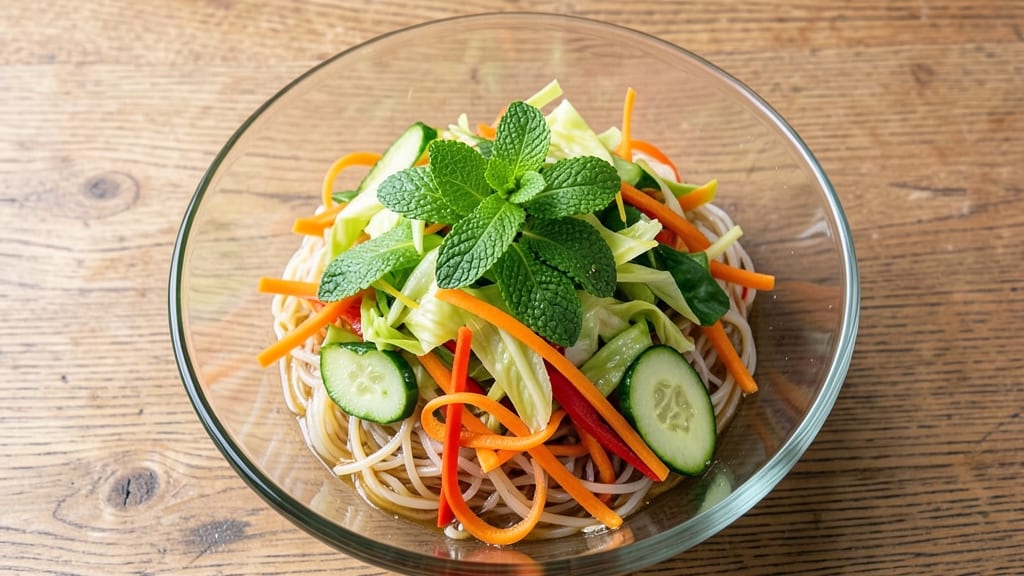
This Asian slaw Asian salad recipe transforms simple rice noodles into a vibrant, crunchy bowl packed with bright flavors and satisfying textures. The secret lies in the perfect balance of fresh vegetables, tender noodles, and a zesty peanut-lime dressing that ties everything together.
I developed this recipe after craving something fresh, flavorful, and easy to customize—whether you're serving a crowd or meal prepping for the week.
The foundation of this salad is crunchy rice noodles, which soak up the dressing beautifully without becoming soggy. Thinly sliced cabbage, carrots, and cucumbers add layers of texture and freshness, while optional protein like grilled chicken or shrimp elevates it into a complete meal.
The dressing, made with creamy peanut butter, tangy lime, and aromatic ginger, delivers a perfect balance of sweet, savory, and umami that keeps every bite exciting.
What sets this salad apart is its versatility—it works as a light lunch, a side dish, or even a main course when paired with protein. The noodles hold their shape while absorbing just enough dressing to coat them evenly, and the vegetables stay crisp for that satisfying crunch.
It’s the kind of dish that feels both comforting and refreshing, with flavors that transport you to an Asian street food stall without the fuss.
Ready in just 20 minutes, this salad is perfect for weeknight dinners or weekend gatherings. The best part? You can adjust the ingredients based on what you have on hand—swap in bell peppers for extra color, add avocado for creaminess, or keep it simple with just the basics.
Let’s get started!
Ingredients for asian slaw asian salad
Crunchy rice noodles, fresh veggies, and a zesty peanut-lime dressing make this vibrant Asian salad a crowd-pleaser every time.
| Ingredient | Amount | Notes |
|---|---|---|
| Rice Noodles 🍜 | 8 oz | Medium-width, uncooked |
| Green Cabbage 🥬 | 4 cups | Thinly sliced, outer leaves removed |
| Carrots 🥕 | 2 medium | Julienned or matchstick cut |
| English Cucumber 🥒 | 1 whole | Seedless, thinly sliced |
| Red Bell Pepper 🌶️ | 1 whole | Thinly sliced, any color |
| Fresh Mint Leaves 🌿 | ¼ cup | Chopped, stems removed |
| Peanut Butter 🥜 | ⅓ cup | Creamy, unsweetened |
| Lime Juice 🍋 | ¼ cup | Freshly squeezed |
| Fresh Ginger 🌿 | 1 tbsp | Grated, finely |
| Soy Sauce 🍶 | 2 tbsp | Low-sodium preferred |
| Sesame Oil 🫒 | 1 tbsp | Toasted, for aroma |
| Brown Sugar 🍯 | 1 tbsp | Packed, light |
| Sesame Seeds 🌰 | 1 tbsp | Toasted, for garnish |
| Vegetable Oil 🫒 | 1 tbsp | For tossing noodles |
| Salt 🧂 | ½ tsp | To taste, adjust as needed |
The rice noodles are the star—medium-width works best for that perfect chewy crunch. Thai Kitchen or Lotus Foods brands are my go-to, but any rice noodles will do. Soak them in warm water for 5-7 minutes until pliable but still holding shape. The cabbage should be crisp, so skip the outer wilted leaves. For extra color, swap in purple cabbage or red cabbage. Fresh mint is non-negotiable here—it brightens up the whole dish. Asian markets usually have the best selection, but regular grocery stores work too.
No peanut butter? Almond butter or cashew butter works in a pinch, though the flavor won’t be identical. Short on lime juice? Substitute lemon juice, but add a pinch of sugar to balance the tartness. The ginger needs to be fresh—dried won’t give the same zing. For a spicier kick, add a dash of sriracha or chili flakes. The soy sauce can be tamari for gluten-free, but regular low-sodium works too. If you’re meal prepping, store the dressing separately until ready to serve—keeps everything crisp.
This salad stays fresh for 3 days in the fridge, but the noodles get softer over time. Pack the dressing in a small container and toss it in just before eating. For extra crunch, add the sesame seeds fresh when serving. Freezes surprisingly well too—just thaw and toss with a little extra dressing. Double the batch and keep one for lazy lunches. The veggies hold up better than you’d think, so don’t be afraid to make ahead.
Why You'll Love This Recipe
- No-Fuss Assembly: I swear, this salad takes more effort to decide what to add than it does to actually make it. Toss in pre-shredded cabbage, slice the cucumber and bell pepper into fat, lazy strips, and cook the rice noodles—boom. Even my toddler could help (and usually does, with questionable precision).
- Crunchy-Creamy Magic: That first bite of cold noodles with the sharp crunch of raw veggies and the faintest hint of sesame or peanut dressing? It’s the kind of contrast that makes you pause mid-chew. The cabbage stays crisp, the carrots add sweetness, and the cucumber cools it all down—like a party in your mouth that never gets old.
- Lunchbox Hero: Between us, this is my go-to for packed lunches or potlucks. The noodles hold up for days (seriously, I’ve eaten this cold three days later), and it’s the one dish that actually improves when you let it sit. Add grilled chicken or tofu for protein, and suddenly you’ve got a meal that’s as smart as it is tasty.
- Pantry Staple Savior: Honestly, the ingredients won’t break the bank—cabbage lasts forever, carrots are cheap, and rice noodles are a fraction of the cost of fancier pasta. Plus, if you make a big batch, the leftovers turn into tomorrow’s lunch or a quick stir-fry base. It’s the kind of recipe that makes grocery shopping feel less stressful.
Step-by-step instructions for crunchy rice noodle salad
Here's how to create a vibrant, textured salad with perfect chew and zesty balance.
Prepare the Rice Noodles
Bring a large pot of water to a rolling boil. Add the 8 oz rice noodles and cook for exactly 3-4 minutes—they should be tender but still holding their shape (not mushy). Drain immediately and rinse under cold water for 30 seconds to stop the cooking process and prevent sticking.
Transfer the noodles to a large mixing bowl and toss with 1 tablespoon vegetable oil and a pinch of salt. This prevents them from drying out while you prep the vegetables. I like to keep them separate initially so they maintain their texture when tossed with the dressing later.
Prep and Toss the Vegetables
In the same large bowl with the noodles, add the 4 cups green cabbage, 2 medium carrots, 1 whole English cucumber, and 1 whole red bell pepper. Give everything a gentle toss with your hands to distribute the oil evenly. The vegetables should be coated lightly but not soggy.
Here's the thing—don't chop anything smaller than called for in the ingredients list. The thinly sliced cabbage and julienned carrots should remain in their specified cuts. Over-chopping releases too much moisture and makes the salad watery. If using pre-sliced vegetables, give them a quick rinse under cold water to remove any excess moisture before tossing.
Make the Peanut-Lime Dressing
In a small bowl, whisk together the 0.33 cup peanut butter, 0.25 cup lime juice, 1 tablespoon grated ginger, 2 tablespoons soy sauce, 1 tablespoon sesame oil, and 1 tablespoon brown sugar until completely smooth. The mixture should be thick but pourable—if it's too stiff, add 1-2 teaspoons of warm water to loosen it.
This is where the magic happens. The peanut butter adds richness, lime juice brings tang, and ginger provides warmth. I always taste at this stage and adjust the brown sugar (for sweetness) or soy sauce (for saltiness) if needed. The dressing should be vibrant and balanced—sweet, tangy, and nutty all at once.
Combine Everything
Pour the dressing over the noodle and vegetable mixture in the large bowl. Toss gently but thoroughly with your hands or clean tongs until everything is evenly coated. The noodles should be lightly glistening but not swimming in dressing. If the salad seems too dry, add 1-2 tablespoons of water to help distribute the dressing evenly.
Let the salad sit for 5 minutes before serving. This allows the flavors to meld together—you'll notice the noodles absorb the dressing slightly, and the vegetables soften just enough to become tender-crisp. The 0.25 cup fresh mint leaves should be added last, just before serving, to preserve their bright flavor and vibrant color.
Garnish and Serve
Transfer the salad to a large serving platter or individual bowls. Sprinkle with the 1 tablespoon sesame seeds and any remaining fresh mint leaves, reserving a few for garnish. The sesame seeds add a nutty crunch that contrasts beautifully with the tender noodles and crisp vegetables.
Serve immediately while the noodles are still warm from the dressing. The ideal salad has a perfect balance of textures—crisp vegetables, chewy noodles, and a creamy dressing that ties everything together. This dish is best enjoyed fresh, so don't let it sit too long before eating.
Pro Tips For Making Asian Slaw Asian Salad
- SOAK NOODLES SEPARATELY: If you’re using dry rice noodles, split them into batches—two bowls of 4 cups each—so they absorb just enough water to soften without turning mushy. I learned this the hard way when I dumped a whole bag in one bowl and ended up with a gluey mess. Cold water works, but warm (not hot) speeds it up by 3-4 minutes.
- JULIENNE CABBAGE FASTER: Skip the knife for the outer cabbage leaves—tear them by hand into rough ribbons. The core’s too tough to julienne cleanly anyway, so quarter it lengthwise, then slice thinly with the knife. You’ll save time and still get that satisfying crunch.
- STOP OVER-CHOPPING CUCS: English cucumbers get bitter when you shred them too small. Cut them into ½-inch thick half-moons instead of thin matchsticks—it keeps the texture crisp and the flavor bright. (Yes, even if it looks less "fancy.")
- DRESS NOODLES LAST: Toss the noodles with dressing right before assembling the salad, or they’ll absorb too much and turn soggy. If you’re prepping ahead, store them dry and dress only when ready to eat. Trust me, the texture difference is night and day.
Serving suggestions for asian slaw asian salad
Bowl Presentation
Serve this salad in wide, shallow bowls to showcase its vibrant colors and textures. I love using ceramic or glass bowls—they keep the dish looking fresh longer. Arrange the noodles and vegetables in a circular pattern, then spoon the dressing over the center.
Top with toasted sesame seeds and mint leaves for a pop of color and freshness. 🌟
Protein Pairings
Turn this salad into a complete meal by adding protein. Grilled shrimp or teriyaki chicken works beautifully—just toss warm protein over the salad right before serving. For vegetarian options, try crispy tofu or edamame. Keep the protein separate until serving to maintain the salad's crispness.
Dipping Sauce
Serve extra dressing on the side as a dipping sauce for extra noodles or fresh veggies. For a thicker version, mix in 1 tablespoon of Greek yogurt or mayonnaise to balance the peanut flavors. This is especially great if you're serving as a lunch bowl or appetizer platter. ✨
Asian-Inspired Sides
Pair this salad with steamed dumplings or spring rolls for a full Asian feast. The contrast of crispy and crunchy textures makes it even more satisfying. For a lighter option, serve with cucumber tea or jasmine rice to round out the meal. The flavors complement perfectly!
Meal Prep Tips
Store the dressing separately in a small container and toss it with the salad just before eating to keep everything fresh. Divide into airtight containers and refrigerate for up to 3 days.
When reheating, add a splash of warm water to restore crispness. Perfect for lazy weeknight lunches! 💡
Garnish Variations
Add crushed peanuts for extra crunch or chili crisp for a spicy kick. For a sweeter touch, drizzle with honey or hoisin sauce. These garnishes elevate the dish without overpowering the fresh flavors. Experiment to find your favorite combo!
Nutrition facts
Frequently asked questions
Can I use regular wheat noodles instead of rice noodles?
While you can substitute wheat noodles, they won't have the same delicate texture or mild flavor. Rice noodles absorb dressing beautifully while maintaining their chewy crunch. If you must use wheat, try thin spaghetti and cook it 1 minute less than package instructions to keep it firm.
How do I make this salad spicier?
Add 1/2 teaspoon of sriracha or 1/4 teaspoon of red pepper flakes to the dressing for immediate heat. For deeper flavor, stir in 1 teaspoon of chili garlic sauce or a dash of fish sauce (common in Thai cuisine). Always taste first—spice builds gradually!
What's the best way to store leftovers?
Keep the dressing separate in an airtight container and store both components in the fridge for up to 3 days. When ready to eat, toss with fresh dressing and a splash of cold water to revive crispness. Avoid freezing—it makes the noodles mushy.
Can I make this gluten-free?
Yes! Use tamari instead of soy sauce and verify your peanut butter is certified gluten-free. For extra caution, check all packaged ingredients (like sesame oil) for gluten cross-contamination warnings. The natural ingredients in this salad are already gluten-free.
Why did my salad turn soggy?
Over-mixing releases vegetable moisture, while undercooked noodles absorb too much dressing. The fix: Cook noodles exactly 3-4 minutes, rinse in cold water, and toss gently. Keep dressing separate until serving, adding it just before eating to maintain crispness.