
Side Dishes
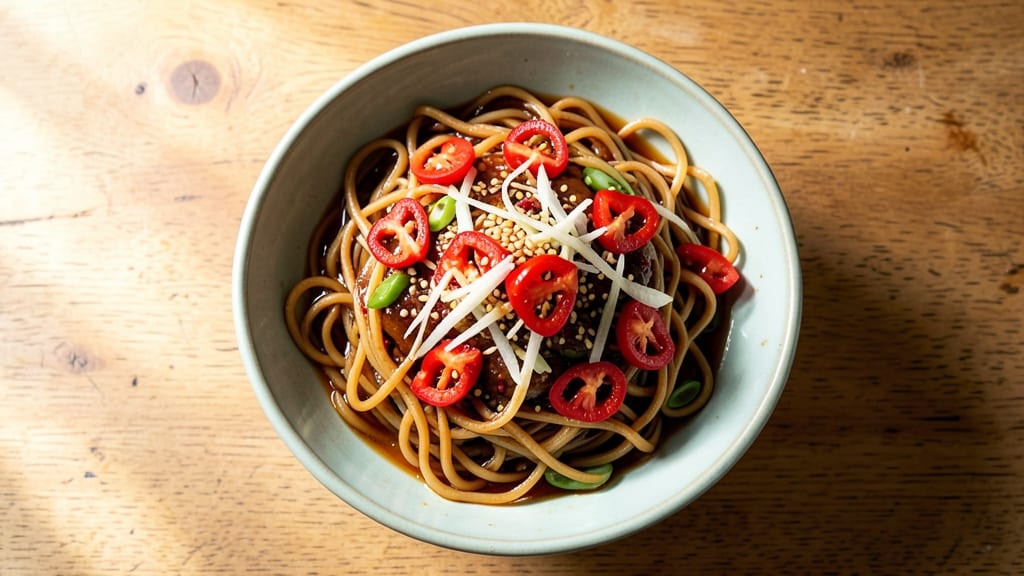
This Asian soba noodle salad delivers restaurant-quality umami in every bite—crisp, refreshing, and packed with texture. The secret lies in perfectly cooked buckwheat noodles tossed with a tangy sesame-ginger dressing that balances sweet, salty, and spicy notes.
I developed this recipe after years of testing, ensuring each component—from the toasted sesame oil to the crunchy toppings—works together harmoniously for a dish that's both elegant and effortless.
The foundation starts with cold soba noodles, which provide that signature chewy texture while staying firm enough to hold toppings. A simple yet bold dressing made with rice vinegar, mirin, and a touch of chili-lime paste elevates the flavors without overpowering the natural taste of the noodles.
The toppings—crispy fried shallots, toasted sesame seeds, and thinly sliced cucumber—add layers of crunch and freshness that keep every bite exciting.
What makes this salad truly special is how the flavors develop as you eat it. The dressing clings to the noodles while the toppings provide contrast—creamy avocado for richness, crispy shallots for texture, and fresh herbs for brightness.
It's a dish that feels restaurant-quality but comes together in under 30 minutes, making it perfect for weeknight dinners or meal prep.
Serve this salad as a light main course, a refreshing side, or even a satisfying lunch. The balance of flavors and textures ensures it's always a crowd-pleaser, whether you're feeding a family or treating yourself to a flavorful, vegan-friendly meal. Let's get started!
Ingredients for asian soba noodle salad
Restaurant-quality umami comes from these 15 ingredients—each playing its part perfectly.
| Ingredient | Amount | Notes |
|---|---|---|
| Dried Buckwheat Soba Noodles 🍜 | 8 oz | 100% buckwheat, not wheat-based |
| Rice Vinegar 🍶 | ⅓ cup | Unseasoned, mild flavor |
| Mirin 🍶 | 2 tbsp | Sweet cooking rice wine |
| Toasted Sesame Oil 🫒 | 1 ½ tbsp | 100% sesame oil, not flavored |
| Chili-Lime Paste 🌶️ | 1 ½ tbsp | For heat and tanginess |
| Fresh Ginger 🧄 | 1 tbsp | Finely grated, fresh preferred |
| Shallots 🧅 | 3 whole | Thinly sliced for crispy frying |
| Toasted Sesame Seeds 🌱 | 2 tbsp | Lightly toasted for aroma |
| English Cucumber 🥒 | 1 whole | Seeded, thinly sliced |
| Avocado 🥑 | 1 whole | Ripe, thinly sliced |
| Red Bell Pepper 🌶️ | ½ whole | Thinly sliced for crunch |
| Fresh Cilantro 🌿 | ¼ cup | Chopped, stems removed |
| Fresh Mint Leaves 🌿 | ¼ cup | Chopped, for brightness |
| Maple Syrup 🍯 | 1 tbsp | Pure, for subtle sweetness |
| Sea Salt 🧂 | 1 ½ tsp | Diamond Crystal preferred |
The soba noodles are non-negotiable—100% buckwheat for that signature chewy texture. Nongshim or King Soba are my go-tos, but any dried buckwheat noodles work. Avoid wheat-based soba blends, which lack that authentic bite. For the dressing, mirin adds sweetness while rice vinegar keeps it bright. If you can't find chili-lime paste, mix 1 tbsp lime juice + 1 tsp chili powder instead. Fresh ginger is a must—dried loses its punch fast. Toast your sesame oil in a dry pan for 30 seconds to deepen the flavor (don't let it smoke!).
No sesame seeds? Toasted poppy seeds work in a pinch, though they lack the nutty depth. Swap avocado for mashed silken tofu if you need it vegan-friendly (though this is already vegan!). The cucumber should be English-style—thin-skinned, seedless for perfect slices. For extra crunch, quick-pickle the red bell pepper strips in rice vinegar + pinch of salt for 10 minutes. Fresh herbs are key here—cilantro and mint balance the richness, so don't skip them. The maple syrup rounds out the dressing without overpowering.
Keep your sesame oil in the fridge after opening—it goes rancid fast. Store prepped toppings separately in airtight containers for 3 days in the fridge. The noodles stay fresh for 2 days if kept dry. For meal prep, assemble everything the night before and toss just before serving. The flavors actually improve after 12 hours as the dressing marinates the noodles. If you make extra dressing, it keeps for 1 week in the fridge.
Why You'll Love This Recipe
- No Boil, No Fuss: The noodles cook in minutes—just hot water, a quick rinse, and they’re ready. No waiting, no sticky mess, and honestly? They taste better this way, with that perfect chewy bite.
- Umami Magic: That combo of mirin and toasted sesame oil? It’s like a flavor bomb—sweet, nutty, and just a hint of funk. Add the chili-lime paste, and suddenly it’s bright, tangy, and impossible to stop eating.
- Lunchbox Hero: Between us, this is my go-to for packed lunches. Keeps for days in the fridge, stays fresh, and the rice vinegar keeps it from getting soggy. My coworker’s been stealing my portions—no judgment.
- Budget Bright Spot: Buckwheat soba’s cheap, and a little goes a long way. You can stretch it into a full meal with veggies or protein, and the dressing costs pennies. Plus, it’s one of those dishes where leftovers taste just as good cold the next day.
Step-by-step instructions for Asian soba noodle salad
Here's how to assemble this vibrant, umami-rich salad with perfect texture contrast.
Cook and Rinse the Soba Noodles
Bring a pot of water to a rolling boil and add the 8 oz dried buckwheat soba noodles. Cook for 5-6 minutes until al dente—they should still have a slight bite. I like to test by tasting one noodle—it should be tender but not mushy.
Drain immediately and rinse under cold water for 30 seconds. This stops the cooking process and prevents the noodles from becoming gummy. Drain again thoroughly and return to the pot. Toss with 1 tbsp toasted sesame oil and 1 tbsp maple syrup while still warm. Let cool completely before assembling the salad—this helps the noodles maintain their texture.
Prepare the Dressing Components
In a small bowl, whisk together the 0.33 cup rice vinegar, 2 tbsp mirin, 1.5 tbsp chili-lime paste, and 1 tbsp freshly grated ginger. The mixture should be smooth with a vibrant yellow-green hue from the chili-lime paste. Taste and adjust the balance—you want tangy, slightly sweet, and with a subtle heat kick.
In a separate small bowl, combine 1.5 tbsp toasted sesame oil and 1.5 tsp sea salt. This creates a rich, nutty base that will carry through the entire salad. Keep these components separate until ready to combine—the flavors develop better when mixed at the last moment.
Crisp the Shallots and Prepare Toppings
Heat a nonstick skillet over medium heat and add the 3 whole shallots sliced thinly. Cook for 3-4 minutes until golden brown and crisp at the edges—this adds incredible texture contrast. Transfer to a paper towel-lined plate to drain excess oil.
While the shallots cook, prepare the remaining toppings: thinly slice the 1 whole English cucumber (remove seeds), thinly slice the 1 whole avocado, and thinly slice the 0.5 whole red bell pepper. Chop the 0.25 cup fresh cilantro and 0.25 cup fresh mint leaves separately for distinct flavor layers.
Assemble the Salad
In a large bowl, combine the cooled soba noodles with the crisp shallots. Add the sliced cucumber, avocado, and red bell pepper. Pour the dressing components over the salad and toss gently but thoroughly to coat all ingredients evenly. The avocado will soften slightly but maintain its creamy texture.
Sprinkle with 2 tbsp toasted sesame seeds and toss again. The seeds add a final nutty crunch that balances the soft noodles and fresh vegetables. Let the salad sit for 5 minutes before serving—this allows the flavors to meld slightly while keeping the toppings crisp.
Serve Immediately for Best Texture
Divide the salad among 4 serving bowls and garnish each with a final sprinkle of fresh mint leaves. The presentation should showcase the vibrant colors—emerald green mint, creamy avocado, bright red pepper, and golden sesame seeds.
Serve immediately while the toppings are at their crispest. If storing, keep the dressing separate until ready to serve to maintain the perfect texture contrast. This salad keeps well in the refrigerator for 2-3 hours, but the avocado will soften over time—best enjoyed fresh from assembly.
Pro Tips For Making Asian Soba Noodle Salad
- COOK NOODLES AL DENTE: I used to overcook these until they turned to mush—buckwheat soba needs about 2-3 minutes in boiling water, then a quick rinse in ice water. Stop when they’re still slightly firm; they’ll soften further in the dressing. (Yes, even if you’re impatient like me, resist the urge to overcook.)
- TOAST SESAME OIL FIRST: Skip the pre-toasted oil from the bottle—heat 1 teaspoon in a dry pan until it just smokes, then cool. The nutty aroma doubles when fresh-toasted, and it won’t overpower the dish. (Your future self will notice the difference.)
- DRESS NOODLES IN STAGES: Dumping all the dressing on at once makes soggy noodles. Toss half the noodles with the rice vinegar and mirin first, then fold in the rest with the chili-lime paste. This keeps the texture crisp and the flavors balanced. (Sounds weird, but it works.)
- USE CHILI-LIME PASTE SPARINGLY: This stuff packs heat—start with ½ teaspoon and adjust. If you’re adding other proteins (like shrimp or tofu), cut it to ¼ teaspoon. You can always add more, but you can’t take it out. (I learned this the hard way.)
Troubleshooting this recipe
Noodles Too Soft?
Overcooked soba noodles turn mushy and lose their signature chew. The fix is simple: reduce cook time by 30 seconds and always rinse with ice water for 30 seconds after draining.
I swear by this method—it preserves texture perfectly. For extra insurance, toss the drained noodles with 1 tsp lemon juice while still warm to maintain firmness. 💡
Dressing Too Thin?
If your dressing separates or seems too watery, it likely needs more fat. Add 1 tsp toasted sesame oil or ½ tsp maple syrup to thicken it slightly. For a richer version, whisk in 1 tsp tahini—it adds creaminess while keeping the dressing cohesive.
Always taste as you go; adjustments should be gradual to avoid overpowering flavors.
Toppings Losing Crunch?
Crispy shallots and fresh herbs are the soul of this salad, but they wilt fast. For shallots, fry them just before assembly and store them separately in a single layer on paper towels to maintain crispness.
Keep herbs in a sealed container with a damp paper towel—this preserves their freshness for up to 24 hours in the fridge. 🌿
Avocado Turning Brown?
Avocado oxidation is inevitable, but you can slow it down. Toss avocado slices with 1 tsp lemon juice immediately after cutting and store them submerged in ice water in an airtight container.
For serving, add avocado right before eating—this keeps it vibrant and creamy. If prepping ahead, use ripe but firm avocados that brown more slowly.
Noodles Sticking Together?
Soba noodles clump when they cool, but a quick fix prevents this. After rinsing, toss them with 1 tbsp neutral oil (like avocado or grapeseed) while still warm.
This creates a thin barrier that keeps strands separate. For assembly, use two forks to gently fluff the noodles—this adds air and prevents sticking. 🍜
Flavor Too Mild?
If your salad lacks depth, boost umami with 1 tsp soy sauce or ½ tsp fish sauce (for non-vegan versions). For a smoky touch, add ¼ tsp smoked paprika to the dressing.
I also recommend toasting the sesame seeds for an extra 30 seconds—this intensifies their nutty aroma and flavor. Trust me, it makes a difference! 🔥
Nutrition facts
Frequently asked questions
Can I use regular wheat noodles instead of soba?
While you can substitute wheat noodles, you'll lose the authentic nutty flavor and signature chewy texture that makes soba special. For a similar texture, try udon noodles, but they'll be softer. If you must use wheat, look for whole wheat spaghetti and cook it 1 minute less than package instructions for better texture.
How do I store leftovers without soggy noodles?
Store the dressing separately in an airtight container and keep the noodles and toppings in another container. When ready to eat, toss everything together just before serving. The noodles will stay firm for up to 2 days in the fridge this way. For longer storage, freeze the unassembled components (except avocado) for 1 month.
What's the best way to make this spicier?
For extra heat, add ½ tsp gochujang (Korean chili paste) or ¼ tsp cayenne pepper to the dressing. You can also serve with chili crisp on the side for those who like to adjust heat to taste. Start with small amounts—chili-lime paste already packs a punch!
Can I make this salad ahead of time?
Yes! Prep everything except the avocado 1 day ahead. Store components separately in airtight containers. Add avocado just before serving to maintain its creamy texture. The flavors actually improve overnight as the dressing marinates the noodles. For the crispest shallots, fry them fresh before serving.
What are good protein additions for a heartier meal?
For extra protein, try adding tofu cubes (pan-fried with soy sauce), edamame, or grilled shrimp. For a vegan option, mix in crispy baked chickpeas or marinated tempeh strips. Keep portions balanced—this salad is designed to shine as a light, refreshing dish.