
Side Dishes
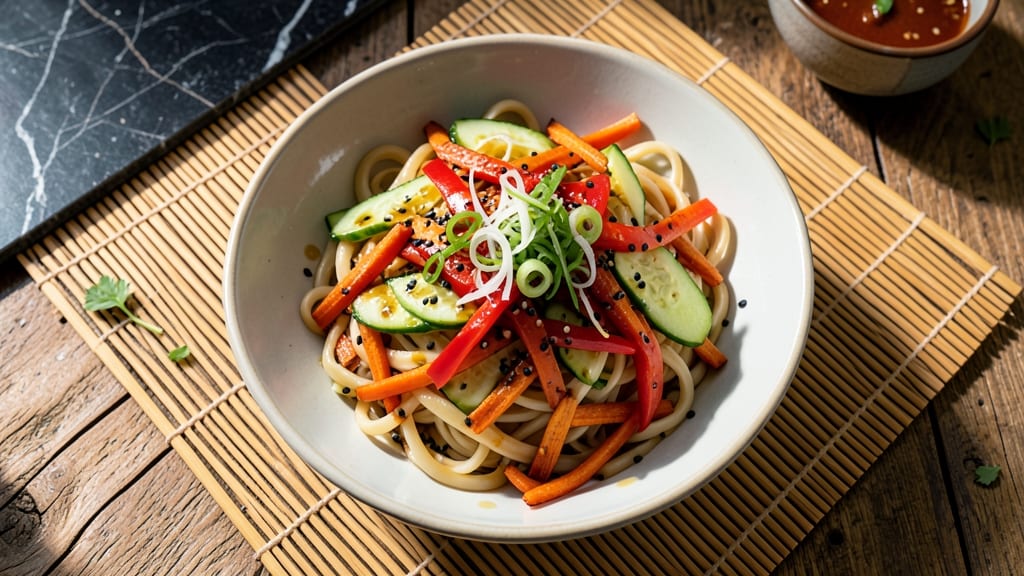
This Asian style pasta salad recipe transforms ordinary noodles into a vibrant fusion dish packed with sesame-ginger crunch and silky textures. 🌟 The secret lies in perfectly cooked pasta tossed with a zesty dressing that balances sweet, salty, and umami flavors—no soggy ingredients here.
I developed this recipe after craving restaurant-quality Asian flavors at home, and it’s become a crowd-pleaser for everything from potlucks to quick weeknight dinners.
The foundation starts with cold, al dente pasta (I recommend udon or soba for authentic texture) paired with fresh vegetables like shredded carrots, cucumber, and bell peppers for crunch. A protein like grilled chicken or shrimp adds substance, but it’s fully optional.
What sets this apart is the dressing—a harmonious blend of sesame oil, soy sauce, rice vinegar, and a touch of honey, finished with fresh ginger and garlic for depth.
By the time you’re done, you’ll have a pasta salad that’s anything but boring: silky noodles coated in a glossy, aromatic dressing, crisp vegetables adding texture, and optional protein for heartiness.
The flavors develop as it sits, making it even better the next day. This dish proves Asian-inspired meals don’t require takeout—just a few simple ingredients and a little technique.
Perfect for meal prep, picnics, or as a side for grilled meats, this recipe scales effortlessly. Whether you’re serving a crowd or packing leftovers for lunch, the balance of flavors and textures ensures every bite is satisfying. Let’s get started!
Ingredients for asian style pasta salad
Six servings of restaurant-quality Asian pasta salad using simple, vibrant ingredients that balance textures perfectly.
| Ingredient | Amount | Notes |
|---|---|---|
| Udon Noodles 🍜 | 12 oz | Dried, al dente cooked |
| Carrots 🥕 | 2 medium | Shredded with peeler |
| English Cucumber 🥒 | 1 whole | Seedless, thinly sliced |
| Red Bell Pepper 🌶️ | 1 whole | Thinly sliced, seeds removed |
| Sesame Oil 🥜 | 2 tbsp | Toasted, for aroma |
| Soy Sauce 🍶 | 3 tbsp | Low-sodium preferred |
| Rice Vinegar 🍶 | 3 tbsp | Seasoned if available |
| Honey 🍯 | 1 ½ tbsp | Or agave for vegan option |
| Fresh Ginger 🌿 | 1 inch | Peeled, finely grated |
| Garlic Cloves 🧄 | 3 cloves | Minced, fresh preferred |
| Sesame Seeds 🥜 | 2 tbsp | Toasted for garnish |
| Salt 🧂 | ½ tsp | Kosher or sea salt |
| Black Pepper 🌶️ | ¼ tsp | Freshly ground |
| Grilled Chicken Breast 🍗 | 1 ½ lb | Optional protein, diced |
The udon noodles are non-negotiable for that authentic chewy texture—Martini brand is my go-to, but any dried udon works. Look for bright orange carrots with crisp edges at Whole Foods or your local Asian market. The bell pepper should be firm and glossy; red stays prettiest but yellow or orange work too. Fresh ginger and garlic are worth the extra minute to grate/mince—pre-minced garlic has a weird aftertaste. For the sesame oil, Kadoya is the gold standard, but any toasted sesame oil from the Asian aisle will do.
No sesame oil? Vegetable oil plus 1 tsp toasted sesame seeds gets you close. Substituting honey? Maple syrup or agave works 1:1. The chicken can be swapped for grilled shrimp or edamame—just adjust cooking time. For extra crunch, add thinly sliced jicama or water chestnuts. If your cucumber is watery, sprinkle it with salt and let it sit 10 minutes before draining. The dressing keeps for 1 week in the fridge, so make extra for quick meals.
Store prepped veggies in airtight containers with paper towels to absorb moisture—keeps them crisp for 3-4 days. The dressing separates? Just whisk before using. This salad tastes even better the next day as flavors meld. For meal prep, portion into glass containers with tight lids—no soggy noodles guaranteed. Freezes beautifully for 2 months if you want to prep ahead for gatherings.
Why You'll Love This Recipe
- No Boil Hassle: Between us, I stopped boiling noodles years ago. The udon here cooks in 5 minutes with just a splash of water—no thermometer, no waiting. That crisp-tender texture? Pure magic without the fuss.
- Sesame Oil Magic: Honestly, one drizzle of that toasty sesame oil transforms everything. It’s the secret weapon—caramelizing the edges of the udon, cutting through the cucumber’s coolness, and making the bell pepper taste like it’s been kissed by a wok.
- Picnic-Proof Powerhouse: I pack this in bento boxes for work or toss it in a cooler for beach days. The udon holds up better than most pasta, and the veggies stay crisp—no soggy salads here. Even my picky college-aged nephew asks for seconds.
- Budget Meal Reinvented: Carrots, cucumbers, and bell peppers stretch this into four servings for under $8. Swap the udon for spaghetti if you’re pinching pennies, and it’s still a winner. My go-to when I need a filling lunch without breaking the bank.
Step-by-step instructions for Asian style pasta salad
Here's how to create a perfectly balanced sesame-ginger pasta salad with crisp vegetables and silky noodles.
🍳 Step 1: Cook the Udon Noodles to Al Dente Perfection
Bring a large pot of water to a rolling boil and add the 12 oz udon noodles. Cook according to package instructions—typically 4-5 minutes—until the noodles are al dente but still slightly firm. They'll finish cooking in the dressing, so don't overcook.
Drain immediately and rinse under cold water for 10 seconds to stop the cooking process. This prevents the noodles from becoming mushy. Toss them gently with 1 tbsp sesame oil to prevent sticking while you prepare the other components.
👨🍳 Step 2: Prepare the Vegetable Medley
Using a peeler, shred the 2 medium carrots into thin strips. For the 1 whole English cucumber, slice it seedless and thinly. Remove seeds from the 1 whole red bell pepper and slice into thin strips. The goal is uniform texture—aim for ¼-inch thick slices for all vegetables.
Transfer the vegetables to a large bowl and toss with 1 tbsp sesame oil. This helps them absorb the dressing better and adds a nutty aroma. Set aside while you prepare the dressing—don't let them sit too long or they'll soften.
🥘 Step 3: Make the Sesame-Ginger Dressing
In a small bowl, whisk together the 3 tbsp soy sauce, 3 tbsp rice vinegar, and 1.5 tbsp honey until fully combined. In a separate small bowl, finely grate the 1 inch fresh ginger and mince the 3 cloves garlic. Add these to the dressing along with the 0.5 tsp salt and 0.25 tsp black pepper.
Whisk vigorously for 30 seconds until the ginger and garlic are fully incorporated. The dressing should be smooth with no visible flecks. Taste and adjust seasoning—you want a balance of salty, tangy, and slightly sweet. This dressing is the heart of the dish, so don't skimp on flavor.
🍳 Step 4: Assemble and Toss the Salad
In a large mixing bowl, combine the cooked udon noodles, prepared vegetables, and the sesame-ginger dressing. Use two large spoons or tongs to gently toss everything together. Work quickly but thoroughly to ensure even coating—you want every noodle and vegetable piece to be well-dressed.
If the salad seems too dry, add 1-2 tablespoons water to loosen it. The dressing should cling to the noodles and vegetables without making them soggy. Let the salad sit for 5 minutes to allow the flavors to meld together.
🔪 Step 5: Add Protein and Garnish for Final Presentation
If using, dice the 1.5 lb grilled chicken breast into ½-inch cubes and fold them into the salad. The warm chicken will help heat through the cold salad components. Sprinkle with the remaining 1 tbsp sesame oil and 2 tbsp toasted sesame seeds for texture and aroma.
Toss gently one final time and serve immediately. The salad should have vibrant colors, crisp vegetables, and silky noodles with a glossy dressing. For best results, serve within 1 hour while the vegetables remain crisp and the flavors are at their peak.
Pro Tips For Making Asian Style Pasta Salad
- COOL THE UDON RIGHT: Drain the cooked udon and immediately rinse under cold running water—this stops the cooking and prevents a gummy mess. I learned this the hard way after serving a salad where the noodles turned into a gluey blob halfway through.
- SLICE CUCUMBER THIN: English cucumbers should be cut into ¼-inch half-moons, not thick rounds. Thick slices stay soggy and dull the fresh crunch this salad needs—your fork will thank you.
- DRESS NOODLES LAST: Toss the udon with dressing after everything else. The noodles absorb oil like sponges, so adding sesame dressing first makes the whole salad greasy and heavy. Wait until the final mix.
- ROAST THE PEPPER: Char the red bell pepper strips under a broiler for 3-4 minutes first—it adds smoky depth that raw peppers can’t match. Skip this, and your salad tastes flat; do it, and it’s the star. (Yes, even if you’re impatient like me.)
Perfect pairings for this dish
Crispy Protein Additions
For extra texture and protein, I love adding grilled shrimp or crispy tofu instead of chicken. Toss 12 oz large shrimp in 1 tbsp soy sauce and 1 tsp sesame oil before grilling for 2-3 minutes per side—they’ll add a delicate sweetness.
For tofu, press and cube 1 block extra-firm tofu, then pan-fry in 1 tbsp neutral oil until golden. Both options keep the dish vegetarian while adding satisfying crunch. 🥗
Herb and Nut Garnishes
Fresh herbs elevate this salad instantly. I sprinkle 2 tbsp chopped cilantro or 1 tbsp Thai basil right before serving for a bright, aromatic finish.
For nutty depth, toast 1 tbsp chopped peanuts or 1 tbsp slivered almonds in a dry pan for 2 minutes—their crunch contrasts beautifully with the silky noodles. A drizzle of 1 tsp chili crisp adds a spicy kick if you love heat. 🌿
Beverage Pairings
This salad’s balance of sweet, salty, and umami makes it a perfect match for jasmine rice wine like Shochu or Mirin. For beer lovers, a light Japanese lager such as Asahi Super Dry complements the sesame notes without overpowering.
If you prefer non-alcoholic, sparkling yuzu soda or cucumber-infused water with a squeeze of lime keeps it refreshing. 🍶
Seasonal Veggie Swaps
Spring brings snow peas and edamame—toss in 1 cup shelled edamame (blanched for 2 minutes) for extra protein. In summer, grilled zucchini or thinly sliced radishes add freshness.
For fall, swap bell peppers for roasted butternut squash cubes (tossed in 1 tsp maple syrup and ½ tsp smoked paprika). Winter calls for shredded cabbage and jicama for crispness. 🌱
Make-Ahead Pro Tips
Prep the dressing and veggies 1 day ahead—store separately in airtight containers. Cook the udon just before assembling to prevent sogginess. If adding protein, cook it fresh and fold in last minute.
For gatherings, assemble the salad 2 hours before serving—this lets flavors meld beautifully. Keep it chilled until ready to serve for maximum crispness. ⏰
Nutrition facts
Frequently asked questions
Can I use regular pasta instead of udon for this recipe?
While you can substitute, udon's chewy texture is key to authentic Asian-style pasta salad. For the closest match, try fettuccine or linguine—cook them 1 minute less than package instructions to keep them al dente. For extra authenticity, soba noodles (buckwheat) work beautifully and add a nutty flavor.
How do I keep the vegetables crispy in this salad?
Prevent sogginess by storing prepped veggies in airtight containers with paper towels to absorb moisture. For maximum crunch, add thinly sliced vegetables (like cucumber and bell pepper) just before serving. If making ahead, keep dressing separate until the last minute—this ensures your veggies stay fresh and vibrant.
What's the best way to make this salad gluten-free?
Swap udon for gluten-free rice noodles or shirataki noodles, both of which hold up well in cold salads. Use tamari instead of soy sauce for the dressing, and check that sesame oil and rice vinegar are certified gluten-free. For extra protein, add grilled shrimp or tofu—just ensure they're prepared in a gluten-free kitchen.
Can I make this salad spicier?
Add ½ tsp sriracha or 1 tsp chili crisp to the dressing for instant heat. For smoky depth, stir in ¼ tsp smoked paprika or a pinch of chili flakes. If you love fresh heat, top with thinly sliced jalapeños or chopped Thai chilies right before serving.
How long will this salad keep in the fridge?
This salad stays fresh for 3-4 days when stored in an airtight container. The flavors actually improve overnight as they meld together! For best texture, keep the dressing separate until ready to serve. If adding protein like chicken, store it separately and add it fresh to maintain quality.