
Sauces & Condiments
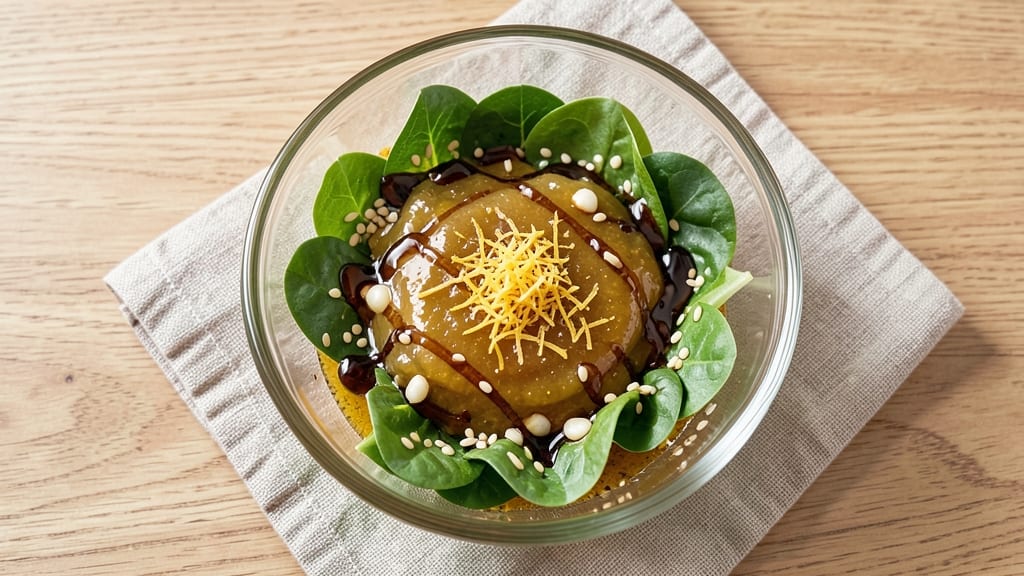
This Asian vinaigrette salad dressing recipe transforms simple ingredients into a bold, umami-rich sauce that elevates any dish in just 5 minutes. The secret lies in balancing tangy rice vinegar with savory soy sauce, aromatic sesame oil, and fresh ginger—creating a dressing that’s as versatile as it is flavorful.
Perfect for salads, marinades, or drizzling over grilled proteins, this recipe delivers restaurant-quality results without the fuss.
What sets this dressing apart is its bright umami depth, achieved through a precise blend of oil, vinegar, and key flavorings like garlic and honey. Unlike heavy creamy dressings, this light vinaigrette clings beautifully to greens while adding layers of complexity to every bite.
The ingredients are simple—rice vinegar, soy sauce, sesame oil, honey, and fresh ginger—but their combination creates a dressing that’s anything but ordinary.
Once mixed, this dressing stays fresh in the fridge for up to 5 days, making it ideal for meal prep. Use it to dress Asian-inspired salads, drizzle over sushi rolls, or even marinate chicken for extra flavor.
The 5-minute prep time ensures you’ll never skip homemade again—it’s quicker than store-bought and infinitely more customizable.
For an extra touch, garnish with toasted sesame seeds or thinly sliced scallions before serving. The possibilities are endless, from quick lunches to elegant dinners. Let’s make this dressing—your taste buds will thank you.
Ingredients for asian vinaigrette salad dressing
Ten simple ingredients transform into a restaurant-quality Asian vinaigrette with vibrant umami depth.
| Ingredient | Amount | Notes |
|---|---|---|
| Rice Vinegar 🍶 | ½ cup | Seasoned preferred for depth |
| Low-Sodium Soy Sauce 🥢 | ¼ cup | Kikkoman or San-J recommended |
| Toasted Sesame Oil 🫒 | 2 tbsp | Not regular sesame oil |
| Raw Honey 🍯 | 2 tbsp | Local preferred for floral notes |
| Fresh Ginger 🧄 | 1 tbsp | Finely grated, peel removed |
| Garlic Cloves 🧄 | 2 cloves | Minced, not powdered |
| Extra-Virgin Olive Oil 🫒 | ½ cup | Light, fruity variety |
| Toasted Sesame Seeds 🌾 | 1 tbsp | For garnish, optional |
| Diamond Crystal Kosher Salt 🧂 | ½ tsp | Adjust to taste |
| Freshly Ground Black Pepper 🌶️ | ¼ tsp | Freshly cracked preferred |
The foundation starts with Kikkoman soy sauce and seasoned rice vinegar—both essential for authentic umami balance. Whole Foods or Asian markets carry the best quality, but even standard grocery store brands work. For ginger, look for firm, aromatic roots with no soft spots—Trader Joe's often has excellent pre-peeled options. The toasted sesame oil is non-negotiable; regular sesame oil lacks the nutty depth. If you can't find it, toast regular sesame oil in a dry pan for 2 minutes before using. The extra-virgin olive oil should have a light, fruity profile—avoid heavy, peppery varieties that can overpower the delicate flavors.
No honey? Maple syrup or agave nectar work in a pinch, though honey's floral notes are ideal. Substitute fresh lime juice for rice vinegar if needed—just reduce to 1 tbsp for similar tang. For the garlic, powdered garlic lacks freshness, but if that's all you have, use half the amount. The sesame seeds can be omitted if you're strict about minimalism, but they add crunch and visual appeal. If you prefer less salt, reduce to 0.25 tsp—this dressing is forgiving, but the balance of umami and acidity is key. For a spicier kick, add 0.25 tsp of gochujang or red pepper flakes to the final mix.
This dressing stays fresh for up to 5 days in an airtight container in the fridge. For longer storage, transfer to a sterilized glass jar and keep for up to 3 months in the freezer. Shake well before each use, as the oil may separate. Garnish with toasted sesame seeds or thinly sliced scallions just before serving to maintain texture. The dressing thickens slightly when chilled—simply whisk in 1 tsp of warm water if it becomes too viscous. Portion into small containers for meal prep, and keep one batch in the fridge for quick salads all week.
Why You'll Love This Recipe
- Five-Ingredient Magic: That’s all it takes—just rice vinegar, a splash of soy sauce, and a whisper of toasted sesame oil to transform bland salads into something actually worth eating. No fancy techniques, no stress, just mix and go.
- Umami Bomb: The ginger and honey hit like a flavor revelation—bright, warm, and just a little sweet, with that deep savory punch from the soy. It’s the kind of dressing that makes you pause mid-bite and think, “Wait, why haven’t I done this before?”
- Meal Prep MVP: Make a big batch on Sunday, and you’ve got dressing for lunches, stir-fries, or even drizzled over grilled chicken all week. Between us, I’ve used this on everything from cold noodles to takeout leftovers—it’s my secret weapon for making boring meals pop.
- Budget Brightener: Toasted sesame oil might sound fancy, but a little goes a long way, and the rest of the ingredients? Pantry staples. You’re talking under $5 for a jar that lasts forever—no wasted money, just pure flavor efficiency.
Step-by-step instructions for Asian vinaigrette salad dressing
This bright, balanced dressing comes together in minutes with precise technique and bold flavors.
Prepare the Aromatics and Base Ingredients
Grate the 1 tablespoon fresh ginger using a fine grater or microplane, removing any fibrous peel. The zest should be bright yellow and finely textured—this releases the ginger's aromatic oils. In a small bowl, mince the 2 cloves garlic into a fine paste using a chef's knife or garlic press. Set both aside temporarily.
In a medium mixing bowl, combine the 0.5 cup rice vinegar and 0.25 cup low-sodium soy sauce. Stir gently to blend—this creates the foundational umami and acid balance. I like to use seasoned rice vinegar here for an extra layer of complexity, but plain works too. The mixture should look clear with no visible streaks.
Whisk in the Honey and Toasted Sesame Oil
Add the 2 tablespoons raw honey to the vinegar-soy sauce mixture and whisk vigorously until fully dissolved. The honey should create a smooth, syrupy consistency that coats the back of a spoon. Next, drizzle in the 2 tablespoons toasted sesame oil while whisking continuously. The oil will initially separate, but with steady whisking, it will emulsify into a glossy, golden liquid.
This is where the magic happens—the honey balances the acidity while the toasted sesame oil adds nutty depth. If you're using regular sesame oil, toast it first by heating in a dry pan over medium heat for 1-2 minutes until fragrant, then let cool before adding. The nutty aroma is essential for authentic flavor.
Incorporate the Aromatics and Seasonings
Add the grated ginger and minced garlic to the bowl, along with the 0.5 teaspoon Diamond Crystal kosher salt and 0.25 teaspoon freshly ground black pepper. Whisk everything together until the salt and pepper fully dissolve and the mixture becomes uniformly textured. The dressing should now have a vibrant, aromatic scent—bright, slightly sweet, with a hint of garlic's sharpness.
Taste the mixture at this stage. It should be tangy, slightly sweet, and umami-rich, but still need the olive oil to reach its full potential. If the flavor feels too sharp, add another ½ teaspoon honey. If it needs more depth, add a pinch more soy sauce. Adjustments now will ensure a perfectly balanced final dressing.
Emulsify with Olive Oil for a Silky Finish
With the whisk still moving, very slowly drizzle in the 0.5 cup extra-virgin olive oil. Start with just a few drops at first, whisking constantly to create a temporary emulsion. Once the mixture begins to thicken slightly, you can add the oil in a thin, steady stream. The key is patience—rushing this step will cause the oil to separate.
Continue whisking for 2-3 minutes after all the oil is incorporated until the dressing becomes thick, glossy, and uniform in color. It should coat the whisk like a thin film, indicating a proper emulsion. If the dressing starts to look too thick, add 1 teaspoon water at a time until it reaches a pourable consistency. The final texture should be silky but still cling to greens or vegetables.
Rest, Taste, and Garnish
Cover the bowl with plastic wrap and let the dressing rest at room temperature for 10-15 minutes. This allows the flavors to meld and the emulsion to stabilize. After resting, give it one final taste and adjust the seasoning if needed—most often, you'll want to add a pinch more salt or a splash of rice vinegar to brighten the flavors.
For garnish, sprinkle the 1 tablespoon toasted sesame seeds over the top just before serving. The seeds add a subtle crunch and visual contrast to the smooth dressing. Store any leftovers in an airtight container in the refrigerator for up to 1 week, shaking well before each use to re-emulsify. This dressing works beautifully on mixed greens, shredded cabbage, or as a marinade for grilled proteins.
Pro Tips For Making Asian Vinaigrette Salad Dressing
- STRAIN THE GINGER: I learned this the hard way—grated ginger turns your dressing into a muddy, gritty mess. Use a microplane or fine grater, then strain through a fine-mesh sieve to catch all the fibrous bits. A splash of ice water helps push it through if it’s stubborn.
- WHISK IN STAGES: Dumping all ingredients at once? You’ll end up with a separated, oily sludge. Start with vinegar and soy sauce, whisk until smooth, then add honey and ginger. Finish with sesame oil last—just a drizzle—and whisk gently to emulsify. Overmixing after the oil feels like you’re fighting the dressing.
- SALT TO BALANCE: Low-sodium soy sauce isn’t enough—taste after combining everything and adjust with a pinch of flaky salt. The honey can make the dressing taste cloying, and the ginger’s heat needs a check. Trust your tongue, not the recipe’s measurements.
- TOAST THE SESAME OIL FIRST: Sounds weird, but it works: Warm 1 teaspoon of sesame oil in a dry pan over medium-low for 30 seconds until fragrant. Let it cool, then use it in the dressing. The nutty depth is way more intense, and it won’t overpower the other flavors like raw oil can. (Yes, even if you’re impatient like me.)
Best sauces and condiments for asian vinaigrette salad dressing
Umami-Packed Marinade
This dressing isn't just for salads—it's a game-changing marinade for proteins like chicken, shrimp, or tofu. Toss 1 lb chicken thighs with 3 tbsp dressing and marinate for 30-60 minutes before grilling.
The soy sauce tenderizes while the ginger and garlic infuse deep flavor. For extra richness, add 1 tbsp mirin to the marinade. 🍗
Garnish Variations
Beyond sesame seeds, try crispy fried shallots for texture or cilantro leaves for freshness. For a smoky twist, sprinkle ½ tsp smoked paprika before serving. I love adding thinly sliced green onions for color and a mild onion bite. Garnishes should complement, not overpower—the dressing's bright flavors shine through.
Storage Secrets
Store in a glass jar with a tight-sealing lid to preserve freshness. The dressing separates naturally—just whisk vigorously before each use. For longer storage, freeze in ice cube trays and transfer to a bag.
Thaw overnight in the fridge. Pro tip: Keep a small jar in your fridge for quick salads, and store the rest in the freezer for future use. ❄️
Flavor Boosters
Need more depth? Add 1 tsp fish sauce for extra umami or ½ tsp sriracha for heat. For a citrusy twist, stir in 1 tbsp lime juice. The dressing is forgiving—adjust to taste.
I often add a pinch of white pepper for warmth or grated daikon radish for a subtle crunch. Experiment to match your taste!
Salad Pairings
This dressing elevates simple greens like baby spinach or shredded cabbage. Try it with cucumber and edamame for a refreshing Asian-inspired salad. For heartier options, pair with grilled shrimp and avocado slices. The balance of sweet, tangy, and umami makes it versatile for any salad base. 🥗
Dipping Sauce
Serve with spring rolls, sushi, or fresh spring vegetables for dipping. The dressing's glossy texture and bold flavors make it perfect for appetizers. For extra fun, serve in small dipping bowls with a sprinkle of sesame seeds. It's a crowd-pleaser at parties and a quick weeknight snack. 🍜
Nutrition facts
Frequently asked questions
Can I make this dressing without honey?
Yes! For a vegan version, substitute honey with 2 tablespoons maple syrup or agave nectar. The dressing will still balance the tangy vinegar and soy sauce, though honey's floral notes add a unique depth. If you prefer a sharper flavor, try 1 tablespoon rice vinegar instead—just reduce the vinegar in the recipe by 1 tablespoon to maintain balance.
Why does my dressing separate after storing?
This is normal! The oil and vinegar naturally separate when refrigerated. Simply whisk vigorously before using to re-emulsify. For a more stable dressing, add 1 teaspoon Dijon mustard or 1 egg yolk (for non-vegan versions) when whisking in the olive oil. This helps bind the ingredients together. Store in an airtight container to minimize separation.
How can I use this dressing beyond salads?
This versatile dressing works as a marinade for chicken, shrimp, or tofu—just use 3 tablespoons per 1 lb protein and marinate for 30-60 minutes. It also makes an excellent dipping sauce for spring rolls, sushi, or fresh veggies. For extra richness, drizzle over grilled fish or noodle dishes. The umami balance enhances any savory dish!
Can I make this dressing spicier?
For heat, add ½ teaspoon sriracha, ½ teaspoon gochujang, or a pinch of red pepper flakes while whisking. Start with a small amount and adjust to taste—this dressing is forgiving, so you can always add more. For a smoky kick, sprinkle ½ teaspoon smoked paprika on top before serving.
What’s the best way to store leftovers?
Transfer the dressing to a glass jar with a tight-sealing lid and refrigerate for up to 5 days. For longer storage, freeze in ice cube trays, then transfer to a bag. Thaw overnight in the fridge and shake well before using. The dressing may thicken slightly when chilled—whisk in 1 teaspoon warm water to restore pourability.