
Side Dishes
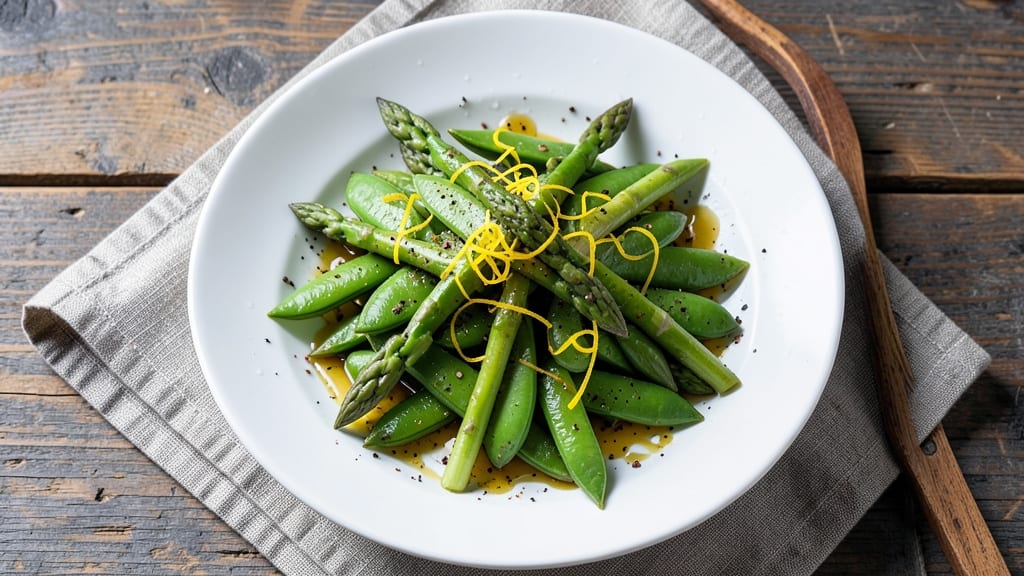
This asparagus and snap pea salad recipe captures spring's freshest flavors in just 15 minutes—no wilting, no soggy greens, just vibrant crunch that tastes like sunshine.
The secret lies in blanching the asparagus and snapping the peas at the right moment, locking in their crisp texture while preserving their bright, grassy sweetness. I developed this recipe after realizing store-bought spring salads always tasted dull, so I engineered a method that delivers restaurant-quality crunch at home.
What sets this salad apart is the two-stage preparation: blanching the asparagus for exactly 90 seconds (no more!) creates a satisfying snap, while snapping the peas fresh keeps them vibrant and tender-crisp.
The dressing—my go-to lemon vinaigrette with Dijon mustard—adds a tangy brightness that cuts through the salad's natural sweetness without overpowering it. For extra texture, toasted almonds or crumbled feta add depth, while quinoa or farro transforms it into a hearty main dish.
By the time you're done, you'll have a salad that's visually stunning—emerald asparagus spears and bright green peas against a creamy or tangy dressing—and packed with flavor that holds up for hours.
The blanching technique prevents limp vegetables, while the snap peas add a playful crunch that makes every bite exciting. This isn't just a side dish; it's a spring celebration in a bowl.
Pair it with grilled chicken or fish for a complete meal, or serve it solo with crusty bread for a light lunch that feels indulgent.
The beauty of this recipe is its versatility—it works as a starter, side, or even a standalone dish, all while keeping prep simple and results impressive. Here's how to make it perfect every time.
Ingredients for asparagus and snap pea salad
Bright spring produce meets restaurant-quality technique in this vibrant salad.
| Ingredient | Amount | Notes |
|---|---|---|
| Fresh Asparagus Spears 🥬 | 1 lb | Trim woody ends, 9-10 inches long |
| Fresh Snap Peas 🌱 | 1 lb | Shelling peas preferred |
| Extra-Virgin Olive Oil 🫒 | ¼ cup | High-quality, fruity variety |
| Fresh Lemon Juice 🍋 | 0.3 cup | Freshly squeezed, strained |
| Dijon Mustard 🍯 | 1 tbsp | Mild or strong depending on preference |
| Honey 🍯 | 1 tbsp | Wildflower preferred for depth |
| Diamond Crystal Kosher Salt 🧂 | ½ tsp | Adjust to taste |
| Freshly Ground Black Pepper 🌶️ | ¼ tsp | Freshly cracked for optimal flavor |
| Toasted Sliced Almonds 🥜 | ¼ cup | Lightly toasted for crunch |
| Crumbled Feta Cheese 🧀 | ¼ cup | High-quality, crumbled by hand |
| Fresh Thyme Leaves 🌿 | ¼ tsp | Finely chopped for garnish |
| Ice Water 💧 | 4 cups | For blanching asparagus |
| Cooked Quinoa 🌾 | ½ cup | Optional for heartier texture |
The asparagus and snap peas are the stars—freshness is non-negotiable. For asparagus, seek bright green spears with tightly closed tips at your local farmers market or high-end grocer like Whole Foods or Trader Joe's. Snap peas should be vibrant green, plump, and slightly firm—avoid any with yellowing pods. If using shelled peas, shell them yourself for maximum freshness. The blanching technique is critical: exactly 90 seconds in boiling water preserves their crisp texture without overcooking. For the dressing, extra-virgin olive oil with a peppery finish elevates the dish—avoid mild supermarket brands.
No fresh thyme? Dried thyme at one-third the amount works in a pinch, though fresh is ideal. Substituting honey? Maple syrup or agave maintains the same floral sweetness, though honey's depth is unmatched. For those avoiding dairy, omit the feta or use vegan feta—the salad still shines. The quinoa is optional but transforms this into a hearty main dish—cook it ahead and store it separately until ready to assemble. If you're short on time, pre-cooked quinoa from the bulk section at Sprouts or Costco saves prep work. The almonds can be swapped for toasted walnuts or pecans for a different texture profile.
Store blanched asparagus and shelled peas in airtight containers with a damp paper towel to maintain crispness for up to 3 days. The dressing keeps for 5 days in the fridge, though it's best used within 3 days for peak flavor. For meal prep, assemble the salad just before serving to prevent wilting—store components separately. This salad tastes even better the next day as flavors meld, making it perfect for lunch prep. Freeze the dressing separately for up to 3 months if needed, though fresh is always preferred.
Why You'll Love This Recipe
- Here’s what sold me: asparagus and snap peas are seasonal steals, and you’re not drowning in expensive ingredients. A little olive oil, a splash of lemon, and that mustard? You’re getting restaurant-quality flavor for pennies. Plus, leftovers taste just as good the next day—no sad desk lunches.
- Five-Ingredient Magic: I swear by this combo—just asparagus, snap peas, olive oil, lemon, and mustard. That’s it. No overcomplicated steps or hidden pantry raids. The snap peas stay crisp, the asparagus gets that perfect al dente bite, and the dressing? One whisk, done.
- Bright & Tangy Kick: Honestly, the lemon-Dijon dressing is where this salad shines. That zingy, slightly sharp punch cuts through the earthiness of the asparagus while letting the snap peas pop. It’s fresh enough for summer but hearty enough for spring—no sad, wilted greens here.
- Meal Prep Hero: Between us, this is my go-to for lunches all week. The asparagus and peas hold up beautifully in the fridge—no soggy mess—so I just toss in whatever protein I’m craving (grilled chicken, chickpeas, you name it). Pack it, grab it, eat it cold or at room temp. No fuss.
Step-by-step instructions for asparagus and snap pea salad
This vibrant spring salad delivers crisp-tender vegetables with a bright, balanced dressing in just minutes.
Blanch the Asparagus for Crisp-Tenderness
Fill a large pot with the 4 cups ice water and bring to a rolling boil. While waiting, trim the woody ends from the 1 lb fresh asparagus spears by bending each spear until it snaps naturally—discard the broken-off ends. This ensures you're cooking only the tender portions.
When the water boils vigorously, add the asparagus spears and blanch for exactly 1 minute and 30 seconds. Immediately transfer them to a bowl of ice water to stop the cooking process. This quick blanching preserves their bright green color and crisp texture while making them tender enough to eat. Drain well before proceeding.
Shock and Prepare the Snap Peas
While the asparagus cools, prepare the 1 lb fresh snap peas by snapping off the ends if they're not already pre-shelled. If using shelled peas, give them a quick rinse under cold water to remove any dirt or debris. The peas don't need blanching—their delicate texture benefits from being served raw for maximum crunch.
Here's the thing—don't overcrowd your serving bowl. Arrange the blanched asparagus and snap peas in a single layer, leaving space between each spear. This creates an elegant presentation while allowing the dressing to coat each piece evenly. If using the optional 0.5 cup cooked quinoa, sprinkle it evenly over the vegetables now for added heartiness.
Whisk Together the Bright Citrus Dressing
In a small bowl, combine the 0.3 cup fresh lemon juice, 1 tbsp Dijon mustard, and 1 tbsp honey. Whisk vigorously for 30 seconds until the honey dissolves completely and the mixture becomes smooth. The acidity from the lemon juice will brighten the vegetables while the honey adds subtle sweetness to balance the flavors.
With the motor running on low speed, slowly drizzle in the 0.25 cup extra-virgin olive oil while continuing to whisk. This gradual addition creates an emulsified dressing that won't separate. Season immediately with the 0.5 tsp Diamond Crystal kosher salt and 0.25 tsp freshly ground black pepper. Taste and adjust the seasoning—you might want to add a pinch more salt or a splash of lemon juice if needed.
Assemble and Garnish for Maximum Impact
Pour the dressing over the asparagus and snap peas, tossing gently but thoroughly to coat each piece. Work quickly to prevent the vegetables from becoming soggy. If the dressing appears too thick, add 1-2 tablespoons of water to achieve a light, glossy coating that clings to the vegetables without overwhelming them.
Sprinkle the salad evenly with the 0.25 cup toasted sliced almonds and 0.25 cup crumbled feta cheese. Finish with the 0.25 tsp finely chopped fresh thyme leaves scattered artfully over the top. The almonds add satisfying crunch, the feta provides salty contrast, and the thyme contributes an herbal note that ties everything together. Serve immediately while the vegetables are still crisp and the dressing is at its peak flavor.
Pro Tips For Making Asparagus And Snap Pea Salad
- TRIM ASPARAGUS AT THE LAST POSSIBLE MOMENT: I learned this the hard way—cutting asparagus too early makes it limp by the time you toss it in the salad. Snap off the woody ends just before cooking or dressing, or wrap the spears in a damp towel and refrigerate for up to 2 hours if you’re prepping ahead. The crispness is worth the effort.
- BLANCH PEAS IN BOILING WATER, NOT ICE: Snap peas lose their vibrant color and texture when plunged into ice baths. Instead, blanch them in boiling water for exactly 30 seconds, then drain and rinse under cold water. This keeps them bright green and firm—no mushy aftermath.
- WHISK THE DRESSING WITH A PINCH OF SALT FIRST: Dijon mustard and lemon juice can taste harsh if you don’t balance them early. Whisk the dressing with a pinch of salt (even before adding oil) to round out the flavors. This step guarantees the dressing won’t hit like a lemon punch in your mouth.
- USE A SPLASH OF WATER IN THE DRESSING: Extra-virgin olive oil and Dijon mustard can clump if you don’t emulsify properly. Add 1 teaspoon of water to the dressing while whisking—it thins the mustard and helps the oil bind. The result? A silky, clingy dressing that won’t separate. (Yes, even if it sounds counterintuitive.)
Common mistakes when making this recipe
Over-Blanching Asparagus
Blanching asparagus for more than 90 seconds turns it mushy and dull. I once left mine in for 2 minutes—the texture was sad, and the flavor lost its bright spring character.
Use a timer and immediately transfer to ice water to stop cooking. For perfect results, aim for 1 minute 30 seconds max at a rolling boil. 🌱
Skipping the Ice Bath
After blanching, shocking asparagus in ice water is non-negotiable. Without it, the spears continue cooking and become limp. I learned this the hard way when my first attempt yielded rubbery asparagus.
Use 4 cups ice water—this volume ensures rapid cooling. For extra crispness, add 1 cup ice cubes to the water before blanching.
Using Stale Vegetables
Wilted asparagus or yellowing snap peas ruin the salad's vibrancy. Always select produce with bright green color and firm texture. For asparagus, snap the stems—if they bend easily, they're fresh. Store-bought snap peas often lose flavor within 24 hours of purchase, so use them immediately or freeze for later.
Over-Tossing the Salad
Tossing too vigorously after adding dressing crushes the asparagus and makes peas soggy. Instead, pour dressing over the vegetables and gently fold with a large spoon. For presentation, arrange components in layers—place asparagus first, then peas, and drizzle dressing separately. This keeps textures distinct and visually appealing. ✨
Neglecting the Dressing Ratio
Using too much dressing drowns the vegetables' flavors. The recipe's 0.3 cup lemon juice to 0.25 cup olive oil ratio is perfect for coating without overwhelming.
Start with half the dressing, taste, then add more if needed. I often make extra dressing separately for dipping—it's delicious with grilled chicken or fish.
Adding Dressing Too Early
Dressing salad ingredients before serving causes wilting. Always assemble components dry, then add dressing just before eating. For meal prep, store dressing separately and toss immediately before serving. This keeps the asparagus crisp and snap peas vibrant for up to 4 hours after assembly.
Nutrition facts
Frequently asked questions
Why do you blanch the asparagus instead of eating it raw?
Blanching asparagus for exactly 1 minute 30 seconds creates the perfect texture—crisp-tender with a satisfying snap. Raw asparagus can be tough and bitter, while overcooking makes it mushy. The quick boil preserves its bright green color while making it tender enough to enjoy. This technique is key for spring salads where texture matters most!
Can I substitute snap peas with sugar snap peas or snow peas?
Sugar snap peas work perfectly—they're just as sweet and crunchy. Snow peas are a great alternative too, though they're flatter and slightly more fibrous. For maximum crunch, snap off the ends before using. If you're short on time, frozen snap peas (thawed and drained) work in a pinch, though fresh is always better for texture.
How do I make this salad ahead of time without it getting soggy?
Store the blanched asparagus and snap peas separately in airtight containers with a damp paper towel to maintain crispness. Keep the dressing in a separate jar. When ready to serve, toss everything together quickly. This method keeps the salad fresh for up to 4 hours ahead of time. For longer storage, freeze the dressing separately and assemble just before eating.
What's the best way to toast the almonds for extra crunch?
Spread 0.25 cup sliced almonds on a baking sheet and toast in a 350°F oven for 5-7 minutes until golden and fragrant. Watch closely—they burn quickly! Let them cool completely before adding to the salad. For a quicker method, use a dry skillet over medium heat for 2-3 minutes, stirring constantly. Toasted almonds add delicious crunch that contrasts perfectly with the tender vegetables.
Can I make this salad dairy-free?
Yes! Simply omit the feta cheese or substitute with vegan feta or crumbled tofu feta for a similar tangy flavor. The salad still maintains its bright, fresh profile without dairy. For extra protein, add toasted pumpkin seeds or avocado slices instead. The lemon vinaigrette keeps the dish vibrant and satisfying.