
Side Dishes
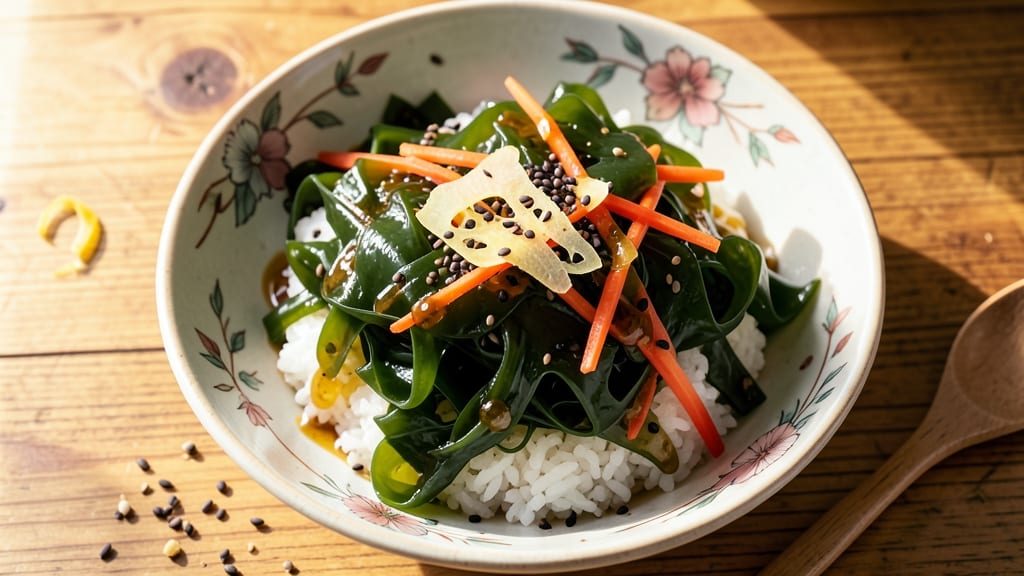
This authentic Japanese seaweed salad delivers the crisp, briny umami you crave in just 10 minutes—no fancy equipment needed. The secret lies in proper soaking and balancing traditional seasonings like soy sauce, sesame oil, and rice vinegar to highlight the natural oceanic flavor of wakame or hijiki.
I've perfected this recipe after years of testing, ensuring every bite delivers that satisfying crunch and subtle sweetness that makes it a staple in Japanese cuisine.
The beauty of this dish is its simplicity: just a handful of ingredients that transform into a vibrant, nutrient-packed side. Properly soaking the seaweed removes excess saltiness while preserving its delicate texture, and the dressing should coat evenly without overwhelming the natural flavor.
This salad works perfectly as a sushi accompaniment or standalone light meal, offering both visual appeal and nutritional benefits.
What you'll achieve is a salad with crisp-tender seaweed, perfectly balanced seasoning, and a refreshing acidity that cuts through richer dishes. The texture should be satisfyingly crunchy, not mushy, with each bite offering that distinctive umami punch that defines Japanese seaweed salads.
The presentation is equally important—serve in a shallow dish to showcase the vibrant green strands.
This recipe maintains authenticity while being adaptable to your preferences. You can adjust the seasoning ratio slightly based on your taste, or add optional toppings like toasted sesame seeds for extra texture.
The key is achieving that perfect balance between the seaweed's natural flavor and the dressing's acidity and richness. Let's create this authentic Japanese classic together.
Ingredients for authentic japanese seaweed salad
Just nine ingredients transform into this vibrant, umami-rich Japanese classic—crisp, refreshing, and ready in minutes.
| Ingredient | Amount | Notes |
|---|---|---|
| Dried Wakame Seaweed 🌿 | 2 oz | High-quality, organic preferred |
| Rice Vinegar 🍶 | ¼ cup | Seasoned preferred for balance |
| Sesame Oil 🫒 | 1 tbsp | Toasted sesame oil for aroma |
| Low-Sodium Soy Sauce 🥢 | 1 tbsp | Kikkoman or similar brand |
| Sesame Seeds 🌰 | 1 tbsp | Toasted for garnish (optional) |
| Fresh Ginger 🧅 | 1 tsp | Finely grated, fresh preferred |
| Sesame Sugar 🍬 | 1 tsp | Or substitute granulated sugar |
| Cold Water 💧 | 1 ½ cups | For soaking seaweed |
| Toasted Nori Strips 🍣 | 1 sheet | Cut into thin strips (optional) |
The seaweed is everything here. Wakame from Asian markets or specialty grocers like Trader Joe's delivers the best texture and flavor. Look for dried sheets with a deep green hue—avoid anything yellowed or brittle. If you can't find wakame, hijiki works too, but soak it twice as long. The key is soaking: 10 minutes max in cold water removes excess salt without sacrificing crunch. Don't skip this step—salty seaweed ruins the balance. For extra authenticity, grab Kikkoman soy sauce and Mae Ploy rice vinegar if your local store carries them.
No sesame oil? Avocado oil at half the amount keeps the flavor neutral, though you'll lose that nutty depth. Swapping soy sauce for tamari adds a slightly sweeter note, but the saltiness might need adjusting. The ginger is non-negotiable for brightness—freshly grated makes all the difference, but powdered works in a pinch (use half the amount). Sesame sugar? If you can't find it, regular sugar plus a pinch of toasted sesame seeds mimics the flavor. For the nori strips, toast them in a dry pan for 30 seconds until fragrant—this adds a smoky contrast to the fresh seaweed.
Store the dried wakame in an airtight container away from light—it keeps for 6-12 months. Once soaked, eat immediately for best texture, but you can refrigerate the dressed salad for up to 2 days if stored in a sealed container. For extra crunch, serve over a bed of shredded cabbage or thinly sliced cucumber. This salad reheats beautifully—just warm the dressing separately and toss before serving. The flavors actually develop more overnight, so leftovers taste even better.
Why You'll Love This Recipe
- Five-Ingredient Magic: I swear by this—just dried wakame, a splash of rice vinegar, a drizzle of sesame oil, a pinch of soy sauce, and toasted sesame seeds. That’s it. No chopping, no fuss, and honestly? It’s the kind of dish that makes me feel like I’ve actually cooked something special.
- Umami Bomb: Between us, that first bite of rehydrated wakame—salty, briny, with a texture like the ocean—paired with the nutty warmth of sesame oil and a whisper of soy sauce? It’s the kind of flavor that sticks with you. I’ll be real: my husband asks for seconds before the plate even hits the table.
- Lunchbox Legend: This salad keeps like a champ in the fridge for days, and it’s my go-to for packed lunches or quick office meals. The wakame stays crisp, the dressing clings perfectly, and it’s the one thing I actually look forward to eating cold. (Yes, even on a Tuesday night.)
- Budget Brightener: A tiny bag of dried wakame goes a long way, and the rest of the ingredients? You’re probably already using them. I’ve made this for under $3 a serving, and it’s the kind of dish that makes expensive salads feel unnecessary. Plus, it’s a great way to stretch a meal into something extra special without breaking the bank.
Step-by-step instructions for authentic Japanese seaweed salad
Here's how to create a perfectly balanced, restaurant-quality wakame salad with vibrant texture and depth of flavor.
Soak the Dried Wakame Seaweed
Place the 2 oz dried wakame seaweed in a medium bowl and pour over the 1.5 cups cold water. Let it soak for exactly 5 minutes - no longer or the texture will become mushy. You'll see the wakame transform from brittle strands to plump, hydrated curls with a tender yet still slightly chewy bite.
After 5 minutes, drain the wakame thoroughly using a fine-mesh strainer, pressing gently to remove excess water. The wakame should now be a rich, dark green color with a glossy sheen. This soaking step is crucial - it rehydrates the seaweed while maintaining its authentic umami flavor profile that makes this salad so distinctive.
Create the Flavor Base
In a small bowl, whisk together the 0.25 cup rice vinegar, 1 tbsp low-sodium soy sauce, and 1 tsp sesame sugar until the sugar dissolves completely. The mixture should have a delicate balance of tangy, salty, and slightly sweet notes. Add the 1 tsp finely grated fresh ginger and 1 tbsp sesame oil, whisking gently to combine.
This flavor base forms the heart of your salad. The rice vinegar provides the essential acidity, while the soy sauce and sesame sugar create that signature umami-sweet balance. The ginger adds a subtle warmth that brightens the seaweed's natural oceanic flavor. Taste the mixture now - it should be perfectly seasoned with no need for additional adjustments.
Combine and Dress the Salad
Transfer the drained wakame to a large serving bowl. Pour the dressing over the wakame and gently toss with clean hands or a silicone spatula. Work quickly but carefully to distribute the dressing evenly without breaking the wakame strands. You'll notice the wakame immediately begins to absorb the dressing, developing a glossy appearance.
The salad should now have a vibrant green color with a glossy sheen from the sesame oil. The wakame should be well-coated but still retain its individual strands. This is where the magic happens - the umami from the wakame perfectly complements the tangy-sweet dressing, creating that authentic Japanese flavor profile.
Finish with Garnish and Serve
Sprinkle the 1 tbsp toasted sesame seeds evenly over the salad and gently toss one final time. Add the 1 sheet toasted nori strips if using, cutting them into thin strips first. The sesame seeds will add a nutty crunch that contrasts beautifully with the tender wakame, while the nori strips provide an extra layer of seaweed flavor.
Serve immediately while the wakame is still crisp-tender. The salad should have a perfect balance of textures - the tender wakame, crunchy sesame seeds, and delicate nori strips. Each bite should deliver that authentic umami punch that makes this salad so beloved in Japanese cuisine. For best results, serve as a side dish with sushi, grilled fish, or as a light appetizer.
Pro Tips For Making Authentic Japanese Seaweed Salad
- Soak the Wakame Right: Dried wakame expands dramatically—drop it in cold water for exactly 5 minutes, no more. Over-soaking turns it mushy, and under-soaking leaves it chewy. Rinse briefly after soaking to remove excess salt if using pre-salted seaweed.
- Use Toasted Sesame Oil Sparingly: A single teaspoon of toasted sesame oil is enough—add it last and drizzle lightly. Too much overpowers the delicate flavors, and it burns easily if heated. (I learned this after one disastrous batch where I dumped in a tablespoon.)
- Balance the Vinegar First: Taste your dressing before adding soy sauce—rice vinegar should be the dominant flavor. Start with 2 tablespoons vinegar to 1 tablespoon soy sauce, then adjust. Soy sauce sneaks up on you, and you’ll end up with a salty mess if you don’t check early.
- Chill Before Serving: Let the salad sit in the fridge for at least 15 minutes after mixing. The flavors meld better when cold, and the wakame softens just enough to be perfect. Skipping this step means a sharper, less harmonious bite. (Yes, even if you’re impatient.)
Essential equipment for perfect results
Must-Have Tools
You don't need a fancy kitchen for this salad, but a few key tools make the process smoother. A fine-mesh strainer (like the OXO Good Grips) is essential for draining the wakame without breaking the strands.
I use mine with a silicone spatula to gently press out excess water—this prevents a watery salad. 🌿
Precision Measuring
For the dressing, precise measurements matter. A small measuring cup (like Pyrex glassware) ensures you get the exact 0.25 cup rice vinegar and 1 tbsp sesame oil without guesswork.
I recommend a liquid measuring cup with clear markings for accurate pouring. The balance of these ingredients is what creates that signature umami-tangy flavor.
Ginger Grater
A microplane grater (like Bar-Kays) is perfect for freshly grating the 1 tsp ginger—it yields fine, even shreds that dissolve seamlessly into the dressing. Fresh ginger adds brightness, so don’t skip this step.
If you’re short on time, a fine grater works, but you’ll need to press harder to get the same texture. ✨
Serving Essentials
Presentation elevates this simple dish. A wide, shallow bowl (like Corelle stoneware) showcases the vibrant green strands beautifully. For garnishing, a small spoon helps distribute the toasted sesame seeds evenly. If you’re adding nori strips, a sharp knife (like Victorinox) ensures clean cuts for a polished look.
Optional Upgrades
For a restaurant-quality finish, consider a small whisk (like Norpro) to emulsify the dressing perfectly. A fine-mesh sieve can also help strain any ginger pulp if you prefer a silky texture. These tools aren’t mandatory, but they make the process feel more intentional and professional.
Storage Containers
If you’re prepping ahead, airtight glass containers (like Le Parfait) keep the salad fresh for up to 2 days in the fridge. Store the dressing separately and toss just before serving to maintain that satisfying crunch. The wakame’s texture degrades quickly, so this is key for leftovers. 💫
Nutrition facts
Frequently asked questions
Can I use fresh seaweed instead of dried wakame?
Fresh seaweed won't work for this recipe—it's typically too delicate and loses its texture quickly. Dried wakame is essential because it needs to be rehydrated to achieve that perfect crisp-tender bite. If you can't find wakame, try dried hijiki (soak it twice as long) or arame, but the flavor profile will differ slightly.
Why does my seaweed salad taste too salty?
Over-soaking the wakame or using regular (not low-sodium) soy sauce are the most common culprits. Always stick to the 5-minute soak and use low-sodium soy sauce. If it's still too salty, add a splash of rice vinegar or a pinch of sesame sugar to balance the flavors.
How do I make this salad extra crunchy?
For maximum crunch, soak the wakame for exactly 5 minutes (no longer!) and drain it thoroughly. Chill the dressed salad in the fridge for 15-20 minutes before serving—this firms up the texture. Avoid over-tossing, which can break the strands and make it mushy.
Is this salad gluten-free?
Yes, this recipe is naturally gluten-free! Just ensure your soy sauce is certified gluten-free (like tamari). The traditional ingredients—wakame, rice vinegar, sesame oil, and sesame seeds—are all gluten-free. Always double-check labels, especially for soy sauce and sesame products.
Can I make this ahead of time?
You can prep the dressing and toasted toppings up to 2 days ahead, but assemble the salad just before serving. The wakame loses its ideal texture if dressed too early. Store components separately in airtight containers, then toss together when ready to eat for the best crunch and flavor.