
Salads
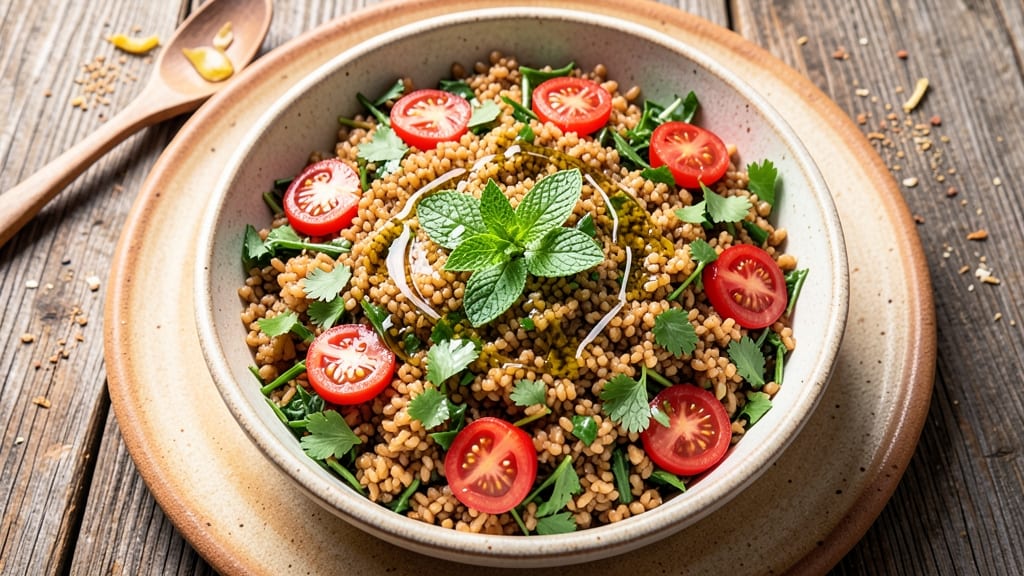
This authentic Lebanese tabbouleh salad recipe delivers the vibrant herb zing and perfect texture that makes it a staple at Middle Eastern tables. The secret lies in the precise balance of fluffy bulgur, fresh parsley hearts, and bright lemon dressing—each ingredient playing its part in creating that signature crunch and tang. I've perfected this version after years of testing, ensuring every bite captures the essence of Lebanese home cooking.
The foundation begins with properly soaked bulgur—never skip this step, as it transforms the grains from chewy to tender while absorbing the lemony dressing perfectly. Fresh herbs are essential: parsley provides the signature crunch, while mint adds a refreshing depth that elevates the dish beyond a simple grain salad.
Traditional techniques like finely chopping the herbs and mixing everything just before serving preserve the vibrant colors and textures that define authentic tabbouleh.
What you'll end up with is a salad that's as visually stunning as it is delicious—bright green, fragrant, and bursting with freshness. The bulgur remains distinct yet tender, the parsley stays crisp, and the lemon dressing ties everything together with its bright, zesty notes.
This isn't just a side dish; it's a celebration of Lebanon's culinary heritage in every bite.
Serve it as a refreshing starter, a light lunch, or alongside grilled meats for a complete meal. The beauty of tabbouleh is its versatility—it works equally well at summer picnics or elegant dinner parties. Here's how to make it authentically at home.
Ingredients for authentic lebanese tabbouleh salad
Fresh herbs, fluffy bulgur, and bright lemon make this vibrant Lebanese classic.
| Ingredient | Amount | Notes |
|---|---|---|
| Fine Bulgur Wheat 🌾 | 1 cup | Rinsed thoroughly before soaking |
| Fresh Parsley Hearts 🌿 | 2 cups | Stems removed, finely chopped |
| Fresh Mint Leaves 🍃 | ½ cup | Finely chopped, stems removed |
| Medium Tomatoes 🍅 | 2 whole | Ripe, diced, seeds removed |
| Extra-Virgin Olive Oil 🫒 | ½ cup | High quality, fruity variety |
| Fresh Lemon Juice 🍋 | ¼ cup | About 2 lemons, freshly squeezed |
| Garlic Cloves 🧄 | 2 cloves | Minced finely for subtle flavor |
| Kosher Salt 🧂 | 1 ½ tsp | Diamond Crystal preferred |
| Ground Black Pepper 🌶️ | ½ tsp | Freshly cracked preferred |
| Red Onion 🧅 | ¼ cup | Finely diced, about 1/4 small onion |
| Cucumber 🥒 | ½ cup | Peeled, seeded, diced (optional) |
The bulgur is non-negotiable—fine bulgur from the Middle Eastern aisle (or Trader Joe's) gives that signature tender texture. Soak it in hot water for 20 minutes before mixing, then drain well. Fresh parsley hearts are a game-changer over regular parsley—they stay crisp longer. I always grab a big bunch from the farmers market—the stems are edible if chopped finely. For mint, Moroccan mint if available, but regular works too. Skip the pre-washed bags—those herbs get sad fast.
No parsley? Cilantro or dill at half the amount works in a pinch, but it won't be authentic. Short on tomatoes? Cherry tomatoes work great—just halve them. The lemon juice is key—freshly squeezed is a must (bottled tastes flat). No garlic? Skip it or use 1 clove—it's subtle but essential. For extra crunch, add the cucumber right before serving (it gets soggy if mixed in early). The olive oil should be fruity and peppery—none of that cheap cooking oil stuff.
This keeps 3-4 days in the fridge, but the parsley gets sad after day 2. Store the dressing separately if making ahead—mix everything just before serving for that signature crunch. The bulgur absorbs liquid, so if it looks dry, add a splash of water or lemon juice. For parties, double the batch—it disappears fast. Serve in hollowed-out tomatoes for a fancy touch, or just pile it high on a platter.
Why You'll Love This Recipe
- No-Soaking Needed: I’ll admit, I used to dread the long soak for bulgur—until I discovered soaking it in hot lemon water for just 15 minutes. That’s it. The wheat plumps up perfectly, and the tangy kick from the lemon? It’s the secret to that bright, fresh flavor without the fuss.
- Herb-Packed Punch: Between us, the parsley and mint in this salad are ridiculously good—crunchy, bright, and so fresh they make every bite feel like summer. The tomatoes add a juicy sweetness that balances the bulgur’s earthy bite, and honestly? I’ll take this over any store-bought salad kit.
- Meal Prep MVP: This keeps like a dream in the fridge for five days—no wilting, no sad textures. I make a big batch on Sundays, toss it into wraps for lunch, or serve it alongside grilled chicken for dinner. It’s my go-to for busy weeks because it’s always ready.
- Budget Brightener: Fresh herbs and tomatoes can feel pricey, but here’s the trick: buy parsley and mint in bunches, store them properly, and they’ll last longer than you’d think. A little olive oil and lemon juice stretch this salad into a side dish that feels fancy without breaking the bank.
Step-by-step instructions for authentic Lebanese tabbouleh salad
Here's how to make this vibrant, herby salad exactly like Lebanese grandmothers do.
Soak and Rinse the Bulgur Wheat
Place the 1 cup fine bulgur wheat in a medium bowl and cover it completely with cold water. Let it soak for exactly 30 minutes—this is crucial for achieving that perfect texture. After soaking, drain the bulgur thoroughly in a fine-mesh strainer and rinse it under cold water until the water runs completely clear. This rinsing step removes excess starch that can make your tabbouleh gummy. I like to press the bulgur gently between my fingers to ensure all the water is out before moving forward.
While the bulgur drains, you can prep the other ingredients. The key here is patience—don't rush the soaking or rinsing. Properly soaked bulgur is the foundation of great tabbouleh, and it should be tender but still hold its shape when squeezed. If you're short on time, you can soak it for up to 1 hour, but 30 minutes is ideal for that perfect bite.
Chop the Fresh Herbs and Vegetables
Remove the stems from the 2 cups fresh parsley hearts and finely chop both the stems and leaves—don't waste a single bit. This is where the authentic flavor comes from. For the 0.5 cup fresh mint leaves, chop them finely as well, keeping the stems out. The herbs should be as finely chopped as you can manage, almost like a salsa consistency. I use a sharp chef's knife and chop everything on a large cutting board, working in batches if needed.
Next, dice the 2 whole medium tomatoes into small pieces, removing the seeds first. Finely dice the 0.25 cup red onion and peel and dice the 0.5 cup cucumber if you're using it. The vegetables should be small and uniform—this ensures even distribution throughout the salad. Taste as you go; the parsley should dominate, but the other flavors should complement it. If your herbs are particularly strong, you might want to reduce the mint slightly.
Mix the Dressing Ingredients
In a small bowl, combine the 0.5 cup extra-virgin olive oil, 0.25 cup fresh lemon juice, minced 2 cloves garlic, 1.5 tsp kosher salt, and 0.5 tsp ground black pepper. Whisk everything together until fully emulsified. This dressing is the soul of your tabbouleh—bright, tangy, and aromatic. I like to let it sit for a few minutes while I finish chopping everything else, allowing the flavors to meld together. The lemon juice should be freshly squeezed for maximum zing, and the olive oil should be high quality to carry all the flavors beautifully.
Taste the dressing before combining with the other ingredients. It should be balanced—bright from the lemon, rich from the olive oil, and just slightly garlicky. If it needs more acidity, add a splash more lemon juice. If it needs more salt, add it gradually. This is your chance to adjust before committing to the full salad.
Combine All Ingredients
In a large mixing bowl, combine the drained bulgur wheat, chopped parsley, mint, tomatoes, red onion, and cucumber. Pour the dressing over the mixture and gently fold everything together with your hands or a large spoon. Be careful not to mash the herbs—they should remain vibrant and slightly crunchy. The salad should look lush and green, with the bulgur evenly distributed among the herbs and vegetables. If it seems too dry, add a splash more lemon juice or olive oil to loosen it up.
Let the tabbouleh sit at room temperature for at least 30 minutes before serving. This resting time allows all the flavors to meld together perfectly. I often make it a few hours ahead—it actually tastes better the next day as the flavors deepen. If you're serving it immediately, give it at least 15 minutes to let the bulgur absorb the dressing and the flavors come together.
Serve and Enjoy
Transfer the tabbouleh to a large serving bowl and give it one final gentle toss. The salad should be vibrant, herby, and just slightly crunchy from the fresh parsley and mint. Taste and adjust seasoning if needed—sometimes the bulgur absorbs more of the dressing than expected, requiring a bit more lemon juice or salt. Serve it immediately as a refreshing side dish or as a light main course with warm pita bread.
This authentic Lebanese tabbouleh is all about balance—the bright lemon, the rich olive oil, the fresh herbs, and the slightly chewy bulgur. Each bite should be a perfect harmony of flavors and textures. The secret is in the freshness of the ingredients and the proper soaking of the bulgur. When done right, this salad is truly a taste of Lebanon, bright and zesty with every bite.
Pro Tips For Making Authentic Lebanese Tabbouleh Salad
- SOAK BULGUR 30 MINUTES: I learned this the hard way—skipping the soak leaves you with chewy, undercooked grains. Use twice the water (1 cup bulgur to 2 cups boiling water) and let it sit covered, off the heat, until all the liquid is absorbed. No peeking: the steam does the work.
- CHOP PARSLEY SMALLER THAN YOU THINK: Fine bulgur needs fine herbs to balance it. Pulse parsley in a food processor until it’s confetti-sized, not chunky. Same goes for mint—too many big leaves and you’ll taste texture, not flavor. (Yes, even if you’re impatient like me.)
- DRESS TOMATOES FIRST: Toss halved tomatoes with a splash of olive oil and lemon juice before mixing everything. This softens them slightly and keeps them from turning mushy when you combine everything. Skip this, and your salad gets watery fast.
- SALT THE BULGUR WATER: A pinch of salt in the soaking water (½ teaspoon) prevents blandness later. Bulgur absorbs everything, so if you forget, add a little salt to the final mix—but you’ll still taste the difference. (Your future self will notice.)
Creative variations of this authentic lebanese tabbouleh salad
Herb Variations
Swap the parsley for cilantro if you prefer a more citrusy note, but reduce to 1.5 cups since it's milder. For a Mediterranean twist, mix in 1 tbsp chopped dill—it adds a fresh, slightly sweet contrast to the lemon.
I once used fresh basil in a summer version, but it overpowered the parsley, so keep it subtle if experimenting. 🌿
Protein Additions
Transform tabbouleh into a hearty meal by folding in ½ cup cooked quinoa for extra protein. For a traditional Lebanese touch, stir in ½ cup shredded grilled chicken or crumbled feta cheese (about ¼ cup) just before serving.
The cheese adds a creamy contrast, but omit if keeping it strictly vegetarian. I love serving this with warm pita bread for scooping up every last bite.
Seasonal Twists
In summer, add ½ cup diced cucumber and a handful of chopped radishes for extra crunch. For fall, swap tomatoes for roasted butternut squash cubes (about 1 cup) and add ½ tsp ground cumin to the dressing.
Winter calls for caramelized onions (sauté ½ cup thinly sliced onions until golden) mixed in for depth. Each season brings its own vibrant variation! 🍂
Global Fusion
For a Greek-inspired tabbouleh, fold in ¼ cup chopped kalamata olives and 2 tbsp capers for briny contrast. A Mexican twist? Add ½ cup diced avocado and 1 tbsp lime juice instead of lemon.
I once made a Thai-inspired version with 1 tbsp fish sauce in the dressing and red chili flakes—it was bold but delicious. Always balance bold flavors with the classic parsley base.
Dietary Adaptations
For gluten-free, use quinoa or millet instead of bulgur (soak 1 cup quinoa for 15 minutes in hot water). Vegan? Skip the feta and use vegan olive oil (like Primal Kitchen) for the dressing.
For low-carb, reduce bulgur to ½ cup and add 1 cup chopped cauliflower rice (sautéed lightly). Each adaptation keeps the herby essence intact while fitting dietary needs. 💪
Nutrition facts
Frequently asked questions
Why does authentic tabbouleh use parsley hearts instead of regular parsley?
Parsley hearts have thicker stems that stay crisp longer when chopped finely, giving that signature crunch in every bite. Regular parsley tends to wilt faster, losing texture. The stems are edible and packed with flavor—never waste them! For best results, use a mix of stems and leaves, chopped uniformly.
Can I make tabbouleh ahead of time?
Yes, but with a key adjustment: store the bulgur, herbs, and vegetables separately from the dressing. Mix everything just before serving to preserve the vibrant colors and crisp texture. The bulgur absorbs liquid over time, so if you must mix it ahead, add a splash of lemon juice or olive oil when ready to serve. It actually tastes better the next day as flavors meld!
What's the best way to soak bulgur for tabbouleh?
Use hot water for 30 minutes (not cold) to achieve that perfect tender-but-firm texture. Drain thoroughly and rinse under cold water until the water runs clear—this removes excess starch that makes tabbouleh gummy. Press the bulgur gently between your fingers to check doneness: it should be soft but still hold its shape. Never skip soaking!
How do I keep my tabbouleh from getting soggy?
Store components separately in airtight containers, keeping the dressing on the side. Add cucumbers or other watery veggies just before serving. If using feta, add it last to prevent melting. For extra insurance, sprinkle a tiny pinch of salt on the herbs before storing—they'll stay fresher longer. The secret is freshness: use herbs within 24 hours of purchase for best results.
Can I substitute bulgur for another grain?
For gluten-free versions, use quinoa or millet (soak 15 minutes in hot water). For a nuttier flavor, try freekeh (soak 20 minutes). The texture will differ slightly, but the herb-to-grain ratio should remain 3:1 (herbs to bulgur equivalent). Always rinse grains thoroughly after soaking to remove excess starch.