
Side Dishes
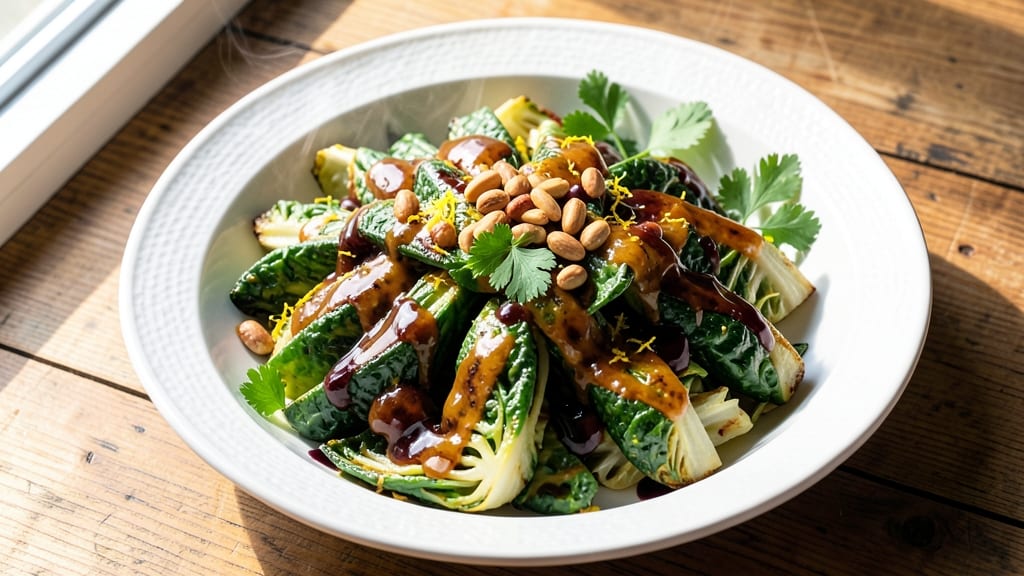
This baked cabbage salad delivers crispy edges and tender, caramelized centers that transform a simple vegetable into a showstopping side dish. The secret lies in roasting the cabbage wedges until they're golden and slightly sweet, creating a texture that's both satisfying and elegant.
I developed this recipe after searching for a way to elevate cabbage beyond its usual boiled or raw forms—this method delivers restaurant-quality results at home.
The process is straightforward: cabbage wedges are roasted until tender yet still hold their shape, then tossed with a bright, tangy dressing that cuts through the natural sweetness. A sprinkle of toasted nuts or seeds adds crunch, while fresh herbs bring freshness to balance the caramelized flavors.
The key to success is baking at the right temperature—400°F ensures even cooking without burning.
What you'll end up with is a salad that's hearty enough to serve as a main dish for vegetarians, yet light enough to complement grilled meats or rich entrees. The caramelized cabbage holds its shape beautifully, making it perfect for meal prep or serving immediately.
Every bite delivers a perfect balance of textures and flavors that will have everyone asking for seconds.
This recipe works equally well as a standalone dish or paired with proteins like chicken, pork, or fish. The dressing can be adjusted to suit your taste—whether you prefer a creamy vinaigrette or a zesty lemon-based option.
Let's get started on creating this versatile, crowd-pleasing salad that's sure to become a staple in your meal rotation.
Ingredients for baked cabbage salad
Caramelized cabbage wedges meet bright dressing—just 12 ingredients for restaurant-quality flavor.
| Ingredient | Amount | Notes |
|---|---|---|
| Green Cabbage 🥬 | 1 whole | Heaviest head, outer leaves removed |
| Extra-Virgin Olive Oil 🫒 | ¼ cup | For brushing cabbage wedges |
| Honey 🍯 | 2 tbsp | For caramelizing cabbage |
| Balsamic Vinegar 🍶 | ¼ cup | For dressing tanginess |
| Dijon Mustard 🌶️ | 1 tbsp | For dressing depth |
| Fresh Lemon Juice 🍋 | 2 tbsp | Freshly squeezed |
| Dried Thyme 🌿 | 1 tsp | Or 1 tbsp fresh thyme |
| Salt 🧂 | 1 ½ tsp | Kosher or sea salt |
| Black Pepper 🌶️ | ½ tsp | Freshly ground |
| Toasted Walnuts 🥜 | ½ cup | Or pecans, chopped |
| Fresh Parsley 🌿 | ¼ cup | Chopped for garnish |
| Garlic Cloves 🧄 | 2 cloves | Minced for dressing |
The cabbage is everything here. Look for heads with tightly packed leaves—they'll roast more evenly. I grab mine from Trader Joe's or the local farmers market when they're in season. The outer leaves might get crispy, but that's the point—it's what gives this salad that perfect texture contrast. For extra caramelization, brush the wedges with olive oil and honey before roasting. The honey isn't just for sweetness—it helps create those golden, crispy edges you're after. If you're using a smaller head, just roast it a bit longer to compensate.
No walnuts? Toasted pecans or slivered almonds work perfectly—they just bring a slightly different crunch. Fresh parsley wilting? Dried parsley at one-third the amount is fine, but fresh is worth it if you've got it. The dressing can be adjusted—more lemon for zing, less vinegar if you prefer it milder. Substitute apple cider vinegar if balsamic isn't available, though it'll have a slightly different flavor profile. For the garlic, I always use fresh—jarred minced garlic can make the dressing taste bitter. If you're short on time, though, it's not the end of the world.
Roasted cabbage keeps beautifully in the fridge for 4-5 days, though it's best eaten within 2 days for maximum crispness. The dressing should be made fresh, but you can prep it a day ahead and store it separately. To reheat, pop the cabbage in the oven at 350°F for 5-10 minutes—it's perfect for meal prep. I like to portion it into containers with the dressing on the side so I can control how much I add. The walnuts stay crispy if you toast them fresh before adding, but pre-toasted from the store works too. Just don't over-toast them or they'll turn bitter.
Why You'll Love This Recipe
- No-Sharp-Knife Night: I swear by this recipe when I’m too tired to hack through cabbage like a lumberjack. Just slice it thick—no mandoline needed—and let the oven do the work. The edges caramelize into sweet, crispy perfection while I’m still wiping mustard off my hands.
- Sweet-Savory Magic: That honey-balsamic glaze? It’s the secret weapon. The cabbage soaks up the richness while the Dijon mustard adds a tangy kick—like a dessert and a zingy wake-up call in one bite. Honestly, I’ve seen adults sneak seconds at potlucks for this alone.
- Meal-Prep MVP: Make a double batch and it’ll keep for days in the fridge, tasting even better as the flavors meld. Pack it for lunch, toss it over grilled chicken for dinner, or serve it cold at a summer barbecue. It’s the one salad that doesn’t wilt or get sad.
- Budget Bright Spot: Green cabbage is the unsung hero of affordable veggies, and this recipe stretches it into something fancy without breaking the bank. A splash of olive oil and a drizzle of honey turn basic into chef’s special—for less than $5 total. My wallet thanks me every time.
Step-by-step instructions for baked cabbage salad
Transform simple cabbage into a caramelized, crispy-edged delight with this foolproof method.
Prep and Season the Cabbage
Start by cutting the whole green cabbage in half from stem to base, then slice each half into 8 wedges. Remove the tough outer leaves and discard the core. Arrange the wedges cut-side down on a parchment-lined baking sheet, leaving about 1 inch between each piece.
In a small bowl, whisk together the 2 tablespoons honey, 1 teaspoon dried thyme, 1.5 teaspoons salt, and 0.5 teaspoon black pepper. Brush this mixture generously over each cabbage wedge, coating all sides. The honey will caramelize beautifully during baking, creating those sweet, crispy edges you're after.
Bake Until Caramelized and Tender
Preheat your oven to 400°F. Drizzle the 0.25 cup extra-virgin olive oil evenly over the cabbage wedges, making sure to coat the cut sides completely. Bake for 25 minutes, then flip each wedge and bake for another 20-25 minutes until the edges are deep golden brown and crispy, and a knife slides in easily with just slight resistance.
Real talk: don't peek too early. The cabbage needs time to develop that perfect caramelized crust. You'll know it's done when the edges look almost glass-like and the centers are tender enough to pierce with a fork. If they're browning too quickly, tent with foil for the last 10 minutes to prevent burning.
Make the Tangy Dressing
While the cabbage bakes, whisk together the 0.25 cup balsamic vinegar, 1 tablespoon Dijon mustard, 2 tablespoons fresh lemon juice, and the 2 minced garlic cloves in a small bowl. The mustard adds depth while the lemon brightens everything up. Taste and adjust seasoning with more salt or pepper if needed.
Slowly drizzle in the 0.25 cup extra-virgin olive oil while whisking continuously. This dressing should coat the back of a spoon but still pour smoothly. The balsamic will give you that perfect sweet-tangy balance that complements the caramelized cabbage beautifully. Let it sit for 5 minutes before serving to allow the flavors to meld.
Assemble and Garnish
Remove the cabbage from the oven and let it cool for 5 minutes. Transfer the wedges to a large serving platter. Drizzle the dressing evenly over the cabbage, letting it soak in for 2-3 minutes before serving. The warm cabbage will help the dressing cling perfectly.
Sprinkle the 0.5 cup toasted walnuts and 0.25 cup chopped fresh parsley over the top for texture and freshness. The walnuts add a nice crunch that contrasts beautifully with the tender cabbage, while the parsley brings a pop of color and freshness. Serve immediately while the cabbage is still warm and crispy—this salad tastes best right out of the oven!
Pro Tips For Making Baked Cabbage Salad
- ROAST UNTIL TENDER: Green cabbage stays stubbornly crunchy if you bake it too fast—aim for 35-40 minutes at 400°F (200°C) until the outer leaves soften and the core yields slightly when pierced with a knife. Flip the wedges halfway if your sheet pan is crowded; I learned this the hard way when my first batch stayed rock-hard on one side.
- SHRED SMALLER THAN YOU THINK: Thinly sliced cabbage cooks faster and soaks up dressing better—cut into ¼-inch ribbons, not the usual ½-inch chunks. I used to eyeball it and end up with uneven texture; now I measure against a ¼-inch ruler for consistency. Trust me, the salad will feel lighter and more balanced.
- EMULSIFY THE DRESSING FIRST: Whisk the Dijon mustard into the olive oil before adding honey or vinegar—this prevents separation later. I used to toss everything in at once, and half the time the dressing would split. A quick 30-second whisk with a fork makes all the difference, especially if you’re using a heavier olive oil.
- SWEAT THE CABBAGE FIRST: Skip the raw bite by giving the cabbage a 5-minute head start in a dry pan over medium heat—just until the edges wilt. This cuts baking time by 10 minutes and guarantees a silky texture. (Yes, it’s an extra step, but your salad will taste like it simmered for hours.)
Troubleshooting great baked cabbage salad
Uneven Baking Issues
If your cabbage wedges are browning too quickly on the edges but staying tough in the center, you're likely dealing with overcrowding or incorrect oven placement. Arrange wedges with at least 1 inch between them on your baking sheet—this allows hot air to circulate properly.
I've found that placing the sheet on the middle rack (not the top) prevents the top from burning while the bottom stays undercooked. 🌡️
Another common issue is using a small or shallow baking sheet that doesn't distribute heat evenly. Upgrade to a half-sheet pan if possible—it provides better airflow and more even cooking.
If you're using a glass baking dish, switch to metal for this recipe, as glass can create hot spots that burn the edges while leaving centers raw.
Dressing Too Thin
The dressing might be too thin if it separates or doesn't cling to the cabbage properly. The key is emulsification—whisk the vinegar, mustard, and lemon juice vigorously before slowly drizzling in the olive oil.
I use a hand mixer for this step to ensure a proper emulsion. If your dressing still separates, add 1 teaspoon of Dijon mustard or a pinch of xanthan gum to help stabilize it.
For extra body, consider adding 1 tablespoon of Greek yogurt or mayonnaise to the dressing. This creates a creamier texture that clings beautifully to the warm cabbage. Just be sure to whisk it in at the very end to maintain the emulsion.
Cabbage Too Soft
Overcooked cabbage becomes mushy because it's either baked too long or at too high a temperature. The ideal doneness is when a knife slides in with slight resistance—this means the cabbage is tender but still holds its shape.
If your oven runs hot, reduce the temperature to 375°F for the second baking phase. I've also had success using a wire cooling rack under the baking sheet to allow heat to escape from the bottom, preventing overcooking.
For extra insurance, check the cabbage at 20 minutes after flipping and tent with foil if it's browning too quickly. The goal is golden, crispy edges with tender, caramelized centers—not a completely soft wedge.
If you're still struggling, try baking at 350°F for the entire 45-50 minutes instead of flipping.
Honey Not Caramelizing
The honey might not caramelize properly if it's not hot enough when applied or if the cabbage isn't baked long enough. Always brush the honey mixture onto the cabbage after preheating the oven to ensure maximum heat transfer.
For extra caramelization, broil the cabbage for the last 2-3 minutes of cooking—just watch it closely to avoid burning. 🔥
If your honey is too runny (like store-bought liquid honey), mix it with ½ teaspoon of cornstarch before brushing it on. This creates a thicker glaze that caramelizes more effectively.
I've also found that raw honey works better than processed honey because it has a higher sugar content that caramelizes more dramatically.
Dressing Too Tangy
If the balsamic dressing tastes overly sharp, you can balance it by adding more olive oil or a touch of sweetness. Drizzle in an extra 1 tablespoon of olive oil to mellow the acidity, or add ½ teaspoon of honey to the dressing itself.
The goal is a sweet-tangy balance—taste as you go and adjust gradually. For a smoother texture, strain the dressing through a fine-mesh sieve to remove any garlic bits that might make it bitter.
Another trick is to let the dressing sit for 10-15 minutes before serving—this allows the flavors to mellow slightly.
If you're still not happy with the tang, reduce the balsamic vinegar by 1 tablespoon and replace it with an equal amount of apple cider vinegar, which has a milder taste.
Nutrition facts
Frequently asked questions
Can I use red cabbage instead of green?
Red cabbage works beautifully and adds vibrant color to your dish. The flavor is slightly sweeter and more peppery than green cabbage, so you might want to reduce the honey to 1 tablespoon instead of 2 to avoid overpowering sweetness. The baking time remains the same, but keep an eye on it—the red hue can darken faster.
How do I make this vegan?
This recipe is already vegan-friendly, but you can enhance it further by using vegan honey substitute (like agave syrup) and ensuring your balsamic vinegar is vegan-certified. For extra richness, swap the walnuts for toasted pumpkin seeds or sunflower seeds. The dressing stays perfectly vegan as written—just check your Dijon mustard for animal-derived ingredients.
Can I bake the cabbage ahead of time?
Yes! Bake the cabbage up to 2 days ahead and store it in an airtight container in the fridge. Reheat at 350°F for 10 minutes before assembling with the dressing to restore crispness. The flavor actually improves overnight as the cabbage absorbs the caramelized sugars. Just add fresh parsley and walnuts right before serving to keep them crisp.
What if I don't have Dijon mustard?
No problem! Use yellow mustard in a 1:1 ratio, though it'll be slightly milder. For extra depth, mix ½ teaspoon of smoked paprika into the dressing. If you're completely without mustard, a pinch of garlic powder will add similar savory complexity. The honey and balsamic will still create that perfect sweet-tangy balance without it.
Is this salad good cold?
While it's best served warm, you can enjoy it cold after 1-2 hours in the fridge. The textures will change slightly—the cabbage will be softer and the dressing may separate a bit. To revive it, toss with a splash of warm water or reheat the cabbage briefly. For a cold version, add avocado slices or crumbled feta for extra richness.