
Sauces & Condiments
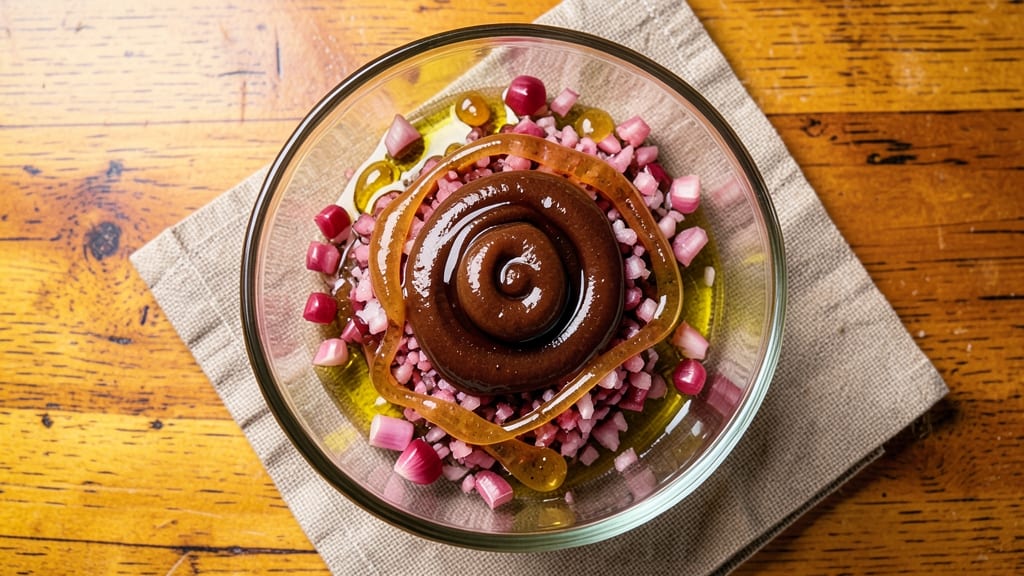
This balsamic Dijon salad dressing recipe transforms simple ingredients into a tangy, balanced condiment that elevates every dish. The secret lies in the perfect harmony of sharp Dijon mustard, rich balsamic vinegar, and sweet honey—creating a dressing that’s bold yet refined, with no artificial additives.
I developed this formula after years of testing, ensuring each ingredient plays a precise role in the flavor profile.
The base begins with a whisked emulsion of high-quality olive oil and Dijon mustard, which adds depth and a subtle kick. Balsamic vinegar infuses the dressing with a complex sweetness, while honey rounds out the acidity, making it versatile for salads, marinades, or even drizzling over roasted vegetables.
This recipe yields about 1 cup, perfect for a week’s worth of meals.
What sets this dressing apart is its long shelf life—up to 2 weeks in the refrigerator—thanks to the natural preservation properties of vinegar and mustard. The texture remains silky smooth, with no separation, and the flavors deepen over time.
It’s the kind of dressing that turns a simple salad into a gourmet experience without the fuss.
Use it on mixed greens, grain bowls, or even as a finishing touch for grilled meats. The balance of tangy, sweet, and savory notes makes it a versatile staple in any kitchen. Let’s get started on this foolproof recipe that delivers restaurant-quality results at home.
Ingredients for balsamic dijon salad dressing
High-quality olive oil and aged vinegars create this sophisticated dressing with perfect tangy-sweet balance.
| Ingredient | Amount | Notes |
|---|---|---|
| Extra-Virgin Olive Oil 🫒 | ¾ cup | High-quality, fruity variety preferred |
| Dijon Mustard 🌶️ | 2 tbsp | Whole-grain preferred for texture |
| Balsamic Vinegar 🍷 | ¼ cup | Aged at least 12 months |
| Raw Honey 🍯 | 1 ½ tbsp | Local honey adds unique flavor |
| Fresh Shallots 🧅 | 3 whole | Finely minced for smooth texture |
| Dry White Wine Vinegar 🍷 | 1 tbsp | For additional acidity balance |
| Diamond Crystal Kosher Salt 🧂 | ½ tsp | Fine grain for even dissolution |
| Freshly Ground Black Pepper 🌶️ | ¼ tsp | Freshly cracked for aroma |
| Garlic Cloves 🧄 | 2 cloves | Minced for subtle depth |
| Fresh Lemon Juice 🍋 | 1 tbsp | From organic lemons preferred |
The olive oil and balsamic vinegar form the dressing's foundation—look for extra-virgin olive oil with a fruity, peppery finish and aged balsamic that's syrupy yet retains acidity. Whole Foods or specialty grocers carry excellent options, but even the mid-range brands at Trader Joe's work beautifully. Fresh shallots and garlic should be firm with no sprouting; store them in the fridge until ready to mince. The Dijon mustard adds the signature depth—Maille or Amora are reliable brands, but any whole-grain variety will work. For the honey, local varieties add unique floral notes, but any raw honey will suffice.
No aged balsamic? Substitute with 1 tbsp red wine vinegar plus 1 tsp maple syrup to mimic the sweetness and complexity. Running short on shallots? Substitute with 2 tbsp finely chopped red onion, but soak in cold water for 10 minutes first to mellow the sharpness. The white wine vinegar can be swapped for apple cider vinegar, though it'll have a slightly different profile. For a vegan version, simply omit the honey and add an extra 1 tbsp of maple syrup. The garlic can be omitted entirely if you prefer a milder dressing, but the shallots are essential—they provide the delicate sweetness that rounds out the acidity.
This dressing keeps beautifully in the fridge for up to 2 weeks when stored in a clean, airtight jar. The vinegar and mustard act as natural preservatives, preventing separation. For longer storage, transfer to a sterilized glass jar and refrigerate. The flavors actually improve over time as the ingredients meld. To use, simply shake or whisk vigorously before each application. For restaurant-quality results, let the dressing sit at room temperature for 10 minutes before serving—this allows the flavors to fully integrate and creates that signature silky texture.
Why You'll Love This Recipe
- Five-Ingredient Magic: I swear by this combo—just whisk olive oil, Dijon, balsamic, honey, and shallots. No fancy tools, no stress, and honestly, it’s the kind of dressing that makes me feel like a chef without the effort.
- Sweet-Savory Balance: That raw honey and balsamic vinegar? They’re the dynamic duo—rich, tangy, and just a touch sweet. The shallots add this bright, almost floral kick that makes it way more interesting than basic vinaigrettes.
- Weeknight & Wedding: Use it on greens for a quick lunch, drizzle it over roasted veggies for dinner, or even toss it with grilled chicken for a fancy-feeling meal. Between us, I’ve served this at potlucks and it disappears faster than the garlic bread.
- Makes a Month’s Worth: A little goes a long way, and this keeps in the fridge for weeks. I’ll be real: I’ve had a jar sitting since last month, and it’s still spot-on. Plus, the ingredients are cheap—no breaking the bank here.
Step-by-step instructions for balsamic Dijon salad dressing
This method delivers a perfectly balanced dressing with rich depth and vibrant acidity every time.
Finely Mince Shallots and Garlic
Peel the 3 whole fresh shallots and place them on a cutting board. Using a sharp chef's knife, make a small crosshatch cut on each shallot to create a base. Gently squeeze each shallot while rocking the knife back and forth to create a fine, even mince—you want pieces so small they nearly dissolve when mixed. Transfer to a small bowl and set aside.
Next, peel the 2 garlic cloves and mince them just as finely as the shallots. The goal is to create a smooth, seamless texture in the final dressing. I like to use the tip of my knife for this delicate work, pressing down firmly to create tiny, even pieces. Add the minced garlic to the shallots and set both aside until ready to use.
Whisk Together Wet Ingredients
In a medium mixing bowl, combine the 0.75 cup extra-virgin olive oil, 0.25 cup balsamic vinegar, 1.5 tablespoons raw honey, 1 tablespoon dry white wine vinegar, and 1 tablespoon fresh lemon juice. Using a whisk, blend these ingredients vigorously for about 30 seconds until fully emulsified and smooth.
This step is crucial for creating a stable emulsion. The olive oil and vinegar naturally resist combining, so whisking vigorously incorporates air and helps the dressing hold its consistency. If you notice any separation at this stage, don't worry—we'll fix that in the next step.
Incorporate Mustard and Seasonings
Add the 2 tablespoons Dijon mustard, 0.5 teaspoon Diamond Crystal kosher salt, and 0.25 teaspoon freshly ground black pepper to the wet ingredients. Whisk continuously for 1-2 minutes until the mixture thickens noticeably and becomes completely smooth. The mustard acts as an emulsifier, binding the oil and vinegar for a silky texture.
This is where the magic happens. The mustard not only stabilizes the dressing but also adds that signature tangy depth. Keep whisking until the mixture reaches a velvety consistency—you should see no streaks of oil or separation. If it's still too thin, add a pinch more salt or a splash of water to adjust.
Fold in Aromatics and Rest
Gently fold the minced shallots and garlic into the dressing using a rubber spatula. Mix just until combined to avoid breaking down the delicate aromatics. Transfer the dressing to a clean, airtight jar or container. Allow it to rest at room temperature for at least 1 hour before using—this gives the flavors time to meld and the emulsion to fully stabilize.
Resting is non-negotiable for the best results. The flavors will develop more complexity, and the dressing will achieve its ideal consistency. If you're in a hurry, you can refrigerate it for 30 minutes, but the longer it rests, the better it tastes. Store any unused dressing in the refrigerator for up to 2 weeks.
Adjust Consistency and Serve
Before using, give the dressing a final whisk or shake to ensure everything is well combined. Taste and adjust seasoning if needed—add a pinch more salt if it's too mild, or a splash of lemon juice if it needs more acidity. For a thinner consistency, add 1-2 teaspoons of water or additional vinegar. For a thicker dressing, stir in 1-2 teaspoons of honey or mustard.
This dressing shines on mixed greens, grain salads, or as a marinade for grilled vegetables. The balance of sweet, tangy, and savory notes makes it incredibly versatile. Serve immediately after adjusting for the freshest flavor experience, or store in the refrigerator until ready to use.
Pro Tips For Making Balsamic Dijon Salad Dressing
- MINCE THE SHALLOTS: Fine chopping makes all the difference—aim for a paste, not just diced pieces. I used to slice them thin and wondered why the dressing tasted uneven; now it blends smoothly and adds depth without bitterness.
- EMULSIFY SLOWLY: Start with just 1 tablespoon of olive oil, whisking vigorously before adding more. Rushing this step leads to separation—take your time, or you’ll end up with a split dressing that needs fixing later.
- USE COLD MUSTARD: Scoop Dijon straight from the fridge and mix it in last. Warm mustard loses its sharp edge and can turn the dressing thin; cold keeps it thick and tangy, just like it should be.
- SWEETEN WITH HONEY LAST: Add honey after emulsifying to control the balance—start with ½ teaspoon, taste, then adjust. Too much upfront makes it cloying; adding it last lets you fine-tune the acidity and richness perfectly.
Wine and beer pairings for this recipe
Crisp Whites
This dressing pairs beautifully with crisp, dry white wines that cut through its richness. I recommend a Sauvignon Blanc from New Zealand or Loire Valley, like Cloudy Bay or Sancerre.
The wine's citrus and herbal notes complement the dressing's shallot and Dijon flavors, creating a refreshing balance. Serve chilled at 45-50°F for optimal enjoyment. 🍷
Light Reds
For red wine lovers, a Pinot Noir or Gamay works wonderfully. Look for Willamette Valley Pinot Noir or Beaujolais Cru—their bright acidity and red fruit flavors harmonize with the dressing's sweet-tangy profile. Avoid heavy, tannic reds like Cabernet Sauvignon, which would overpower the delicate dressing. 🍇
Crisp Beers
On the beer front, opt for crisp Belgian Witbiers like Hoegaarden or Stella Artois. The coriander and citrus notes in these beers mirror the dressing's shallot and lemon flavors.
For a local option, try an American wheat beer with a similar light, refreshing profile. Serve both the dressing and beer well-chilled for the best pairing. 🍺
Sparkling Options
Don't overlook sparkling wines and beers—they cleanse the palate beautifully. A Prosecco or Cava adds a festive touch to your salad, while a Belgian Lambic brings tart, funky notes that contrast the dressing's sweetness.
For a non-alcoholic option, try sparkling water with a splash of lemon juice and a pinch of salt. ✨
Seasonal Adjustments
In summer, I love pairing this dressing with Sauvignon Blanc or a crisp lager when serving chilled salads. For fall and winter, switch to Pinot Noir or a Malbec—their deeper flavors stand up to heartier salads like kale or Brussels sprouts.
Always match the wine or beer's body to the salad's density. 🍂
Nutrition facts
Frequently asked questions
Can I make this dressing without honey?
Yes! For a vegan version, replace the honey with 1.5 tablespoons maple syrup or 1 tablespoon agave nectar. The sweetness will still balance the acidity, though the flavor profile will be slightly different. If you're avoiding all sweeteners, reduce the honey to 1 tablespoon and add 1 teaspoon lemon juice for extra brightness.
Why did my dressing separate?
Separation usually happens when the emulsion breaks, often from too much oil or not enough whisking. To fix it, whisk vigorously for 1-2 minutes or add 1 teaspoon Dijon mustard (the emulsifier) and whisk again. For prevention, always whisk the wet ingredients thoroughly before adding mustard, and store in a clean, airtight jar.
How can I use this dressing beyond salads?
This versatile dressing works as a marinade for grilled chicken or fish, a dipping sauce for crusty bread, or a glaze for roasted vegetables. Try drizzling it over warm quinoa bowls or using it as a finishing touch for flatbread pizzas. The balance of sweet and tangy flavors elevates any dish!
What’s the difference between Dijon mustard and regular yellow mustard?
Dijon mustard is made from brown mustard seeds and has a finer, smoother texture with a deeper, more complex flavor. Regular yellow mustard is coarser and milder. For this recipe, Dijon is essential—it adds the signature tangy depth and helps emulsify the dressing. If you only have yellow mustard, blend it first to mimic Dijon’s smoothness.
Can I make this dressing ahead of time?
This dressing tastes even better after 24 hours as the flavors meld. Store it in an airtight jar in the fridge for up to 2 weeks. Give it a good shake or whisk before using to re-emulsify. The longer it rests, the richer and more balanced the flavors become.