
Sauces & Condiments
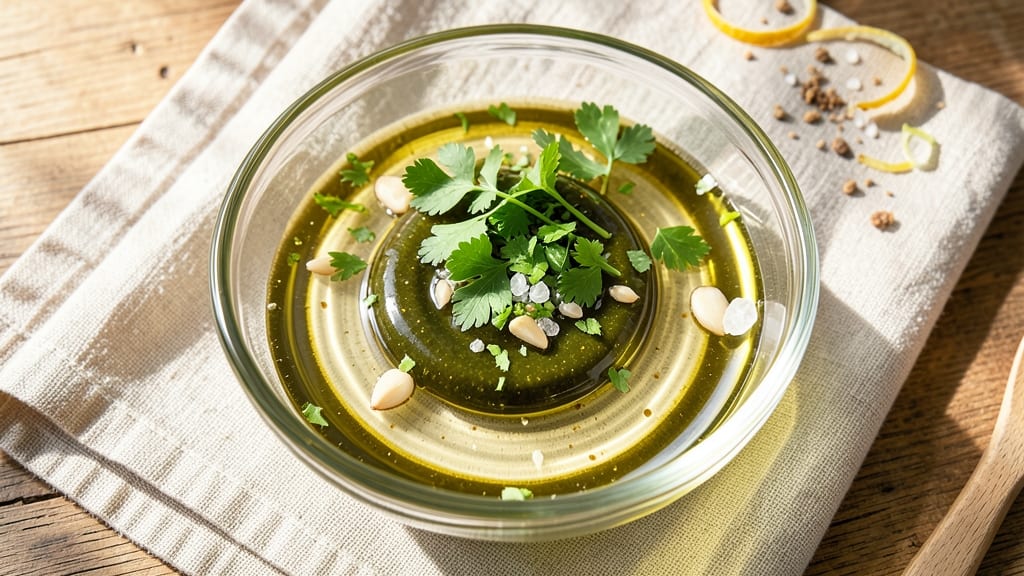
This basic oil and vinegar salad dressing recipe delivers the perfect balance of bright acidity and rich depth in just 5 minutes—no fancy ingredients required. The foundational ratio of oil to vinegar creates a versatile dressing that elevates everything from simple greens to hearty grain bowls.
I’ve perfected this formula over years of testing, and it’s the one I reach for when I need a clean, customizable base that never overpowers the dish.
The beauty of this dressing lies in its simplicity: equal parts oil and vinegar form the core, while a pinch of salt and a drizzle of Dijon mustard (optional) add depth without complexity.
Fresh herbs like parsley or chives can be stirred in at the end for brightness, or a clove of garlic can infuse warmth if you prefer. The key is adjusting the ratio to your taste—more oil for richness, more vinegar for tang—while keeping the method foolproof.
What you’ll end up with is a smooth, emulsified dressing that clings to salads, drizzles effortlessly over roasted vegetables, and even enhances grilled meats or seafood. The balance of acid and fat not only enhances flavor but also helps your body absorb fat-soluble vitamins from your meal.
Best of all, it keeps for up to 2 weeks in the fridge, making it a pantry staple worth mastering.
Once you’ve nailed the base, the possibilities are endless—swap in balsamic vinegar for sweetness, add a dash of honey for balance, or experiment with citrus zest for a brighter profile. This is the dressing that proves simplicity can be the ultimate game-changer in your kitchen. Let’s get started.
Ingredients for basic oil and vinegar salad dressing
Eight simple ingredients transform into the perfect bright, balanced dressing in minutes.
| Ingredient | Amount | Notes |
|---|---|---|
| Extra-Virgin Olive Oil 🫒 | ½ cup | High-quality, fruity flavor preferred |
| White Vinegar 🍶 | ½ cup | Apple cider vinegar works too |
| Dijon Mustard 🌶️ | 1 tbsp | Optional for depth of flavor |
| Fresh Parsley 🌿 | ¼ cup | Chopped, for brightness |
| Garlic Cloves 🧄 | 1 whole | Minced, optional for warmth |
| Sea Salt 🧂 | ½ tsp | Fine grain preferred |
| Black Pepper 🌶️ | ¼ tsp | Freshly ground preferred |
| Honey 🍯 | 1 tsp | Optional for subtle sweetness |
The olive oil is your star—look for extra-virgin with a fruity, peppery finish at stores like Whole Foods or Trader Joe's. White vinegar should be clear and sharp; apple cider vinegar adds a subtle sweetness if you prefer. Fresh parsley makes all the difference—grab a bunch from the grocery store's produce section and chop it yourself. For garlic, one whole clove is plenty—just mince it finely or even crush it for a milder flavor. If you're feeling fancy, infuse the oil with garlic for 10 minutes before mixing, but it's not required.
No Dijon mustard? Yellow mustard at half the amount works in a pinch. Skip the honey if you prefer tartness, or swap for maple syrup for a deeper sweetness. Want more depth? Add a pinch of onion powder or a dash of soy sauce for umami. For extra brightness, zest a lemon or lime and add it at the end. The key is balancing oil and vinegar—start with equal parts, then adjust to taste. If it separates, just whisk it up again before using.
This dressing keeps beautifully—up to 2 weeks in the fridge in a sealed jar. Shake or whisk before each use. For extra freshness, add fresh herbs right before serving. It's also freezer-friendly: portion into ice cube trays, freeze, and pop out as needed. The ratio is flexible, so double or halve the recipe based on your needs. Trust me, once you master this, you'll never buy store-bought again.
Why You'll Love This Recipe
- No-Fuss Pantry Staples: I’ll never stress over missing ingredients again—just oil, vinegar, and a few basics I already have. The Dijon mustard adds depth without extra shopping trips, and the garlic? I keep a jar of minced in my fridge for days like this.
- Garlicky, Herby Punch: That raw garlic and parsley combo hits different—bright, fresh, and just sharp enough to cut through greasy or bland dishes. Honestly, I’ve used this on everything from grilled chicken to cold pasta, and it never disappoints.
- Works Every Time: Weeknight salads? Check. Sunday dinner sides? Check. Even as a marinade for shrimp or a drizzle on toast. Between us, I’ve made this so often, I’ve memorized the ratios—no measuring cups needed after a while.
- Lasts All Week: I make a big batch on Sundays, and it keeps in the fridge for days without separating or tasting off. The parsley stays vibrant longer than I expected, and the vinegar keeps it from going rancid. Budget win, flavor win.
Step-by-step instructions for bright oil and vinegar dressing
This simple dressing comes together in minutes with bold, balanced flavors.
Whisk Together the Vinegar Base
In a medium bowl, combine the ½ cup white vinegar with the 1 tablespoon Dijon mustard. Give it a quick stir to dissolve the mustard completely—this prevents any grainy texture in your dressing. The vinegar should look smooth and fully incorporated.
Here's where the magic starts: add the ½ teaspoon sea salt and ¼ teaspoon black pepper to the vinegar mixture. These seasonings will dissolve completely, creating a flavor foundation that's bright, tangy, and just slightly spicy from the mustard. Let this sit for 1 minute while you prep the remaining ingredients—this gives the flavors a chance to meld slightly before adding the oil.
Add the Minced Garlic and Honey
Peel and finely mince the 1 whole garlic clove (about ½ teaspoon minced garlic) and add it to the vinegar mixture. The garlic should be very finely chopped—almost like a paste—to prevent any texture issues in your dressing. Stir well to distribute it evenly.
Next, add the 1 teaspoon honey. This small amount adds just a touch of sweetness that balances the acidity of the vinegar and enhances the overall complexity. The honey will dissolve completely, creating a silky texture. Taste the mixture now—it should be tangy with a subtle sweetness and a hint of garlic warmth. This is your flavor baseline before adding the oil.
Gradually Incorporate the Olive Oil
With the whisk moving continuously, very slowly drizzle in the ½ cup extra-virgin olive oil. This gradual addition is crucial—it allows the oil to emulsify properly with the vinegar mixture, preventing separation later. Start with just a few drops at first, then increase to a steady stream as the mixture begins to thicken slightly.
Keep whisking vigorously for about 30 seconds after adding all the oil. You're looking for a dressing that's thick enough to coat the back of a spoon but still pourable. If it's too thick, add 1 teaspoon water at a time until it reaches your desired consistency. The dressing should look glossy and uniform, with no visible separation between oil and vinegar.
Fold in the Fresh Parsley
Chop the ¼ cup fresh parsley into very fine pieces—almost like confetti—to maintain the dressing's smooth texture. Gently fold the parsley into the dressing with a rubber spatula, being careful not to overmix. The parsley adds freshness and a pop of color that makes this dressing visually appealing.
Give it one final taste and adjust the seasoning if needed. You might want to add a pinch more salt, a splash of vinegar for extra tang, or even a tiny bit more honey for sweetness. The dressing should be bright, balanced, and ready to elevate any salad. Transfer to a clean jar or bottle, seal tightly, and store in the refrigerator for up to 2 weeks—it'll keep getting better as the flavors meld.
Pro Tips For Making Basic Oil And Vinegar Salad Dressing
- Mince That Garlic Fine: I learned this the hard way—lumpy garlic in dressing ruins the texture. Use a knife or the flat side of a chef’s knife to smash the cloves first, then mince them into tiny, even pieces. No food processor here; you want the flavor to blend smoothly, not sit in chunks.
- Whisk Like You Mean It: This isn’t the time to go half-speed. Start with the vinegar and mustard in a jar, then pour in the olive oil in a thin stream while shaking vigorously. The emulsion happens faster when you’re aggressive—think 30 seconds of hard shaking, not a lazy drizzle. (Yes, even if you’re impatient like me.)
- Use Cold Mustard: Room-temperature Dijon mustard thins out too quickly and can make the dressing separate faster. Grab that jar straight from the fridge, scoop out what you need, and mix it in cold. Your dressing will stay stable longer, and the sharpness won’t mellow out prematurely.
- Skip the Chopped Parsley: Fresh parsley is great, but for this dressing, tear the leaves by hand instead of chopping them. The rough texture adds brightness without turning the dressing into a smoothie. Plus, no one wants to strain out tiny bits later—just toss in whole sprigs if you’re feeling fancy.
Wine and beer pairings for these flavors
Crisp Whites
This dressing pairs beautifully with crisp white wines that mirror its bright acidity. A Sauvignon Blanc from New Zealand or Loire Valley is my go-to—its citrus notes and herbal undertones complement the parsley and vinegar perfectly.
Look for wines with 12-13% ABV and zesty acidity like Cloudy Bay or Oyster Bay. The crispness cuts through the richness of the oil, creating a refreshing contrast. 🍷
Light Beers
For beer lovers, pilsners and witbiers are ideal companions. A Belgian witbier like Stella Artois or Hoegaarden brings coriander and citrus notes that enhance the dressing's brightness. Alternatively, a German pilsner such as Warsteiner or Bitburger offers a clean, slightly malty backbone that balances the vinegar's tang.
Serve both chilled to elevate the salad experience.
Dry Rosés
If you prefer rosé, opt for dry, Provence-style rosés with their signature strawberry and citrus profiles. Wines like Whispering Angel or Château d'Esclans pair wonderfully with this dressing's herbaceous notes.
The rosé's subtle fruitiness complements the parsley and honey without overpowering the vinegar's sharpness. Serve slightly chilled for the best experience.
Sparkling Wine
For a festive touch, Prosecco or Cava adds a celebratory spark to your salad. The bubbles cleanse the palate between bites, while the wine's apple and pear notes harmonize with the vinegar's acidity.
A dry Brut like La Marca Prosecco or Freixenet Cordon Negro works beautifully. The effervescence makes this pairing feel special for any occasion.
Seasonal Adjustments
In summer, lean toward crisp whites or sparkling wine to match the dressing's refreshing qualities. For fall and winter, dry rosés or light beers add warmth without clashing with the dressing's brightness. Always ensure your beverage's acidity level complements the vinegar—this is the secret to a perfect pairing. 🍷✨
Nutrition facts
Frequently asked questions
Can I use other types of vinegar besides white vinegar?
Apple cider vinegar adds subtle sweetness, while balsamic vinegar gives a richer, slightly sweet depth. For a more complex flavor, try red wine vinegar or rice vinegar. Just remember that stronger vinegars like balsamic may require more oil to balance their intensity. Start with equal parts and adjust to taste.
Why does my dressing separate after a few hours?
Oil and vinegar naturally separate because they don't mix well. To prevent this, whisk vigorously when making it and add an emulsifier like 1 teaspoon Dijon mustard or ½ teaspoon honey. If separation happens, simply whisk again before using. For extra stability, blend the dressing briefly with an immersion blender.
What's the best way to store homemade dressing?
Transfer to a clean, airtight jar or bottle and refrigerate for up to 2 weeks. The flavors actually improve over time! Always shake or whisk before using. For longer storage, freeze in ice cube trays—just thaw in the fridge overnight before serving. Avoid metal spoons if storing long-term, as they can react with the vinegar.
Can I make this dressing without mustard?
Yes! Skip the mustard and add ½ teaspoon of lemon juice or 1 teaspoon of honey instead for sweetness. For extra body without mustard, try 1 teaspoon of finely minced shallot or ½ teaspoon of onion powder. The dressing will still emulsify well—just whisk more thoroughly to combine the ingredients.
How much dressing should I make for a salad?
For a standard 8-inch salad bowl, 1-2 tablespoons of dressing is perfect. For larger salads or as a dipping sauce, double the amount. Remember, you can always add more dressing later—it's easier to thin than to thicken! Start with less if your greens are very moist, like spinach or arugula.