
Salads
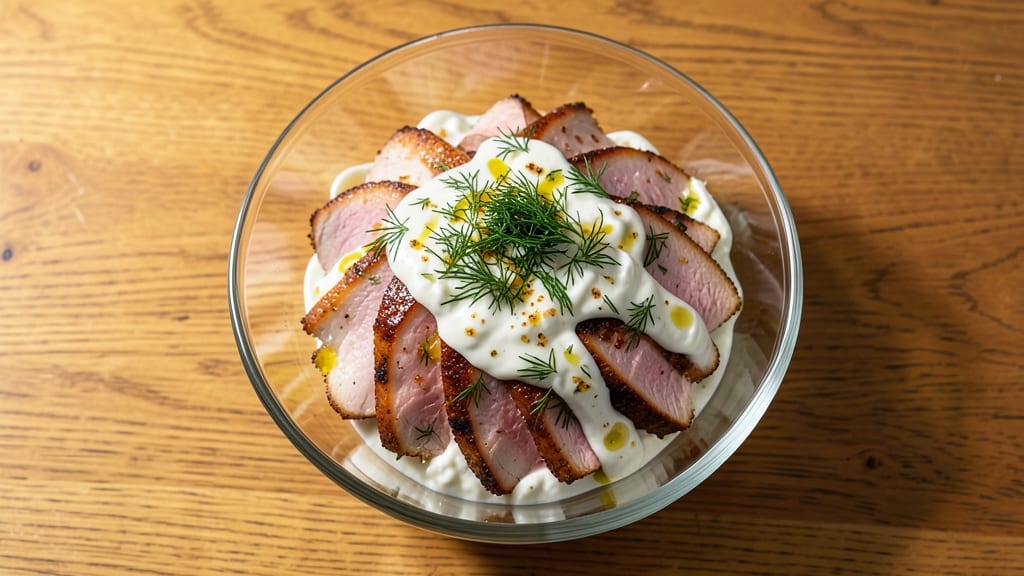
This basic turkey salad recipe transforms simple ingredients into a protein-packed bowl that stays fresh and flavorful for days. The secret lies in finely chopped turkey breast—tender, moist, and seasoned with herbs and lemon to prevent dryness, a common pitfall in turkey salads.
I’ve perfected this version over years of lunch prep, ensuring every bite is juicy, not rubbery, and packed with bright, herby notes that cut through the richness.
What sets this salad apart is the herb-packed dressing—a blend of Dijon mustard, olive oil, and fresh dill that clings to the turkey and greens without overpowering them.
The dressing is the glue that holds everything together, keeping the salad vibrant and the turkey from drying out as it sits. You’ll also find crisp celery and red onion for crunch, plus a touch of Greek yogurt to lighten the texture while adding creaminess.
The result is a zero-dryness turkey salad that’s perfect for meal prep—stays fresh for up to 5 days in the fridge and tastes just as good cold as it does at room temperature.
Whether you’re packing lunches for the week or hosting a light gathering, this recipe delivers restaurant-quality flavor with minimal effort. The assembly is simple: mix, toss, and serve with your choice of bread, crackers, or as-is for a protein-rich bowl.
For extra texture, add toasted walnuts or croutons, or swap in avocado for a modern twist. The possibilities are endless, but the foundation—juicy turkey, herby dressing, and crisp veggies—is foolproof. Let’s get started with the ingredients you’ll need.
Ingredients for basic turkey salad
Juicy turkey, herby dressing, and crisp veggies—this is the trifecta for a perfect protein bowl.
| Ingredient | Amount | Notes |
|---|---|---|
| Boneless, Skinless Turkey Breast 🦃 | 1 ½ lb | Finely chopped, fresh or thawed |
| Greek Yogurt 🥛 | ½ cup | Plain, full-fat preferred |
| Fresh Dill 🌿 | ¼ cup | Chopped, stems removed |
| Fresh Parsley 🌿 | ¼ cup | Chopped, for brightness |
| Dijon Mustard 🍯 | 1 tbsp | For tangy depth |
| Extra-Virgin Olive Oil 🫒 | ¼ cup | Light, fruity variety |
| Lemon Juice 🍋 | 2 tbsp | Freshly squeezed |
| Celery Stalks 🧅 | 2 whole | Finely diced, crisp |
| Red Onion 🧅 | ¼ cup | Finely diced, sharp |
| Iceberg Lettuce 🥬 | 4 cups | Shredded, crisp base |
| Salt 🧂 | ½ tsp | Kosher or sea salt |
| Black Pepper 🌶️ | ¼ tsp | Freshly ground |
| Garlic Cloves 🧄 | 1 whole | Minced, for subtle flavor |
The turkey is non-negotiable here—freshly chopped is key to prevent dryness. Costco or Whole Foods sell pre-sliced turkey breast that’s perfect for salads, but if you’re buying a whole breast, ask the butcher to slice it thin. For extra moisture, brine the turkey for 30 minutes before chopping—trust me, it makes all the difference. The Greek yogurt adds creaminess without heaviness, and full-fat is worth it for that rich texture. If you’re in a pinch, plain yogurt from the store works fine, but nothing beats fresh herbs for that bright, herby punch.
No fresh dill? Dried dill at one-third the amount gets you close, but fresh is ideal. The Dijon mustard is the secret weapon—Maille or Whole Foods brand are my go-tos, but any good quality Dijon will do. If you’re out of lemon juice, lime juice works too, though it’ll give a slightly different twist. The celery and red onion should be crisp—store them in the crisper drawer to keep them that way. For extra crunch, add toasted walnuts or croutons, but don’t skip the veggies—they’re the backbone of the salad.
This salad keeps beautifully—5 days in the fridge if stored in an airtight container. The dressing will separate a bit, so give it a quick stir before serving. For meal prep, portion it into containers with the dressing on the side so the lettuce stays crisp. If you’re making this ahead, add the dressing just before serving to keep everything fresh. The turkey stays juicy for days, but the lettuce is best eaten within 2-3 days for maximum crunch.
Why You'll Love This Recipe
- No-Cook Magic: I swear by this trick—just shred that cooked turkey, mix in the Greek yogurt, and toss in the fresh herbs. No oven, no fuss, and honestly? It’s the easiest way to turn leftover turkey into something that feels special without lifting a finger after the initial cooking.
- Herb-Packed Punch: That bright mix of dill and parsley cuts through the richness of the turkey like a cool breeze. The Dijon mustard adds just enough tang to wake up your taste buds, and between us? It’s the kind of flavor that makes you reach for seconds without even thinking.
- Lunchbox Hero: Between us, this is my go-to for packed lunches—holds up for days, stays fresh, and actually tastes better the next day. Slap it on whole-grain bread, stuff it in wraps, or eat it straight with crackers. It’s the ultimate no-stress meal that still feels gourmet.
- Budget-Friendly Protein: Turkey breast is already a steal, but here’s the kicker: this recipe stretches it further than anything else. A single breast feeds my family for days, and the yogurt keeps it creamy without breaking the bank. Plus, the leftovers? They’re my secret weapon for lazy nights.
Step-by-step instructions for herb-packed turkey salad
Here's how to make a creamy, herb-forward turkey salad that stays moist and delicious.
Cook the Turkey Breast to Perfect Doneness
Place the 1.5 lb boneless, skinless turkey breast in a saucepan and cover it with water. Bring to a boil over medium-high heat, then immediately reduce to a simmer. Cook for 25-30 minutes until the turkey reaches an internal temperature of 165°F and the meat is fork-tender but not dry.
Here's the thing—you want it juicy but fully cooked. If you overcook it, the salad will turn out dry. Once done, remove the turkey from the pan and let it cool for 10 minutes before handling. This resting period keeps all the juices locked in.
Shred the Turkey Thoroughly
Use two forks to shred the cooled turkey breast into fine, even strands. I like to pull it apart against the grain for maximum tenderness. If the turkey feels dry, add 1 tablespoon of the lemon juice while shredding—it helps maintain moisture.
Don't skip this step. The texture of your salad depends entirely on how finely you shred the turkey. If you're in a hurry, you can pulse the turkey in a food processor for 10-15 seconds, but I prefer the hand-shredded look for that restaurant-quality feel.
Mix the Creamy Dressing Base
In a large bowl, combine the 0.5 cup Greek yogurt, 0.25 cup extra-virgin olive oil, 1 tbsp Dijon mustard, 2 tbsp lemon juice, 0.5 tsp salt, and 0.25 tsp black pepper. Whisk until smooth and fully incorporated. The mixture should be thick but pourable—this is your flavor foundation.
Here's where the magic happens: the Greek yogurt keeps things creamy without making the salad too heavy. If the dressing feels too thick, add 1 teaspoon of water to loosen it up. Taste and adjust seasoning—you want it tangy but not overpowering.
Fold in Herbs and Vegetables
Add the shredded turkey, 0.25 cup chopped fresh dill, 0.25 cup chopped fresh parsley, 0.25 cup finely diced red onion, 2 whole celery stalks (finely diced), and 1 whole garlic clove (minced) to the dressing. Gently fold everything together with a spatula until fully combined and evenly coated.
Don't overmix—just enough to distribute the flavors. The herbs should be visible but well-distributed. If you're worried about the salad being too wet, let it sit in the fridge for 15 minutes before serving. This gives everything time to meld and thicken slightly.
Assemble the Salad Just Before Serving
Just before serving, shred the 4 cups iceberg lettuce into bite-sized pieces and place them on a platter. Spoon the turkey mixture over the lettuce, dividing it evenly among 4 servings. The contrast of crisp lettuce with the creamy turkey salad is what makes this dish shine.
This salad keeps well in the fridge for up to 2 days, but I recommend serving it fresh. The lettuce stays crisp when assembled last, and the turkey mixture tastes best when enjoyed soon after preparation. Garnish with extra dill or parsley if you're feeling fancy!
Pro Tips For Making Basic Turkey Salad
- Poach, Don’t Boil: Turkey breast turns out dry if you just throw it in boiling water. Start with a pot of cold water, bring it to a gentle simmer (tiny bubbles, not rolling), then add the turkey. This keeps it moist—no rubbery texture, no regrets. Cook until it hits 165°F (about 12-15 minutes), then shock it in ice water before shredding.
- Dry the Herbs: Fresh dill and parsley lose their punch if they’re wet. Pat them dry with a paper towel before chopping—this keeps the salad bright and flavorful, not watery. (Yes, even if you’re impatient like me.) A handful of herbs should be enough; don’t overdo it or the yogurt will get muddy.
- Whisk the Yogurt: Greek yogurt can be stubborn—if you just fold it in, you’ll end up with lumps. Whisk it first with the Dijon mustard until smooth, then mix it into the shredded turkey. This also helps distribute the tang evenly, so every bite has that creamy, herby kick.
- Rest the Turkey: As soon as you shred that turkey, tent it with foil and let it sit for 5 minutes. This lets the juices redistribute, so your salad stays moist instead of turning into a dry, sad pile. (I learned this the hard way after making a turkey sandwich that tasted like cardboard.)
Wine and beer pairings for this recipe
Crisp White Wine
A dry Riesling from Germany or Alsace is my go-to pairing for this turkey salad—its bright acidity and subtle honeyed notes complement the herby dressing without overpowering the turkey.
Look for a Keller or Dr. Loosen Riesling, both of which have enough crispness to cut through the richness of the Greek yogurt while enhancing the lemon and dill flavors. Serve slightly chilled (50-55°F) to let the wine’s freshness shine. 🍷
Light Beer Options
For beer lovers, a Belgian witbier like Hoegaarden or Stella Artois works beautifully—the citrusy coriander and orange peel notes mirror the lemon and herbs in the salad. If you prefer something lighter, a pilsner such as Pilsner Urquell provides a clean, crisp backdrop that lets the turkey’s flavor stand out.
Avoid heavy lagers or dark beers, which could clash with the salad’s brightness. 🍺
Sparkling Wine
If you’re feeling fancy, a dry sparkling wine like Veuve Clicquot Brut or Laurent-Perrier elevates the dish to a celebratory level. The bubbles cleanse your palate between bites, and the acidity balances the creamy yogurt perfectly.
For a budget-friendly option, Freixenet Cordon Negro delivers the same refreshing lift without the splurge. Serve well-chilled (45-50°F) for the best experience. ✨
Rosé for a Twist
A dry rosé with a touch of pepperiness—such as Whispering Angel or Miraval—adds a modern twist to this classic salad. The strawberry and citrus notes in the wine harmonize with the red onion and lemon, while its light body won’t overwhelm the dish.
Opt for one with minimal sweetness to keep the pairing balanced. 🍇
Nutrition facts
Frequently asked questions
How do I keep turkey salad from getting soggy?
Add the dressing just before serving to maintain crispness. For meal prep, store the turkey mixture and dressing separately, then combine when ready to eat. Also, use sturdy greens like iceberg lettuce—they hold up better than delicate varieties.
Can I use leftover rotisserie turkey instead of cooking fresh?
Rotisserie turkey works perfectly—just shred it finely and follow the same steps. For extra moisture, mix in 1 tablespoon of lemon juice while combining ingredients. The herbs and yogurt dressing will keep it fresh-tasting even with pre-cooked turkey.
What can I substitute if I don't have Greek yogurt?
Use mayonnaise in equal amounts for creaminess, or swap with sour cream (reduce olive oil slightly). For a lighter option, blend 1/4 cup cottage cheese with 1/4 cup milk to mimic yogurt's texture. The flavor will be slightly different but still delicious.
How long can I store this salad in the fridge?
The turkey mixture stays fresh for 5 days in an airtight container, while the lettuce base is best eaten within 2 days for maximum crunch. Store components separately if prepping ahead—combine only when ready to serve.
Can I make this salad without celery or red onion?
Yes! Skip the celery and add 1/4 cup diced cucumber for freshness, or omit the red onion and increase the parsley to 1/3 cup for extra herb flavor. Both substitutions maintain the salad's brightness without altering the core texture.