
Salads
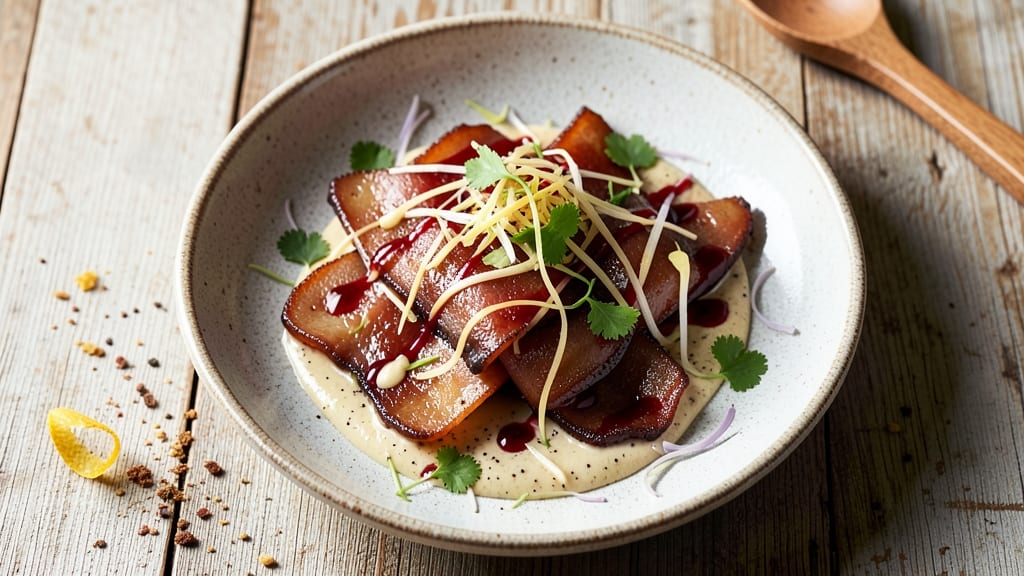
This beef tongue salad recipe transforms a humble cut into a luxurious centerpiece with silky-smooth texture and deep umami richness—perfect for elevating any meal. The secret lies in slow-cooking the tongue until fork-tender, then slicing it paper-thin for delicate bites that melt in your mouth.
I developed this method after discovering how restaurant-quality results could be achieved at home with simple techniques and patience.
The process begins with simmering the beef tongue until it peels away from the bone, creating an incredibly tender base. Once sliced, it pairs beautifully with crisp greens, a bright vinaigrette, and fresh garnishes like pickled onions or toasted nuts.
What sets this dish apart is the balance of textures—creamy tongue against crisp vegetables—and the way the umami flavor carries through every bite.
This recipe works equally well for casual weeknight dinners or elegant gatherings, making it incredibly versatile. The silky slices hold up perfectly when served chilled or at room temperature, and the flavors only deepen over time.
Whether you're introducing beef tongue to new diners or perfecting a dish for a special occasion, this method delivers restaurant-quality results with minimal effort.
Pair it with crusty bread for soaking up the juices or serve alongside a light soup for a complete meal. The presentation is just as important as the taste—think delicate slices fanned out on a bed of greens with vibrant garnishes.
Here's how to create this showstopping dish from start to finish.
Ingredients for beef tongue salad
Silky-smooth beef tongue meets vibrant greens and bright vinaigrette for an elegant yet simple salad.
| Ingredient | Amount | Notes |
|---|---|---|
| Beef Tongue (whole, fresh) 🥩 | 1 lb | Cleaned, bone-in for tenderness |
| Red Wine Vinegar 🍷 | ½ cup | Dry variety for balance |
| Extra-Virgin Olive Oil 🫒 | ½ cup | High-quality, fruity flavor |
| Garlic Cloves 🧄 | 6 cloves | Fresh, peeled, smashed |
| Shallots 🧅 | 4 whole | Small, firm, peeled |
| Dijon Mustard 🍯 | 1 tbsp | Mellow, not hot |
| Fresh Thyme 🌿 | ¼ cup | Leaves only, chopped |
| Fresh Parsley 🌿 | ¼ cup | Flat-leaf, finely chopped |
| Diamond Crystal Kosher Salt 🧂 | 1 ½ tsp | For seasoning and brine |
| Black Peppercorns 🌶️ | ½ tsp | Freshly cracked |
| Arugula 🌱 | 6 cups | Baby leaves, crisp |
| Pickled Red Onions 🧅 | ½ cup | Thinly sliced, tangy |
| Toasted Walnuts 🥜 | ½ cup | Chopped, light brown |
| Lemon Zest 🍋 | 1 tsp | Bright, organic preferred |
| Honey 🍯 | 1 tbsp | Wildflower for depth |
The beef tongue is the star—look for fresh, whole tongues at specialty butchers or high-end grocery stores like Whole Foods or Eataly. A 1-pound tongue yields generous servings, but if you find a 2-pound for a crowd, scale everything up. The tongue should be bright red, glossy, and firm—avoid any with a strong odor. For the best texture, simmer it until fork-tender (about 2.5 hours), then chill before slicing. Costco often carries pre-cleaned tongues, which saves time. If you can't find fresh, high-quality vacuum-sealed tongues work too—just add 30 minutes to the cooking time.
No red wine vinegar? Apple cider vinegar or balsamic vinegar (use half the amount) works beautifully. The shallots can be swapped for yellow onions, but shallots add a more refined sweetness. Fresh thyme and parsley are ideal, but if you're short, dried thyme (1/4 tsp) and dried parsley (1 tsp) will suffice—just add them at the end. For the pickled onions, quick-pickle them yourself (1 tbsp vinegar + 1 tsp sugar + pinch of salt) or buy pre-pickled from the store. The walnuts can be toasted in a dry pan for 2-3 minutes until fragrant, or buy pre-toasted from Trader Joe's for convenience. Honey substitutes like maple syrup or agave work, but honey’s floral notes complement the umami perfectly.
The sliced beef tongue keeps well—store it in airtight containers with a thin layer of olive oil to preserve moisture for up to 4 days in the fridge. The arugula should be washed and dried just before serving to maintain crispness. For make-ahead prep, pickle the onions and toast the walnuts a day ahead, then assemble the salad when ready. This dish reheats beautifully—warm the tongue slices gently in a pan with a splash of broth if serving cold. Leftovers make fantastic sandwiches or wraps the next day, especially with a smear of Dijon mustard for extra depth.
Why You'll Love This Recipe
- One-Pot Magic: Honestly, you’ll barely need more than a large pot and 30 minutes. Simmer the beef tongue in vinegar and garlic until it’s tender enough to slice—no fancy techniques, just patience and a few simple ingredients doing the heavy lifting.
- Umami Bomb: That first bite of crispy-edged, silky-smooth beef tongue with the bright tang of red wine vinegar and sharp shallots? It’s the kind of flavor that makes you pause mid-chew. The olive oil keeps it rich without being greasy, and the garlic? Oh, it’s there—in the best way.
- Lunchbox Hero: Between us, this salad holds up like a champ for leftovers. Pack it in a jar for work lunches—it stays fresh for days, and the flavors only get better as the vinegar and oil mingle. (Yes, even on a Tuesday night when you’re not feeling fancy.)
- Budget Powerhouse: A whole beef tongue costs less than a steak for the same weight, and it stretches across meals. Use half for this salad, slice the rest for sandwiches or tacos—suddenly, you’ve got protein-covered bases for a week without breaking the bank.
Step-by-step instructions for beef tongue salad with umami depth
Transforming beef tongue into silky perfection requires patience and precision—here's how to achieve that signature melt-in-your-mouth texture.
Prepare and Cure the Beef Tongue
Begin by rinsing the 1 lb beef tongue (whole, fresh) under cold water and patting it completely dry with paper towels. This step is critical—any moisture left on the surface will prevent proper curing. Place the tongue in a large bowl and add 0.5 cup red wine vinegar, 1.5 tsp diamond crystal kosher salt, and 0.5 tsp freshly cracked black peppercorns. The vinegar not only tenderizes the meat but also adds brightness that balances the richness.
Using your hands, gently massage the vinegar mixture into the tongue, ensuring it's evenly coated. Cover the bowl and refrigerate for 24 hours, turning the tongue every 8 hours to ensure even exposure to the curing solution. This process breaks down connective tissues, transforming tough meat into velvety slices. After curing, rinse the tongue thoroughly under cold water to remove any residual vinegar, then pat it dry again.
Simmer the Tongue Until Fork-Tender
In a large pot, combine 6 cups water, 6 cloves smashed garlic cloves, 4 whole peeled shallots, 0.25 cup chopped fresh thyme, and 0.25 cup chopped fresh parsley. Bring to a boil over high heat, then reduce to a gentle simmer. Add the rinsed beef tongue and 0.5 cup extra-virgin olive oil, ensuring the tongue is fully submerged. The oil helps create a protective layer that keeps the meat moist during cooking.
Cover the pot and simmer for 3 hours, maintaining a gentle simmer rather than a rolling boil. Here's the key: the tongue is done when it reaches an internal temperature of 195°F and a knife slides in like butter with no resistance. If the liquid reduces too much, add hot water as needed to keep the tongue submerged. This slow cooking process is non-negotiable—it's what transforms tough meat into luxurious, meltable slices.
Create the Umami Dressing
While the tongue simmers, prepare the dressing by whisking together 1 tbsp Dijon mustard, 1 tbsp honey, 1 tsp lemon zest, and the remaining 0.25 cup extra-virgin olive oil in a small bowl. The Dijon mustard adds depth while the honey and lemon zest create a bright contrast to the rich beef. Set aside while you finish cooking the tongue.
Once the tongue reaches 195°F, remove it from the pot and transfer to a cutting board. Let it rest for 15 minutes before peeling off the skin and slicing it into ¼-inch thick slices against the grain. The tongue should be so tender it practically falls apart with gentle pressure. Reserve 1 cup of the cooking liquid from the pot—this liquid is packed with flavor and will be used to emulsify the dressing.
Assemble the Salad with Perfect Balance
In a large serving bowl, combine 6 cups arugula, 0.5 cup pickled red onions, and 0.5 cup toasted walnuts. The arugula provides a peppery bite that cuts through the richness of the beef, while the pickled onions add tangy brightness. Toss gently to distribute the ingredients evenly. Here's where the magic happens: add the sliced beef tongue and drizzle with the reserved cooking liquid from the pot.
Whisk the dressing ingredients together with 2 tablespoons of the reserved cooking liquid to emulsify, then drizzle over the salad. Toss everything together just until the arugula is lightly coated. The goal is to maintain the integrity of each component while allowing their flavors to meld. Serve immediately while the tongue is still warm and the dressing clings beautifully to the greens.
Garnish and Serve with Confidence
Before serving, sprinkle the salad with additional chopped fresh parsley and a final pinch of freshly cracked black pepper. The parsley adds a fresh finish that elevates the dish, while the pepper enhances the umami depth. Plate the salad immediately—this dish is best enjoyed while the tongue is still warm and the dressing is vibrant.
Each bite should deliver a perfect balance: the silky-smooth beef tongue, the peppery crunch of arugula, the tangy pop of pickled onions, and the nutty crunch of toasted walnuts, all bound together by the rich, umami dressing. The key to success lies in the patience of the curing and simmering processes—rushing these steps will compromise the texture you're working so hard to achieve.
Pro Tips For Making Beef Tongue Salad
- SCORE THE TONGUE: Use a sharp knife to cut shallow crosshatch marks on the surface before cooking—this lets the spices and vinegar penetrate deeper. I learned this the hard way when my first batch tasted bland no matter how much vinegar I added.
- COOL IT FAST: After boiling the tongue, plunge it into ice water for 10 minutes. This stops the cooking process and makes peeling the skin so much easier—no more wrestling with stubborn layers.
- PEEL WHEN LUKEWARM: Wait until the tongue cools to room temperature before peeling—hot meat tears like paper. A damp paper towel helps grip the skin for cleaner removal, and you’ll save yourself from cutting into the meat.
- VINEGAR FIRST: Marinate the sliced tongue in red wine vinegar for at least 30 minutes before adding oil and garlic. This tenderizes the meat and brightens the flavor—skipping this step means a duller, chewier bite.
Dietary considerations for beef tongue salad
Gluten-Free Adaptations
This beef tongue salad is naturally gluten-free as long as you use certified gluten-free ingredients. The base recipe avoids common gluten sources like soy sauce or wheat-based dressings. For the dressing, ensure your Dijon mustard is labeled gluten-free (many brands are, but always double-check).
If using store-bought pickled onions, opt for brands that specify gluten-free, such as Bubbies or Muir Glen. The arugula, walnuts, and other ingredients are inherently gluten-free, so no substitutions are needed beyond verifying your pantry staples. 🌱
Low-Carb Considerations
For a low-carb version, focus on the protein and greens while minimizing higher-carb components. Skip the honey in the dressing and replace it with 1 tbsp sugar-free sweetener like erythritol or monk fruit. The pickled onions can be reduced to 2 tbsp or omitted entirely if you prefer.
The arugula and walnuts provide fiber without significant carbs, making this salad a great fit for keto or low-carb diets. Aim for under 5g net carbs per serving with these adjustments.
Dairy-Free Options
The original recipe is already dairy-free, but if you're serving it alongside dairy-based dishes, ensure no cross-contamination occurs. The dressing relies on olive oil and Dijon mustard, both naturally dairy-free, while the beef tongue contains no dairy.
For extra richness, you could add avocado slices or a drizzle of dairy-free pesto made with basil, olive oil, and nutritional yeast. Always check labels on store-bought ingredients like pickled onions or walnuts for hidden dairy additives.
Allergen-Friendly Swaps
For nut allergies, replace the toasted walnuts with toasted pumpkin seeds or sunflower seeds for crunch. Both provide a similar texture and can be toasted in the same way.
If mustard is an allergen, substitute the Dijon with 1 tbsp white wine vinegar or apple cider vinegar in the dressing, along with an extra ½ tsp honey to balance flavors. For egg allergies, no changes are needed—the recipe is entirely egg-free.
Always verify ingredient labels, especially for pre-packaged items like pickled onions or store-bought dressings.
Protein-Packed Boost
To make this salad even more protein-rich, consider adding ¼ cup crumbled feta cheese (if dairy is acceptable) or ¼ cup cooked quinoa for extra substance.
For a high-protein vegetarian alternative, swap the beef tongue for silken tofu or mushrooms (like portobello) marinated in the same vinegar and garlic mixture, then sliced thinly. The tofu version will have a different texture but still deliver a satisfying bite.
Aim for at least 30g protein per serving with these additions.
Meal Prep Tips
This salad is great for meal prep, but handle the beef tongue carefully to maintain texture. Store the cooked, sliced tongue in an airtight container with a thin layer of olive oil to prevent drying for up to 4 days in the fridge.
Keep the dressing and pickled onions separate until ready to serve to avoid sogginess. Assemble the salad within 24 hours of prepping for the best experience.
For freezing, the tongue can be frozen for up to 3 months—thaw overnight in the fridge before slicing and assembling the salad. 💫
Nutrition facts
Frequently asked questions
Why does beef tongue need to cure before cooking?
The 24-hour curing in vinegar and salt breaks down tough collagen, transforming the meat into silky slices. This step also removes impurities and adds brightness that balances the rich umami flavor. Skipping it results in chewy, less tender meat that won't hold up well in salads.
Can I use pre-cooked beef tongue from the store?
Yes, but expect less tender results. Pre-cooked tongues often lack the silky texture achieved through slow simmering from raw. If using them, extend the cooking time by 1 hour and add 1 extra cup of water to the pot to maintain moisture. The curing step can still be beneficial for flavor.
How do I store leftover beef tongue slices?
Store slices in an airtight container with a thin layer of olive oil to prevent drying. They'll keep for 4 days in the fridge. For longer storage, freeze for up to 3 months. Thaw overnight in the fridge before using. The oil preserves moisture and enhances flavor when reheated gently.
What if my beef tongue isn't tender enough?
Return it to the pot with fresh water and simmer for another 30-60 minutes, checking frequently. The tongue is done when it reaches 195°F internally and a knife glides through like butter. If it's still tough, try slicing thinner (⅛-inch) or shredding it for tacos or sandwiches where texture matters less.
Can I make this salad ahead of time?
Yes, but assemble it just before serving. Store the cooked tongue, dressing, and pickled onions separately in the fridge. Combine everything 1-2 hours before eating to maintain crispness. The flavors actually improve overnight, making it perfect for meal prep when handled properly.