
Sauces & Condiments
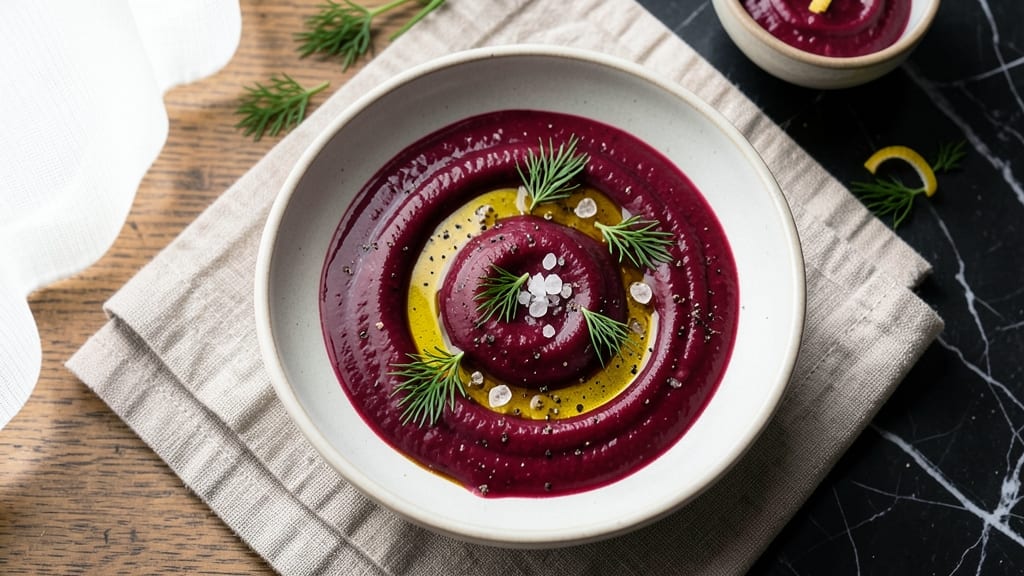
This beet juice salad dressing transforms simple greens into a vibrant, earthy masterpiece with just five ingredients and 10 minutes of prep time.
The deep ruby color not only makes salads visually stunning but also adds a naturally sweet, slightly tangy depth that pairs perfectly with bitter greens like arugula or spinach.
I developed this recipe after discovering how beet juice could elevate a basic vinaigrette into something truly special—no emulsifiers or complicated techniques required.
The secret lies in balancing the natural sweetness of beet juice with a touch of acidity from apple cider vinegar, while olive oil provides richness without overpowering the earthy flavor.
A pinch of salt enhances every ingredient, and fresh herbs like dill or parsley add brightness that keeps the dressing from feeling too heavy. What makes this dressing unique is its versatility—it works as a marinade for grilled vegetables or a drizzle over roasted meats, not just salads.
What you'll achieve is a dressing that's naturally vibrant, packed with antioxidants, and free from artificial colors or preservatives. The beet juice's natural sugars caramelize slightly when stored, deepening the flavor over time, while the texture remains silky and well-emulsified without requiring special equipment.
This is the kind of dressing that turns a basic meal into something restaurant-worthy with minimal effort.
Store it in the refrigerator for up to 5 days, shaking gently before each use to redistribute the ingredients. The color may darken slightly over time, but the flavor only improves.
Whether you're dressing a hearty winter salad or adding a pop of color to a summer dish, this beet juice dressing delivers both visual appeal and bold flavor—without the fuss.
Ingredients for beet juice salad dressing
Five ingredients create a vibrant, earthy dressing that transforms salads into restaurant-worthy dishes.
| Ingredient | Amount | Notes |
|---|---|---|
| Fresh Beet Juice 🍠 | ½ cup | Cold-pressed or freshly juiced |
| Extra-Virgin Olive Oil 🫒 | ½ cup | High-quality, fruity variety |
| Apple Cider Vinegar 🍎 | 2 tbsp | Raw, unfiltered preferred |
| Fresh Dill 🌿 | ¼ cup | Finely chopped, stems removed |
| Diamond Crystal Kosher Salt 🧂 | ½ tsp | Fine grain preferred |
| Freshly Ground Black Pepper 🌶️ | ¼ tsp | Freshly cracked for optimal flavor |
| Fresh Parsley 🌿 | 0.1 cup | Finely chopped, for garnish |
The quality of beet juice makes all the difference here. Cold-pressed beet juice from specialty stores like Whole Foods or Trader Joe's delivers the deepest color and most concentrated flavor. If you're juicing fresh beets, use red beet varieties—they're sweeter and more vibrant than golden. The olive oil should be extra-virgin with noticeable peppery notes; California avocado oil is another excellent choice for high-heat stability. Fresh dill is ideal, but if you're using dried, reduce to one-third the amount—it's far more potent. For the vinegar, raw, unfiltered apple cider vinegar adds subtle complexity that regular vinegar lacks.
No fresh dill? Fresh parsley or tarragon works beautifully as a substitute—just use the same quantity. Running short on beet juice? Freshly grated raw beets strained through a fine-mesh sieve can replace it, though the texture will be slightly thicker. The salt should be Diamond Crystal kosher if possible; it dissolves more easily than table salt. For a smokier profile, add a pinch of smoked paprika to the finished dressing. If you prefer a sweeter dressing, a teaspoon of maple syrup can be stirred in at the end. The dressing emulsifies naturally, so no special equipment is needed—just whisk vigorously for 30 seconds to combine.
Store the dressing in an airtight glass jar in the refrigerator for up to 5 days. The color will deepen and the flavors will meld beautifully over time. Before using, give it a gentle shake to redistribute the ingredients. For longer storage, transfer to a sterilized glass container and freeze for up to 3 months. The dressing thickens when chilled, so let it sit at room temperature for 5 minutes before using if you prefer a thinner consistency. This dressing works equally well on winter salads, grilled vegetables, or roasted meats—its versatility makes it a pantry staple worth repeating.
Why You'll Love This Recipe
- No Blender Needed: I swear by this—just a fork and a bowl. The fresh beet juice and dill blend right into the olive oil and vinegar without any fuss, and honestly? It’s one of those recipes where you don’t even notice the effort.
- Earthy Sweetness Pop: That deep, natural sweetness from the beet juice? It’s like a secret flavor bomb. The vinegar cuts through it just enough, while the dill adds this bright, herby lift—perfect for when you want something unexpected but still balanced.
- Weeknight Meal Prep Hero: Between us, this dressing lasts forever in the fridge. I make a big batch on Sundays, and it’s still vibrant by Friday—great for tossing on greens, roasted veggies, or even drizzling over grilled chicken. No last-minute shopping, no stress.
- Budget-Friendly Luxury: Fresh beet juice might sound fancy, but it’s cheaper than store-bought dressings, and you control the quality. A few beets, a splash of vinegar, and olive oil? That’s it. I’ll be real: it’s the kind of dressing that makes simple meals feel special without breaking the bank.
Step-by-step instructions for earthy beet-inspired dressing
This vibrant dressing combines bold flavors with striking color—simple techniques ensure perfect balance every time.
Whisk Together the Base Ingredients
In a medium bowl, combine the 0.5 cup fresh beet juice with the 0.5 cup extra-virgin olive oil. Use a whisk to emulsify these liquids until they form a smooth, homogeneous mixture. The beet juice will add natural sweetness while the olive oil provides richness and body. I recommend using a high-quality, fruity olive oil here—its peppery notes complement the earthiness of the beets beautifully.
Next, add the 2 tablespoons apple cider vinegar and continue whisking for another 30 seconds. The vinegar introduces a bright acidity that cuts through the dressing's natural sweetness, creating a well-rounded flavor profile. If you notice any separation at this stage, don't worry—we'll address that in the next step. The dressing should now have a deep ruby hue with a velvety texture.
Incorporate Fresh Herbs and Seasonings
Add the 0.25 cup finely chopped fresh dill to the bowl and gently fold it in with a rubber spatula. The dill's bright, slightly citrusy flavor will elevate the dressing's complexity. Be sure to remove the stems before chopping, as they can make the dressing bitter. Next, add the 0.5 teaspoon Diamond Crystal kosher salt and 0.25 teaspoon freshly ground black pepper, whisking just until fully dissolved.
At this point, you might notice the dressing has separated slightly. This is normal when working with beet juice and oil. To fix this, whisk vigorously for another 1-2 minutes until the mixture becomes emulsified once more. The key is patience—rushing this step can result in a dressing that separates again later. The final texture should be silky and cohesive, with no visible oil pooling on top.
Adjust Consistency and Garnish
Taste the dressing and adjust the seasoning if needed. If it tastes too sweet, add a touch more vinegar—½ teaspoon at a time. For extra brightness, you can also add a pinch of salt. The dressing should balance earthy, sweet, tangy, and herby notes harmoniously. If you prefer a thinner consistency, gradually whisk in 1-2 teaspoons of water until you reach your desired texture.
Once satisfied with the flavor, transfer the dressing to a clean jar or airtight container. Sprinkle the 0.1 cup finely chopped fresh parsley on top as a garnish, both for aesthetic appeal and an additional herbal note. The parsley will also help preserve the dressing's freshness. Store in the refrigerator for up to 5 days, shaking well before each use to re-emulsify if necessary.
Use Immediately or Store Properly
This dressing works beautifully on mixed greens, grain bowls, or as a dip for crusty bread. For the best results, use it within 24 hours of making it, as the fresh herbs will continue to brighten over time. If storing longer than 5 days, consider adding ¼ teaspoon of lemon juice to extend its shelf life by another 2-3 days.
The dressing's vibrant color will fade slightly over time, but its flavor will remain rich and complex. I like to drizzle it over roasted vegetables or use it as a marinade for grilled meats—its earthy depth pairs exceptionally well with charred flavors. Always shake well before using, as natural separation can occur even in properly stored dressings.
Pro Tips For Making Beet Juice Salad Dressing
- STRAIN THE JUICE WELL: Fresh beet juice is full of pulp that ruins texture—save time by squeezing it through a fine-mesh sieve or cheesecloth, not just a strainer. I used to skip this and ended up with a dressing that separated like muddy water.
- USE COLD JUICE: Let the beet juice cool completely before mixing—warm juice turns the dressing cloudy and dull. I learned this after making a batch that looked like swamp water, no matter how much I shook it.
- SALT THE DILL FIRST: Chop the dill fine and toss it with ¼ teaspoon of kosher salt before adding to the dressing. This softens the leaves and makes them release flavor better—no more chewy bits at the bottom of your bowl.
- VINEGAR LAST, THEN REST: Add the apple cider vinegar last, then let the dressing sit for 10 minutes before using. The acid needs time to mellow out the beet’s earthiness, or it’ll taste harsh and one-note. (Yes, even if you’re impatient like me.)
Flavor customization for this dish
Sweet & Tangy Twist
For a sweeter profile, stir in 1 teaspoon of maple syrup or agave nectar after whisking all ingredients together. This enhances the beet juice's natural sweetness while balancing the vinegar's acidity.
I find grade B maple syrup from Vermont adds a subtle caramel note that pairs beautifully with the earthy beets. 🍯
Herb Variations
Swap out dill for other fresh herbs to change the flavor profile completely. Try 0.25 cup chopped tarragon for an anise-like sweetness, or 0.25 cup chopped chives for a milder onion note.
For a Mediterranean touch, use 0.25 cup chopped oregano—just reduce the vinegar to 1.5 tablespoons since oregano is more potent. The herbs should always be finely chopped to distribute flavor evenly.
Spicy Kick
Add heat by incorporating 1 teaspoon of hot sauce (like Cholula) or ½ teaspoon of cayenne pepper into the dressing. For a smoky-spicy version, mix in ½ teaspoon of smoked paprika with the salt.
I love this variation on grilled corn or spicy roasted vegetables—it adds depth without overpowering the beet's earthiness. Adjust to taste, starting with half the amount and building up.
Citrus Brightness
Zest up the dressing with 1 teaspoon of lemon zest or orange zest for a refreshing citrus note. The zest adds aromatic complexity that cuts through the richness of the olive oil. I recommend using organic lemons or oranges for the best flavor.
For extra brightness, add 1 teaspoon of fresh lemon juice along with the vinegar. This variation works exceptionally well on spring salads with citrusy ingredients like grapefruit or strawberries.
Nutty Depth
For a richer dressing, whisk in 1 tablespoon of tahini or almond butter after combining the base ingredients. The nutty flavor complements the beets beautifully and adds a creamy texture. I prefer tahini because it blends seamlessly without altering the dressing's consistency.
This version pairs perfectly with hearty salads featuring nuts, seeds, or roasted vegetables. Store nut-enhanced dressings in the fridge for up to 4 days—they tend to separate slightly faster due to the added fat.
Smoky Char
Create a smoky version by adding ½ teaspoon of liquid smoke or 1 teaspoon of smoked sea salt to the dressing. This works exceptionally well with grilled meats or smoked vegetables.
For a homemade smoky touch, char ½ teaspoon of fresh dill stems in a dry pan until fragrant, then crush them and mix into the dressing. The smoky flavor enhances the beet's earthiness and adds a restaurant-quality depth.
This variation is perfect for fall and winter dishes where smoky flavors shine.
Nutrition facts
Frequently asked questions
Can I use canned beets instead of fresh beet juice?
Yes, but with a few adjustments! Drain and mash 1 cup of canned beets (about 2 medium beets), then strain through a fine-mesh sieve to remove excess liquid. You'll likely need ½ cup of the strained juice to match the recipe. The texture will be slightly thicker, so add 1 teaspoon of water if needed to reach your preferred consistency.
Why does my beet juice dressing separate even after whisking?
This is completely normal with beet juice and oil-based dressings! The natural sugars in beets can cause separation over time. Simply shake or whisk vigorously before using—it should re-emulsify instantly. For extra stability, add ½ teaspoon of mustard powder or 1 teaspoon of honey to help bind the ingredients.
How can I make this dressing thicker or thinner?
For a thicker dressing, reduce the olive oil by 1 tablespoon or add 1 teaspoon of cornstarch mixed with 1 tablespoon water. For a thinner consistency, whisk in 1-2 teaspoons of water at a time until smooth. The dressing should coat the back of a spoon without being gluey.
What are the best salads to pair with this dressing?
This earthy dressing shines on bitter greens like arugula, kale, or radicchio, but also works beautifully with spinach, mixed greens, or even roasted Brussels sprouts. For a heartier bowl, try it with quinoa, farro, or grilled chicken. The sweet-tangy flavor balances rich ingredients perfectly.
Can I make this dressing without fresh herbs?
Use ½ teaspoon dried dill (or 1 teaspoon dried oregano) and reduce the vinegar to 1.5 tablespoons since dried herbs are more concentrated. For extra flavor, add ½ teaspoon of onion powder or garlic powder. The dressing will still be delicious—just slightly less vibrant in color.