
Side Dishes
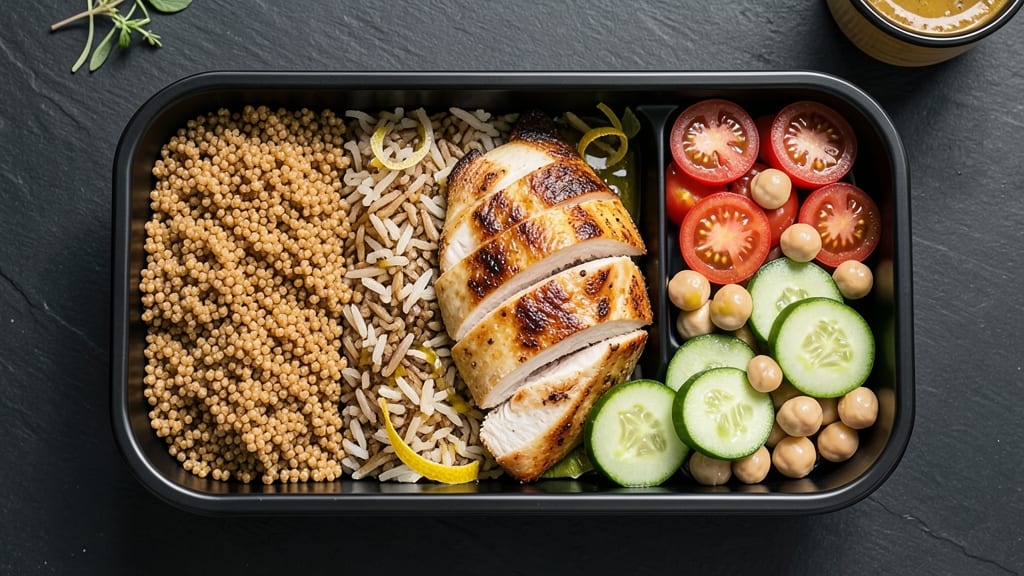
This bento box salad recipe transforms lunch into a visually stunning, perfectly portioned meal that balances protein, grains, and fresh vegetables. The key lies in strategic layering—crisp, colorful components that stay fresh and delicious for days.
I designed this recipe after realizing how often salads lose their appeal by lunchtime, and the solution was simple: compartmentalization.
The foundation starts with a base of quinoa or brown rice, which provides hearty texture and stays firm when packed. Add grilled chicken or chickpeas for protein, then layer with vibrant vegetables like cherry tomatoes, cucumber, and shredded carrots.
A light vinaigrette ties everything together without sogginess. What makes this different is the portion-perfect plating—each compartment gets its own flavor profile while maintaining balance.
What you’ll end up with is a lunch that looks as good as it tastes, with every bite offering a mix of textures and flavors. The compartments keep ingredients fresh, and the dressing stays separate until you’re ready to toss.
This isn’t just a salad—it’s a foolproof way to eat healthier without sacrificing variety or satisfaction.
Perfect for meal prep, office lunches, or picnics, this recipe adapts easily to dietary needs—swap proteins, grains, or dressings as needed. Here’s how to assemble it like a pro.
Ingredients for bento box salad
Four servings of vibrant, compartmentalized goodness—where every bite is perfectly balanced.
| Ingredient | Amount | Notes |
|---|---|---|
| Cooked Quinoa 🌾 | 1 ½ cups | Rinsed before cooking |
| Cooked Brown Rice 🍚 | 1 ½ cups | Day-old works best |
| Grilled Chicken Breast 🍗 | 1 lb | Diced into bite-sized pieces |
| Cooked Chickpeas 🌱 | 1 cup | Rinsed and drained |
| Cherry Tomatoes 🍅 | 1 cup | Halved for vibrant color |
| English Cucumber 🥒 | 1 whole | Sliced into half-moons |
| Carrots 🥕 | 2 medium | Julienned for texture |
| Red Bell Pepper 🌶️ | ½ cup | Diced into small pieces |
| Avocado 🥑 | 1 whole | Pitted and sliced |
| Extra-Virgin Olive Oil 🫒 | ¼ cup | For vinaigrette base |
| Red Wine Vinegar 🍷 | 2 tbsp | For tangy dressing |
| Honey 🍯 | 1 tbsp | For sweetness balance |
| Dijon Mustard 🍯 | 1 tsp | For depth of flavor |
| Sea Salt 🧂 | 1 ½ tsp | Diamond Crystal preferred |
| Freshly Ground Black Pepper 🌶️ | ½ tsp | For finishing touch |
The grains are your foundation, and Trader Joe's has the best pre-cooked quinoa and brown rice—just reheat and fluff. If you're making it from scratch, 30-minute grains like jasmine rice work too, but quinoa's nutty flavor steals the show. For the protein, rotisserie chicken is a game-changer—shred it yourself for maximum flavor. Chickpeas? Canned is fine, but if you've got time, soak overnight for better texture. The veggies should be crisp—Trader Joe's or Whole Foods have the freshest cuts, but any grocery store works if you pick firm produce.
No grilled chicken? Smoked tofu or marinated tempeh adds that same satisfying bite. Swap the quinoa for farro or wild rice if you're feeling adventurous. The dressing can be made ahead—just store it separately until assembly day. For the avocado, pick firm ones and slice them last to prevent browning. The carrots? Julienne peeler makes this easy—no knife skills required. Want more crunch? Add shredded cabbage or snap peas to the mix. The key is keeping everything dry until the final toss—wet ingredients make everything soggy.
This salad stays fresh for 4-5 days when packed properly. Use airtight containers with compartment dividers—I love the Glasslock brand for this. Store the dressing separately in a small container and mix just before eating. The grains and protein will keep for 3-4 days in the fridge, while the veggies should be eaten within 2 days for best texture. For meal prep, assemble everything the night before and pack in the morning—no soggy surprises guaranteed.
Why You'll Love This Recipe
- No-Cook Assembly: I swear by this—just toss the quinoa, brown rice, and chickpeas into a big bowl, add the grilled chicken and tomatoes, and boom. No chopping, no fuss, no stress. The only "cooking" I do is reheat the grains, and honestly? That’s half the battle won.
- Texture Magic: Between the fluffy quinoa, chewy brown rice, and crispy chickpeas, this salad has layers. The grilled chicken adds that juicy bite, while the cherry tomatoes pop with every crunch. It’s the kind of dish where every mouthful feels like a little victory.
- Lunchbox Hero: Pack it in a bento box or divide it into containers—it’s my go-to for work lunches, kids’ school meals, or even a picnic. The grains keep it filling, the protein keeps energy up, and the bright tomatoes make it feel fresh. My 10-year-old even asks for it now.
- Budget Meal Maker: Quinoa and brown rice stretch forever, chickpeas are a pantry staple, and chicken breast is cheaper than you’d think in bulk. I’ve made this for under $2 per serving, and it still feels like a restaurant-worthy dish. Leftovers? They’re my secret weapon for lazy nights.
Step-by-step instructions for bento box salad assembly
Here's how to assemble this vibrant, nutrient-packed salad with precision and flair.
Prepare the Protein and Grains
Start by dividing the 1.5 cups cooked quinoa and 1.5 cups cooked brown rice evenly between four compartments of your bento box. I like to use a small ice cream scoop for portion control—this ensures each serving has an equal balance. Press down gently to compact the grains slightly, creating space for other ingredients without spilling.
Next, distribute the 1 lb grilled chicken breast (already diced into bite-sized pieces) evenly over the grains. The chicken should cover about one-third of each compartment. If the pieces are uneven, use a spoon to break them into smaller, uniform portions. This distribution creates visual balance while ensuring each bite delivers protein-packed flavor.
Layer the Crunchy Vegetables
Slice the 1 whole English cucumber into half-moons and julienne the 2 medium carrots into thin strips for texture contrast. Arrange these vibrant vegetables in the remaining space of each compartment, creating a colorful mosaic pattern. The cucumber's cool crunch complements the warm grains perfectly, while the carrots add a satisfying bite.
Add the 1 cup halved cherry tomatoes and 0.5 cup diced red bell pepper to each compartment, scattering them lightly over the grains and cucumbers. The tomatoes add a juicy pop of color, while the bell pepper brings a subtle sweetness. Press down gently to prevent ingredients from shifting when you transport the box. This layering technique keeps everything secure while maximizing visual appeal.
Assemble the Fresh Components
Slice the 1 whole avocado into thin wedges and arrange them along one side of each compartment. Avocado's creamy texture provides a luxurious contrast to the other ingredients, and its rich color makes the salad visually striking. Place the slices cut-side up to preserve freshness and prevent browning during transport.
Finally, add the 1 cup cooked chickpeas to each compartment. These protein-rich legumes add heartiness and texture. I like to sprinkle them lightly over the grains rather than piling them high—this creates a balanced visual effect while ensuring each bite includes a variety of textures and flavors.
Create the Signature Vinaigrette
In a small bowl, whisk together the 0.25 cup extra-virgin olive oil, 2 tbsp red wine vinegar, 1 tbsp honey, and 1 tsp Dijon mustard until emulsified. Season with 1.5 tsp sea salt and 0.5 tsp freshly ground black pepper. The dressing should coat the back of a spoon with a silky consistency—if it's too thick, add a splash of water to thin it out.
Drizzle the vinaigrette generously over each compartment, allowing it to seep into the grains and vegetables. The acidity of the vinegar brightens all the flavors, while the olive oil adds richness. For extra presentation, create a small pool of dressing in the center of each compartment and arrange ingredients around it, letting the colors radiate outward.
Final Touches and Packing
Before sealing your bento box, give everything a gentle stir to ensure all ingredients are evenly coated with dressing. This step prevents dry spots and ensures each bite delivers balanced flavors. If using a compartmentalized bento box, make sure each section is properly sealed to maintain freshness.
For optimal freshness, pack the salad just before eating. If you need to prepare it ahead, store the grains, proteins, and vegetables separately in airtight containers, then assemble the box with dressing just before serving. This bento box salad keeps beautifully for up to 4 hours when properly packed, making it perfect for office lunches or on-the-go meals.
Pro Tips For Making Bento Box Salad
- CHILL THE CHICKPEAS: Cold chickpeas hold their shape better and won’t turn mushy when tossed with tomatoes—trust me, I’ve ruined salads by skipping this. Pop them in the fridge for 10 minutes before assembling, or even better, rinse them in ice water first.
- GRILL CHICKEN TO 160°F: Chicken breast dries out fast, but hitting 160°F internally keeps it juicy without overcooking. Use a meat thermometer—yes, even if you’re guessing like I used to—and pull it just before it’s done. Let it rest 5 minutes under foil before slicing.
- TOSS TOMATOES LAST: Cherry tomatoes bruise easily, and their juices will dilute your grains. Keep them whole until the very end, then gently fold them in—no crushing, no mashing. If you’re worried about sogginess, pat them dry first.
- STORE GRAINS SEPARATELY: Quinoa and brown rice dry out at different rates, and mixing them before the salad means one will turn to paste while the other stays dry. Pre-portion them into small containers and assemble only when ready to eat—your future self will thank you.
Troubleshooting great bento box salad
Soggy Grains Fix
If your grains turn mushy when packed, the issue is almost always excess moisture. I’ve found that day-old quinoa or brown rice holds up better than freshly cooked—it’s firmer and absorbs less dressing.
Before packing, pat the grains dry with a paper towel to remove surface moisture, then press them gently into the bottom of each compartment. This creates a sturdy base that won’t collapse.
For extra insurance, store grains and proteins separately in airtight containers until assembly day. Only mix in the dressing right before eating—this keeps everything crisp. If you’re prepping ahead, use paper towels between layers to absorb any condensation that forms in the fridge. 🥗
Dressing Separation
The vinaigrette might separate if stored too long or if the oil-to-vinegar ratio isn’t balanced. To fix this, whisk vigorously before drizzling and add a pinch of Dijon mustard (already in the recipe) as an emulsifier.
If separation happens, simply re-whisk with a splash of warm water to restore that silky texture.
For meal prep, store the dressing in a small, separate container with a tight seal. I like using Glasslock mini jars—they’re airtight and fit perfectly in bento boxes. Add the dressing just before eating to keep the salad looking fresh and prevent sogginess. 💧
Wilted Vegetables
Leafy greens or soft veggies like cucumbers and avocado can wilt if packed too tightly or exposed to heat. To prevent this, slice avocado last and place it cut-side down in the compartment. For cucumbers, toss them in cold water right before packing to crisp them up, then drain well.
If your veggies still look sad, try this trick: Wrap them in a damp paper towel before placing them in the box. The moisture keeps them fresh longer, and the towel absorbs any excess liquid.
For extra crunch, add raw snap peas or shredded cabbage—these hold up better than softer veggies. 🥒
Uneven Distribution
If ingredients shift or spill during transport, the problem is usually overpacking. Use an ice cream scoop or small measuring cup to portion grains and proteins evenly—this ensures balanced, stable layers. Press each layer down gently but firmly to compact the ingredients without crushing them.
For extra stability, arrange ingredients in a circular pattern around the edges of each compartment. This creates a "wall" that prevents shifting. If using a bento box with dividers, fill each section to the same level—this keeps the box balanced and reduces spillage. 🧊
Protein Drying Out
Grilled chicken or chickpeas can dry out if packed too early or without moisture. To keep them tender, brush them lightly with olive oil before packing, then sprinkle with a pinch of salt.
For extra juiciness, store proteins in a separate container with a splash of broth or lemon juice until assembly day.
If your protein looks dry when you unpack, drizzle it with a little extra dressing or a splash of water before eating. For chickpeas, toss them in olive oil and a pinch of smoked paprika before packing—they’ll stay flavorful and slightly crispy. 🍗
Nutrition facts
Frequently asked questions
Can I make this bento box salad ahead of time?
Yes, but with a few key tricks! Store grains, proteins, and veggies separately in airtight containers for up to 3 days. Keep dressing in a small jar and add it fresh before eating. The avocado should be sliced last to prevent browning. For best texture, assemble the box just before lunch—this keeps everything crisp and vibrant.
What if I don't have a compartmentalized bento box?
No problem! Use any airtight container with dividers or even small plastic containers. Pack each component separately—grains in one, proteins in another, and veggies in a third. Keep dressing in a tiny container and mix everything together when ready to eat. This keeps flavors balanced and prevents sogginess.
How do I keep the grains from getting soggy?
Use day-old grains instead of freshly cooked—they're firmer and absorb less moisture. Pat them dry with a paper towel before packing, then press gently into the bottom of each compartment. Store grains and proteins separately until assembly day, and only add dressing right before eating. This simple trick keeps everything crisp!
Can I substitute any ingredients for dietary needs?
For vegetarian, swap chicken for marinated tofu, tempeh, or chickpeas. Use cauliflower rice or quinoa instead of brown rice. For gluten-free, ensure your grains and dressings are certified. The key is maintaining the same texture balance—crunchy veggies, hearty grains, and protein-rich components keep it satisfying.
Why does my dressing separate when stored?
This happens when oil and vinegar aren't properly emulsified. Whisk vigorously before storing and add a pinch of Dijon mustard (already in the recipe) as a natural emulsifier. If separation occurs, just whisk with a splash of warm water to restore consistency. Always store dressing in a small, airtight container separate from other ingredients.