
Side Dishes
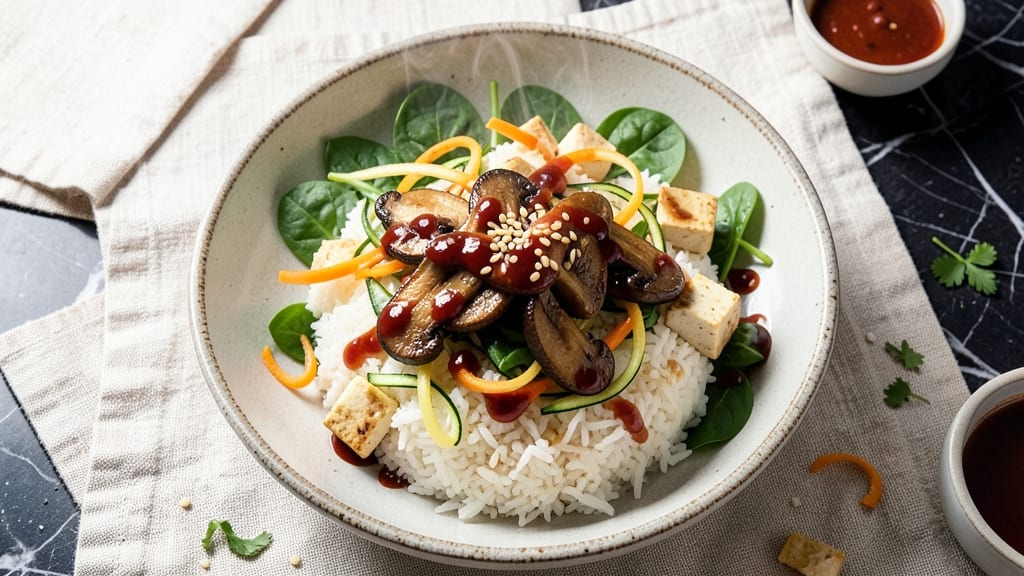
This vibrant bibimbap salad recipe transforms Korean rice bowl tradition into a colorful, plant-based masterpiece. The key lies in perfectly cooked short-grain rice as the base, paired with sautéed seasonal vegetables that burst with texture and flavor.
I developed this version to showcase traditional techniques like jeon (Korean pancake) garnishes while offering modern adaptations for vegan diets.
What sets this bibimbap apart is the balance of components: tender spinach, crisp carrots, and earthy mushrooms all cooked with minimal oil to preserve their natural vibrancy. The gochujang sauce—spicy, sweet, and umami-rich—binds everything together while adding that signature Korean depth.
For extra protein, pan-fried tofu or a fried egg creates the perfect finishing touch.
The assembly process is where the magic happens—each ingredient gets its own section on the plate, creating a visually stunning presentation that's as impressive as it is delicious. Every bite delivers a symphony of textures and flavors, from the chewy rice to the crisp vegetables and creamy sauce.
This is comfort food that feels both familiar and excitingly new.
Whether you're preparing for a weeknight dinner or a special gathering, this bibimbap adapts beautifully. Swap in seasonal vegetables, adjust the spice level, or make it completely vegan by omitting the egg. The result is always a harmonious bowl that brings Korean-inspired flavors to your table with professional-level results.
Ingredients for bibimbap salad
These vibrant ingredients transform simple rice into a Korean-inspired masterpiece bursting with color and flavor.
| Ingredient | Amount | Notes |
|---|---|---|
| Short-Grain White Rice 🍚 | 1 ½ cups | Uncooked, jasmine or sushi rice preferred |
| Baby Spinach 🌿 | 4 cups | Fresh, packed loosely |
| Carrots 🥕 | 2 whole | Julienned or thinly sliced |
| Shiitake Mushrooms 🍄 | 8 whole | Stemmed, sliced thin |
| Zucchini 🥒 | 1 whole | Spiralized or julienned |
| Extra-Firm Tofu 🥬 | 1 lb | Pressed, cubed |
| Sesame Oil 🫒 | 1 tbsp | Toasted for aroma |
| Gochujang Sauce 🌶️ | ½ cup | Korean chili paste |
| Rice Vinegar 🍶 | 2 tbsp | Seasoned preferred |
| Sesame Seeds 🌱 | 1 tbsp | Toasted for garnish |
| Vegetable Oil 🫒 | 2 tbsp | High smoke point |
| Salt 🧂 | 1 tsp | Kosher or sea salt |
| Black Pepper 🌶️ | ½ tsp | Freshly ground |
| Garlic Cloves 🧄 | 4 cloves | Minced for sauce |
| Soy Sauce 🍶 | 1 tbsp | Low-sodium preferred |
The rice is your foundation—jasmine or sushi rice gives that signature chewy texture. Trader Joe's or Asian markets carry these best, but any short-grain white rice works in a pinch. For the vegetables, freshness matters most—spinach should be crisp, carrots vibrant orange, and mushrooms firm. The tofu? Extra-firm, pressed for 20 minutes to remove excess water. I grab mine from the refrigerated section at Whole Foods, but any grocery store's organic tofu will do. Look for shiitake mushrooms with closed caps—they hold their shape better when cooked.
No sesame oil? Toasted sesame seeds plus neutral oil works in a bind, though the aroma is key. The gochujang sauce is non-negotiable for that signature Korean kick—Maesil or Dobae brands are my go-tos, but any quality Korean chili paste will work. Short on time? Pre-chopped veggies from the salad bar save minutes without sacrificing texture. The zucchini can be spiralized for that fun, noodle-like texture, or simply sliced thin. For extra protein, pan-fried tempeh makes a great substitute for tofu.
Rice keeps 3-4 days in the fridge, but I always cook fresh for this dish. The gochujang sauce? Store it in the fridge for up to 3 months—it only gets better with age. For meal prep, assemble everything separately and store components in airtight containers. When ready to eat, just reheat the veggies and tofu, then assemble with warm rice. The flavors actually deepen overnight, so leftovers taste even better the next day.
Why You'll Love This Recipe
- No-Fuss Assembly: I swear by this recipe on days when I’d rather not spend hours chopping. The veggies—spinach, carrots, shiitake—are all prepped in 10 minutes flat, and the rice just needs to sit. Honestly, the hardest part is deciding who gets the last bite.
- Umami-Packed Layers: Between the earthy shiitake mushrooms, the sweet crunch of julienned carrots, and the tender spinach, every forkful has something going on. I’ll be real: the first time I made this, I kept sneaking bites before dinner because it’s that good.
- Lunchbox Hero: This salad keeps like a champ—pack it in containers for up to four days, and it’s still fresh. My kids actually eat their veggies this way (no complaints about "yucky greens"), and it’s way cheaper than takeout. Win-win.
- Budget Meal Magic: Short-grain rice is dirt cheap, and seasonal veggies stretch further than you’d think. I’ve made this for $3 a serving, and it still feels like a restaurant dish. Between us? This is my secret weapon for feeding a crowd without breaking the bank.
Step-by-step instructions for Korean-inspired rice bowl vibrancy
Transform simple ingredients into a vibrant, flavor-packed bibimbap salad with these precise techniques.
Prepare the Short-Grain White Rice Foundation
Rinse the 1.5 cups of short-grain white rice under cold water until the water runs clear—this removes excess starch and prevents gummy texture. Combine the rinsed rice with 3 cups of water in a pot and bring to a boil over high heat. Once boiling, immediately reduce to low heat, cover tightly, and simmer for 15 minutes without lifting the lid. The rice is perfect when all liquid is absorbed and grains are tender but still slightly firm to the bite.
Real talk: I press down gently on the rice with a spoon during the last 2 minutes to ensure even cooking. Transfer to a serving dish and let it cool slightly before assembling—warm rice works best for this dish. The short-grain variety is essential; it holds its shape while absorbing flavors beautifully.
Sauté and Season the Vegetable Components
Heat 1 tablespoon of vegetable oil in a large skillet over medium-high heat. Add the 2 whole carrots and 8 whole shiitake mushrooms, cooking for 4-5 minutes until the mushrooms release their moisture and the carrots soften slightly. Remove and set aside. In the same pan, add 1 tablespoon of vegetable oil and sauté the 1 whole zucchini for 3 minutes until just tender-crisp.
For the spinach, heat the remaining 1 tablespoon of vegetable oil in a separate pan over medium heat. Add the 4 cups of baby spinach and cook for 1-2 minutes until just wilted—it should remain vibrant green. Season each vegetable component immediately after cooking with a pinch of salt and black pepper to preserve freshness.
Create the Gochujang-Sesame Dressing
In a small bowl, whisk together the 0.5 cup of gochujang sauce, 1 tablespoon of sesame oil, 2 tablespoons of rice vinegar, 1 tablespoon of soy sauce, and the 4 cloves of minced garlic cloves. Thin the mixture with 2 tablespoons of water until it reaches a smooth, pourable consistency. Taste and adjust seasoning with additional salt if needed—this dressing carries the dish's signature spicy-sweet balance.
Here's the thing: I let the dressing sit for 5 minutes before using it to allow the flavors to meld. The gochujang should be smooth but not runny—it should coat the back of a spoon without being gluey. This dressing will bind all your components together while adding that signature Korean heat.
Cook and Season the Extra-Firm Tofu
Press the 1 lb of extra-firm tofu between paper towels for 20 minutes to remove excess moisture, then cut into ½-inch cubes. Heat 1 tablespoon of vegetable oil in a skillet over medium heat until shimmering. Add the tofu cubes and cook for 5-6 minutes, turning occasionally, until golden brown on all sides. Season immediately with ½ teaspoon of salt and ¼ teaspoon of black pepper.
Don't skip the pressing step—this ensures crispy tofu instead of soggy. I like to add 1 teaspoon of sesame seeds to the pan during the last minute of cooking for extra texture. The tofu should be firm enough to hold its shape but still tender inside when sliced.
Assemble and Garnish the Bibimbap Salad
Divide the cooked rice evenly among 4 bowls. Arrange the sautéed vegetables and tofu cubes artistically on top of the rice—this is where the visual appeal comes from. Drizzle each bowl generously with the gochujang-sesame dressing, then sprinkle with the remaining ½ tablespoon of sesame seeds and an additional pinch of black pepper.
For the final touch, I like to add a small dollop of toasted sesame oil directly to each bowl before serving. This creates a beautiful aroma and enhances the nutty depth of the dish. Serve immediately while the rice is still warm and the vegetables retain their vibrant colors and crisp textures.
Pro Tips For Making Bibimbap Salad
- STEAM THE SPINACH: I learned this the hard way—wilted spinach in bibimbap gets soggy fast. Instead of just wilting in a pan, add 2 tablespoons water, cover with a lid, and let it steam for 30 seconds. The leaves stay bright and crisp enough to hold their shape when mixed with rice.
- SLICE CARROTS THINLY: Thick carrot slices turn mushy when stir-fried. Use a mandoline or sharp knife to cut them ⅛-inch thick—no thicker. Cook them separately at the very end for 1-2 minutes on high heat with a splash of water to keep them crisp-tender.
- DON’T OVERCOOK THE MUSHROOMS: Shiitake mushrooms lose their meaty texture when overworked. Sear them whole (stem-side down first) for 2-3 minutes per side, then slice and finish in the same pan for 30 seconds. They’ll stay firm but flavorful, not rubbery.
- UPGRADE WITH ZUCCHINI JULIENNE: Skip the boring sticks—julienne the zucchini into matchsticks. They cook faster, blend better with the rice, and add a subtle sweetness. Toss them in a little sesame oil while stir-frying for extra depth. (Yes, it’s more work, but it’s worth it.)
Regional styles of bibimbap salad
Korean Classic Bibimbap
This is the traditional version from Jeonju, Korea's bibimbap capital, where each ingredient gets its own section on the plate. I use short-grain white rice as the base, topped with sautéed spinach, carrots, mushrooms, and zucchini—each cooked separately to preserve textures.
The gochujang sauce ties everything together, and I always add a fried egg on top for that classic touch. The dish gets its name from the Korean verb bibimda ("to mix"), though purists eat it layer by layer. 🍚
Jeonju-Style Vegetarian
Jeonju's vegetarian version replaces meat with pan-fried tofu and adds jeon (Korean pancakes) as garnish. I make mine with spinach and bean sprouts for extra texture. The key difference is using less gochujang sauce—about ¼ cup—to balance the dish's natural sweetness.
This version is often served in temples and is a must-try for vegans. The crispy jeon adds that satisfying crunch that's missing from other variations.
Seoul Fusion Twist
Seoul's modern take incorporates kimchi as a base layer and adds bulgogi-seasoned beef—though I substitute with marinated tofu—for a sweeter, stickier sauce. The rice here is often mixed with a splash of sesame oil before serving. I also add quick-pickled radishes for that tangy crunch.
This version is more saucy and slightly sweeter, reflecting Seoul's love of bold flavors. The beef (or tofu) is typically cooked in a sweet soy glaze with pearl onions for extra depth.
Modern Vegan Adaptation
For my vegan version, I skip the egg and tofu entirely, using marinated tempeh instead for protein. The sauce becomes the star here—loaded with extra garlic, ginger, and a touch of maple syrup to balance the heat.
I also add roasted sweet potatoes and avocado slices for creaminess. The key is to keep the textures varied: crispy, chewy, and creamy. This version proves bibimbap can be completely plant-based without sacrificing flavor or satisfaction. 🌱
Southern Korean Spicy
This variation comes from Busan, where the heat is turned up with extra gochujang—sometimes mixed with gochugaru (Korean chili flakes)—and a splash of rice vinegar to cut through the spice. I add spicy bean sprouts and chili crisp for extra kick.
The rice is often cooked with a pinch of salt and sesame oil for aroma. This version is perfect for those who love bold, fiery flavors and isn't afraid to mix textures with crunchy, chewy, and creamy elements.
The heat level can be adjusted by reducing the gochujang or adding more vinegar.
Nutrition facts
Frequently asked questions
Can I make bibimbap without rice?
While traditional bibimbap relies on short-grain rice as its foundation, you can create a low-carb version by using cauliflower rice or quinoa instead. The texture will differ—cauliflower rice adds a slight crunch while quinoa provides a chewier bite. Just cook your alternative base thoroughly and adjust the sauce quantity slightly to account for the different moisture content.
What's the best way to store leftover bibimbap?
Store components separately for best results: keep the rice in one container and the vegetables/tofu in another. Reheat only what you'll eat immediately—rice reheats best when warm from the fridge. The vegetables and tofu can be reheated gently in a skillet with a splash of water to maintain texture. Leftovers keep well for 3-4 days in the fridge, and the flavors actually deepen over time.
How do I adjust the spice level in the gochujang sauce?
For milder heat, reduce the gochujang to 2 tablespoons and add 1 extra tablespoon of rice vinegar to balance. For extra spice, increase the gochujang to ⅔ cup and add ½ teaspoon of gochugaru (Korean chili flakes). Always taste before serving—you can adjust with more vinegar or a pinch of sugar to mellow the heat if needed.
Can I make bibimbap ahead of time?
Prepare all components separately and store them in airtight containers in the fridge. When ready to serve, simply reheat the vegetables and tofu (or egg) gently, then assemble with warm rice. The sauce can be made fresh or stored separately. This method actually enhances flavors as the ingredients meld together overnight.
What vegetables work best for bibimbap?
The key is choosing vegetables with varied textures and colors. Classic options include spinach, carrots, mushrooms, and zucchini, but you can swap in seasonal favorites like bell peppers, bean sprouts, or sweet potatoes. Just ensure they hold up well to sautéing—avoid overly watery vegetables like lettuce that will make the rice soggy.