
Salads
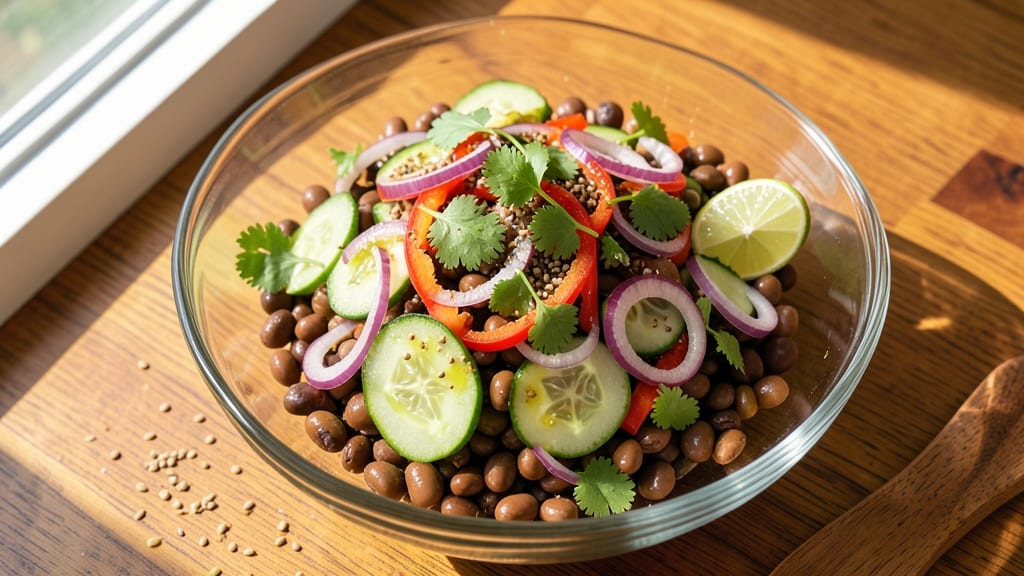
This black-eyed pea salad recipe with cilantro transforms humble ingredients into a vibrant, protein-packed dish that's perfect for summer gatherings or weeknight meals. The secret lies in balancing tender peas with bright herbs and a tangy dressing that keeps every bite fresh and satisfying. I developed this version after years of testing different ratios—now it's my go-to for meals that feel both nourishing and exciting.
The foundation starts with properly soaked and cooked black-eyed peas, which develop a satisfying texture when tossed with crisp vegetables and fresh cilantro. A zesty lime-vinaigrette dressing ties everything together, adding brightness that cuts through the richness of any optional toppings.
What makes this salad special is how versatile it is—serve it as a standalone meal, a hearty side, or even as a topping for tacos.
By the time you're done, you'll have a dish that's packed with plant-based protein, vibrant colors, and layers of flavor that make it impossible to stop at one serving. The cilantro adds that signature freshness, while the peas provide substance that keeps you full.
This isn't just another salad—it's a complete, satisfying meal that proves healthy eating can be delicious.
The best part? This recipe scales effortlessly for crowds or meal prep. Make it ahead and let the flavors meld in the fridge—it tastes even better the next day.
Whether you're serving it at a potluck or packing it for lunch, this black-eyed pea salad delivers on both nutrition and taste. Let's get started!
Ingredients for black eyed pea salad recipe cilantro
Six servings of vibrant, protein-rich goodness—just 14 ingredients for maximum flavor.
| Ingredient | Amount | Notes |
|---|---|---|
| Dried Black-Eyed Peas 🌱 | 1 ½ cups | Soaked overnight for tenderness |
| Fresh Cilantro 🌿 | ½ cup | Stems included for extra flavor |
| Red Bell Pepper 🧅 | 1 whole | Diced, seeds removed |
| Red Onion 🧅 | ½ whole | Thinly sliced, soaked 10 mins |
| Persian Cucumber 🥒 | 1 whole | Seedless, thinly sliced |
| Lime 🍋 | 2 whole | Juiced, seeds strained |
| Extra-Virgin Olive Oil 🫒 | ⅓ cup | High-quality, fruity |
| Apple Cider Vinegar 🍶 | 2 tbsp | Raw, unfiltered preferred |
| Garlic Cloves 🧄 | 3 cloves | Minced, fresh preferred |
| Honey 🍯 | 1 tbsp | Raw, unprocessed |
| Salt 🧂 | 1 ½ tsp | Diamond Crystal kosher |
| Black Pepper 🌶️ | ½ tsp | Freshly ground |
| Avocado 🥑 | 1 whole | Pitted, sliced (optional) |
| Jalapeño Pepper 🌶️ | 1 whole | Seeded, finely chopped (optional) |
The black-eyed peas are the heart of this salad, so don't skimp on quality. Look for dried peas in the bulk section at Whole Foods or Trader Joe's—they're fresher and hold up better when soaked. Soaking overnight (8+ hours) is non-negotiable; it transforms the texture from chalky to tender. For cilantro, farmers markets have the freshest bunches, but if you're buying from the grocery store, grab the whole stems—they pack more flavor. The red bell pepper and cucumber should be crisp; if they're soft, skip them and add extra avocado for creaminess instead.
No fresh cilantro? Dried works at one-third the amount, but it won't have the same brightness. Swap the red bell pepper for jalapeño or serrano if you want heat—just remove the seeds first. The lime juice can be substituted with lemon juice, but lime has that signature tang. For the dressing, if you're avoiding honey, maple syrup or agave works in a 1:1 ratio, though the flavor will differ slightly. The avocado and jalapeño are optional but add serious depth—add them right before serving to keep the salad crisp. For extra protein, toss in chickpeas or white beans after cooking the peas.
This salad tastes even better the next day—flavors meld beautifully in the fridge. Store all components separately: peas, veggies, dressing, and toppings. Keep the dressing in a sealed jar for up to 5 days, and the peas/veggies in airtight containers for 3-4 days. The avocado will brown, so slice it last-minute or toss with a pinch of lemon juice to preserve color. For meal prep, I double the batch and portion into containers with dressing on the side—ready to assemble in minutes. Freezing isn't recommended, as the texture changes, but the dressing freezes well for 3 months if you need to prep ahead.
Why You'll Love This Recipe
- No-Soak Magic: I swear by the overnight soak trick—just toss those dried peas in water, let them sit while you make dinner, and wake up to tender, ready-to-eat texture. No peeling, no fuss, and they hold their shape like a dream.
- Zesty Crunch Bomb: That cilantro-onion-red bell pepper mix? It’s the star. The Persian cucumber adds cool snap, while the cilantro’s bright punch cuts through the peas’ earthiness—like a fresh breeze in every bite.
- Potluck Hero: Between us, this salad always disappears at gatherings. It’s hearty enough for a main (yes, even on a Tuesday night), but light enough to pair with grilled chicken or just eat straight from the bowl.
- Pantry Goldmine: Dried peas last forever, and the veggies? You’re probably already buying them. I’ve made this for under $8 for four servings—plus, leftovers taste just as good the next day, packed or not.
Step-by-step instructions for black-eyed pea salad with cilantro
Here's how to create a vibrant, herb-forward salad that balances earthy peas with bright, zesty flavors.
Prepare the Black-Eyed Peas
Drain and rinse the soaked 1.5 cups dried black-eyed peas thoroughly under cold water. Transfer them to a saucepan and cover with fresh water (about 3 cups) by 1 inch. Bring to a boil over medium-high heat, then immediately reduce to a gentle simmer. Cook for 45-50 minutes until the peas are tender but still hold their shape—they should have a slight bite, not be mushy.
Drain and transfer the cooked peas to a large mixing bowl. While still warm, sprinkle them with 1.5 teaspoons salt and 0.5 teaspoon black pepper, tossing gently to help them absorb the seasoning. Let them cool to room temperature before proceeding—this prevents the salad from becoming watery.
Create the Zesty Dressing
In a small bowl, whisk together the 0.33 cup extra-virgin olive oil, 2 tablespoons apple cider vinegar, 1 tablespoon honey, and the juice of 2 whole limes (about 3-4 tablespoons). Add the 3 minced garlic cloves and stir until fully combined. Taste and adjust the balance—if it's too sharp, add a pinch more honey; if too sweet, a splash of vinegar.
This dressing is the heart of the salad, so don't rush the whisking. The olive oil should emulsify with the vinegar, creating a silky consistency that coats every ingredient. Set the dressing aside while you prep the remaining vegetables.
Assemble the Vegetable Components
Finely dice the 1 whole red bell pepper (seeds removed) and thinly slice the 0.5 whole red onion (soaked in cold water for 10 minutes to mellow its bite). Drain and pat dry before adding. Thinly slice the 1 whole Persian cucumber (seedless) and chop the 0.5 cup fresh cilantro, including stems for extra flavor. If using, seed and finely chop the 1 whole jalapeño pepper for a subtle kick.
Add all the prepared vegetables to the cooled black-eyed peas in the mixing bowl. Gently fold them together, ensuring even distribution of the herbs and peppers. This step is where the salad comes together—take your time to create a visually appealing mix with vibrant colors.
Combine and Dress the Salad
Pour the dressing over the vegetable mixture and toss gently but thoroughly. The peas should be evenly coated, and the dressing should glisten slightly. If the salad seems too dry, add 1-2 tablespoons water or a splash of lime juice to loosen it. Taste and adjust seasoning—you may need a pinch more salt or lime juice to balance the flavors.
For the final touch, add the 1 whole avocado (pitted and sliced) just before serving. Avocado adds creaminess and richness, but it oxidizes quickly, so wait until the last moment. Serve immediately for the best texture and flavor.
Rest and Serve
Let the salad rest for 10-15 minutes before serving. This allows the flavors to meld and the dressing to fully absorb into the peas and vegetables. The salad should be bright, tangy, and herby with a satisfying bite from the peas.
Serve chilled or at room temperature, garnished with additional cilantro or lime wedges. This salad pairs beautifully with grilled meats, crusty bread, or as a standalone light meal. Enjoy the zesty herb brightness in every bite!
Pro Tips For Making Black Eyed Pea Salad Recipe Cilantro
- SOAK THE PEAS RIGHT: Dried black-eyed peas need a 4–6 hour soak (or overnight) to soften properly—don’t skip this, even if the recipe says otherwise. I’ve seen people rush this and end up with a salad where the peas stay rock-hard and chewy, no matter how long you cook them later.
- CHOP CILANTRO LAST: Fresh cilantro loses its brightness fast, so add it to the salad bowl right before serving. If you prep it early, the leaves turn limp and bitter—trust me, the difference is noticeable, especially when paired with the sharpness of red onion.
- DICE THE ONION SMALL: Tiny, even dice (about 1/8-inch) make the red onion melt into the salad instead of sitting as harsh chunks. I used to cut it in big slabs, thinking it would soften—wrong. Now I use a sharp knife and go slow, or the mandoline if I’m feeling fancy.
- USE COLD PEAS: Let the cooked peas cool completely before mixing them into the salad. Warm peas release starch and make the dressing turn gloopy fast—you’ll end up with a mushy mess instead of a crisp, bright bite. Pop them in an ice bath for 10 minutes if you’re impatient.
Pro cooking tips for black eyed pea salad recipe cilantro
Pea Texture Mastery
Perfecting the texture of black-eyed peas is everything—you want them tender but still holding their shape. Start by soaking them overnight in plenty of cold water (at least 8 hours), then cook them in fresh water (not the soaking water) over medium-low heat.
I use a heavy-bottomed pot to prevent scorching, and I stir occasionally to ensure even cooking. The peas are done when they're fork-tender but not mushy—about 45-50 minutes. Overcooking turns them mealy, so keep an eye on them! 🌱
Dressing Emulsification
The secret to a silky dressing lies in proper emulsification. Whisk the olive oil and vinegar together vigorously for at least 30 seconds—this creates tiny oil droplets suspended in the vinegar, preventing separation. Add the honey and lime juice gradually while whisking to balance sweetness and acidity.
For extra insurance, I blend the dressing in a mini food processor for 10 seconds—this ensures a velvety texture that clings beautifully to the peas. Taste as you go and adjust with more lime or honey until it sings. ✨
Onion Prep Hack
Raw red onion can overwhelm the salad with its sharp bite. To mellow it, I soak the thinly sliced onion in ice water for 10 minutes before draining and patting dry. This removes excess sulfur compounds that cause the harshness.
For even more flavor control, I pulse the onion in a food processor for 3 seconds—this creates a fine texture that distributes evenly without dominating. If you're short on time, a quick rinse under cold water helps too. 🧅
Cilantro Freshness Boost
Fresh cilantro makes all the difference, but store-bought often lacks vibrancy. I look for bunches with bright green stems—these are packed with flavor. To maximize freshness, I store cilantro in a glass jar with 1 inch of water in the fridge, covering the stems loosely with a plastic bag.
This mimics how it grows, keeping it crisp for up to 2 weeks. When prepping, I chop the stems too—they contain concentrated flavor. For extra brightness, I add 1 tsp lime zest along with the chopped cilantro. 🌿
Avocado Timing
Avocado is the salad's creamy crown, but it browns quickly when exposed to air. I only add it right before serving—slice it thinly and toss it in just as guests sit down.
To slow oxidation, I brush the cut sides with a tiny bit of lime juice and sprinkle with pinch of salt. For meal prep, I keep avocado separate and add it fresh when ready to eat.
If you must prep ahead, store avocado slices in plastic wrap pressed directly against the flesh to minimize air exposure. 🥑
Flavor Layering
Building flavor in stages is key. First, season the cooked peas while warm—they'll absorb the salt and pepper perfectly. Then, let everything cool before adding the dressing; this prevents the peas from becoming soggy.
For maximum depth, I add the jalapeño and garlic to the dressing 30 minutes before serving—this gives them time to infuse. Finally, a sprinkle of toasted cumin seeds or smoked paprika right before eating adds an earthy warmth that ties everything together. 💫
Nutrition facts
Frequently asked questions
Can I use canned black-eyed peas instead of dried?
Yes, but with adjustments! Use 1 (15-ounce) can of drained black-eyed peas (about 1.5 cups) and skip the soaking step. Since canned peas are pre-cooked, reduce the cooking time to just 5 minutes in fresh water to warm through. They'll be softer than dried, so add a pinch more salt to enhance flavor.
What if I don't like cilantro? Can I substitute it?
Swap the cilantro for flat-leaf parsley (same amount) or green onions (use 2 tablespoons chopped) for a milder flavor. For a different twist, try dill or basil—both pair beautifully with the lime dressing. Just reduce the quantity by half since these herbs are more potent.
How can I make this salad spicier?
Add heat with jalapeño or serrano peppers! For mild heat, finely chop 1 whole jalapeño (seeds removed) and mix it into the dressing. For extra kick, add ½ teaspoon cayenne pepper or 1 teaspoon hot sauce to the dressing. If you love smoky flavors, sprinkle ½ teaspoon smoked paprika on top before serving.
Can I make this salad ahead of time?
Yes, but store components separately! Cook the peas and chop veggies, then refrigerate in airtight containers for up to 3 days. Keep the dressing separate until ready to serve to prevent sogginess. Assemble just before eating—this keeps the texture crisp. The avocado should always be added last to prevent browning.
Is this salad vegan-friendly?
Mostly! The recipe is naturally vegan, but check your honey—some brands use bee products. For a fully vegan version, substitute the honey with 1 tablespoon maple syrup or agave nectar. The dressing remains plant-based, and all other ingredients are vegan-friendly. Serve with vegan toppings like avocado or toasted pepitas for extra protein.