
Salads
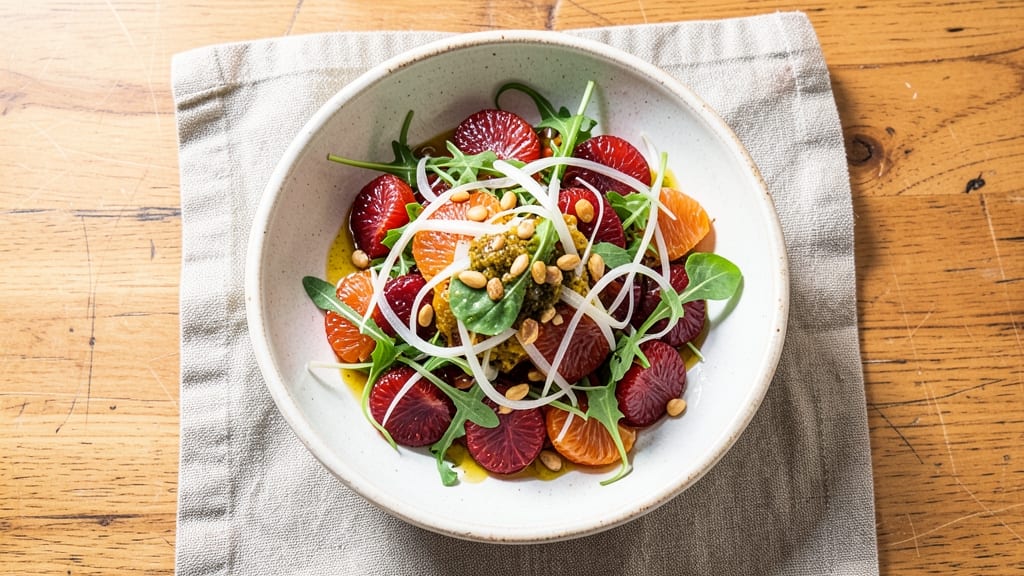
This blood orange and fennel salad recipe transforms simple ingredients into a vibrant dish that balances sweet, bitter, and citrusy flavors in every bite.
The key lies in thinly shaving the fennel for a crisp, anise-infused crunch that pairs perfectly with the juicy segments of blood orange—no fancy techniques required, just sharp knives and a little patience.
I developed this salad during winter markets when blood oranges were at their peak, and it quickly became a staple for both weeknight dinners and holiday spreads.
The magic happens in the dressing—a light citrus vinaigrette that enhances the natural sweetness of the blood orange without overpowering the fennel's earthy notes. You'll need just five ingredients: olive oil, blood orange juice, Dijon mustard, honey, and a pinch of salt, all combined in minutes.
The result is a bright, tangy dressing that clings to every ingredient, creating a salad that's as visually stunning as it is delicious.
What you'll end up with is a dish that's crisp, refreshing, and packed with texture—thin fennel shavings, juicy citrus segments, and optional add-ons like toasted nuts or arugula for extra depth. This salad works beautifully as a standalone dish or alongside grilled fish, charcuterie, or roasted chicken.
The flavors are bold enough to stand on their own but subtle enough to complement richer dishes.
Perfect for seasonal eating, this recipe makes the most of winter citrus while keeping prep simple and efficient. Whether you're serving it at a dinner party or packing it for lunch, the combination of sweet, bitter, and tangy flavors will leave everyone asking for seconds. Let's get started!
Ingredients for blood orange and fennel salad
Simple ingredients that come together for a vibrant, seasonal salad bursting with citrus and anise notes.
| Ingredient | Amount | Notes |
|---|---|---|
| Blood Oranges 🍊 | 2 whole | Segments only, juicy varieties preferred |
| Fennel Bulb 🥕 | 1 whole | Thinly shaved lengthwise, core removed |
| Extra-Virgin Olive Oil 🫒 | ½ cup | Light fruity variety for best flavor |
| Blood Orange Juice 🍊 | ¼ cup | Freshly squeezed, no pulp |
| Dijon Mustard 🍯 | 1 tbsp | Mild or strong, your preference |
| Honey 🍯 | 1 tbsp | Wildflower or clover preferred |
| Flaky Sea Salt 🧂 | ½ tsp | For finishing, not cooking |
| Fresh Arugula 🌿 | 4 cups | Optional for peppery bite |
| Toasted Walnuts 🥜 | ½ cup | Optional crunchy addition |
Blood oranges are the star here—look for ones that are heavy for their size and have a deep red blush. Winter markets usually have the best selection, but grocery stores carry them too. The fennel should be firm with no soft spots, and the bulb should feel solid when squeezed. If you can't find blood oranges, regular oranges or grapefruit work in a pinch, but the deep red color is key for that signature look. For the dressing, Dijon mustard adds that perfect tangy kick, so don't skip it. I always grab a small jar of Maille if I'm making this for guests—they've got just the right balance of sharpness.
No blood oranges? Grapefruit or tangerines can stand in, though the flavor will be slightly different. The fennel is non-negotiable for that anise flavor, but if you can't find it, celery root or even extra celery can add a milder crunch. For the dressing, if you're avoiding honey, maple syrup or agave works well—just use the same amount. The arugula and walnuts are optional but add great texture. If you're feeling fancy, toast the walnuts in a dry pan for about 3-4 minutes until golden. They'll keep for a week in an airtight container if you make extra.
This salad keeps best in the fridge for 2 days if you store the dressing separately. The fennel stays crisp for about 3 days if you wrap it tightly in plastic. I always make mine the morning of serving—it's just too fresh to wait. The dressing will last 1 week in the fridge, so make extra for other salads or drizzle it over grilled fish. If you're prepping ahead, store the fennel and blood orange segments in one container and the dressing in another. Toss just before serving to keep everything crisp.
Why You'll Love This Recipe
- No Knife Marathon: I swear by this one—just slice the fennel thin (a mandoline helps, but a sharp knife works) and let the blood orange segments do the heavy lifting. No dicing, no mincing, no stress. The fennel’s crisp crunch comes together in minutes, not hours.
- Citrus-Kissed Magic: That first bite? The blood orange’s tart-sweet punch with the fennel’s licorice-like crunch—it’s like a flavor party in your mouth. The Dijon mustard and olive oil dressing ties it all together without overpowering, so you taste every juicy, vibrant note.
- Weeknight to Weekend: Honestly, this salad works everywhere. Toss it with grilled chicken for a quick dinner, pile it high on a charcuterie board for guests, or pack it in a jar for lunch—it stays fresh for days. My college-aged son even asks for it on lazy Sundays.
- Budget Brightness: Blood oranges and fennel are affordable in season, and this recipe stretches them further than you’d think. A few dollars buys enough for multiple meals, and the dressing uses pantry staples. Plus, leftovers? They’re still delicious the next day—no sad wilted greens here.
Step-by-step instructions for blood orange and fennel salad
This salad comes together faster than you'd think—bright, crisp, and packed with bold flavors.
Prep the Blood Oranges
Cut the 2 whole blood oranges in half crosswise and squeeze them over a fine-mesh strainer to collect the juice. You should get about 0.25 cup of juice—save this for the dressing. Then, use a sharp knife to segment the oranges, removing all the membranes and seeds. The segments should be juicy and vibrant red—this is where the salad gets its signature citrus punch.
If you're using the optional arugula, rinse the 4 cups under cold water and spin dry in a salad spinner. This removes any dirt while keeping the leaves crisp. Don't skip this step—wet leaves make the salad soggy. Set the arugula aside until ready to assemble.
Shave the Fennel and Toast the Walnuts
Trim off the top and bottom of the 1 whole fennel bulb, then slice it in half lengthwise. Remove the core using a paring knife, being careful not to cut into the bulb itself. Using a mandoline or sharp knife, shave the fennel as thinly as possible—you're aiming for paper-thin slices that will soften slightly but still hold their shape. The fennel should look like delicate, translucent ribbons.
While the fennel shaves, toast the 0.5 cup walnuts in a dry skillet over medium heat. Stir constantly for 3-5 minutes until they're fragrant and golden brown. Watch them closely—they burn quickly. Let them cool completely before adding to the salad, so they don't release their oils too early and make the dressing separate.
Whisk the Dressing
In a small bowl, whisk together the 0.5 cup extra-virgin olive oil, 0.25 cup blood orange juice, 1 tbsp Dijon mustard, and 1 tbsp honey. Start with a fork, then switch to a whisk for a smoother emulsion. The dressing should look like a pale orange sauce—thin enough to coat the back of a spoon but still cling to the salad ingredients.
Taste and adjust the balance: add a pinch more honey if it's too sharp, or a splash of water if it's too thick. The dressing should coat the fennel and oranges lightly without making them soggy. This is where the salad's magic happens—the sweetness of honey and citrus balances the anise notes from the fennel.
Assemble the Salad
In a large bowl, gently toss the arugula with half of the dressing to lightly coat. Add the fennel shavings, blood orange segments, and toasted walnuts. The fennel should soften slightly but still hold its shape—if it's too tough, it needs to sit for 5 more minutes before serving. Fold everything together just until combined, reserving a few walnuts for garnish.
Drizzle the remaining dressing over the top and sprinkle with the 0.5 tsp flaky sea salt. The salt should melt slightly on the fennel and oranges, enhancing their natural sweetness. Serve immediately while the fennel is still crisp and the dressing is fresh. This salad tastes best when eaten right away—every bite should deliver a perfect balance of citrus, anise, and crunch.
Pro Tips For Making Blood Orange And Fennel Salad
- SHRED FENNEL THIN: Use a mandoline set to 1mm—thinner slices mean more surface area for the dressing to cling to. I tried the knife method once and ended up with uneven chunks that soaked up dressing like a sponge instead of staying crisp.
- JUICE THE ORANGES FRESH: Skip bottled juice—it’s watered down and lacks the bright acidity that cuts through the fennel’s bitterness. Roll the oranges on the counter first to soften them, then strain the juice through a fine-mesh sieve to avoid pulp clogging your dressing.
- WHISK THE DRESSING WELL: Combine mustard, juice, and olive oil, then whisk hard for 30 seconds—this emulsifies the dressing so it won’t separate later. I learned this after watching my first batch split into greasy layers halfway through serving.
- SALT THE FENNEL BEFORE DRESSING: Toss the shaved fennel with ½ tsp salt and let it sit for 5 minutes—this draws out moisture and mellows the raw edge. Rinsing it afterward removes excess salt but keeps the texture crisp. (Yes, it sounds weird, but it works.)
Health benefits of blood orange and fennel salad
Citrus Vitamin Boost
Blood oranges are packed with vitamin C—just one serving provides 150% of your daily needs—which supports your immune system and collagen production. The deep red color comes from anthocyanins, powerful antioxidants that fight inflammation and protect your cells.
I always feel more energized after eating this salad, especially during winter when vitamin C is harder to get from other sources. 💪
Fennel's Digestive Benefits
The fennel in this salad contains anethole, a compound that soothes digestion and reduces bloating. It also provides fiber to keep your gut moving smoothly while adding that signature anise flavor.
The thin shaves make it easier to digest than whole fennel bulb, so you get the benefits without the bulk.
Heart-Healthy Fats
Extra-virgin olive oil in the dressing delivers monounsaturated fats that support heart health by lowering bad cholesterol. The 0.5 cup used here provides about 12 grams of healthy fats—perfect for keeping your heart happy while adding richness to the salad.
I always use a light fruity variety to let the citrus shine through.
Blood Sugar Balance
The combination of citrus, honey, and fennel helps stabilize blood sugar levels naturally. The fiber from fennel and arugula slows sugar absorption, while the citrus prevents spikes. This makes it a great salad choice for anyone watching their blood sugar or following a balanced diet.
Antioxidant Powerhouse
Both blood oranges and fennel are rich in antioxidants that combat oxidative stress. The blood orange's anthocyanins work with fennel's flavonoids to create a powerful antioxidant duo. I've noticed my skin looks brighter after eating this salad regularly—it's like getting a natural glow from the inside out! ✨
Low-Calorie Nutrition
This salad delivers big flavor with minimal calories—about 150 calories per serving—making it perfect for weight-conscious eaters. The fiber from fennel and arugula keeps you full while providing essential nutrients without the calorie load.
It's one of those rare salads where you can eat a big portion and still feel light and satisfied.
Nutrition facts
Frequently asked questions
Can I substitute regular oranges for blood oranges in this salad?
Yes, you can use regular oranges or grapefruit, but the flavor will be slightly different. Blood oranges provide a unique sweet-tart balance and vibrant red color that's hard to replicate. If substituting, add an extra ½ teaspoon of honey to the dressing to compensate for the milder sweetness. The fennel and dressing will still shine through!
How do I get perfectly thin fennel shavings without a mandoline?
Use a very sharp chef's knife and work patiently! Place the fennel half on a cutting board and hold it steady with one hand. Make thin, even slices by rocking the knife gently from heel to tip. For extra control, wrap the fennel in plastic wrap first—it creates a grip and prevents slipping. Aim for slices no thicker than 1/16-inch for that delicate texture.
Can I make this salad ahead of time?
Store the fennel shavings, blood orange segments, and optional arugula separately in airtight containers in the fridge for up to 2 days. Keep the dressing in a separate container. When ready to serve, toss everything together just before eating to maintain crispness. The fennel stays best when stored dry—don't add dressing until the last minute.
What's the best way to serve this salad?
This vibrant salad pairs beautifully with grilled fish like sea bass or branzino, rich charcuterie boards, or even as a side to roasted chicken. For a complete meal, serve with crusty bread to soak up any extra dressing. The bright flavors also make it perfect for holiday appetizers or as a refreshing main course during warm weather.
Why does my dressing look separated?
This usually happens when the dressing sits too long or if the ingredients aren't properly emulsified. Whisk vigorously again and add 1 teaspoon of warm water to help bind the mixture. For extra insurance, stir in ½ teaspoon of Dijon mustard—it acts as a natural emulsifier. If the separation persists, simply shake the dressing bottle before using.