
Sauces & Condiments
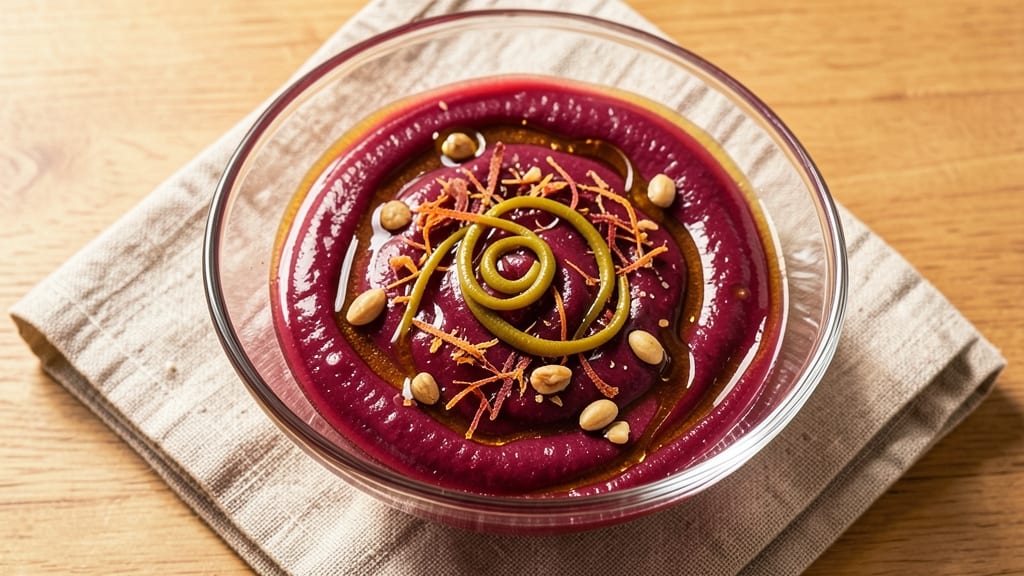
This blood orange salad dressing transforms simple greens into a vibrant, tangy masterpiece that balances bright citrus with herby depth. The secret lies in combining blood orange juice and zest with high-quality olive oil and a touch of Dijon mustard—creating an emulsion that clings beautifully to every leaf.
I developed this recipe after realizing how often store-bought dressings fell flat against bold flavors like arugula or grilled chicken.
The base ingredients—blood orange juice, olive oil, apple cider vinegar, and Dijon—form the perfect foundation, while fresh herbs like thyme or basil add aromatic complexity. A hint of honey or maple syrup balances the acidity, while black pepper and a pinch of salt elevate the depth.
What makes this dressing truly special is its versatility: it brightens salads, enhances grilled seafood, and even works as a marinade for chicken.
What you'll end up with is a dressing that's impossibly smooth, with a perfect balance of sweet-tart citrus and savory herbs. The blood orange's deep red hue adds visual appeal, while the flavor profile evolves beautifully over time—making it even more delicious after a day in the fridge.
This isn't just another salad dressing; it's a flavor enhancer that transforms ordinary meals into something extraordinary.
Use it immediately or store it for up to a week, allowing the flavors to meld even further. The possibilities are endless—try it on mixed greens, drizzle it over grilled shrimp, or even use it as a finishing sauce for roasted vegetables. Here's everything you need to make it.
Ingredients for blood orange salad dressing
Bright citrus meets herby richness in this vibrant dressing—just ten ingredients, maximum flavor.
| Ingredient | Amount | Notes |
|---|---|---|
| Blood Orange Juice 🍊 | ½ cup | Freshly squeezed, no pulp |
| Extra-Virgin Olive Oil 🫒 | ¾ cup | High quality, fruity variety |
| Apple Cider Vinegar 🍶 | 2 tbsp | Raw, unfiltered preferred |
| Dijon Mustard 🍯 | 1 tbsp | Mild or strong, your choice |
| Blood Orange Zest 🍊 | 1 tbsp | Finely grated peel |
| Pure Maple Syrup 🍁 | 1 tbsp | Grade B for deeper flavor |
| Fresh Thyme Leaves 🌿 | ¼ cup | Finely chopped, stems removed |
| Fresh Basil Leaves 🌿 | ⅛ cup | Chopped, stems removed |
| Kosher Salt 🧂 | ½ tsp | Fine grain preferred |
| Freshly Ground Black Pepper 🌶️ | ¼ tsp | Freshly cracked preferred |
Blood oranges are the star here, so grab the freshest ones you can find. Whole Foods or local farmers markets usually have them in season, but check the produce section at Trader Joe's or Kroger too—they often carry them year-round. Look for oranges that are heavy for their size and have a deep red blush. If you can't find blood oranges, regular navel oranges work in a pinch, though they won't have that signature deep red color. For the olive oil, California avocado oil or Italian extra-virgin adds a fruity depth that pairs perfectly with the citrus. Avoid the cheap stuff—this is where the dressing's richness comes from.
No blood oranges? Grapefruit juice at half the amount gives a similar tartness, though it'll lack that signature sweetness. Swap the maple syrup for agave nectar or honey if you prefer, but maple has a more complex flavor that complements the citrus beautifully. Fresh herbs are ideal, but dried thyme at one-third the amount works if you're in a bind. The Dijon mustard is non-negotiable—it's what helps create that perfect emulsion. If you're out, whole-grain mustard at double the amount will work, but it might be a touch grainier. For extra brightness, add a pinch of citric acid (found in baking aisles) to mimic the tang of fresh fruit.
This dressing keeps beautifully—up to 1 week in the fridge if stored in an airtight jar. The flavors actually improve over time, so make extra if you can. If it separates, just give it a quick whisk before using. For longer storage, freeze in ice cube trays—perfect for single-use portions. The zest and herbs can be prepped ahead and stored in the freezer for up to 3 months if you're planning to make a big batch. Just toss them in a sealed baggie and pull them out when you're ready to mix everything together.
Why You'll Love This Recipe
- Five-Ingredient Magic: I swear, this dressing comes together faster than I can say "juice the oranges." Just whisk blood orange juice, olive oil, vinegar, mustard, and zest—no fancy techniques, no stress. Honestly, the hardest part is deciding whether to use fresh or bottled juice.
- Bright Tangy Kick: That blood orange zest? It’s the secret weapon. The citrusy sharpness cuts through greens like a dream, while the Dijon mustard adds this deep, slightly spicy bite. It’s not sweet—it’s bold, and I love that it doesn’t play it safe.
- Weeknight & Holiday Hero: Slather it on a simple arugula salad for dinner, or drizzle it over roasted chicken for a fancy-ish touch at a party. Between us, I’ve used it on everything from grain bowls to grilled fish, and it never lets me down. (Yes, even on a Tuesday night.)
- Makes More Than You Need: The best part? This dressing keeps for days in the fridge, so I always have a backup. A little goes a long way, so you’ll end up with leftovers—and trust me, you’ll want them. The flavors only get better after sitting overnight.
Step-by-step instructions for blood orange salad dressing
This vibrant dressing comes together in minutes—just whisk and taste as you go.
Whisk Together the Wet Ingredients
In a medium bowl, combine the 0.5 cup blood orange juice, 0.75 cup extra-virgin olive oil, 2 tablespoons apple cider vinegar, and 1 tablespoon Dijon mustard. Use a whisk and stir vigorously for about 30 seconds until everything is fully incorporated. You'll notice the mixture will start to emulsify slightly as you work, creating a smooth base.
The blood orange juice should be freshly squeezed and free of pulp to avoid a gritty texture. If you're using a high-quality extra-virgin olive oil, you'll already notice its rich, fruity aroma mingling with the citrus. This is the foundation of your dressing, so take your time to get it perfectly smooth before moving forward.
Add Sweetness and Herbs
Next, stir in the 1 tablespoon pure maple syrup, 1 tablespoon blood orange zest, 0.25 cup chopped fresh thyme leaves, and 0.125 cup chopped fresh basil leaves. The zest will add a bright, aromatic pop of citrus flavor that's more intense than the juice alone. The herbs will lend a fresh, earthy depth that balances the sweetness and acidity.
Here's where it gets fun—taste as you go. The dressing should be tangy, slightly sweet, and herby. If it tastes too sharp, add another ½ teaspoon of maple syrup. If it needs more acidity, add a splash of apple cider vinegar. Adjust the salt and pepper to taste—you want it to be well-seasoned but not overpowering.
Emulsify and Adjust to Perfection
Continue whisking the dressing for another 1-2 minutes until it thickens slightly and becomes creamy. The blood orange zest and herbs should be fully distributed, and the mixture should coat the back of a spoon. If the dressing separates at all, don't worry—just whisk a bit longer or add a few drops of water to help it come back together.
This is the moment that matters: the dressing should be balanced—bright from the blood orange, tangy from the vinegar, sweet from the maple syrup, and herby from the thyme and basil. If it's too thin, let it sit for 5 minutes to thicken naturally. If it's still too thin after adjusting, you can whisk in 1 teaspoon of Dijon mustard to help bind it.
Rest and Serve
Transfer the dressing to a clean jar or airtight container and let it rest at room temperature for at least 30 minutes before serving. This resting time allows the flavors to meld and the dressing to reach its ideal consistency. The longer it sits, the more complex the flavors become—so if you can wait 1-2 hours, even better.
Shake well before each use, as the herbs may settle. This dressing pairs beautifully with mixed greens, roasted vegetables, or even grilled proteins. The bright citrus notes will cut through rich flavors, while the herby depth adds a sophisticated touch. Store any leftovers in the refrigerator for up to 1 week, shaking well before each use.
Pro Tips For Making Blood Orange Salad Dressing
- STRAIN THE JUICE WELL: Blood oranges have pulp that turns your dressing grainy—no matter how fancy the bowl. Use a fine-mesh sieve or cheesecloth, then press with a spoon. I learned this the hard way when my first batch looked like it had sand in it.
- USE COLD ORANGES ONLY: Room-temperature blood oranges release bitter compounds. Keep them refrigerated until juicing, then chill the juice for 10 minutes before mixing. Your dressing will taste bright, not harsh—trust me, I’ve made the bitter mistake.
- WHISK IN STAGES: Start with just the juice, vinegar, and mustard. Thin with olive oil slowly—a drizzle at a time—until it emulsifies. Dumping all the oil in at once guarantees separation, and nobody wants to fix that mid-salad.
- ZEST FIRST, JUICE LATER: Add the zest to the dry ingredients (mustard, salt) before mixing in liquids. This distributes the citrus oils evenly and prevents them from floating to the top. Sounds picky, but it makes the flavor sing—like the difference between a good vinaigrette and a great one.
Serving suggestions for this blood orange salad dressing
Salad Pairings
This dressing shines on arugula and mixed greens—the peppery bite of arugula balances the sweet-tart citrus beautifully. I love tossing it with shaved fennel, pomegranate seeds, and toasted walnuts for texture.
For heartier salads, add grilled chicken breast or smoked salmon to complement the dressing's herby depth. 🥗
Grilled Meats
Brush this dressing on grilled chicken thighs or pork chops during the last 2 minutes of cooking—it caramelizes into a glossy glaze. I also use it as a marinade for shrimp skewers by adding 1 tbsp olive oil and letting it sit for 30 minutes before grilling.
The blood orange's acidity tenderizes while adding vibrant color.
Seafood Applications
Drizzle over seared scallops or grilled halibut for instant brightness. The citrus cuts through rich seafood flavors perfectly. For extra flair, mix 1 tsp capers into the dressing before serving—it adds a briny contrast that's irresistible.
I also love using it as a dipping sauce for crispy calamari with lemon wedges on the side.
Roasted Vegetables
Toss roasted beets and carrots with this dressing after roasting—they absorb the citrus beautifully. For a complete meal, pair with crispy polenta or warm crusty bread. The dressing also works wonders on grilled eggplant or asparagus, especially when finished with flaky sea salt.
Breakfast Twist
Don't limit this to salads! Drizzle over avocado toast on sourdough with chili flakes for a breakfast game-changer. I also use it as a dipping sauce for fresh baguette slices with whipped goat cheese. The sweet-tart balance makes it surprisingly versatile for morning meals too.
Pro Tips
For extra richness, add 1 tbsp crème fraîche to the dressing—it adds a velvety texture that pairs perfectly with the citrus. If you're serving a crowd, make a double batch and store it in the fridge for up to 1 week.
The flavors actually deepen over time, making it worth prepping ahead. 💡
Nutrition facts
Frequently asked questions
Can I substitute regular oranges for blood oranges in this dressing?
The flavor will be different, but yes! Use 0.5 cup freshly squeezed navel or Valencia orange juice and add ½ teaspoon extra citric acid (found in baking aisles) to boost tartness. The dressing will lack the deep red color, but the citrus brightness remains. For a sweeter balance, increase the maple syrup to 1.5 tablespoons.
Why did my dressing separate? How do I fix it?
Separation happens when oil and vinegar aren't properly emulsified. Whisk vigorously for 1-2 extra minutes or add ½ teaspoon Dijon mustard to help bind it. For stubborn separation, blend briefly with an immersion blender or add 1 teaspoon warm water while whisking. The dressing should thicken back into a creamy texture.
How can I make this dressing spicier?
Add ½ teaspoon red pepper flakes or 1 teaspoon hot sauce (like Cholula) for heat. For a smoky kick, stir in ¼ teaspoon smoked paprika. If you prefer fresh chili, muddle 1 small jalapeño (seeds removed) with the herbs. Always taste first—the blood orange's sweetness balances spice beautifully.
Can I use this dressing as a marinade?
Use it as-is for seafood (shrimp, scallops) or delicate proteins (chicken, pork tenderloin). For tougher meats, reduce the vinegar to 1 tablespoon and add 1 tablespoon olive oil to prevent drying. Marinate for 30-60 minutes max—citrus can over-tenderize after 1 hour.
What's the best way to store leftover dressing?
Transfer to a clean glass jar or airtight container and refrigerate for up to 1 week. Shake well before each use—the herbs will settle. For longer storage, freeze in ice cube trays (thaw overnight in the fridge). The flavors actually improve over time, developing deeper complexity.