
Salads
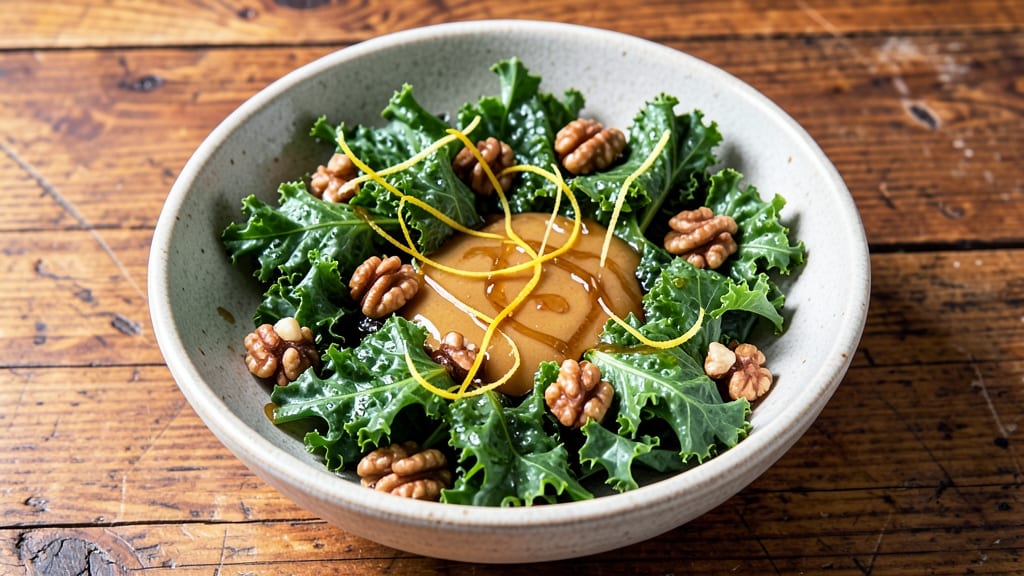
This Blue Apron-inspired kale salad delivers restaurant-quality texture and flavor with just a few simple techniques. The secret lies in properly massaging the kale to soften its tough edges while preserving that signature Blue Apron brightness—no wilted, bitter greens here.
Toasted walnuts add a satisfying crunch that contrasts perfectly with the tender leaves, while a tangy lemon-vinaigrette ties everything together in a way that feels both fresh and sophisticated.
What sets this salad apart is the balance of preparation and assembly—just 15 minutes of hands-on work yields a dish that tastes like it took hours.
The kale gets its signature tender texture through a gentle massage with olive oil and lemon juice, while the walnuts toast in the same pan for maximum flavor with minimal effort.
This is the kind of salad that holds up beautifully for lunch or dinner, whether served as a light main or alongside grilled proteins.
The result is a salad with layers of texture—crispy walnuts, tender kale, and a dressing that clings just enough to coat each bite without overwhelming. The flavor profile is bright yet balanced, with the sharpness of lemon cutting through the richness of the walnuts and olive oil.
It’s the kind of dish that makes you want to serve it at gatherings, yet feels approachable enough for a weeknight dinner.
For an extra touch of sophistication, consider adding optional ingredients like crumbled goat cheese or pomegranate seeds. The salad keeps well for up to 2 days in the fridge, making it perfect for meal prep.
Let’s get started on creating this showstopping dish that tastes like it came straight from a high-end kitchen.
Ingredients for blue apron kale salad
Kale, walnuts, and a bright vinaigrette—simple ingredients that deliver restaurant-quality texture and flavor.
| Ingredient | Amount | Notes |
|---|---|---|
| Curly Kale Leaves 🌿 | 6 cups | Stemmed and chopped |
| Walnuts 🥜 | 1 cup | Raw, unsalted |
| Extra-Virgin Olive Oil 🫒 | ¼ cup | For massage and toasting |
| Lemon Juice 🍋 | 2 tbsp | Freshly squeezed |
| Dijon Mustard 🍯 | 1 tbsp | For dressing tang |
| Maple Syrup 🍯 | 1 tbsp | For subtle sweetness |
| Apple Cider Vinegar 🍶 | 1 tbsp | For brightness |
| Sea Salt 🧂 | ½ tsp | Diamond Crystal preferred |
| Freshly Ground Black Pepper 🌶️ | ¼ tsp | For dressing finish |
| Goat Cheese 🧀 | 2 oz | Crumbled, optional |
| Pomegranate Seeds 🍇 | ¼ cup | For garnish, optional |
| Garlic Cloves 🧄 | 1 whole | Minced for dressing |
The kale is the foundation, so choose fresh, vibrant leaves—avoid any with yellowing edges or wilted spots. Whole Foods or local farmers markets often carry the best quality, but the standard grocery store variety works fine if it's crisp. For the walnuts, raw and unsalted is key—they toast up perfectly without competing with the kale's natural flavor. Toasting them in the same pan as the garlic adds depth, so don't skip that step. The garlic should be minced finely for the dressing to avoid a gritty texture. If you're short on time, pre-chopped garlic from the refrigerated section works, but fresh is always better.
No Dijon mustard? Yellow mustard at half the amount works in a pinch, though it lacks the subtle complexity. Substituting maple syrup with honey or agave nectar keeps the dressing balanced, but maple has a more refined finish. For extra crunch, pecans or almonds can replace walnuts, though walnuts have that signature Blue Apron nuttiness. The goat cheese is optional but adds a creamy contrast—feta or crumbled blue cheese are great alternatives if you prefer something tangier. Pomegranate seeds can be swapped for toasted pumpkin seeds or extra walnuts for a budget-friendly option.
Store the dressing separately in a small jar for up to 1 week—it only needs to be shaken before use. The kale keeps well in the fridge for 2 days if stored in an airtight container, but it's best enjoyed fresh. Walnuts can be toasted ahead and stored in an airtight container for up to 2 weeks at room temperature. For meal prep, assemble the salad just before serving to keep the kale crisp. The goat cheese and pomegranate seeds should be added fresh for the best texture and flavor.
Why You'll Love This Recipe
- I swear by this: just tear the kale instead of chopping it—same texture, half the effort. The walnuts add crunch without needing fancy tools, and the lemon-Dijon dressing comes together in one bowl while you’re still thinking about lunch.
- No-Chop Trick: I swear by this: just tear the kale instead of chopping it—same texture, half the effort. The walnuts add crunch without needing fancy tools, and the lemon-Dijon dressing comes together in one bowl while you’re still thinking about lunch.
- Taste Like a Restaurant: That tangy Dijon mustard cut through the earthy kale, while the olive oil and lemon juice make it bright and addictive. It’s the kind of salad that doesn’t taste "healthy"—it tastes ridiculously good, even when you’re eating it straight from the fridge at 3 PM.
- Weeknight Superstar: I make this twice a week because it’s my go-to for busy nights: toss it together while dinner simmers, or pack it for lunches without a second thought. It even works as a side for grilled chicken or a main with grilled fish—no stress, just flavor.
Step-by-step instructions for wilted kale salad with toasted walnuts
Transform tough kale into tender, flavorful greens with this straightforward method.
Massage the Kale for Perfect Texture
In a large bowl, combine the 6 cups curly kale leaves with 0.5 teaspoon sea salt. Using your clean hands, massage the kale vigorously for 2-3 minutes until it softens noticeably and releases its bright green juices. This step is crucial—it breaks down the tough fibers and makes the kale tender without overcooking it.
I like to work in batches if needed, especially with larger kale leaves. You'll see the leaves transform from stiff and crisp to pliable and vibrant. The salt helps draw out moisture while softening the texture. Once fully massaged, set the kale aside for 5 minutes to rest—this allows the flavors to meld.
Toast the Walnuts for Maximum Crunch
While the kale rests, heat a dry skillet over medium heat. Add the 1 cup walnuts and toast them for 5-7 minutes, stirring frequently, until they're golden brown and fragrant. Watch closely—they'll darken quickly, and you want them just toasted, not burned.
This step develops the walnuts' natural oils and enhances their nutty flavor. When they're done, transfer them to a plate to cool for 2 minutes, then roughly chop them with a knife. The warm walnuts will release their aroma, filling your kitchen with that irresistible toasted nut smell.
Prepare the Dressing Components
In a small bowl, whisk together 0.25 cup extra-virgin olive oil, 2 tablespoons lemon juice, 1 tablespoon Dijon mustard, 1 tablespoon maple syrup, 1 tablespoon apple cider vinegar, 0.25 teaspoon freshly ground black pepper, and 1 minced garlic clove. The dressing should be smooth and emulsified—if it separates slightly, whisk vigorously until it comes back together.
I like to taste the dressing at this stage to adjust seasoning. The lemon juice and apple cider vinegar provide brightness, while the maple syrup and Dijon mustard add depth. The garlic and pepper contribute a subtle complexity. If you prefer a sweeter dressing, add an extra ½ teaspoon maple syrup.
Assemble and Toss the Salad
Add the massaged kale to the bowl with the dressing. Using clean hands or a large spoon, gently toss the kale until it's evenly coated with the dressing. The kale should look glossy and vibrant, not soggy. If it needs more moisture, add 1-2 teaspoons water and toss again.
Now fold in the toasted walnuts and 2 ounces crumbled goat cheese (if using). The goat cheese adds a creamy, tangy contrast to the earthy kale and nutty walnuts. Toss gently to distribute everything evenly. The salad should look rich and inviting, with pockets of color from the kale, walnuts, and cheese.
Garnish and Serve Immediately
Transfer the salad to a platter and sprinkle with 0.25 cup pomegranate seeds for a pop of color and sweet-tart contrast. The pomegranate seeds add a festive touch and a satisfying crunch. Serve the salad immediately while the kale is still tender and the walnuts are warm.
This salad holds well for 2-3 hours in the refrigerator, but the texture is best enjoyed fresh. If storing, keep the dressing separate until ready to serve to maintain the kale's crispness. Pair it with grilled chicken or crusty bread for a complete meal.
Pro Tips For Making Blue Apron Kale Salad
- MASSAGE THE KALE: I used to think tearing kale was enough, but actually giving those thick stems a quick rub with your fingers softens them up—no knife required. The leaves will hold the dressing better, and you’ll avoid that stubborn chewiness that ruins the texture.
- TOAST WALNUTS LOW: Skip the high-heat pan if you want flavor without bitterness. Spread walnuts on a baking sheet at 325°F (165°C) for 8–10 minutes, stirring once. They’ll brown just enough to add crunch without burning—no smoke alarms, no regret.
- WHISK THE DRESSING FIRST: Mixing Dijon, lemon juice, and olive oil in a jar and shaking it until emulsified saves you from clumpy dressing later. I learned this after watching my first batch separate like oil and vinegar in a sad divorce—now I just shake it like a snow globe.
- USE COLD-STORED WALNUTS: Pull walnuts from the fridge 10 minutes before toasting—cold nuts steam in the pan, making them soggy instead of crisp. Warm them up first, and you’ll get that satisfying crunch every time, no matter how impatient you are.
Wine and beer pairings for blue apron kale salad
Crisp White Wine
For this bright, citrus-forward kale salad, I reach for a dry Riesling or Sauvignon Blanc—both wines complement the lemon-vinaigrette dressing beautifully. The crisp acidity in these wines mirrors the salad's tangy notes, while their mineral finish enhances the earthy kale and toasted walnuts.
A chilled 2023 Domaine Zind-Humbrecht Riesling from Alsace is my go-to—its green apple and citrus flavors dance perfectly with the dressing. 🍷
Light Beer Options
If you prefer beer, opt for a crisp lager or wheat beer that won’t overpower the salad’s delicate flavors. A Belgian witbier like Hoegaarden adds a subtle citrusy note that pairs well with the lemon, while a German Helles provides a clean, malty balance.
For something more robust, try a light American lager—just avoid heavy IPAs or stouts that could clash with the salad’s freshness.
Sparkling Pairings
Prosecco or dry sparkling wine like Champagne elevate this dish to a celebratory level. The bubbles cut through the richness of the walnuts and goat cheese, while the acidity in the wine mirrors the dressing’s brightness.
I love pairing this salad with a chilled Brut Cuvée—the crispness and effervescence make every bite feel special. For a non-alcoholic option, try sparkling apple cider—it’s festive and refreshing.
Red Wine for Heartier Meals
If serving the salad as part of a larger meal with grilled proteins, a light Pinot Noir or Beaujolais works surprisingly well. These reds are fruity yet not overpowering, allowing the salad’s flavors to shine.
A 2022 Domaine du Vieux Télégraphe Châteauneuf-du-Pape (with its red fruit and herbal notes) adds depth without dominating the dish. Just avoid heavy Cabernets—they’ll compete with the kale’s earthiness.
Nutrition facts
Frequently asked questions
Why does kale need to be massaged before eating?
Massaging the kale softens its tough stems and makes it more tender by breaking down the fibrous texture. The salt and lemon juice help release moisture and brighten the flavor, creating that signature Blue Apron restaurant-quality texture. This step takes just 2-3 minutes but makes a huge difference in the final result.
Can I use frozen kale instead of fresh?
Fresh kale is ideal, but you can use frozen kale in a pinch. Thaw it completely first, then drain and dry thoroughly with a clean towel to remove excess moisture. The texture won't be quite as tender, but it still works well for the salad. For best results, use 1 cup frozen kale per 2 cups fresh since it's more compact.
How can I make this salad ahead of time?
Prepare the dressing and toast the walnuts in advance—they keep well for 5 days in the fridge and 2 weeks at room temperature, respectively. Store the massaged kale separately in an airtight container for up to 2 days, but toss everything together just before serving to maintain crispness. The goat cheese and pomegranate seeds should be added fresh for best texture.
What if I don't have Dijon mustard?
Use yellow mustard as a substitute, but reduce the amount to ½ tablespoon since it's more potent. For a different flavor profile, you could also use 1 teaspoon honey mustard or even 1 teaspoon whole-grain mustard for extra texture. The dressing will still work, though the depth of flavor will be slightly different.
Is this salad vegetarian-friendly?
This recipe is naturally vegetarian, but you can easily make it vegan by omitting the goat cheese or using a vegan alternative like cashew cheese. For added protein, consider adding grilled tofu, chickpeas, or white beans to the salad. The flavors all work beautifully together without any meat components.