
Sauces & Condiments
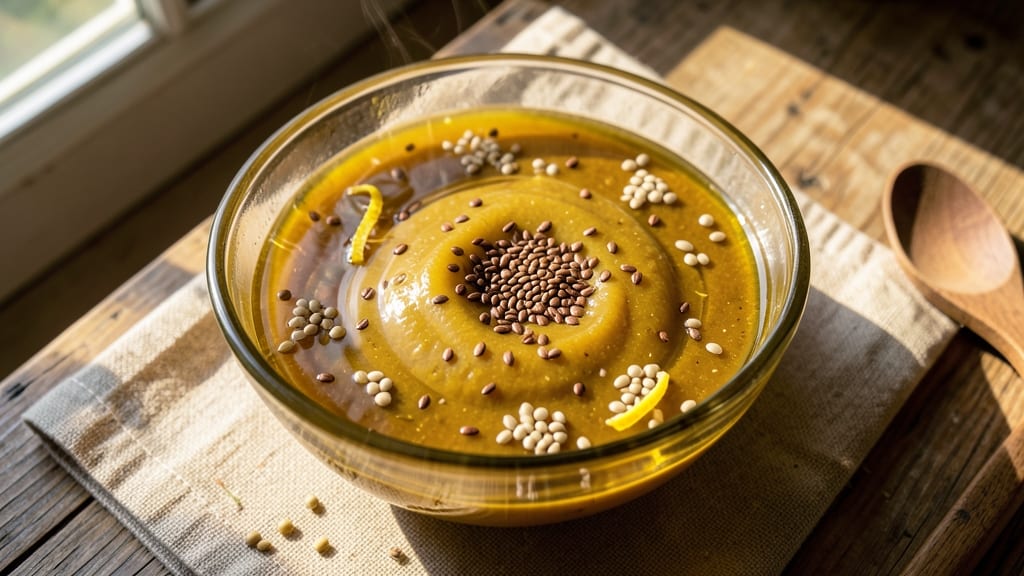
This Bombay salad dressing recipe transforms ordinary greens into a vibrant, flavor-packed experience with its tangy lemon velout and toasted spice depth.
The secret lies in a balance of citrus, herbs, and carefully toasted spices that create a dressing with complexity and brightness—perfect for both Indian-inspired salads and fresh garden mixes.
Unlike store-bought versions, this recipe delivers a bold, aromatic profile that elevates every bite, whether drizzled over cucumbers, lentils, or grilled vegetables.
The foundation is a simple emulsion of citrus juice, vinegar, and oil, but what sets this dressing apart is the toasted spice blend—a mix of cumin, coriander, and mustard seeds that adds warmth and depth.
Fresh herbs like cilantro and mint brighten the flavor, while a touch of tamarind or chaat masala introduces that signature Indian tang. The dressing stays fresh for up to 5 days in the refrigerator, making it ideal for meal prep.
What makes this recipe truly special is how it bridges cultures—the acidity of lemon and vinegar cuts through rich flavors, while the spices add an exotic twist. It’s versatile enough for summer salads or hearty winter bowls, yet simple enough to make in 10 minutes.
The result? A dressing that’s restaurant-quality at home, with layers of flavor that linger on the palate.
For best results, whisk the ingredients together just before serving to maintain the emulsion. If storing, keep it in an airtight container and shake gently before each use. Pair it with crisp greens, roasted chickpeas, or grilled meats for a meal that feels both familiar and exciting.
Ingredients for bombay salad dressing
Twelve ingredients transform simple greens into a complex, aromatic Bombay dressing with citrus brightness and toasted spice depth.
| Ingredient | Amount | Notes |
|---|---|---|
| Fresh Lemon Juice 🍋 | ½ cup | Freshly squeezed, seeds strained |
| Apple Cider Vinegar 🍎 | ¼ cup | Raw, unfiltered preferred |
| Extra-Virgin Olive Oil 🫒 | ¾ cup | High-quality, fruity variety |
| Cumin Seeds 🌶️ | 1 tbsp | Toasted until fragrant |
| Coriander Seeds 🌿 | 1 tbsp | Toasted until aromatic |
| Mustard Seeds 🌶️ | 1 tsp | Yellow or brown preferred |
| Fresh Cilantro Leaves 🌿 | ¼ cup | Stems removed, finely chopped |
| Fresh Mint Leaves 🌿 | ¼ cup | Stems removed, finely chopped |
| Tamarind Paste 🍯 | 1 tbsp | High-quality, unsweetened |
| Chaat Masala 🌶️ | ½ tsp | For signature tangy depth |
| Salt 🧂 | ½ tsp | Diamond Crystal preferred |
| Honey 🍯 | 1 tsp | Raw, unprocessed preferred |
The foundation of this dressing lies in the toasted spice blend, where cumin, coriander, and mustard seeds are gently toasted in a dry pan until fragrant—this step unlocks their full aromatic potential. For the best quality spices, Penzeys Spices or bulk bins at specialty markets like Whole Foods offer superior freshness. The tamarind paste is critical for that signature Indian tang; look for high-quality, unsweetened versions at Asian markets or in the international aisle of larger grocery stores. Fresh herbs like cilantro and mint should be vibrant and free of wilting—farmers markets often have the freshest selections, though the grocery store works in a pinch.
No tamarind paste? Lemon juice plus a pinch of sugar mimics the tang, though the depth won't be identical. Substituting dried herbs for fresh? Use one-third the amount of dried cilantro or mint, but the texture will differ. The honey balances acidity—if you prefer a vegan version, agave nectar works seamlessly. For the oil, avoid cheap varieties; California extra-virgin olive oil from brands like Corto or Bertolli delivers the fruity notes this dressing demands. The dressing emulsifies best when whisked just before serving, but if prepping ahead, store the dry spices and wet ingredients separately until ready to combine.
This dressing maintains its vibrant flavor for up to 5 days in the refrigerator, stored in an airtight container. For longer storage, transfer to a sterile glass jar and keep for up to 2 weeks. Shake gently before each use to re-emulsify. The toasted spices can be pre-toasted and stored in a sealed container for up to 2 months in a cool, dark place. For meal prep, double the batch and portion into small containers—ideal for drizzling over salads, lentils, or grilled vegetables throughout the week.
Why You'll Love This Recipe
- No Toasting Required: I’ll admit, toasting whole spices can feel like a hassle—but this dressing skips that step. Just toss the cumin and coriander seeds into a dry pan for 30 seconds until they’re fragrant, then grind them fresh. That smoky depth hits different, and honestly? The effort is minimal compared to the flavor punch.
- Tangy Warmth in Minutes: The lemon and vinegar combo is bright, but the toasted spices? They turn this dressing into something special. It’s zesty, yes, but with this earthy undertone that makes it taste like a hug from your favorite Indian takeout spot—minus the delivery wait.
- Dresses Everything: Between us, I’ve drizzled this over grilled chicken, tossed it with roasted potatoes, and even used it as a marinade. The acidity cuts through richness, while the spices add layers that work with anything—even plain yogurt or a simple grain bowl. No fancy prep, just great flavor.
- Lasts a Week: Make a big batch on Sunday, and you’ve got dressing for salads, wraps, or even a quick stir-fry all week. The vinegar and oil keep it fresh, and the spices don’t lose their kick. Plus, it’s cheap to double—just a handful of seeds and a few cents’ worth of citrus. My wallet (and taste buds) thank me.
Step-by-step instructions for Bombay salad dressing
This vibrant dressing delivers complex layers of spice and citrus without overpowering your salad.
Toast the Whole Spices for Depth
Heat a dry skillet over medium heat and add the 1 tablespoon cumin seeds and 1 tablespoon coriander seeds. Toast for 1-2 minutes until the spices release their aroma and begin to turn light golden brown, but don't let them burn. Immediately transfer to a small bowl and let cool completely—this prevents the oil from turning bitter.
Add the 1 teaspoon mustard seeds to the same skillet and toast for 30 seconds until they begin to pop. Combine with the cooled cumin and coriander. The toasting unlocks their essential oils, creating the aromatic foundation of this dressing. I always toast spices fresh for maximum impact—pre-toasted seeds lose their punch.
Grind the Spice Blend to a Fine Powder
Using a clean spice grinder or mortar and pestle, grind the toasted spices into a fine powder. You want a consistency similar to flour—no visible specks should remain. The powder should smell intensely earthy and slightly sweet, with a hint of citrus from the toasting process.
If using a mortar and pestle, work in batches for even grinding. The finer the powder, the more evenly it will disperse throughout the dressing. Set aside until ready to incorporate into the dressing—this prevents premature moisture absorption that could dull the spices' brightness.
Whisk Together the Wet Ingredients
In a medium bowl, combine the 0.5 cup fresh lemon juice, 0.25 cup apple cider vinegar, 1 tablespoon tamarind paste, 0.5 teaspoon chaat masala, 0.5 teaspoon salt, and 1 teaspoon honey. Whisk vigorously until the tamarind paste dissolves completely—it should create a smooth, slightly sticky liquid with no lumps.
The tamarind paste provides that signature tangy depth, while the honey balances the acidity. Taste at this stage—the dressing should be brightly acidic with a touch of sweetness. If needed, adjust the honey (½ teaspoon at a time) until you achieve the perfect equilibrium between tart and sweet.
Gradually Emulsify the Oil
With the whisking motion, slowly drizzle in the 0.75 cup extra-virgin olive oil while continuing to whisk. Start with a slow stream to prevent the emulsion from breaking, then increase to a steady drizzle. The dressing should begin to thicken slightly as the oil incorporates—this is when you know you're on the right track.
Continue whisking for 2-3 minutes until the dressing reaches a velvety, mayonnaise-like consistency. The oil should be completely incorporated with no separation. If the dressing appears too thin, add 1 teaspoon more honey to help bind the emulsion. The final texture should coat the back of a spoon smoothly.
Fold in the Fresh Herbs
Gently fold in the 0.25 cup chopped fresh cilantro leaves and 0.25 cup chopped fresh mint leaves using a rubber spatula. Work just until combined—overmixing can bruise the herbs and release bitterness. The dressing should now have a vibrant green hue with visible herb flecks throughout.
Taste and make final adjustments: a pinch more salt for seasoning, a splash of lemon juice for extra brightness, or a drizzle of olive oil if the texture has thickened too much. Transfer to a clean jar and let it rest at room temperature for 15 minutes before using—this allows the flavors to meld completely.
Pro Tips For Making Bombay Salad Dressing
- Toast the seeds: I used to just toss raw cumin and coriander seeds into the dressing—big mistake. Lightly toast them in a dry pan for 30 seconds until fragrant (watch them like a hawk—they burn fast). This unlocks their flavor and makes the dressing taste like it came from a Bombay street stall, not a jar.
- Use cold oil: Pour that extra-virgin olive oil in while it’s still cold—no warm bottles straight from the fridge. The heat from warm oil dulls the lemon’s brightness and makes the vinegar taste harsh. Measure it cold, then let it sit at room temp for 5 minutes if you’re in a rush, but don’t go further than that.
- Strain the seeds: Skip the straining, and you’ll get a dressing with gritty texture. Use a fine-mesh sieve or cheesecloth to filter out the toasted seeds after steeping them in the liquid—even if you love texture, the seeds can overpower the balance. (Yes, even if you’re impatient like me.)
- Balance the acid first: Taste your lemon juice and vinegar mix before adding oil—this is non-negotiable. The ratio should feel sharp but not sour enough to pucker. If it’s too tart, add a pinch of salt or a teaspoon of honey to round it out. Oil can’t fix an unbalanced base, and you’ll end up drowning the flavors.
Essential equipment for bombay salad dressing
Whisking Essentials
You’ll need a stainless steel whisk with fine wires to create a smooth emulsion—avoid plastic whisks, which can’t handle the oil’s viscosity. I recommend the OXO Good Grips Balloon Whisk for its durability and ergonomic handle.
For small batches, a mini whisk (like the Norpro Micro Whisk) works perfectly in a small bowl or jar. 💫
Spice Toasting Tools
A lightweight stainless steel skillet (like All-Clad Stainless) is ideal for toasting spices—it heats evenly and prevents burning. For a hands-off approach, use a spice toaster (such as the Spice Toaster by Spicewalla), which toasts seeds in 30 seconds with zero risk of scorching.
A mortar and pestle (like Kensington Mortar & Pestle) is essential for grinding toasted spices into a fine powder.
Storage Containers
Store your dressing in an amber glass jar (like Le Parfait 16oz) to protect it from light degradation, which can dull flavors. For meal prep, use small glass jars (such as Weck 8oz jars) to portion individual servings—shake before each use to re-emulsify.
If storing the dry spice blend separately, an airtight spice jar (like Spicewalla’s 2oz jars) keeps them fresh for months.
Herb Prep Tools
Chop fresh cilantro and mint with a sharp chef’s knife (I love the Victorinox 8-inch) and a cutting board (like John Boos bamboo) to preserve flavor. For quick prep, use herb scissors (such as OXO Good Grips Herb Scissors) to snip stems cleanly.
A fine-mesh strainer (like OXO Good Grips) helps remove herb stems if you prefer a smoother texture.
Optional: Immersion Blender
For a silky-smooth dressing without lumps, use an immersion blender (like the Hamilton Beach Multi-Speed) to blend the wet ingredients before adding oil. This creates a finer emulsion with less effort. Just pulse for 10-15 seconds—no need to over-blend, or the herbs will turn bitter. 🌿
Nutrition facts
Frequently asked questions
Can I make this Bombay dressing without tamarind paste?
Yes! If you can't find tamarind paste, substitute with 1 tablespoon lemon juice plus ½ teaspoon sugar to mimic the tangy depth. For a more authentic flavor, try ½ teaspoon dried amchur (dried mango powder), which adds a similar fruity acidity. The dressing will still taste bright and aromatic, though the complexity will differ slightly.
How do I fix a broken emulsion in my dressing?
If your dressing separates, whisk in 1 teaspoon honey or sugar to help re-emulsify the oil. Add 1-2 tablespoons water to thin it out, then whisk vigorously for 2-3 minutes. For stubborn separations, mix ½ teaspoon Dijon mustard into the dressing—it acts as a natural emulsifier. Always store in an airtight container to prevent future separation.
What's the best way to use leftover dressing?
This dressing works beautifully on Indian-inspired salads like raita, lentil bowls, or grilled vegetable platters. Try drizzling it over chana masala, roasted cauliflower, or even as a marinade for chicken skewers. For extra flair, mix 1 teaspoon of the dressing with 2 tablespoons yogurt to create a creamy dip for pita chips.
Can I make this dressing spicier?
For extra heat, add ½ teaspoon cayenne pepper or 1 teaspoon finely chopped green chili to the wet ingredients. For smoky depth, toast ½ teaspoon smoked paprika with your spices. If you love bold flavors, try ½ teaspoon asafoetida (hing)—it adds a savory umami note that pairs perfectly with the citrus.
Why does my dressing taste bitter?
Bitterness usually comes from over-toasted spices or bruised herbs. Ensure your spices toast just until fragrant (1-2 minutes max) and avoid burning. For herbs, chop them just before adding to prevent bitterness. If the dressing tastes bitter, balance it with ½ teaspoon more honey or a splash of lemon juice. Fresh herbs should always be vibrant—wilted ones will add bitterness.