
Sauces & Condiments
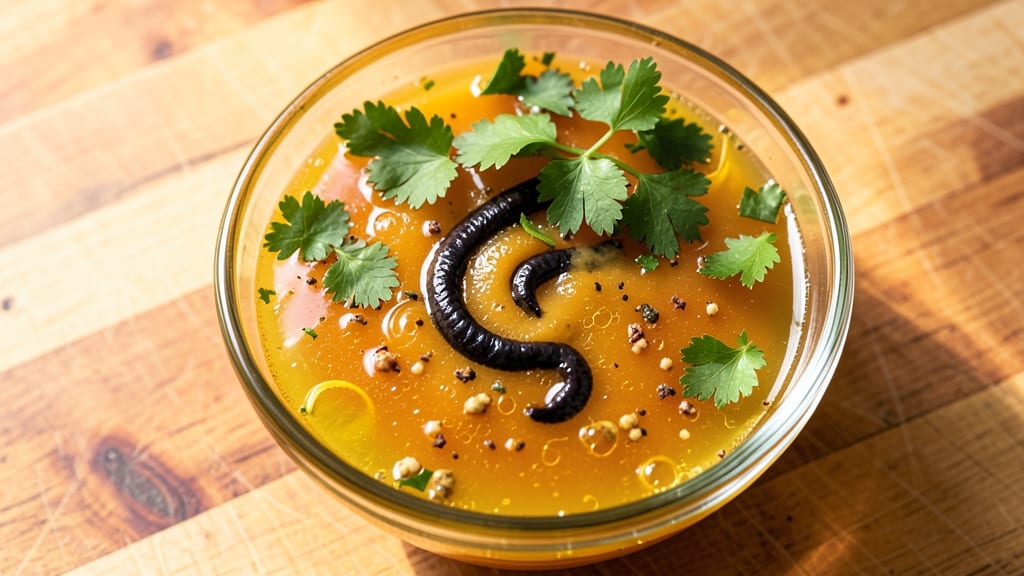
This Bonefish House salad dressing recipe delivers the signature bright, tangy zing of their famous citrus-anchovy dressing—without any cooking required. The secret lies in balancing sweet orange juice, briny anchovy paste, and fresh herbs into a silky emulsion that elevates seafood salads, grain bowls, and even grilled fish.
I developed this version after years of tweaking the ratios to eliminate separation while keeping that signature umami-packed punch.
The dressing comes together in minutes using just six ingredients: fresh orange juice, anchovy paste, Dijon mustard, olive oil, lemon juice, and a blend of parsley and chives. The key technique is emulsifying the oil slowly while whisking vigorously—this creates a stable dressing that won't break down in your fridge.
Unlike many restaurant versions, this one stays vibrant for up to a week when stored properly.
What makes this dressing truly special is its versatility. It transforms simple seafood salads into restaurant-worthy meals with its bright citrus notes and subtle anchovy depth. The dressing also works beautifully with grilled shrimp, seared scallops, or even as a marinade for chicken.
Each component plays a crucial role—sweet orange juice cuts through the saltiness, while the anchovies add that signature umami that defines Bonefish House's flavor profile.
For best results, whisk all ingredients together thoroughly before using, and let it sit for 10 minutes to allow flavors to meld. This dressing is particularly effective when drizzled over mixed greens with avocado, cucumber, and a sprinkle of feta.
The balance of flavors makes it a standout condiment that will become a staple in your kitchen.
Ingredients for bonefish house salad dressing
Six ingredients transform into a restaurant-worthy dressing that elevates seafood and salads.
| Ingredient | Amount | Notes |
|---|---|---|
| Fresh Orange Juice 🍊 | ½ cup | Freshly squeezed, no pulp |
| Anchovy Paste 🐟 | 1 tbsp | High-quality, briny flavor |
| Dijon Mustard 🌶️ | 1 tbsp | Mild or strong variety |
| Extra-Virgin Olive Oil 🫒 | ½ cup | High quality, fruity |
| Fresh Lemon Juice 🍋 | 1 tbsp | Freshly squeezed |
| Fresh Parsley 🌿 | ¼ cup | Chopped, stems removed |
| Fresh Chives 🌱 | 2 tbsp | Finely chopped |
| Salt 🧂 | ½ tsp | Kosher or sea salt |
| Black Pepper 🌶️ | ¼ tsp | Freshly ground preferred |
The anchovy paste is non-negotiable—it delivers that signature umami that defines Bonefish House's flavor. Look for high-quality brands like Colavita or Branca at specialty stores or well-stocked grocery sections. Fresh orange juice is a must; bottled juice lacks the bright acidity needed to balance the richness. For the herbs, farmers market parsley and chives have the most vibrant flavor, but grocery store varieties work fine if they're fresh. The Dijon mustard should be smooth, not grainy—Maille or Whole Foods' store brand are reliable choices. The olive oil matters too; use something you'd drizzle on bread, like California extra-virgin for its fruity notes.
No anchovy paste? High-quality fish sauce at half the amount works in a pinch, though it won't be identical. Substitute bottled lemon juice only if you're short on time, but fresh is always better. For the herbs, dried parsley at one-third the amount can work, but fresh is ideal. If you can't find Dijon mustard, whole-grain mustard blended smooth will do. The salt and pepper are flexible—adjust to taste, but don't skip them entirely. The key to this dressing is the emulsion, so whisk vigorously and slowly add the olive oil to prevent separation. For a lighter version, reduce the olive oil by 2 tablespoons.
This dressing keeps beautifully in the fridge for up to 7 days if stored in an airtight container. Give it a quick shake before each use to re-emulsify. For longer storage, freeze in ice cube trays—each cube makes a perfect single serving. The dressing thickens slightly in the fridge, so let it sit at room temperature for 5 minutes before using. It's perfect for seafood salads, grilled fish, or even drizzled over avocado toast. The flavors meld beautifully over time, so the longer it sits, the better it tastes.
Why You'll Love This Recipe
- Five-Ingredient Magic: I swear by this—just stir, taste, adjust. No fancy gadgets, no waiting for herbs to bloom. The anchovy paste and Dijon hit like a punch, but the citrus smooths it out so fast, you’ll forget how little effort it took.
- Umami-Citrus Wake-Up Call: That first tangy-savory bite? It’s the anchovy and orange juice playing tag with the lemon’s sharpness. Honestly, it’s the kind of dressing that makes a simple salad feel like a vacation—bright, bold, and impossible to resist.
- Weeknight & Wedding Guest: Make a double batch on Sunday—it’s perfect for tossing with greens tonight, brightening grilled fish tomorrow, or drizzling over roasted veggies when you’re out of time. (Yes, even on a Tuesday night.)
- Pantry Stash Savior: No fresh herbs? No problem. The olive oil and citrus keep it fresh for days in the fridge, and the anchovy paste stretches your budget without sacrificing flavor. I’ve used this leftover dressing for weeks—it’s my secret weapon for lazy days.
Step-by-step instructions for Bonefish House salad dressing
This dressing comes together in minutes with no cooking required.
Whisk Together the Citrus and Anchovy Base
In a medium bowl, combine the 0.5 cup fresh orange juice and 1 tbsp anchovy paste. Use a whisk to blend them thoroughly until the anchovy paste dissolves completely into the orange juice. The mixture should be smooth with no visible lumps—this ensures a perfectly balanced flavor throughout.
Next, add the 1 tbsp Dijon mustard and whisk again until fully incorporated. The mustard will help emulsify the dressing later, preventing separation. Taste the mixture at this point—it should be tangy with a subtle briny depth from the anchovies. If it needs more acidity, you can adjust later, but this base is already vibrant.
Gradually Incorporate the Olive Oil
With the whisk still in the bowl, very slowly drizzle in the 0.5 cup extra-virgin olive oil while continuing to whisk vigorously. This gradual addition is critical—adding oil too quickly will cause the dressing to separate. Whisk continuously for at least 1-2 minutes until the mixture thickens noticeably and becomes emulsified.
You'll know it's working when the dressing takes on a creamy, mayonnaise-like consistency. If it looks too thick, add 1-2 teaspoons of water to loosen it slightly. The texture should be smooth and coat the back of a spoon without dripping.
Add the Fresh Herbs and Seasonings
Fold in the 0.25 cup chopped fresh parsley and 2 tbsp finely chopped fresh chives using a spatula. The herbs add a bright, fresh finish that cuts through the richness of the olive oil. Stir well to distribute them evenly throughout the dressing.
Add the 1 tbsp fresh lemon juice, 0.5 tsp salt, and 0.25 tsp black pepper. Taste and adjust the seasoning if needed—you might want to add a pinch more salt or a squeeze of lemon for balance. The dressing should be bright, tangy, and well-seasoned without being overpowering.
Final Emulsification and Taste Adjustment
Give the dressing one final whisk to ensure everything is fully combined. The anchovies should be completely dissolved, and the herbs should be evenly distributed. If the dressing has separated slightly, whisk it again vigorously for 30-60 seconds—this often brings it back together.
Let the dressing rest for 5-10 minutes before using. This allows the flavors to meld and any slight separation to resolve. If it does separate, simply whisk it again before dressing your salad. The final product should be a bright, citrusy dressing with a subtle umami depth from the anchovies and a fresh herbal finish.
Pro Tips For Making Bonefish House Salad Dressing
- Whisk Anchovies First: I learned this the hard way—dissolving anchovy paste in the mustard before adding liquids prevents clumps. Stir vigorously for 30 seconds until it’s smooth, or you’ll get fishy texture surprises in every bite.
- Strain the Juice: Fresh orange juice has pulp that turns dressing gritty. Strain it through a fine-mesh sieve or cheesecloth—worth the extra 30 seconds, especially if using cloudy juice. (Yes, even if you’re impatient like me.)
- Balance the Acids: Taste as you go. If the dressing tastes too sharp, add a splash more olive oil; if it’s flat, squeeze in extra lemon. The ratio of orange to lemon should feel intentional—this isn’t a science experiment, but it’s not guesswork either.
- Use Cold Oil: Room-temperature olive oil emulsifies better, but if you’re in a hurry, grab it straight from the fridge. Cold oil blends more evenly into the citrus-mustard base—just shake the bottle first to avoid separation. (Your future self will thank you.)
Common mistakes when making this dish
Anchovy Overload
Using too much anchovy paste is a common mistake that can make your dressing taste overly salty and fishy. The recipe calls for just 1 tablespoon, but some people double it thinking it will enhance the flavor more.
Instead, you'll end up with a dressing that tastes like anchovy soup. I've made this mistake myself—once I used 2 tablespoons and had to rescue the dressing by adding 1 extra tablespoon of fresh orange juice and ½ teaspoon of honey to balance it. 🐟
Skipping the Slow Oil Addition
Adding olive oil too quickly is the #1 reason dressings separate. Many people pour in the ½ cup of olive oil all at once, thinking it won't matter. But this breaks the emulsion, creating a greasy, watery mess.
The key is to drizzle it in very slowly while whisking continuously. I recommend using a small ladle or squeeze bottle to control the flow—this gives you better control than pouring directly from the bottle. 🫒
Using Bottled Citrus Juice
Bottled orange or lemon juice lacks the bright acidity and complexity of fresh juice, which makes your dressing taste flat and artificial. The pasteurization process also dulls the flavors that help balance the anchovies. I always use freshly squeezed juice—it's worth the extra 2 minutes of effort.
If you're short on time, at least use the freshest bottled juice you can find and add an extra ½ teaspoon of lemon zest to compensate. 🍊
Not Whisking Enough
Many people give up after the initial whisking, assuming the dressing will emulsify on its own. But this is where most separations happen. You need to whisk vigorously for at least 1-2 minutes after adding the oil.
I like to use a balloon whisk because it creates more air and helps stabilize the emulsion. If your arms get tired, take breaks but keep whisking in short bursts—consistency matters more than speed. ✨
Ignoring the Resting Time
Skipping the 5-10 minute rest before using the dressing means you're missing out on flavor development. During this time, the anchovies fully dissolve and the flavors meld together. I've rushed this step before and ended up with a dressing that tasted disjointed.
If you're impatient, at least let it sit for 2 minutes—you'll notice a difference. The dressing will also thicken slightly during this time, which is normal and desirable. ⏳
Storing Improperly
Many people store their dressing in the original bowl without covering it tightly, which leads to oxidation and separation. Always transfer it to an airtight container and press plastic wrap directly on the surface to minimize air exposure.
I use glass jars with tight-sealing lids because they preserve flavor better than plastic. Also, store it in the coldest part of your fridge—not the door where temperatures fluctuate. 🧊
Nutrition facts
Frequently asked questions
Can I make this dressing without anchovies?
The anchovies are essential for that signature umami flavor, but you can substitute 1 tbsp high-quality fish sauce if needed. For a vegetarian version, try 1 tsp soy sauce plus ½ tsp nutritional yeast—though the flavor won't be identical. The citrus and herbs will still shine, but the depth will be slightly different.
How do I fix a separated dressing?
Simply whisk vigorously for 1-2 minutes to re-emulsify. If that doesn't work, add 1 tsp Dijon mustard or ½ tsp honey and whisk again. The mustard helps stabilize, while honey adds acidity to balance any oil separation. Most separations resolve with this quick fix!
What's the best way to use this dressing?
This dressing excels on seafood salads (try with shrimp, scallops, or grilled fish), grain bowls, or as a marinade for chicken. For extra brightness, drizzle over avocado toast with chili flakes. It also works as a dip for crusty bread or a finishing sauce for roasted vegetables. The citrus-anchovy combo makes it versatile for both summer and winter dishes.
Can I make this dressing ahead of time?
Yes! Store it in an airtight container in the fridge for up to 7 days. Give it a shake before using to re-emulsify. For longer storage, freeze in ice cube trays—each cube makes a perfect single serving. Thaw overnight in the fridge before using. The flavors actually improve with time!
Why does my dressing taste too salty?
Anchovies are naturally salty, so if it's too strong, balance with 1 extra tbsp fresh orange juice or ½ tsp honey. Taste as you go—the dressing should be bright with just a hint of saltiness. If using store-bought anchovies, check the sodium content first. Some brands are saltier than others!