
Sauces & Condiments
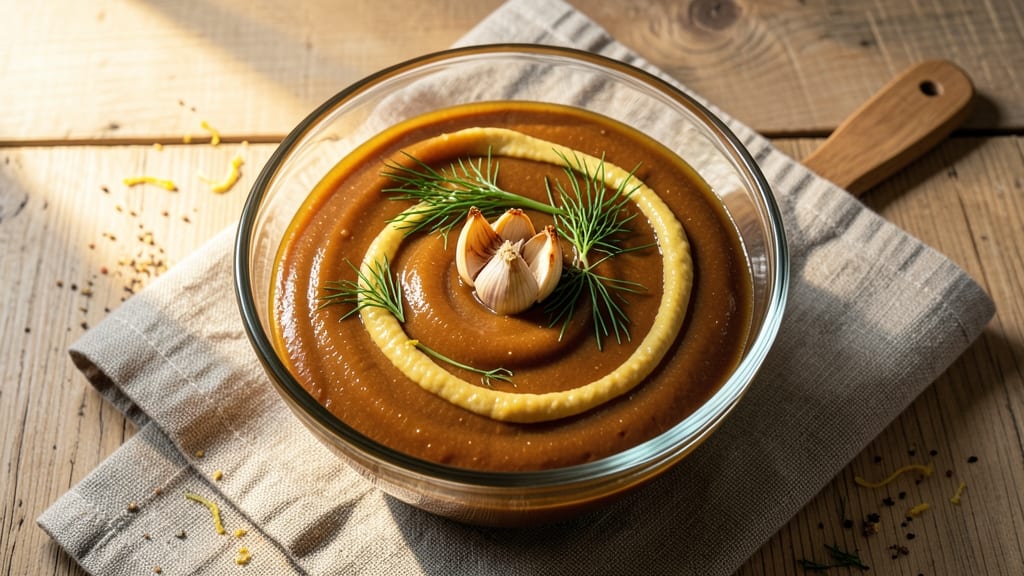
This Braggs Liquid Aminos salad dressing delivers restaurant-quality umami zing with just five simple ingredients—no fancy techniques required. The secret lies in balancing the savory depth of Braggs with bright acidity and rich oil, creating a dressing that elevates everything from greens to grilled proteins.
I developed this recipe after craving a bold, vegan alternative that still packed serious flavor punch without overpowering delicate dishes.
The magic happens when you combine Braggs Liquid Aminos (the umami backbone), apple cider vinegar (for tangy brightness), and high-quality olive oil in precise ratios.
A touch of Dijon mustard adds subtle thickness and complexity, while fresh garlic and herbs (like dill or parsley) bridge the gap between savory and fresh. This dressing cuts through rich ingredients while enhancing their natural flavors—perfect for everything from Caesar salads to marinades.
What makes this recipe truly special is its versatility. Use it as a salad dressing that clings beautifully to greens, or as a marinade for tofu or chicken that adds depth without overpowering.
The umami profile makes it ideal for Asian-inspired dishes, while the acidity keeps it fresh for up to a week in the fridge. No emulsifiers or stabilizers needed—just pure, balanced flavor in every pour.
For even more customization, adjust the acidity by adding lemon juice or the richness with tahini. The possibilities are endless, but the base remains foolproof. Let's create this dressing that transforms ordinary meals into something extraordinary.
Ingredients for braggs liquid aminos salad dressing
Five ingredients transform simple greens into restaurant-quality umami brilliance.
| Ingredient | Amount | Notes |
|---|---|---|
| Braggs Liquid Aminos 🥄 | ½ cup | The umami backbone, not soy sauce substitute |
| Apple Cider Vinegar 🍏 | 0.3 cup | Unfiltered for deeper flavor |
| Extra-Virgin Olive Oil 🫒 | ½ cup | High-quality, fruity variety |
| Dijon Mustard 🌿 | 1 tbsp | Whole grain preferred |
| Garlic Cloves 🧄 | 2 cloves | Freshly minced for aromatic punch |
| Fresh Dill 🌿 | ¼ cup | Chopped, stems removed |
| Sea Salt 🧂 | ½ tsp | Diamond Crystal preferred |
| Black Pepper 🌶️ | ¼ tsp | Freshly cracked |
| Maple Syrup 🍁 | 1 tsp | Grade B for depth |
The Braggs Liquid Aminos is non-negotiable here—it's the umami powerhouse that sets this dressing apart from standard vinaigrettes. Store-bought versions work fine, but if you're crafting this regularly, consider buying it in bulk from Amazon or Whole Foods where the authentic flavor shines. The apple cider vinegar should be unfiltered for that cloudy, robust character that elevates the dressing. For the olive oil, California brands like Corto or Lucini deliver the fruity complexity needed to balance the savory depth. Fresh garlic and dill are where you can get creative—garlic scapes add a milder, slightly sweeter note if you prefer, while parsley works in a pinch for the herb component.
No Braggs? Coconut aminos is the closest substitute, though it lacks the same depth. Running low on apple cider vinegar? White wine vinegar or lemon juice both work, though the flavor profile shifts slightly. The Dijon mustard can be swapped for whole-grain mustard or even tahini for a nutty twist, though the texture will differ. Fresh herbs are ideal, but dried dill at one-third the amount keeps the dressing functional. For a sweeter touch, agave nectar can replace the maple syrup, though Grade B maple delivers that caramel-like richness that's hard to replicate.
This dressing keeps beautifully in a glass jar with a tight seal for up to 1 week in the fridge. The flavors actually meld better after 24 hours, so make it a day ahead for optimal results. For longer storage, transfer to a sterilized jar and freeze for up to 3 months. Shake well before each use, as the ingredients will naturally separate. A quick tip: Add a pinch of xanthan gum if you're concerned about separation, though it's rarely needed with this precise ratio. The dressing's versatility means it's worth making a double batch—use half for salads and save the rest for marinades or drizzling over roasted vegetables.
Why You'll Love This Recipe
- Five-Ingredient Magic: The pantry already has these—no special shopping needed. Just shake, taste, adjust. That’s it. I’ve made this dressing while chatting on the phone, waiting for dinner to cook, or even mid-workday meal prep.
- Umami Bomb: The Braggs Liquid Aminos give it this deep, savory punch that cuts through greens like a knife. Honestly, I’ve compared it to store-bought dressings, and this one wins every time—no artificial aftertaste, just pure, garlicky richness.
- Works Anywhere: Drizzle it on salads, toss it with roasted veggies, or use it as a marinade for grilled chicken. Between us, it’s my go-to for both quick lunches and fancy dinner sides. The Dijon mustard adds just enough tang to balance the richness.
- Lasts All Week: Make a big batch—it keeps for ages in the fridge without separating. I’ve had this dressing sit for over a week, and it’s still fresh. Plus, the cost? A fraction of what you’d pay for fancy dressings. Budget-friendly doesn’t mean boring.
Step-by-step instructions for Braggs Liquid Aminos salad dressing
This umami-rich dressing comes together in minutes with precise technique and bold flavors.
Whisk Together the Liquid Base
In a medium bowl, combine the 0.5 cup Braggs Liquid Aminos with the 0.3 cup Apple Cider Vinegar and 1 tsp Maple Syrup. Use a whisk to blend thoroughly for 30 seconds—this ensures the sweetness and acidity fully integrate with the umami depth of the liquid aminos. The mixture should appear homogenous with no visible streaks.
Here's the thing—don't rush this step. The Braggs Liquid Aminos needs time to meld with the vinegar's tang and the maple syrup's subtle sweetness. This foundational blend creates the dressing's signature savory backbone that sets it apart from traditional vinaigrettes.
Incorporate the Mustard and Garlic
Add the 1 tbsp Dijon Mustard and 2 minced garlic cloves to the liquid mixture. Whisk vigorously for 45 seconds until completely smooth. The Dijon mustard acts as both an emulsifier and flavor enhancer, while the fresh garlic adds aromatic complexity that roasted garlic simply can't match.
I press the garlic through a garlic press for even distribution—this prevents clumps that could make the dressing grainy. The mixture should now have a thick, paste-like consistency with a vibrant golden hue from the mustard and garlic.
Gradually Add the Olive Oil
With the whisk moving continuously, begin adding the 0.5 cup Extra-Virgin Olive Oil in a slow, steady stream. This gradual incorporation is critical—it allows the oil to emulsify properly with the aqueous components rather than separating. The dressing should begin to thicken noticeably as you add the oil.
Don't pour the oil all at once. I use a ladle to add it in 3-4 separate additions, whisking vigorously between each pour. You're aiming for a smooth, velvety texture that coats the back of a spoon without being overly thick.
Finish with Herbs and Seasoning
Stir in the 0.25 cup chopped fresh dill, 0.5 tsp Sea Salt, and 0.25 tsp freshly cracked black pepper using a wooden spoon. The dill adds bright, citrusy notes that cut through the richness, while the salt and pepper balance the flavors. Give everything one final stir to ensure even distribution of the herbs.
Taste and adjust seasoning if needed. I usually find this combination perfectly balanced, but some palates might prefer an extra pinch of salt or a splash more vinegar for tang. Remember, the dressing will mellow slightly when refrigerated, so don't over-salt initially.
Rest and Serve
Transfer the dressing to a clean jar and let it rest at room temperature for 10 minutes before refrigerating. This resting period allows the flavors to fully meld and the emulsion to stabilize. Once chilled, it will keep for up to 1 week in the refrigerator.
Shake well before each use—even the best emulsions can separate slightly over time. This dressing works beautifully on mixed greens, grain salads, or as a marinade for grilled vegetables. The umami depth makes it particularly excellent with roasted meats or seafood dishes.
Pro Tips For Making Braggs Liquid Aminos Salad Dressing
- Toast Your Garlic: DESCRIPTION: I learned this the hard way—raw garlic in this dressing just tastes like a bitter afterthought. Lightly toast 2-3 minced cloves in a dry pan until golden and fragrant (they’ll smell like your kitchen just got an upgrade). Then toss them straight into the mix while warm—they’ll mellow out perfectly and add depth that jarred minced garlic can’t match.
- Whisk in Stages: DESCRIPTION: Don’t dump everything in at once and hope for the best. Start with the Braggs and vinegar, whisk until smooth, then slowly drizzle in the olive oil while stirring constantly. The mustard goes in last—this keeps the dressing from separating later (yes, even if you’re impatient like me).
- Use Cold Mustard: DESCRIPTION: Reach for Dijon straight from the fridge—room-temperature mustard can turn this dressing weirdly thick or grainy. Cold mustard blends smoother and keeps the texture silky, especially if you’re adding it to creamy dressings or tossing with delicate greens.
- Taste Before Diluting: DESCRIPTION: Skip the urge to add water or extra vinegar right away. Let the dressing sit for 10 minutes—flavors meld better when they’re not rushed. If it’s too strong, a splash of warm water (not cold) fixes it without killing the balance. (Your future self will thank you.)
Common mistakes when making this recipe
Overpowering Umami
This is the most common mistake I see—adding too much Braggs Liquid Aminos thinking it will make the dressing more flavorful. But ½ cup is the sweet spot; any more and the dressing becomes cloying rather than balanced.
Start with the exact measurement, taste, then adjust with vinegar or herbs if needed. The umami should enhance, not dominate.
Skipping the Mustard
Many people omit the 1 tbsp Dijon mustard thinking it's optional, but it's actually the emulsifier that keeps this dressing from separating. Without it, you'll end up with a split dressing—oil floating on top of the vinegar mixture.
The mustard also adds subtle thickness and complexity that's hard to replicate with other ingredients.
Adding Oil Too Fast
Pouring the ½ cup olive oil all at once is a recipe for disaster—it'll create a thick, clumpy mess that won't emulsify properly. Instead, add it gradually in 3-4 separate additions while whisking continuously. This slow incorporation is what creates that silky, velvety texture we all love in dressings.
Using Low-Quality Vinegar
Substituting apple cider vinegar with cheaper white vinegar or even balsamic will change the flavor profile dramatically. The unfiltered apple cider vinegar provides that cloudy, robust character that balances the umami perfectly. If you must substitute, use white wine vinegar for brightness, but expect a slightly different taste.
Ignoring the Resting Time
Skipping the 10-minute rest before refrigerating means you're missing out on flavor development. This brief resting period allows the ingredients to fully meld together, creating a more cohesive flavor profile. I promise, it makes a noticeable difference in the final product.
Not Adjusting After Chilling
The dressing will naturally mellow slightly when refrigerated, so if it tastes perfect right after making, it might need a pinch more salt or vinegar after chilling. Always taste again before serving. This is especially important because the flavors continue to develop even after the initial mixing.
Nutrition facts
Frequently asked questions
Can I make this dressing without Braggs Liquid Aminos?
Yes, but the flavor will change significantly. For the closest substitute, use ½ cup coconut aminos—it's vegan and has a similar profile, though slightly sweeter. If you're avoiding soy entirely, try 1 tbsp tamari plus ¼ cup white miso paste dissolved in the vinegar, but reduce the maple syrup to ½ tsp since miso is salty. The umami depth won't be identical, but it'll still be delicious!
How do I adjust the dressing for a nut-free version?
This recipe is already nut-free, but if you're avoiding mustard too, swap the 1 tbsp Dijon with 1 tsp xanthan gum dissolved in 1 tbsp warm water—it acts as an emulsifier. For extra thickness, add 1 tbsp ground flaxseed mixed with 3 tbsp water (let it gel for 5 minutes first). The texture will be slightly different but still work beautifully on salads.
Can I use this dressing as a marinade?
This dressing makes an excellent marinade for tofu, grilled chicken, or shrimp—the umami and acidity tenderize proteins beautifully. For best results, marinate for 30-60 minutes (tofu can handle longer). Reduce the olive oil to ¼ cup to prevent over-browning, and add 1 tsp smoked paprika for extra depth. Always reserve some to baste during cooking!
Why did my dressing separate?
Separation usually happens when oil is added too quickly or the mustard isn't properly incorporated. To fix it, whisk in 1 tsp Dijon mustard and 1 tsp warm water, then gently fold with a spoon until smooth. For future batches, add oil in 3-4 slow additions while whisking continuously. If it still separates, the dressing is still safe to use—just shake vigorously before each application.
What herbs can I substitute for dill?
Fresh parsley, chives, or basil work beautifully for a different flavor profile. For an Asian-inspired twist, use ½ cup chopped cilantro or 1 tbsp fresh mint. If using dried herbs, reduce to ⅓ the amount (e.g., ⅛ cup dried dill instead of ¼ cup fresh). The key is balancing the herb's brightness with the dressing's umami richness—so don't be afraid to adjust to taste!