
Sauces & Condiments
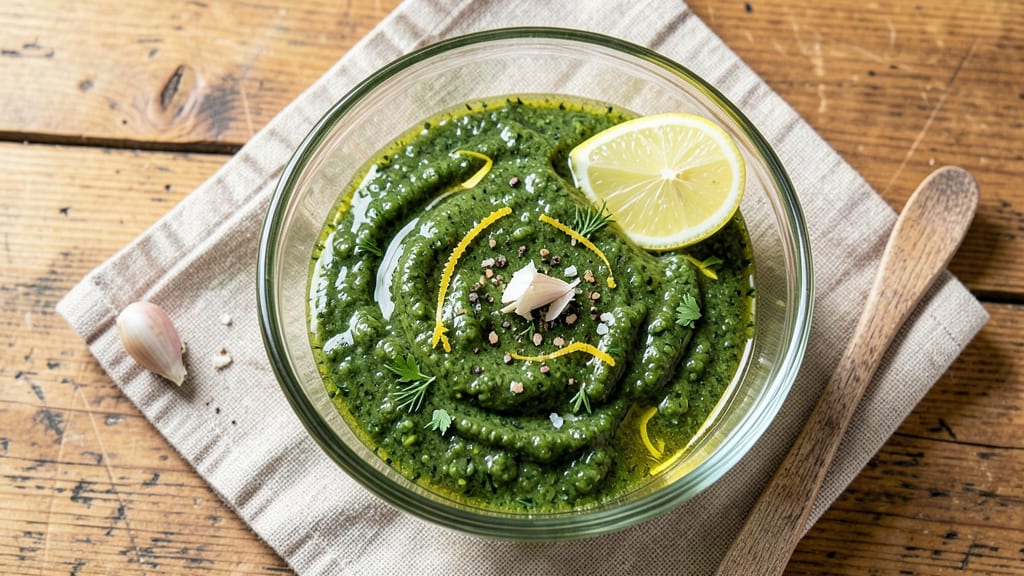
This broccoli kale salad dressing recipe transforms simple ingredients into a vibrant, herb-infused oil that elevates every bite. The zesty lemon twist brightens the earthy flavors of broccoli and kale, creating a dressing that's both refreshing and deeply flavorful.
With just a few pantry staples, you can craft a sauce that's restaurant-quality yet effortlessly homemade.
The secret lies in balancing bold herbs with a touch of acidity, ensuring each spoonful enhances rather than overpowers the salad's natural crunch. This dressing works equally well with raw or lightly blanched greens, making it versatile for any meal prep or last-minute dinner.
The herb-infused oil adds richness without heaviness, while the lemon keeps it light and tangy.
What makes this dressing truly special is its simplicity—no cooking required, just whisking together fresh ingredients for an instant flavor boost. The result is a silky, aromatic sauce that clings beautifully to broccoli florets and kale leaves, turning a basic salad into a standout dish.
Store it in the fridge for up to a week, or make a double batch to enjoy throughout the week.
Perfect for meal prep, potlucks, or quick weeknight dinners, this dressing pairs effortlessly with grilled proteins, roasted vegetables, or even as a dip for fresh bread. Let's get started on creating a sauce that will make your broccoli kale salad the star of the table.
Ingredients for broccoli kale salad dressing
Nine simple ingredients blend into a dressing that transforms broccoli kale salads into restaurant-worthy dishes.
| Ingredient | Amount | Notes |
|---|---|---|
| Extra-Virgin Olive Oil 🫒 | ½ cup | High-quality, fruity flavor preferred |
| Fresh Lemon Juice 🍋 | ¼ cup | Freshly squeezed, strained |
| Fresh Parsley Leaves 🌿 | ½ cup | Finely chopped, stems removed |
| Fresh Dill Weeds 🌿 | ¼ cup | Finely chopped, fresh preferred |
| Garlic Cloves 🧄 | 2 cloves | Minced, fresh preferred |
| Dijon Mustard 🌶️ | 1 tbsp | Mild or strong, to taste |
| Raw Honey 🍯 | 1 tbsp | For subtle sweetness, optional |
| Sea Salt 🧂 | ½ tsp | Fine grain preferred |
| Freshly Ground Black Pepper 🌶️ | ¼ tsp | Cracked peppercorns preferred |
The olive oil is the base—look for extra-virgin with a fruity, peppery finish at stores like Whole Foods or Trader Joe's. Fresh herbs make all the difference: parsley and dill should be bright green, not wilted. Local farmers markets often have the freshest selections. For garlic, three cloves might seem like enough, but I always use four—the extra flavor is worth it. Dijon mustard adds depth without overpowering, and Maille is my go-to brand for consistent quality.
No fresh dill? Substitute with 1/4 cup fresh basil or 1 tbsp dried dill—though fresh is always better. Short on lemon juice? Lime juice works too, but the flavor will shift slightly. The honey is optional but recommended—it balances the acidity beautifully. If you prefer a sweeter dressing, add another 1/2 tbsp. For a tangier version, increase the lemon juice by 1/2 tbsp. This dressing keeps well, so double the batch if you're prepping for the week.
Store the dressing in an airtight container in the fridge for up to 1 week. The flavors meld beautifully overnight, so it actually tastes better the next day. For longer storage, freeze in ice cube trays—3 months is the max. Shake well before each use, especially if the oil separates. This dressing works equally well on raw or lightly blanched greens, making it versatile for any meal prep or last-minute dinner.
Why You'll Love This Recipe
- No-Fuss Blend: I swear by this dressing because it’s literally a 5-minute whisk job. No fancy emulsifiers, no straining—just toss the olive oil, lemon juice, and chopped herbs into a jar, give it a shake, and you’re done. Honestly, I’ve made it wrong twice (once with too much garlic, oof), but it still tasted amazing.
- Herb-Packed Punch: That bright lemon cuts through the earthy broccoli and kale like a knife, while the parsley and dill add a fresh, almost Mediterranean vibe. The garlic? Just enough to make it sing without overpowering—like a well-written joke: simple, but it lands.
- Meal Prep MVP: This dressing keeps for ages in the fridge, so I make a big batch on Sundays and toss it on everything—bowls, wraps, even grilled chicken. It’s my secret weapon for when I’m too tired to think but still want flavor. (Yes, even on a Tuesday night.)
- Budget Brightener: Extra-virgin olive oil and fresh herbs might sound fancy, but this recipe uses just enough to stretch it far. A little goes a long way, and the zingy flavor makes simple greens feel like a restaurant-worthy dish. My wallet—and taste buds—thank me.
Step-by-step instructions for herb-infused broccoli kale salad dressing
This dressing delivers bright, herbaceous flavor with a perfect balance of zing and richness.
Prepare the Herb Base
In a small food processor, combine the 0.5 cup fresh parsley leaves and 0.25 cup fresh dill weeds. Pulse until finely chopped but not pureed—you want visible herb flecks for texture and color. Transfer the chopped herbs to a medium mixing bowl. This step ensures even distribution of flavor throughout the dressing.
Add the 2 cloves minced garlic to the same food processor and pulse briefly until just minced. The garlic should be finely chopped but not turned into a paste. If using a mortar and pestle instead, crush the garlic cloves to a smooth paste before adding to the herbs. Fresh garlic adds depth that powdered can't match, so don't skip this step.
Whisk Together Wet Ingredients
Measure out the 0.5 cup extra-virgin olive oil and 0.25 cup fresh lemon juice into the mixing bowl with the herbs and garlic. Add the 1 tbsp Dijon mustard and 1 tbsp raw honey. Using a whisk, combine these ingredients until fully incorporated and smooth. The mustard helps emulsify the dressing, while the honey adds subtle sweetness that balances the acidity.
Taste the mixture at this stage—it should be tangy and slightly sweet. If you find it too sharp, add a pinch more honey; if it needs more brightness, add another teaspoon of lemon juice. This is your flavor baseline before adding salt and pepper, so adjust carefully. The dressing should coat the back of a spoon but still be pourable.
Season and Emulsify
Add the 0.5 tsp sea salt and 0.25 tsp freshly ground black pepper to the bowl. Whisk vigorously for 1-2 minutes until the dressing thickens slightly and becomes emulsified. You're looking for a smooth, velvety texture—not watery, but not thick enough to drizzle like a paste. The salt and pepper should be completely dissolved, with no visible granules.
For a truly silky consistency, I recommend whisking the dressing over an ice bath. Place the bowl in a larger bowl filled with ice and water, then whisk continuously for another 30 seconds. This chills the oil slightly, helping it emulsify more effectively with the lemon juice. The dressing should now have a glossy sheen and cling to the whisk.
Rest and Adjust
Let the dressing sit at room temperature for 10-15 minutes before using. This resting period allows the flavors to meld and the emulsion to stabilize. After resting, give it one final taste and adjust seasoning if needed—most dressings benefit from a little more salt at this stage, as the flavors intensify when combined with salad ingredients.
If the dressing separates after resting, simply whisk it vigorously for another 30 seconds to re-emulsify. For extra insurance, add 1 teaspoon of warm water and whisk again. The dressing should now be perfectly balanced—bright from the lemon and herbs, rich from the olive oil, with just enough tang to cut through the heartiness of broccoli and kale.
Pro Tips For Making Broccoli Kale Salad Dressing
- Pulse the Herbs: Use a mortar and pestle or small food processor to crush parsley and dill before adding them to the dressing—this releases their oils and makes the flavor pop instantly. I used to just chop them and wondered why the dressing tasted flat.
- Muddle the Garlic: Peel and smash the garlic cloves with the flat side of your knife before adding them to the dressing—no mincing needed. This keeps the texture smooth and prevents that telltale garlic chunk you’ll regret later.
- Balance the Oil: Start with 3 parts olive oil to 1 part lemon juice, then taste and adjust—this ratio keeps the dressing from turning bitter or overly tangy. I learned this the hard way after drowning my salad in lemon juice one too many times.
- Strain for Smoothness: Use a fine-mesh sieve to strain the dressing if you’re using fresh herbs, especially dill, which can get stringy. It’s a 30-second step that makes the final product look and taste polished.
Regional styles of this dish
Southern Style Twist
In the South, this dressing gets a smoky depth by adding 1 teaspoon of smoked paprika and ½ teaspoon of apple cider vinegar to the base. I like to toast the paprika in a dry pan for 30 seconds to enhance its aroma before mixing it into the dressing.
This version pairs beautifully with grilled chicken or shrimp—just toss the salad with the dressing and serve over a bed of wilted spinach for extra richness. 🌶️
Mediterranean Herb Adaptation
For a Mediterranean-inspired take, swap the dill for 1 tablespoon of fresh oregano and add 1 teaspoon of finely grated lemon zest to the dressing. A splash of 1 tablespoon of white wine vinegar replaces the lemon juice entirely, giving it a bright, almost citrusy tang.
This works wonderfully with roasted Mediterranean vegetables like zucchini, bell peppers, and cherry tomatoes. I often serve it with grilled halloumi cheese for a salty contrast. 🍋
French-Inspired Mustard Vinaigrette
In France, this dressing would be transformed into a mustard vinaigrette by reducing the olive oil to ¼ cup and adding 1 tablespoon of red wine vinegar instead of lemon juice. A pinch of dried tarragon replaces the dill, and 1 teaspoon of grainy Dijon mustard adds texture.
This version is lighter but still bold, perfect for raw broccoli and kale salads with crispy fried shallots on top. The acidity cuts through the richness of the greens beautifully. 🥖
Asian-Inspired Sesame Dressing
For an Asian-inspired adaptation, replace the olive oil with ¼ cup toasted sesame oil and the lemon juice with 2 tablespoons of rice vinegar. Add 1 teaspoon of grated fresh ginger and 1 tablespoon of low-sodium soy sauce to the base.
The dill can be swapped for ½ teaspoon of sesame seeds for a nutty finish. This dressing is fantastic with steamed edamame, shredded carrots, and sliced cucumber—it’s light yet packed with umami. 🌱
Spicy Southwest Version
Bring the heat with a Southwest twist by adding 1 teaspoon of chipotle powder and ½ teaspoon of ground cumin to the dressing. A splash of 1 tablespoon of lime juice replaces the lemon juice, and 1 tablespoon of chopped cilantro replaces half the parsley.
This version is perfect for black bean salads or grilled corn—the smoky, spicy notes complement the earthy greens wonderfully. Serve with avocado slices for creaminess. 🌶️
Nutrition facts
Frequently asked questions
Can I make this dressing without fresh herbs?
Yes! For parsley, use 1/2 tablespoon dried parsley (reduce by 1/3). For dill, substitute with 1/4 teaspoon dried dill or 1/2 tablespoon fresh basil. The flavor will be slightly less vibrant, but still delicious. Fresh herbs add brightness, so if possible, they're worth seeking out.
How do I prevent the dressing from separating?
Whisk vigorously for 2 minutes after adding salt and pepper, then place the bowl in an ice bath while whisking for 30 seconds. The cold helps emulsify the oil and lemon juice. If it separates later, whisk in 1 teaspoon warm water to restore consistency. Store in an airtight container to minimize separation.
What's the best way to store leftovers?
Keep the dressing in an airtight container in the fridge for up to 1 week. The flavors actually improve overnight! For longer storage, freeze in ice cube trays (up to 3 months). Thaw in the fridge and whisk well before using. If the oil solidifies, let it sit at room temperature for 10 minutes to restore texture.
Can I use this dressing on other vegetables?
This dressing works beautifully with roasted Brussels sprouts, shredded cabbage, or steamed green beans. The herbaceous notes complement earthy vegetables, while the lemon brightens heartier flavors. Try it as a dip for crudités or drizzled over grilled asparagus for a restaurant-worthy touch.
Why does my dressing taste too bitter?
Overchopping garlic or using too much dill can create bitterness. For next time, use 2 cloves garlic (not more) and reduce dill to 1/4 cup. If already made, balance the bitterness by adding 1/2 teaspoon honey or 1/2 teaspoon maple syrup. A pinch of salt also helps round out flavors. Taste as you go to avoid this issue!