
Side Dishes
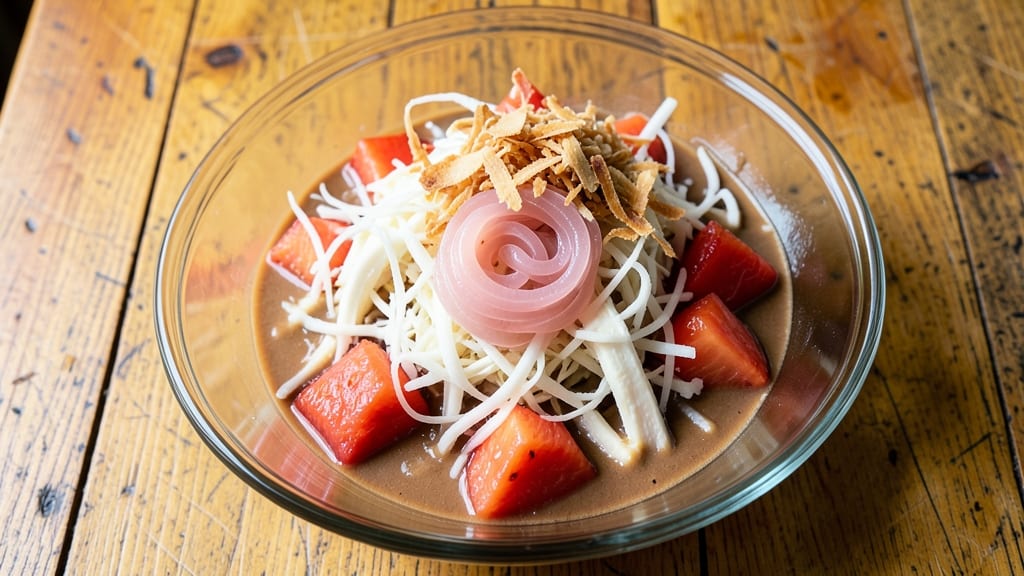
This buko salad recipe Panlasang Pinoy delivers that perfect balance of creamy, chewy, and crunchy textures that make it a beloved Filipino dessert. 💛 The secret lies in the harmony of sweetened condensed milk, tender young coconut, and delicate nata de coco strands—each element playing its part in creating that signature cloud-like consistency.
What sets this version apart is the careful layering of ingredients to ensure every bite delivers that signature sweet-tangy flavor without being overly heavy.
The beauty of this recipe is in its simplicity—just a handful of ingredients that come together in 15 minutes of prep (plus chilling time) to create a dessert that feels both nostalgic and indulgent.
Traditional Filipino flavors shine through with the use of fresh young coconut, which adds that signature crunch, while the nata de coco provides a delicate, jelly-like texture that contrasts beautifully with the creamy base.
The key to achieving that restaurant-quality texture lies in proper ingredient ratios and gentle folding to maintain those airy pockets.
What you'll end up with is a dessert that's as visually stunning as it is delicious—layers of creamy coconut milk, translucent nata de coco, and jewel-toned young coconut pieces that look as good as they taste.
The sweetness is perfectly balanced, with just enough tang from the condensed milk to keep it from being cloying. This is the kind of dessert that disappears quickly at gatherings, leaving everyone asking for seconds.
Perfect for potlucks, family gatherings, or as a refreshing treat on hot days, this buko salad can be made ahead and tastes even better after chilling for a few hours.
The recipe also lends itself well to variations—whether you're looking to reduce sugar or explore plant-based alternatives. Let's get started on creating this Filipino classic!
Ingredients for buko salad recipe panlasang pinoy
Filipino pantry staples and fresh tropical elements for that signature creamy-crunchy balance.
| Ingredient | Amount | Notes |
|---|---|---|
| Sweetened Condensed Milk 🥛 | 1 can | Premium brand for richer flavor |
| Nata De Coco 🌿 | 1 package | Pre-soaked, drained well |
| Young Coconut Meat 🥥 | 2 cups | Freshly grated, not pre-packaged |
| Shredded Coconut Meat 🥥 | 1 cup | Sweetened, unsweetened works too |
| Fresh Pineapple 🍍 | 1 cup | Finely diced, small dice preferred |
| Gulaman (Agar-Agar) 🌊 | ½ oz | Dried sheets, soaked in water |
| Vanilla Extract 🌸 | 1 tsp | Pure, high-quality preferred |
| Lime Juice 🍋 | 2 tbsp | Freshly squeezed, not bottled |
| Gulaman Syrup 🍯 | ½ cup | Homemade or store-bought |
| Gelatin 🍬 | 1 tbsp | Unflavored, powdered preferred |
| Granulated Sugar 🍚 | ¼ cup | Adjust to taste preference |
| Coconut Milk 🥥 | 1 can | Full-fat for creaminess |
The nata de coco and gulaman are non-negotiable for that signature jelly-like texture—Filipino markets or specialty Asian grocery stores carry the best quality. Look for pre-soaked nata de coco in the refrigerated section, and dried gulaman sheets in the bulk section. For young coconut, fresh is ideal—Filipino grocery stores often have pre-grated versions, but grating it yourself ensures maximum freshness. The sweetened condensed milk should be premium brands like Carnation or Nestlé for that rich, caramelized flavor that's essential to the dessert's depth. Shredded coconut from the baking aisle works, but unsweetened allows you to control the sweetness better.
No nata de coco? Pre-soaked agar-agar sheets (common in Asian markets) work as a substitute, though the texture will be slightly firmer. Running short on young coconut? Fresh pineapple adds the same tropical brightness, but mango chunks can work too if you prefer a sweeter note. The gulaman syrup can be homemade by simmering agar-agar with sugar and water, or you can use store-bought gulaman syrup from Filipino stores. Coconut milk is optional but recommended for extra creaminess—full-fat canned coconut milk from brands like Thai Kitchen adds that luscious texture. For a lighter version, reduce the condensed milk to 1/2 can and add 1/4 cup coconut milk instead.
All ingredients except the nata de coco and gulaman can be prepped ahead—grate the coconut, dice the pineapple, and mix the syrups the day before. The final assembly should happen 2-3 hours before serving to allow flavors to meld and textures to set properly. Store leftovers in an airtight container in the fridge for up to 3 days, though it's best enjoyed fresh. For make-ahead gatherings, prepare the syrup mixture and fruit components separately, then combine just before serving to maintain that cloud-like consistency. The dessert tastes even better after chilling overnight, so plan accordingly for potlucks.
Why You'll Love This Recipe
- No-Fuss Assembly: I swear by this recipe because it’s the kind of dish where you just dump ingredients and stir. The nata de coco and young coconut meat stay crisp even when soaked in that creamy condensed milk—no fancy techniques, just layering them in a bowl. My kids help me mix it, and we’re done faster than a microwave dinner.
- Sweet-Creamy Magic: That first bite? The pineapple’s tang cuts through the richness of the condensed milk while the shredded coconut adds this textural contrast—crunchy, soft, and chewy all at once. Honestly, the combo is so balanced I’ve caught myself sneaking seconds straight from the fridge.
- Party in a Bowl: This salad is my secret weapon for potlucks, birthdays, or even lazy Sundays. It’s light enough to serve at gatherings but hearty enough to be a main dish—just add a scoop of ice cream if you’re feeling fancy. (Yes, even on a Tuesday night.)
- Leftovers That Don’t Suffer: Unlike most desserts, buko salad actually improves overnight. The flavors meld, the coconut absorbs the sweetness, and it stays refreshing. I make a big batch on Sundays so I can grab it for breakfast or a snack all week—no sad, dried-out fruit here.
Step-by-step instructions for buko salad recipe
Assemble this creamy, textured dessert with precise timing for perfect texture every time.
👨🍳 Step 1: Prepare the Gulaman and Gelatin Mixtures
In a small bowl, soak the 0.5 oz gulaman (agar-agar) sheets in 1 cup hot water for 10 minutes until fully softened. In another bowl, sprinkle 1 tbsp gelatin over ½ cup cold water and let it bloom for 5 minutes—it should thicken noticeably but remain slightly translucent.
Here's the thing—both mixtures need to be at room temperature when combined. If they're too hot, the gulaman will dissolve completely; if too cold, they won't set properly. Warm each mixture separately in a microwave for 20-second intervals until just melted but not bubbling, then let cool to 100°F before mixing.
🥘 Step 2: Combine Cream Base Ingredients
In a large mixing bowl, combine the 1 can sweetened condensed milk, 1 can coconut milk, and 0.25 cup granulated sugar. Whisk until fully dissolved—this creates your creamy foundation. Add the 1 tsp vanilla extract and 2 tbsp lime juice, mixing well to distribute the citrus brightness evenly.
Gently fold in the 2 cups young coconut meat and 1 cup shredded coconut meat using a silicone spatula. You want to coat the coconut pieces lightly without crushing them—their texture is crucial for that signature crunch. Set this mixture aside while you prepare the remaining components.
🍳 Step 3: Incorporate the Gulaman and Gelatin
Carefully pour the warmed gulaman mixture into the cream base while stirring continuously. The agar-agar will begin to thicken immediately—work quickly to distribute it evenly. Then add the gelatin mixture in a thin stream, whisking constantly until fully incorporated and the texture becomes slightly thicker than heavy cream.
This is where the magic happens: the combination of agar-agar and gelatin creates that signature jelly-like texture that holds up perfectly. If the mixture becomes too thick, add 1 tablespoon cold water at a time until it reaches a pourable consistency that coats the back of a spoon.
🥘 Step 4: Add Pineapple and Nata De Coco
Gently fold in the 1 cup finely diced fresh pineapple and 1 package drained nata de coco using light, upward motions. The pineapple should be distributed evenly without breaking up the nata de coco strands—these delicate pearls are the heart of the dessert's texture.
For the best presentation, arrange the nata de coco strands in a circular pattern on the surface before folding. This creates that classic layered look when served. If you notice any liquid separating, gently stir it back into the mixture—this ensures every bite has that perfect creamy balance.
⏰ Step 5: Chill and Set for Perfect Texture
Transfer the buko salad to a serving bowl or individual ramekins. Cover with plastic wrap pressed directly onto the surface to prevent a skin from forming. Refrigerate for at least 4 hours, preferably overnight—this allows the agar-agar to fully set while maintaining that creamy texture.
The salad should have a firm but slightly wobbly consistency when done—like a cross between pudding and jelly. If you're serving immediately, chill for 6 hours in the freezer (covered) for quicker setting. Serve chilled, with additional nata de coco or pineapple on top for visual appeal.
Pro Tips For Making Buko Salad Recipe Panlasang Pinoy
- Chill the Nata First: Pop your nata de coco into the fridge for 10 minutes before mixing—it’ll hold its shape better and soak up less condensed milk, keeping your salad from turning into a soggy mess. I learned this after watching my first batch dissolve into a puddle mid-serving.
- Dice Pineapple Small: Cut the pineapple into ½-inch cubes, not chunks—smaller pieces distribute flavor evenly and prevent the salad from looking like a fruit salad with random giant bits. My first attempt had one hunk of pineapple that looked like it belonged in a smoothie.
- Drain Young Coconut Well: After grating the young coconut meat, rinse it in cold water and squeeze out every drop of liquid with your hands—wet strands make the salad watery and dull the sweetness. I used to skip this, and the texture always felt off.
- Mix Condensed Milk Last: Toss the nata, coconut, and pineapple first, then fold in the condensed milk right before serving—this keeps the nata crisp and prevents the salad from turning into a syrup-soaked puddle. I now save half the condensed milk for drizzling on top if needed.
Health benefits of this dish
Filipino Comfort Food
This buko salad is pure Filipino comfort food—packed with tropical flavors that bring warmth and nostalgia.
The combination of sweetened condensed milk and coconut milk creates a creamy base that's both indulgent and satisfying, while the nata de coco and young coconut add that signature chewy-crunchy texture that's uniquely Filipino. 🥥 The dessert is often served at family gatherings, birthdays, and holidays, making it a staple in Filipino celebrations.
Rich in Tropical Nutrition
Each serving delivers a powerhouse of tropical nutrition. The young coconut provides electrolytes like potassium and magnesium, while the pineapple contributes vitamin C and bromelain, an enzyme that aids digestion. The coconut milk adds medium-chain triglycerides (MCTs), known for supporting brain function and energy levels.
Even the nata de coco offers a small amount of protein and fiber, making this dessert surprisingly balanced for something so sweet.
Natural Energy Boost
The natural sugars in this dessert provide a quick but sustained energy boost, making it a popular choice after meals or as a post-workout treat. The agar-agar (gulaman) acts as a natural thickener without the need for refined starches, helping stabilize blood sugar levels better than traditional puddings.
Plus, the lime juice adds a touch of acidity that enhances nutrient absorption from the other ingredients. 💪
Cultural Tradition
Beyond its nutritional benefits, this dessert carries deep cultural significance in Filipino cuisine. The use of nata de coco and young coconut reflects the Philippines' tropical climate and abundant coconut resources.
Many families have their own variations, often passed down through generations. The act of preparing this dessert together is a cherished tradition, especially during festive occasions.
Digestive Benefits
Interestingly, the pineapple in this recipe aids digestion—its bromelain enzyme helps break down proteins, while the fiber from the coconut and nata de coco supports gut health. The gelatin in the mixture also contains collagen, which promotes healthy skin and joint function.
It's one of those rare desserts where indulgence meets nutrition! The combination of these ingredients makes it a satisfying treat that won't leave you feeling sluggish afterward.
Nutrition facts
Frequently asked questions
Can I make buko salad without nata de coco?
Yes, but the texture will be different! For a similar jelly-like consistency, use 1/2 cup agar-agar flakes soaked in 1 cup water for 10 minutes (like the gulaman). Or try pre-soaked agar-agar pearls from Asian markets. Without these, the salad will be creamier but lose that signature chewy texture.
How do I get the perfect creamy texture?
The key is proper mixing and chilling! First, fold ingredients gently to avoid crushing the nata de coco. Use a silicone spatula for delicate layers. Then chill for 4+ hours—this lets the agar-agar and gelatin set properly. For extra creaminess, add 1/4 cup coconut milk to the condensed milk base.
Can I make this dessert ahead of time?
This buko salad actually tastes better after chilling. Prepare all components (except nata de coco) up to 2 days ahead. Store the cream base in an airtight container in the fridge. When ready to serve, fold in the nata de coco and chill for 2-3 hours before serving for optimal texture.
What's the difference between young coconut and regular coconut?
Young coconut refers to the fresh, unripe coconut with tender white meat and sweet water. Regular coconut is dried and hard. For this recipe, you need the freshly grated meat from young coconut—it's sweeter and more delicate than dried coconut. Look for young coconuts with green husks at Filipino markets or specialty stores.
Is there a less sweet version for kids?
Yes! Reduce the sweetened condensed milk to 1/2 can and add 1/4 cup coconut milk instead. For extra sweetness control, fold in 1/4 cup plain yogurt at the end. You can also reduce the granulated sugar to 1/4 cup while keeping the other ingredients the same.