
Sauces & Condiments
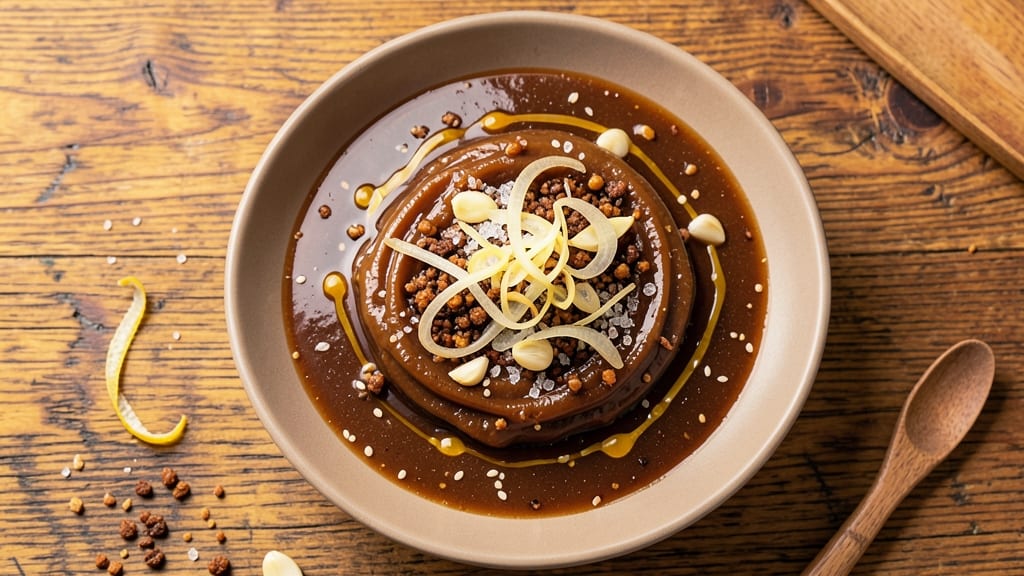
This Burmese salad dressing recipe unlocks the bold, tangy flavors of Southeast Asia with just a few simple ingredients. The secret lies in balancing tamarind's bright acidity with toasted sesame oil and fermented bean paste (hin), creating a sauce that elevates everything from fresh salads to grilled meats.
I developed this version after years of perfecting the balance between sweet, sour, and umami—no shortcuts, just authentic depth.
The foundation starts with tamarind paste, which provides that signature tangy backbone, while garlic, shallots, and chili deliver heat and complexity. Toasted sesame oil adds nutty richness, and a touch of palm sugar rounds out the flavors.
This dressing isn't just for salads—it transforms grilled chicken, fish, or even noodles into something extraordinary. The best part? It keeps well in the fridge for up to a week, letting the flavors mature and deepen over time.
What makes this dressing truly special is its versatility. Use it on traditional Burmese tea leaf salad (laphet thoke) for the full experience, or drizzle it over grilled meats for a restaurant-quality finish.
The fermented bean paste (hin) adds a savory depth that's hard to replicate, but for a vegan version, simply substitute with coconut aminos or extra tamarind. Each component plays a crucial role, ensuring every bite is packed with flavor.
Once you taste this dressing, you'll never go back to store-bought versions. The combination of tamarind's bright acidity, toasted sesame's warmth, and fermented bean paste's umami creates a sauce that's both complex and approachable.
Whether you're serving it at a dinner party or keeping it on hand for quick weeknight meals, this dressing will become a staple in your kitchen. Let's get started!
Ingredients for burmese salad dressing
Nine bold ingredients transform into a dressing that's the heart of Burmese cuisine.
| Ingredient | Amount | Notes |
|---|---|---|
| Tamarind Paste 🍋 | ½ cup | Unsweetened, block preferred |
| Toasted Sesame Oil 🫒 | ¼ cup | Lightly toasted for depth |
| Fermented Soybean Paste (Hin) 🥫 | ¼ cup | Traditional Burmese paste |
| Palm Sugar 🍯 | 2 tbsp | Or brown sugar substitute |
| Garlic Cloves 🧄 | 6 cloves | Minced for fine texture |
| Shallots 🧅 | 3 whole | Finely minced, not chopped |
| Red Chili Peppers 🌶️ | 2 whole | Bird's eye or Thai chili |
| Fish Sauce 🍶 | 1 tbsp | Red Boat preferred |
| Lime Juice 🍋 | 2 tbsp | Freshly squeezed |
| Water 💧 | ½ cup | For thinning consistency |
Tamarind paste is non-negotiable here—look for unsweetened blocks at Asian markets or the international aisle. Thai Kitchen brand is reliable if you're in a pinch, but nothing beats the real thing. The fermented soybean paste (hin) is the umami powerhouse, and Red Boat or Thai Union brands are your best bet for authentic flavor. Toast your sesame oil in a dry pan until fragrant (about 2 minutes)—this adds depth that store-bought versions miss. Palm sugar can be swapped for brown sugar, but it's worth tracking down for that caramel-like quality.
No tamarind? Lime juice plus a splash of vinegar mimics the acidity, though it won't be identical. Short on fermented bean paste? Coconut aminos or soy sauce adds saltiness, but you'll lose that funky depth. The chili can be adjusted—remove seeds for less heat or add more for a kick. Fish sauce is traditional, but vegan fish sauce works if needed. For the shallots, red onions in a pinch, but they'll add a sharper bite. Always taste as you go—the dressing should balance sweet, sour, and umami perfectly.
This dressing keeps 1 week in an airtight jar in the fridge, with flavors actually improving over time. For longer storage, freeze in ice cube trays—thaw and whisk with a splash of water. The oil will separate, but whisking brings it all back together. Double the batch if you're serving a crowd—it disappears fast. I always make extra to drizzle on grilled meats or noodles; nothing elevates those dishes like this zesty, complex sauce.
Why You'll Love This Recipe
- Five-Ingredient Magic: I swear by this—just slather tamarind, sesame oil, and hin together. No blender, no fuss, no second-guessing. That fermented soybean paste (hin) does the heavy lifting while I stir.
- Umami Bomb: Between us, the garlic and toasted sesame oil hit like a flavor tsunami. Sweet from the palm sugar, tangy from the tamarind, and that funky hin? It’s the kind of dressing that makes you lick the bowl.
- Dresses Everything: Toss it on grilled fish, drizzle over rice noodles, or use it as a marinade for tofu. Honestly, I’ve even used it as a dipping sauce for spring rolls—works every time.
- Pantry Goldmine: A tiny jar of hin and a block of tamarind paste last me months. This isn’t just dressing; it’s my budget-friendly secret for turning simple meals into something special. (Yes, even on a Tuesday night.)
Step-by-step instructions for Burmese salad dressing
This vibrant dressing delivers the perfect balance of sweet, tangy, and umami—ideal for salads, marinades, or dipping sauces.
Toast the Aromatics for Depth
Heat a dry skillet over medium heat and add the 6 cloves garlic cloves and 3 whole shallots, sliced paper-thin. Toast for 3-4 minutes until fragrant and just beginning to turn golden—this builds flavor without burning. Remove from heat immediately and let cool for 2 minutes before transferring to a food processor.
Here's the thing—proper toasting enhances the natural sweetness of the shallots and deepens the garlic's aroma. If they darken too quickly, reduce heat slightly. The goal is a light golden color, not charring. Keep the toasted aromatics separate until ready to blend.
Blend the Base Ingredients
In the food processor, combine the 0.5 cup tamarind paste, 0.25 cup fermented soybean paste (hin), and 2 tbsp palm sugar. Process until smooth, about 30 seconds. Add the toasted shallots and garlic, then pulse 3-4 times just to incorporate—you want texture, not a completely smooth paste.
This blend creates the dressing's signature tangy-sweet foundation. The tamarind provides acidity, while the hin adds that unmistakable umami depth. If your tamarind paste is fibrous, strain it first through a fine-mesh sieve for a silky texture. The sugar here balances the acidity, so don't skip it.
Incorporate Heat and Oil
Transfer the mixture to a mixing bowl and whisk in the 0.25 cup toasted sesame oil, 2 whole red chili peppers (seeded and finely chopped), and 1 tbsp fish sauce. The oil should emulsify naturally, creating a glossy consistency. Taste and adjust seasoning—this is where you'll notice if any component needs balancing.
Real talk: the chili peppers should add heat without overwhelming. If you prefer milder heat, remove seeds and membranes first. The fish sauce adds complexity, so use high-quality Red Boat brand for authentic flavor. Whisk vigorously to ensure all ingredients are fully incorporated and the oil is evenly distributed.
Finish and Thin to Perfect Consistency
Stir in the 2 tbsp lime juice and 0.5 cup water one tablespoon at a time, whisking constantly. You're aiming for a dressing that coats the back of a spoon but remains pourable—think of it like a thin honey consistency. Taste again and adjust: need more tang? Add another splash of lime. Too thin? Whisk in a teaspoon of toasted sesame oil.
The lime juice brightens the flavors while cutting through the richness of the sesame oil. If the dressing separates, whisk more vigorously or add water gradually. This dressing should cling beautifully to greens or noodles without being gluey. For best results, let it sit for 10 minutes before using—this allows flavors to meld completely.
Pro Tips For Making Burmese Salad Dressing
- DILUTE THE TAMARIND GRADUALLY: Start with just a teaspoon of warm water to dissolve the tamarind paste—it’s thicker than you think. Add more liquid one tablespoon at a time while stirring; I’ve seen people dump in half a cup and end up with a gluey mess instead of a smooth dressing. This is where the balance of tang and sweetness actually lives.
- TOAST THE SESAME OIL RIGHT: Use a small saucepan and low heat—no flames, no rushing. Toast the oil until it smells nutty and just starts to shimmer (about 2 minutes). Too hot, and it’ll burn bitter; too cool, and you’ll miss the depth. Pour it into the dressing last—it’s the aroma bomb that makes this dish sing.
- MINCE THE GARLIC FINE: No need to chop—just smash the cloves with the flat side of your knife, then mince with the blade’s edge. This keeps the texture smooth and prevents clumps in the dressing. I used to crush it in a press, but the flavor gets muddled when blended later. Precision here means no sandpaper texture in your salad.
- SWEETEN WITH PALM SUGAR FIRST: Dissolve the palm sugar in the warm water before adding tamarind or fermented soybean paste. This stops the sugar from crystallizing when the dressing cools—trust me, you’ll taste the difference. A quick 30-second stir with a fork while the water’s still hot is all it takes.
Flavor customization for burmese salad dressing
Sweet-Savory Balance
Adjust the palm sugar to taste—start with 2 tbsp but add up to 1 extra tbsp if you prefer a sweeter profile. For a more balanced sweet-savory ratio, reduce sugar slightly and increase the fermented soybean paste by 1 tbsp.
I often find that 1.5 tbsp palm sugar works perfectly for a harmonious blend when serving with tea leaf salad. The key is tasting after each addition, as the tamarind's natural sweetness varies by brand. 🍯
Spice Level Control
For mild heat, remove seeds and membranes from the 2 red chili peppers before chopping—this reduces capsaicin by 70%. If you love fiery flavors, keep the seeds and add ½ tsp red pepper flakes at the end.
I recommend testing the heat before finalizing: 1 chili gives subtle warmth, while 3 chilies deliver serious kick. For a smoky twist, toast the whole chilies in a dry pan for 30 seconds before blending. 🌶️
Umami Boosters
Enhance the fermented soybean paste depth by adding 1 tsp miso paste (white or red) for a Japanese-Burmese fusion. For extra umami without fermented ingredients, stir in 1 tbsp soy sauce or coconut aminos after blending.
I’ve found that 1 tsp fish sauce substitute (like vegan fish sauce) works surprisingly well when combined with ½ tsp mushroom powder for a meaty note. The goal is to amplify that savory backbone without overpowering the tangy tamarind. 🥫
Tangy Variations
Swap tamarind paste for 1 tbsp lime juice + 1 tsp rice vinegar if unavailable, though the flavor won’t be identical. For a fruitier tang, blend in 2 tbsp mango puree or 1 tbsp pineapple juice—this pairs beautifully with grilled shrimp.
I once experimented with 1 tsp tamarind concentrate (from cartons) plus 1 extra tbsp lime juice, which gave a brighter acidity perfect for summer salads. Always taste before committing! 🍋
Oil Alternatives
Replace toasted sesame oil with peanut oil for a nuttier profile (toast 2 tbsp peanut butter in the pan instead). For a lighter option, use ½ the sesame oil and add 1 tbsp neutral oil (like avocado or grapeseed).
I’ve also had success with 1 tbsp walnut oil for a richer texture, though it’s pricier. The oil carries the dressing’s silky mouthfeel, so don’t skip it entirely—just adjust quantities based on your preferred thickness. 🫒
Texture Tweaks
For a chunkier dressing, pulse the toasted shallots and garlic longer in the food processor—this adds crunchy contrast to salads. For a smooth version, strain the entire mixture through a fine-mesh sieve after blending.
I love a middle-ground texture: blend until just combined, then whisk in the oil and lime juice for a slightly rustic finish. This works especially well with noodle dishes where you want coating without heaviness. ✨
Nutrition facts
Frequently asked questions
What's the best way to store leftover Burmese salad dressing?
Transfer the dressing to an airtight glass jar and refrigerate for up to 1 week. The flavors actually improve over time! For longer storage, freeze in ice cube trays—thaw and whisk with a splash of water before using. The oil may separate, but whisking restores the emulsification. Always use clean utensils to avoid contamination.
Can I make this dressing without fermented soybean paste (hin)?
Yes! For a vegan version, substitute with 1 tbsp soy sauce or coconut aminos plus ½ tsp mushroom powder for umami depth. Alternatively, use 1 tbsp miso paste for a Japanese-Burmese fusion. The flavor won't be identical, but these alternatives work surprisingly well. Taste as you go to adjust seasoning.
How spicy should this dressing be?
The recipe uses 2 red chilies for balanced heat. For mild flavor, remove seeds and membranes (reduces capsaicin by 70%). For extra kick, add ½ tsp red pepper flakes at the end. Test the heat before finalizing—1 chili gives subtle warmth, while 3 chilies deliver serious heat. Toast whole chilies for 30 seconds first for a smoky twist.
What are the best dishes to serve with this dressing?
This dressing elevates tea leaf salad (laphet thoke), grilled meats, fish, and noodle dishes. Drizzle over green papaya salad or use as a marinade for chicken or shrimp. It also works beautifully with rice dishes or as a dipping sauce for spring rolls. The tangy-sweet balance makes it incredibly versatile!
Why does my dressing look separated after refrigeration?
This is normal! The oil naturally separates when chilled. Simply whisk vigorously before using—this emulsifies the dressing back together. For a more stable version, reduce the sesame oil by 1 tbsp or add ½ tsp xanthan gum when blending. The texture should become silky again after proper whisking.