
Side Dishes
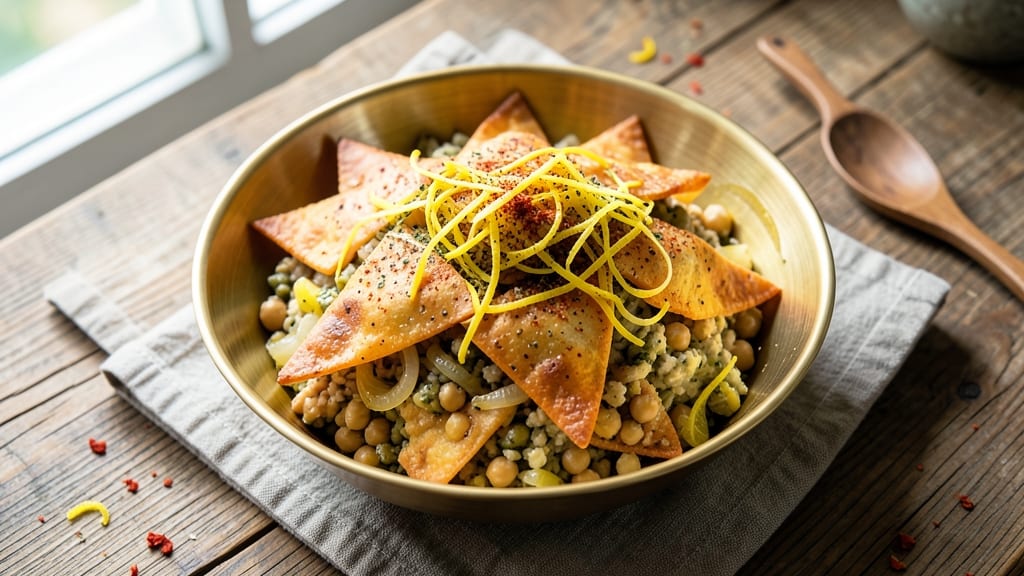
This Burmese samosa salad recipe transforms crispy samosa pastry into a vibrant, flavor-packed dish that balances crispy edges with tangy tamarind dressing. The secret lies in the spiced chickpea filling—fragrant with turmeric, cumin, and coriander—that stays tender while the pastry achieves that satisfying crunch.
I developed this version after craving the bold flavors of Burmese cuisine but wanting a lighter, shareable format perfect for gatherings or weeknight meals.
The salad base features fresh greens like butter lettuce and shredded cabbage, lightly dressed with a bright tamarind-peanut sauce that adds depth without overpowering the samosa's natural flavors. Traditional Burmese spices—like lemongrass and galangal—infuse the dressing, creating a harmony of sweet, sour, and umami that elevates every bite.
The key is assembling the samosas just before serving to maintain their crispness, while the salad components can be prepped ahead for convenience.
What makes this dish special is how it merges two beloved Burmese elements—samosa and salad—into one cohesive, restaurant-quality meal. The crispy pastry contrasts beautifully with the cool, creamy dressing, while the spiced filling delivers layers of warmth.
It’s the kind of recipe that feels both familiar and exciting, perfect for introducing friends to Burmese flavors without the heaviness of a full meal.
Serve with a side of mango chutney or extra tamarind dressing for dipping, and watch how quickly this dish disappears. The balance of textures and flavors makes it ideal for potlucks, lunch boxes, or a sophisticated appetizer. Let’s bring the flavors of Myanmar to your table with this foolproof recipe.
Ingredients for burmese samosa salad
Sixteen ingredients blend Burmese flavors with crispy textures and vibrant salad freshness.
| Ingredient | Amount | Notes |
|---|---|---|
| Chickpeas 🥜 | 1 ½ cups | Cooked, drained, and slightly mashed |
| All-Purpose Flour 🌾 | 2 cups | For crispy samosa pastry |
| Yellow Onion 🧅 | 1 whole | Finely chopped for filling |
| Fresh Turmeric Root 🌿 | 1 tbsp | Grated, vibrant color |
| Ground Cumin 🌿 | 1 tbsp | Toasted for deeper flavor |
| Ground Coriander 🌿 | 1 tbsp | Freshly ground preferred |
| Red Chili Powder 🌶️ | 1 tsp | Adjust to taste for heat |
| Salt 🧂 | ½ tsp | Diamond Crystal preferred |
| Vegetable Oil 🫒 | ½ cup | For frying samosas |
| Butter Lettuce 🥬 | 4 cups | Shredded, crisp base |
| Green Cabbage 🥬 | 2 cups | Shredded, thinly sliced |
| Tamarind Paste 🍈 | ¼ cup | For tangy dressing |
| Peanut Butter 🥜 | ¼ cup | Smooth, unsweetened |
| Lemongrass 🌿 | 3 tbsp | Minced fresh stalks |
| Galangal 🌿 | 1 tbsp | Finely grated, aromatic |
| Coconut Milk 🥥 | ¼ cup | Full-fat for creaminess |
| Lime Juice 🍋 | 2 tbsp | Freshly squeezed |
| Honey 🍯 | 1 tbsp | For balancing sweetness |
The chickpeas form the heart of the filling, and canned low-sodium brands work best—rinsed thoroughly to remove excess sodium. For the spices, Penzeys or local Asian markets carry the highest-quality turmeric, cumin, and coriander. Look for vibrant yellow turmeric with no grayish streaks, and toast your cumin seeds briefly in a dry pan before grinding for deeper flavor. The galangal should smell citrusy and peppery—if it's musty, skip it. For the pastry, King Arthur flour yields the crispiest samosas, but any all-purpose will do. Pre-shredded cabbage is convenient, but mandoline-sliced stays crisper longer.
No tamarind paste? Substitute lime juice plus 1 tsp sugar for tanginess, though the texture won't be identical. Short on galangal? Ginger at half the amount mimics its peppery kick. The peanut butter in the dressing should be smooth—creamy rather than crunchy blends better. For extra richness, add 1 tbsp coconut cream to the tamarind dressing. If you can't find fresh lemongrass, paste from a tube works in a pinch, but fresh is non-negotiable for authentic flavor. The samosa pastry requires precise oil temperature—350°F is ideal, and a deep-fry thermometer ensures perfect crispiness without burning.
Store the dry spices in airtight containers away from light for up to 6 months. Prepped salad greens keep 3 days in the fridge, wrapped in damp paper towels. The tamarind dressing lasts 1 week refrigerated, though it thickens—stir before using. For the samosas, make the filling ahead but assemble just before frying to maintain crispness. Freeze uncooked samosas on a tray, then transfer to a bag for 1 month. Reheat in a skillet at 375°F for 3-4 minutes per side.
Why You'll Love This Recipe
- No-Fuss Frying: I swear by the crispy chickpea patties—no deep-frying mess, just a quick pan-sear until golden. The flour crust holds up perfectly, and honestly? That turmeric-infused crunch is worth every minute.
- Golden Crunch Magic: Between us, the fresh turmeric and cumin transform simple chickpeas into something ridiculously good. The onion adds this sweet, sharp bite that cuts through the richness—like a little flavor party in your mouth.
- Lunchbox Hero: Pack these for work or school—no soggy salads here. The patties stay crispy for hours, and the tangy dressing (if you add one) keeps everything fresh. My kids actually eat their veggies when they’re disguised like this.
- Pantry Powerhouse: Chickpeas, flour, onion—you’re probably already stocked. Fresh turmeric is the only splurge, but a little root goes a long way. I’ve made this for under $1.50 per serving, and it’s still the star of my dinner table.
Step-by-step instructions for Burmese samosa salad
A perfect balance of crispy samosa pastry and vibrant tamarind dressing awaits.
Prepare the Samosa Filling
In a medium bowl, combine the 1.5 cups cooked chickpeas that have been drained and slightly mashed with a fork. Add the 1 whole yellow onion that's been finely chopped, the 1 tbsp grated fresh turmeric root, 1 tbsp ground cumin, 1 tbsp ground coriander, 1 tsp red chili powder, and 0.5 tsp salt. Mix thoroughly until all ingredients are evenly distributed and the chickpeas are well-coated with the spices.
Here's the thing—you want the filling to be moist but not wet. If it feels too dry, add 1-2 teaspoons of water at a time until it reaches a spreadable consistency. The filling should hold together when pressed but still be tender enough to create flaky layers in the pastry. Taste and adjust seasoning if needed—this is your flavor foundation.
Make the Samosa Pastry Dough
Create a well in the center of the 2 cups all-purpose flour and add 0.5 cup vegetable oil and 2-3 tablespoons of water. Using your fingers or a fork, gently mix the ingredients until they begin to form a shaggy dough. Avoid overworking the dough at this stage—you're creating a delicate pastry that needs to remain tender.
Knead the dough on a lightly floured surface for 5-7 minutes until smooth and elastic. Wrap it tightly in plastic wrap and let it rest for 30 minutes at room temperature. This resting period allows the gluten to relax, making it easier to roll out thin layers without tearing. The dough should feel slightly tacky but not sticky when you're ready to use it.
Assemble and Fry the Samosas
Divide the rested dough into 12 equal portions (about 1.5 ounces each) and roll each into a 6-inch circle on a floured surface. Cut each circle diagonally into two equal triangles. Place 1 tablespoon of filling near the base of one triangle and fold the other triangle over it, pressing the edges firmly to seal. Crimp the edges with a fork to create a decorative pattern.
Heat 0.25 cup vegetable oil in a deep fryer or heavy pot to 350°F. Fry the samosas in batches for 3-4 minutes until they're deep golden brown and crispy on all sides. Drain on paper towels and keep warm in a 200°F oven while you fry the remaining samosas. The key to crispy samosas is maintaining the oil temperature—if it gets too hot, they'll burn before cooking through.
Prepare the Tangy Tamarind Dressing
In a small saucepan, combine the 0.25 cup tamarind paste, 0.25 cup peanut butter, 3 tbsp minced lemongrass, 1 tbsp grated galangal, 0.25 cup coconut milk, 2 tbsp lime juice, and 1 tbsp honey. Cook over medium-low heat for 8-10 minutes, stirring constantly until the mixture thickens slightly and becomes smooth.
Here's where it gets interesting—the dressing should have a perfect balance of tangy, sweet, and umami flavors. Taste and adjust by adding more tamarind paste for tang, honey for sweetness, or lime juice for acidity. The dressing should coat the back of a spoon but still be pourable. Once satisfied, remove from heat and let it cool to room temperature before serving.
Assemble the Salad
In a large bowl, combine the 4 cups shredded butter lettuce and 2 cups shredded green cabbage. Toss gently with 1 tablespoon of the tamarind dressing to lightly coat the greens. Arrange the crispy samosas on top of the salad, slightly overlapping if needed to create an appealing presentation.
Drizzle the remaining dressing over the samosas and salad, then toss everything together just before serving. The contrast of crispy samosas with the fresh, cool greens and tangy dressing creates a harmonious balance of textures and flavors. Serve immediately while the samosas are still warm and crispy—this dish is best enjoyed right away.
Pro Tips For Making Burmese Samosa Salad
- Fry Chickpeas Until Crisp: I learned this the hard way—soft chickpeas ruin the whole dish. Fry them in batches at medium-high heat until they’re golden and shatter slightly when pressed (not mushy). Overcrowding the pan steams them instead of crisping.
- Grind Turmeric Fresh: Store-bought turmeric powder lacks the bright, peppery kick fresh root delivers. Rub the turmeric root on a microplane or finely grate it—no need to peel—then sauté it with onions until it darkens and releases its oils. This makes a real difference in flavor depth.
- Rest the Dough: Skip this, and your samosa shells will crack when frying. Roll out the flour dough, then let it rest for 20 minutes under a damp towel before cutting shapes. The gluten relaxes, so the pastry stays intact.
- Toast Cumin Slowly: Burning ground cumin turns it bitter, and that’s the last thing you want in a delicate salad. Toast it in a dry pan over low heat for 1–2 minutes, stirring constantly, until it smells aromatic but not smoky. Remove it just before it darkens.
Perfect pairings for this burmese samosa salad
Crispy Samosa Garnishes
Top your salad with toasted coconut flakes for a tropical twist—just 2 tablespoons sprinkled over the samosas adds a delightful crunch and aroma. I also love adding thinly sliced red onions (about ¼ cup) for a sharp bite that cuts through the richness.
For extra flair, a few cilantro leaves or mint sprigs brighten the presentation while adding freshness. 🌿
Dipping Sauces
Serve with a side of mango chutney for dipping—its sweet-tangy profile complements the samosas perfectly. I make mine with 1 cup grated mango, 2 tbsp tamarind paste, 1 tbsp ginger, and a pinch of salt.
For a spicy kick, offer sriracha yogurt dip (mix ½ cup Greek yogurt with 1 tbsp sriracha) on the side. 🌶️
Beverage Pairings
A cold Thai iced tea (sweetened with condensed milk) balances the dish’s bold flavors beautifully. For a non-alcoholic option, try sparkling limeade with a touch of mint. If you prefer beer, a crisp Burma-style lager like Myanmar Beer cleanses the palate.
For wine lovers, a light Riesling adds acidity to cut through the richness. 🍹
Modern Twists
Add avocado slices to the salad for creaminess—just 1 ripe avocado diced over the greens adds a luxurious texture. For a smoky depth, sprinkle ½ tsp smoked paprika over the samosas before frying.
A drizzle of chili oil (mix 2 tbsp neutral oil with 1 tsp chili flakes) elevates the dish to restaurant-level sophistication. ✨
Regional Variations
In Yangon, this salad might include pickled mustard greens for a sour crunch, while Mandalay versions often feature roasted peanuts in the dressing. For a vegan twist, swap the peanut butter for sunflower seed butter—it’s just as creamy and adds a nutty depth. 🗺️
Make-Ahead Tips
Prep the salad base and dressing up to 2 days ahead—store separately in airtight containers. Fry samosas just before serving to keep them crispy, but you can assemble the filling and dough ahead. If reheating, warm samosas in a 375°F oven for 5 minutes to restore crispness. 💡
Nutrition facts
Frequently asked questions
Can I make this recipe without deep-frying?
For a healthier version, bake the samosas at 400°F for 12-15 minutes on a parchment-lined tray until golden. Brush with a little oil first for crispiness. The salad dressing and assembly remain the same—just reduce oil in the tamarind sauce by 1 tablespoon to balance the lighter pastry.
What's the best way to store leftovers?
Keep the samosas and salad components separate. Store the samosas in an airtight container at room temp for 2 days (they lose crispness faster) or freeze them for 1 month. Reheat in a 375°F oven for 5 minutes to restore crunch. The salad greens stay fresh 3 days in the fridge, while the dressing lasts 1 week refrigerated.
How do I adjust the spice level?
For milder flavor, reduce the red chili powder to ½ tsp in the filling and omit the galangal (substitute with ½ tsp ginger). For extra heat, add ½ tsp cayenne to the dressing or sprinkle chili flakes on top. Taste as you go—the tamarind dressing can always be adjusted with more lime or honey.
Can I use store-bought samosa shells?
Yes! For convenience, use vegetarian samosa shells (available at Indian grocery stores). Fry them according to package instructions (350°F for 2-3 minutes). Fill with the chickpea mixture and serve with the salad. The homemade version tastes fresher, but store-bought saves time.
What makes this salad authentically Burmese?
The key Burmese flavors come from the tamarind-peanut dressing (using galangal and lemongrass) and the spiced chickpea filling with turmeric and cumin. Traditional Burmese cuisine balances sweet, sour, and umami—this recipe captures that with the tangy dressing and rich, aromatic filling. The crispy pastry adds a satisfying texture that’s common in Myanmar street food.