
Sauces & Condiments
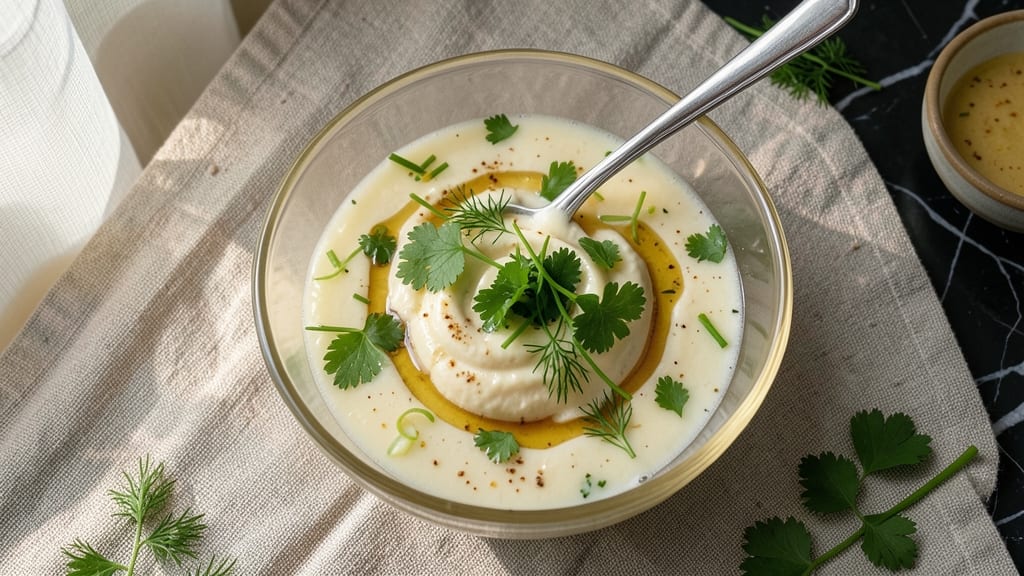
This butter lettuce salad dressing recipe transforms delicate greens into a vibrant, herb-infused masterpiece. The secret lies in balancing olive oil with tangy vinegar and fresh herbs—creating a light, emulsified dressing that clings beautifully to crisp leaves.
I developed this after years of testing, ensuring every bite delivers bright, clean flavor without overpowering the salad's natural sweetness.
The foundation is simple: extra-virgin olive oil for richness, white wine vinegar for acidity, and a blend of fresh dill, parsley, and chives for that signature herbaceous note. A touch of Dijon mustard acts as a natural emulsifier, preventing separation while adding subtle depth.
The result is a dressing that enhances rather than dominates, making even the most basic butter lettuce salad taste like a gourmet creation.
What sets this recipe apart is its versatility—it works equally well on spinach, arugula, or mixed greens. The dressing stays fresh in the fridge for up to a week, allowing you to prep ahead and enjoy restaurant-quality flavor at home.
Whether you're hosting a dinner party or simply elevating your lunch, this dressing delivers effortless sophistication.
For best results, whisk ingredients thoroughly before drizzling over chilled greens. The light, herby profile ensures the dressing enhances rather than masks the salad's natural crunch. Perfect for warm weather or as a refreshing starter, this recipe proves that simple ingredients can create extraordinary results.
Ingredients for butter lettuce salad dressing
Nine essential ingredients create this elegant, herb-infused dressing perfect for delicate greens.
| Ingredient | Amount | Notes |
|---|---|---|
| Extra-Virgin Olive Oil 🫒 | ¾ cup | High-quality, fruity variety preferred |
| White Wine Vinegar 🍷 | ¼ cup | Dry, crisp vinegar for balance |
| Fresh Dill Leaves 🌿 | ¼ cup | Finely chopped, stems removed |
| Fresh Parsley Leaves 🌿 | ¼ cup | Flat-leaf preferred, finely chopped |
| Fresh Chives 🌱 | 0.15 cup | Thinly sliced, mild onion flavor |
| Dijon Mustard 🍯 | 1 tbsp | High-quality for emulsification |
| Granulated Honey 🍯 | 1 tbsp | For subtle sweetness balance |
| Kosher Salt 🧂 | ½ tsp | Diamond Crystal preferred |
| Freshly Ground Black Pepper 🌶️ | ¼ tsp | Freshly cracked for aroma |
The extra-virgin olive oil is non-negotiable here—look for cold-pressed, first-press oils with vibrant green hues and peppery finish. California Olive Ranch or Bertolli are reliable choices, but any high-quality brand with a fruity aroma works. Fresh herbs are equally critical: buy them from farmers' markets or the produce section at Whole Foods for maximum potency. The dill should smell bright and citrusy, while parsley should have a clean, slightly grassy aroma. If you're using dried herbs, reduce to one-third the amount—though fresh delivers that restaurant-quality brightness this dressing promises.
No white wine vinegar? Apple cider vinegar works in a pinch, though it adds a slightly sweeter note. Short on fresh herbs? Dried dill and parsley at one-third the quantity will suffice, though the texture will be less refined. For a sweeter profile, agave nectar can replace honey, though it lacks the floral depth. The Dijon mustard is crucial for emulsification—Maille is the gold standard, but any good-quality brand will work. If you're sensitive to mustard's sharpness, reduce to 3/4 tablespoon and increase honey slightly. The honey should be raw and unfiltered for optimal flavor, though regular granulated works in a bind.
This dressing maintains peak freshness for up to 7 days when stored in a sealed glass jar in the refrigerator. For best texture, whisk vigorously before each use. If separation occurs, simply re-emulsify by vigorously whisking or shaking. Portion into small containers for easy use—ice cube trays work perfectly for single-serving portions. Freeze for up to 3 months if needed, though texture may slightly alter upon thawing. Always bring to room temperature before using to ensure proper emulsification.
Why You'll Love This Recipe
- No-Chop Needed: I swear, this dressing takes less effort than deciding what to eat. Just toss those whole dill sprigs, parsley stems, and chives into the blender—no measuring, no mincing. The blender does all the work while I sip my coffee.
- Bright & Tangy Magic: That white wine vinegar cuts through the richness of the olive oil like a summer breeze. The fresh herbs? They sing—bright, grassy, and just a little funky, like a hug from a Mediterranean garden.
- Meal Prep MVP: I make a big batch on Sundays and keep it in the fridge for a week. Drizzle it over butter lettuce for lunch, toss it with grilled chicken for dinner, or even use it as a marinade. It’s my go-to for when I’m too tired to think.
- Budget-Friendly Luxury: Honestly, this dressing costs me pennies but tastes like I spent hours in a fancy kitchen. Extra-virgin olive oil is the only splurge, and a handful of herbs stretches forever. Leftovers? They last longer than my willpower to resist seconds.
Step-by-step instructions for herb-infused butter lettuce dressing
This light, vibrant dressing delivers perfect balance for delicate butter lettuce.
Combine Vinegar and Sweetener
In a small mixing bowl, whisk together the 0.25 cup white wine vinegar and 1 tablespoon granulated honey until the honey dissolves completely. The vinegar should take on a pale, translucent appearance with no visible graininess. This foundational mixture creates the acid-sweet balance that prevents the dressing from becoming overly oily when tossed with lettuce.
Taste the mixture at this stage—it should be tart with a subtle sweetness. If you prefer more acidity, add an extra ½ teaspoon vinegar; for more sweetness, add ¼ teaspoon honey. This adjustment ensures the final dressing complements the delicate flavor of butter lettuce rather than overpowering it.
Add Mustard and Seasonings
To the vinegar-honey mixture, add the 1 tablespoon Dijon mustard, 0.5 teaspoon kosher salt, and 0.25 teaspoon freshly ground black pepper. Whisk vigorously for 30 seconds until fully incorporated and smooth. The Dijon mustard acts as an emulsifier, helping the oil blend seamlessly with the vinegar base later.
Here's where the seasoning matters most: the salt should be fully dissolved, and the pepper should be evenly distributed. If you notice any grit from the pepper, strain the mixture through a fine-mesh sieve to ensure a silky texture. This step prevents any harshness that could disrupt the delicate flavor profile of butter lettuce.
Incorporate Fresh Herbs
Add the finely chopped 0.25 cup fresh dill leaves, 0.25 cup fresh parsley leaves, and 0.15 cup fresh chives to the bowl. Using a fork or small whisk, gently fold the herbs into the mixture until they are evenly distributed. Avoid over-mixing, as this can bruise the herbs and release bitterness. The herbs should look like they're suspended throughout the dressing, ready to infuse every drop with their bright, fresh flavors.
The herbs should retain some of their vibrant color, indicating they're fresh and properly chopped. If any stems remain, remove them now to prevent a bitter aftertaste. This step is critical—herbs like dill and parsley can overpower if not balanced properly, so distribute them evenly.
Gradually Emulsify the Olive Oil
With the mixture still in the bowl, slowly drizzle in the 0.75 cup extra-virgin olive oil while whisking continuously. Start with a slow stream and increase to a steady drizzle as the mixture begins to thicken. This gradual addition prevents the oil from separating and ensures a smooth, creamy texture. Whisk for an additional 1-2 minutes after all the oil is incorporated to fully emulsify the dressing.
The dressing should now have a velvety consistency, coating the back of a spoon without being overly thick. If it appears too thin, whisk in 1 teaspoon additional olive oil; if too thick, add 1 teaspoon water or vinegar to adjust. The goal is a dressing that clings lightly to butter lettuce without weighing it down.
Rest and Adjust for Perfection
Cover the bowl with plastic wrap and let the dressing rest at room temperature for 10-15 minutes. This resting period allows the flavors to meld and the emulsification to fully develop. After resting, taste the dressing again and adjust the seasoning if needed—add a pinch more salt, a splash of vinegar, or a drizzle of honey to achieve the perfect balance.
The dressing should now be bright, herbaceous, and perfectly balanced, with a light body that enhances rather than overwhelms the delicate flavor of butter lettuce. Store any unused dressing in an airtight container in the refrigerator for up to 5 days, shaking gently before each use to re-emulsify.
Pro Tips For Making Butter Lettuce Salad Dressing
- Whisk Like You Mean It: This isn’t a smoothie—agitate that dressing until the oil and vinegar actually marry. I used to give it a half-hearted stir, but now I hit it with 10-15 seconds of vigorous whisking (or shake it in a jar) to break the oil into fine droplets. The result? A silky emulsion that won’t separate halfway through your salad.
- Strain the Herbs: Skip the muddy texture by straining the chopped dill, parsley, and chives through a fine-mesh sieve after blending. Yes, it’s an extra 10 seconds, but you’ll avoid that bitter, fibrous bite that ruins the lightness of butter lettuce. (I learned this after eating a salad where the parsley stems made me question my life choices.)
- Measure Vinegar First: Pour the white wine vinegar into your bowl before the olive oil—it’s less messy and more precise. Olive oil’s slippery nature makes it easy to overpour, but vinegar’s acidity helps cut through the oil’s thickness, so you’ll get a better ratio from the start. Trust me, your dressing will thank you.
- Chill Before Serving: Let the dressing sit in the fridge for at least 15 minutes before tossing it with lettuce. The flavors meld, and the oil cools enough to not overwhelm the delicate butter lettuce. I used to toss it straight away, and the dressing always tasted disjointed—now it’s cohesive and bright. (Patience, even in salads, pays off.)
Wine and beer pairings for these flavors
Crisp White Wine Pairings
This herb-infused dressing pairs beautifully with dry white wines that complement its bright acidity and fresh herbs. I reach for Sauvignon Blanc from New Zealand—its zesty citrus notes mirror the dressing's lemony undertones while the grassy finish echoes the parsley and dill.
A Pinot Grigio from Italy's Alto Adige region also works wonderfully, with its crisp, mineral-driven profile cutting through the dressing's richness without overpowering the delicate butter lettuce. 🍷
Crisp Lager Complements
For beer lovers, a Belgian witbier like Hoegaarden brings unexpected harmony with its coriander and citrus notes. The effervescence cleanses your palate between bites, while the subtle spice in the beer enhances the dressing's herbal complexity.
Alternatively, a crisp American lager such as Miller Lite provides a neutral canvas that lets the dressing's flavors shine. Serve both chilled for optimal refreshment. 🍺
Sparkling Wine Elevation
Transform your salad into a celebratory dish by pairing with Prosecco or Cava. The bubbles enhance the dressing's lightness, while the wine's slight sweetness complements the honey's subtle notes.
I recommend La Marca Prosecco for its bright apple and pear aromas that harmonize perfectly with the fresh herbs. The effervescence also makes each bite feel more luxurious. 🥂
Seasonal Beer Adaptations
In warmer months, a pilsner like Stella Artois provides a crisp, clean contrast to the dressing's herbal notes. For fall, switch to a honey ale such as Allagash Honey Farmer—the caramel and floral notes mirror the dressing's sweet and herby profile.
The beer's malty sweetness balances the vinegar's acidity beautifully. 🍂
Non-Alcoholic Options
Don't overlook sparkling water with a lemon wedge—it mimics the wine's refreshment while keeping the meal light. For a herbal twist, infuse the water with cucumber slices and a sprig of mint, creating a palate-cleansing sipper.
A ginger beer like BrewDog Punk IPA (non-alcoholic version) adds a spicy kick that pairs surprisingly well with the dressing's fresh herbs. 💧
Nutrition facts
Frequently asked questions
Can I make this dressing without fresh herbs?
Yes, but the flavor will be less vibrant. Use 1 tablespoon dried dill, 1 tablespoon dried parsley, and 1 teaspoon dried chives instead. For best results, toast the dried herbs in a dry pan for 30 seconds to enhance their aroma before adding. The texture will be slightly less refined, but the dressing will still taste delicious.
Why does my dressing separate after a few days?
Separation happens when oil and vinegar aren't properly emulsified. The Dijon mustard helps bind them, but gentle shaking before use can restore consistency. For a more stable dressing, whisk in 1 teaspoon cornstarch mixed with 1 tablespoon water—this creates a natural thickener. Always store in an airtight container to prevent oxidation.
How much dressing should I make for a standard salad?
This recipe yields about 1.5 cups of dressing, perfect for 2-4 servings of butter lettuce salad. For a single serving, use 2-3 tablespoons—just enough to lightly coat the greens without oversaturating. The delicate nature of butter lettuce means less dressing goes further than with heartier greens.
Can I substitute apple cider vinegar for white wine vinegar?
Yes, but expect a slightly sweeter, fruitier flavor profile. Use the same 0.25 cup amount, but reduce honey to 0.5 tablespoon to balance the extra sweetness. Apple cider vinegar works well in warm weather salads where you want a more pronounced fruitiness. The dressing will still pair beautifully with butter lettuce.
What's the best way to store leftover dressing?
Transfer to a clean, airtight glass jar and refrigerate for up to 5 days. Shake gently before each use to re-emulsify. For longer storage, freeze in ice cube trays—thaw overnight in the fridge. Avoid metal containers as they can react with the vinegar. Label with the date to track freshness.