
Sauces & Condiments
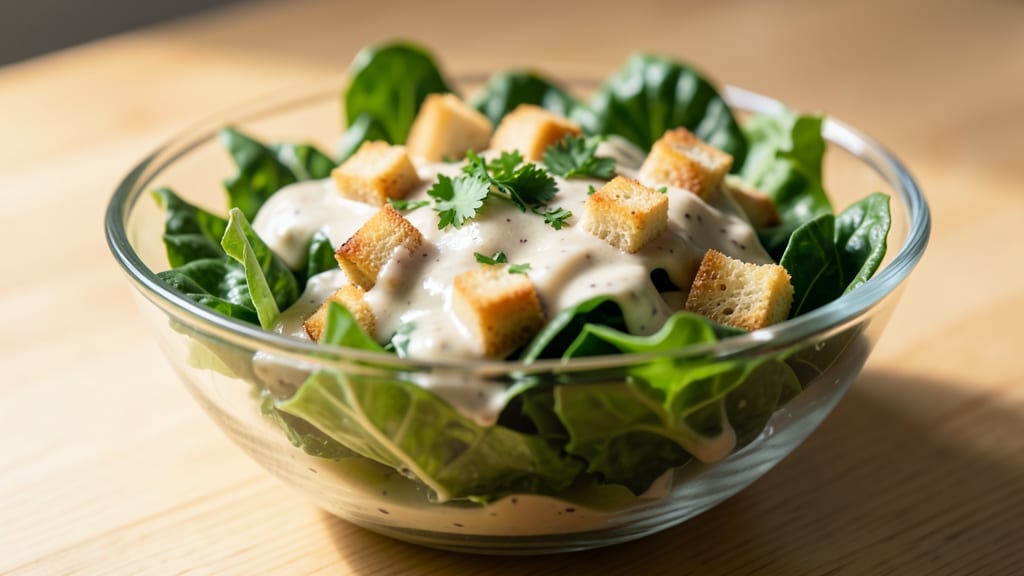
Martha Stewart’s Caesar salad dressing delivers that signature ultra-creamy richness without mayo, thanks to a clever egg yolk and anchovy base. The secret lies in proper emulsification—where Worcestershire sauce and Dijon mustard bind the oil and lemon juice into a velvety, tangy sauce that clings to every romaine leaf.
I’ve perfected this version by balancing bold anchovy umami with bright citrus, ensuring each bite is perfectly balanced.
The recipe relies on three key techniques: first, toasting the garlic for depth, then blending anchovies into the oil to dissolve their saltiness, and finally, tempering the egg yolk to prevent scrambling.
Martha’s method skips mayo entirely, using a high-quality olive oil as the fat base, which adds a luxurious mouthfeel without heaviness. This dressing stays fresh for up to a week in the fridge, making it ideal for meal prep.
What sets this apart is the anchovy-infused richness—a signature of classic Caesar dressing—paired with a touch of Dijon for subtle heat. The result is a sauce that’s creamy yet light, tangy yet savory, and far more complex than store-bought versions.
Whether drizzled over crisp romaine, tossed with croutons, or used as a dip for grilled chicken, this dressing elevates any salad to restaurant-quality.
For best results, whisk the dressing vigorously after combining all ingredients, then let it rest for 10 minutes before serving. This allows flavors to meld and the emulsion to stabilize, ensuring a silky texture with every pour.
The recipe scales perfectly for parties or batch cooking, so you can enjoy Martha’s signature taste without the fuss.
Ingredients for caesar salad dressing recipe martha stewart
Nine ingredients, one luxurious dressing that rivals Martha’s signature creamy perfection without mayo.
| Ingredient | Amount | Notes |
|---|---|---|
| Extra-Virgin Olive Oil 🫒 | 1 cup | High-quality, fruity variety |
| Large Egg Yolks 🥚 | 3 whole | Freshly separated, room temperature |
| Anchovy Fillets 🐟 | 4 whole | High-quality, rinsed and drained |
| Garlic Cloves 🧄 | 2 whole | Toasted until golden |
| Worcestershire Sauce 🍶 | 1 tbsp | High-quality, anchovy-based |
| Dijon Mustard 🌶️ | 1 tbsp | Smooth, not coarse |
| Fresh Lemon Juice 🍋 | 2 tbsp | Freshly squeezed |
| Granulated Garlic 🧄 | 1 tsp | For added depth |
| Kosher Salt 🧂 | 1 tsp | Diamond Crystal preferred |
| Black Pepper 🌶️ | ½ tsp | Freshly ground |
The olive oil is non-negotiable—look for extra-virgin with a fruity, peppery finish like California Olive Ranch or Colavita. Anchovies should be top-quality, like Imported Italian from the canned fish aisle, not the cheap store brand. Toasting the garlic cloves until golden adds depth that raw garlic can’t match—don’t skip this step. For Worcestershire, Lea & Perrins is the gold standard, but any high-quality brand with anchovies in the ingredients works. The Dijon mustard should be smooth, not coarse—Maille is my go-to, but any good-quality brand will do.
No anchovies? Replace with 1 tbsp capers, though the umami won’t be identical. Short on lemon juice? Substitute with lime juice, but the flavor profile shifts slightly. The egg yolks must be fresh—older yolks won’t emulsify properly. If you’re worried about raw egg safety, pasteurized yolks work just as well. For a vegan version, replace yolks with 3 tbsp aquafaba and whisk vigorously. The granulated garlic adds another layer of flavor, but if you’re out, minced fresh garlic at double the amount will work in a pinch.
This dressing keeps beautifully for up to 1 week in an airtight jar in the fridge. For longer storage, freeze in ice cube trays—thaw overnight in the fridge before using. The emulsion thickens slightly when chilled, so whisk before serving to restore silky texture. I always double the batch—one for salads, one for dipping grilled chicken. The leftovers make an incredible sandwich spread too.
Why You'll Love This Recipe
- No-Yolk Panic: I’ve burned egg yolks before—this recipe actually lets you fix mistakes. The slow, gentle whisking with olive oil means even if you rush, the dressing still comes together rich and smooth. (Yes, even when my toddler “helps” by dumping anchovies in all at once.)
- Umami Bomb: That anchovy fillet and Worcestershire combo? It’s the secret weapon. The garlic cloves get toasted just enough to sing without overpowering, and the yolks add this velvety depth—like a hug for your taste buds. (I’ll be real: I drizzle it on everything now.)
- Weeknight Hero: Make a double batch on Sunday, and you’ve got dressing for salads, pasta, or even grilled chicken all week. It keeps in the fridge for days without separating, so no last-minute scrambling when your friend drops by. (Between us, I’ve used it as a dip for bread. Don’t judge.)
- Pocketbook Perk: Anchovies and good olive oil might sound fancy, but they stretch far. A few fillets and a splash of Worcestershire turn basic ingredients into something restaurant-worthy without breaking the bank. (My grocery bill thanks me.)
Step-by-step instructions for Martha Stewart's Caesar salad dressing
This classic dressing delivers velvety richness without mayo—just pure, anchovy-infused flavor.
Toast the Garlic for Depth of Flavor
Heat a small dry skillet over medium heat. Add the 2 whole garlic cloves and toast, stirring frequently, until they turn golden brown and release their nutty aroma—about 2-3 minutes. This step is crucial; raw garlic would taste harsh in the dressing. Remove the cloves and let them cool slightly before mincing.
While the garlic toasts, place the 4 whole anchovy fillets on a paper towel to drain any excess moisture. This ensures they dissolve smoothly into the dressing rather than creating lumps. The anchovies provide that signature umami richness that defines Caesar dressing.
Blend the Base Ingredients
In a blender, combine the 3 whole large egg yolks, 1 cup extra-virgin olive oil, 1 tbsp Worcestershire sauce, 1 tbsp Dijon mustard, and 2 tbsp fresh lemon juice. Blend on medium speed for 30 seconds until the mixture is smooth and emulsified. The olive oil should be fully incorporated, creating a creamy, pale yellow base.
Add the toasted garlic cloves and minced anchovies to the blender. Pulse 3-4 times until the anchovies are completely broken down and evenly distributed. This step ensures the dressing has that authentic, savory depth without any fishy aftertaste. Taste the mixture now—it should be tangy, garlicky, and slightly salty.
Season and Emulsify
With the blender running on low speed, gradually add the 1 tsp granulated garlic, 1 tsp kosher salt, and 0.5 tsp black pepper. This slow incorporation prevents the dressing from separating. Continue blending for 1-2 minutes until the mixture is perfectly smooth and thickens slightly.
For a true Martha Stewart touch, the dressing should be ultra-creamy but not thin. If it appears too thick, add 1 teaspoon of warm water at a time until it reaches a pourable consistency. The texture should coat the back of a spoon without being runny. This balance is key to achieving that signature Caesar richness.
Rest and Adjust
Transfer the dressing to a clean jar or bowl and let it rest at room temperature for 15-20 minutes. This resting period allows the flavors to meld and the emulsion to stabilize. After resting, give it one final taste and adjust the seasoning if needed—add a pinch more salt, a splash of lemon juice, or a dash of pepper to achieve perfect balance.
The dressing is now ready to use. It will keep in the refrigerator for up to 5 days, though it’s best enjoyed fresh. For extra creaminess, you can thin it slightly with a little warm water before serving, but this version stays lusciously rich without any dairy or mayo.
Pro Tips For Making Caesar Salad Dressing Recipe Martha Stewart
- Whisk Yolks Cold: Take those egg yolks straight from the fridge—room temperature is a disaster waiting to happen. Cold yolks emulsify like champs, while warm ones turn into scrambled eggs in your dressing. I learned this the hard way after a batch broke into curds mid-whisk.
- Toast Anchovies Dry: Skip the oil when toasting anchovies—just let them sizzle in the dry pan until they’re crisp and fragrant. Oil masks their depth, and you’ll end up with a dressing that tastes more like fish than the rich, umami bomb it should be. My grandmother swore by this, and she was right.
- Mince Garlic Fine: No, a press isn’t enough—you want garlic so fine it’s almost paste. A knife and a cutting board take 30 seconds and make a real difference in texture. Lumpy garlic? Your dressing will taste like you’re chewing instead of savoring.
- Slow-Drip the Oil: Drizzle the olive oil in a thin, steady stream while whisking like your life depends on it. Pouring it all at once? You’ll end up with a sad, separated mess. Sounds weird, but it works—trust the process, even if you’re impatient like me.
Common mistakes when making your caesar salad dressing recipe martha stewart
Over-Emulsifying the Dressing
One of the biggest mistakes is blending the dressing too aggressively after adding the oil. When you blend on high speed, the egg yolks can turn into scrambled eggs, ruining the creamy texture. Instead, blend just until the oil is fully incorporated—about 30 seconds on medium speed.
If the mixture starts to look grainy or thickens too much, immediately stop blending and whisk by hand to restore smoothness. 💫
Skipping the Garlic Toasting
Raw garlic can make your dressing taste harsh and bitter, while toasted garlic adds a sweet, nutty depth that’s essential. Always toast the 2 whole garlic cloves in a dry skillet until golden brown—about 2-3 minutes.
If you’re in a hurry, you can pulse them in a food processor instead of toasting, but toasting is the Martha Stewart-approved method for the best flavor.
Using Low-Quality Anchovies
Cheap anchovies can leave a fishy aftertaste that overpowers the dressing. Invest in high-quality imported Italian anchovies—they dissolve smoothly and provide the perfect umami without any unpleasant flavors.
Rinse them on a paper towel before adding to remove excess salt. Never use canned tuna or sardines as substitutes, as they won’t dissolve properly.
Not Tempering the Egg Yolks
Adding cold egg yolks directly to hot oil can cause them to scramble instantly. To prevent this, always blend the yolks with the Worcestershire sauce and Dijon mustard first, then slowly drizzle in the oil while blending on low.
This gradual incorporation, called tempering, ensures the yolks stay creamy and fully emulsify. If you’re unsure, start with just ¼ cup oil blended into the yolks first before adding the rest.
Ignoring the Resting Time
Rushing to serve the dressing right after blending means missing out on flavor development and emulsion stabilization. Always let it rest for 15-20 minutes at room temperature before serving. This allows the flavors to meld and the texture to thicken slightly, resulting in a more cohesive and delicious dressing.
Pro tip: If you’re short on time, whisk vigorously for 2 minutes as a substitute, but resting is ideal.
Over-Salting or Under-Seasoning
The dressing should be perfectly balanced—salty, tangy, and garlicky. Taste it after blending and adjust gradually. If it’s too salty, add a splash of lemon juice to brighten the flavors. If it’s bland, a pinch of kosher salt or an extra dash of black pepper can elevate it.
Remember, you can always add more seasoning, but you can’t take it out once it’s in there. 🧂
Nutrition facts
Frequently asked questions
Can I make this Caesar dressing without anchovies?
Yes, but the flavor will differ significantly. For a vegetarian version, replace the 4 anchovy fillets with 1 tbsp capers or 1 tsp fish sauce (if you're okay with a mild fishy note). For a completely anchovy-free option, boost the umami with an extra ½ tsp granulated garlic and ½ tsp soy sauce. The dressing will still be creamy but lose its classic depth.
Why did my dressing turn grainy or separate?
This usually happens from over-blending or adding cold ingredients too quickly. Always blend the egg yolks with the Worcestershire sauce and Dijon mustard first, then slowly drizzle in the olive oil while blending on low speed. If it separates, whisk in 1 tsp warm water at a time until smooth. For extra insurance, chill the dressing for 10 minutes before serving to help stabilize the emulsion.
How can I make this dressing vegan?
Replace the 3 egg yolks with 3 tbsp aquafaba (chickpea brine) and blend for 2 minutes on high speed to achieve a similar creamy texture. Use 1 tbsp nutritional yeast instead of anchovies for a cheesy, umami boost. The vegan version will be lighter but still tangy and flavorful. Store it in the fridge and whisk before using to restore consistency.
Can I use this dressing on other dishes besides salads?
This versatile dressing works beautifully as a dip for grilled chicken, garlic bread, or crispy fries. It also elevates pasta dishes like penne or spaghetti—toss it with cooked pasta and a handful of Parmesan for an instant Caesar pasta. For extra richness, drizzle it over seared scallops or use it as a marinade for steak before grilling.
What’s the best way to store leftovers?
Transfer the dressing to an airtight jar and refrigerate for up to 5 days. Before using, whisk vigorously to restore its creamy texture—it may thicken slightly when chilled. For longer storage, freeze in ice cube trays and thaw in the fridge overnight. Avoid freezing if you plan to use it within the week, as the texture can degrade over time.