
Sauces & Condiments
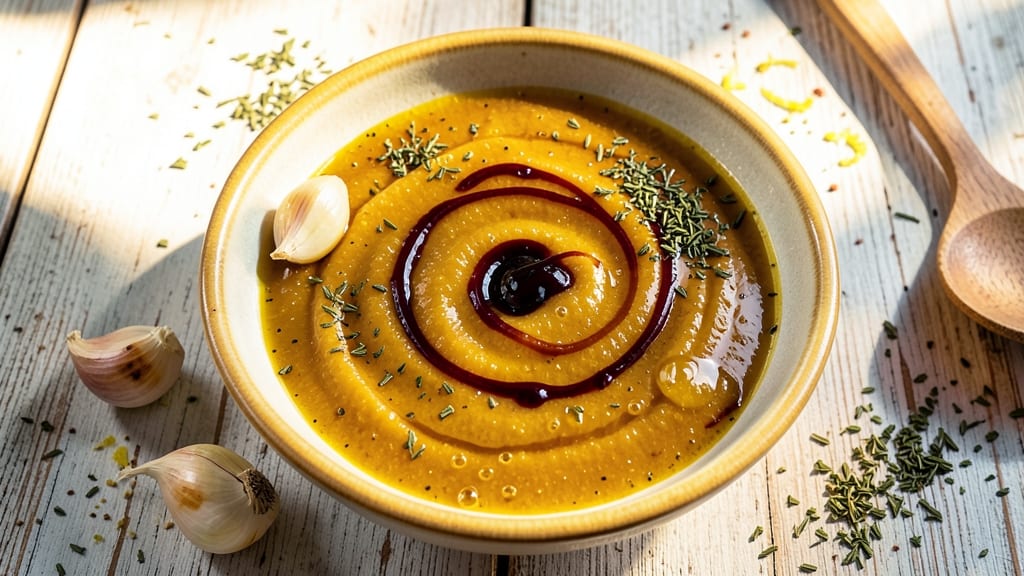
Jamie Oliver's Greek salad dressing transforms simple ingredients into a bold lemon-oregano zing that elevates every bite. The secret lies in balancing bright citrus with rich olive oil and aromatic herbs, creating a dressing that's tangy yet smooth, with just the right herbal kick.
This recipe delivers authentic Mediterranean flavor in 5 minutes with ingredients you likely already have in your pantry.
The foundation is extra virgin olive oil, which carries the vibrant flavors while maintaining that signature Mediterranean richness. Fresh lemon juice adds a sharp tang that cuts through creamy textures, while red wine vinegar deepens the complexity.
Dried oregano and garlic powder bring that unmistakable Greek herb profile, while Dijon mustard adds subtle depth and helps emulsify the dressing for a silky texture.
What makes this dressing truly special is its versatility—it works beautifully on Greek salads, grilled meats, roasted vegetables, or even as a marinade. The dressing keeps well in the refrigerator for up to 10 days, allowing you to make a batch ahead for the week.
Simply shake before using to redistribute the oil that naturally separates.
For an extra touch of authenticity, finish with a sprinkle of fresh oregano or a pinch of flaky sea salt. This dressing is the perfect marriage of tradition and convenience, bringing restaurant-quality flavor to your home kitchen without the fuss.
Ingredients for greek salad dressing recipe jamie oliver
Eight simple ingredients deliver Jamie Oliver's signature Mediterranean boldness in minutes.
| Ingredient | Amount | Notes |
|---|---|---|
| Extra-Virgin Olive Oil 🫒 | ¾ cup | High-quality, fruity, and peppery |
| Fresh Lemon Juice 🍋 | ⅓ cup | Strained for clarity, seeds removed |
| Red Wine Vinegar 🍷 | ¼ cup | Dry, not balsamic |
| Dried Oregano 🌿 | 1 tbsp | Mediterranean variety preferred |
| Garlic Powder 🧄 | 1 tsp | Freshly ground preferred |
| Dijon Mustard 🍯 | 1 tbsp | For emulsification and depth |
| Flaky Sea Salt 🧂 | ½ tsp | For finishing, optional |
| Fresh Oregano 🌿 | ¼ cup | Chopped, for garnish |
The olive oil is non-negotiable here—look for extra-virgin with a fruity, peppery finish at stores like Whole Foods or Trader Joe's for the best quality. Fresh lemon juice should be bright yellow and tart—skip the bottled stuff. Red wine vinegar adds depth, so don't substitute with white vinegar. For the oregano, Mediterranean or Greek varieties have the most authentic flavor, often found in the international aisle or spice section. If you can't find it, regular dried oregano works, but it'll be slightly less complex. The garlic powder should be freshly ground if possible—pre-ground loses potency fast.
No fresh lemon juice? Bottled lemon juice with no added water is the next best thing. Substitute balsamic vinegar for red wine vinegar if you're out, but it'll be sweeter. Want more tang? Add an extra tablespoon of lemon juice. For the mustard, Dijon is essential—it helps emulsify the dressing for that silky texture. Skip it, and you'll end up with a separated dressing. If you're avoiding gluten, check your Dijon—some brands use wheat. The fresh oregano is optional but adds a bright, herbal finish that takes it from good to restaurant-quality. No fresh? Dried oregano at half the amount works in a pinch.
This dressing keeps beautifully in the fridge for 10 days, though it'll separate naturally. Just shake vigorously before using—no need to strain. For extra authenticity, finish with a sprinkle of flaky sea salt and fresh oregano right before serving. Store in a clean glass jar with a tight seal. If you make a big batch, portion it into smaller containers to avoid waste. The flavors actually improve over time as they meld together—perfect for making ahead for the week.
Why You'll Love This Recipe
- Here’s what sold me: the way the lemon juice pops against the rich olive oil, then the vinegar cuts through like a knife. That garlic powder isn’t just background noise—it’s the secret to why this isn’t just "salad dressing" but the dressing. I’ve drizzled it over grilled chicken, tossed it with pasta, even used it as a marinade. Every time, it’s that perfect balance of tangy and earthy.
- I’ll be real: I make a big batch and forget about it. Then one day, I’ll pull it out after five days, and it’s still ridiculously good. The flavors deepen, the oil doesn’t separate, and it’s always ready to save my meal. No sad, watery leftovers here—just pure, reliable flavor. Plus, it’s cheaper than buying pre-made, and way more customizable. Win-win.
Step-by-step instructions for Jamie Oliver's Greek salad dressing
This dressing comes together in minutes but delivers restaurant-quality flavor every time.
Whisk Together the Wet Ingredients
In a medium bowl, combine the 0.75 cup extra-virgin olive oil, 0.33 cup fresh lemon juice, and 0.25 cup red wine vinegar. I like to use a whisk for this step—it creates a nice, even emulsion right from the start. The acidity of the lemon and vinegar will help break down the oil as you work, so don't worry if it looks completely smooth immediately.
Add the 1 tablespoon Dijon mustard and 1 teaspoon garlic powder to the mixture. The Dijon mustard acts as an emulsifier, helping to bind the oil and vinegar together for a silky texture. Stir well to fully incorporate all ingredients. This is where the foundation of your dressing begins to take shape—those bright, tangy flavors are what make this dressing so addictive.
Season and Emulsify the Dressing
Add the 1 tablespoon dried oregano and 0.5 teaspoon flaky sea salt to the bowl. The oregano brings that classic Mediterranean herbaceousness, while the flaky sea salt adds a delicate crunch and depth of flavor. Give it a good stir, then transfer the mixture to a clean jar with a tight-fitting lid.
Here's the key: seal the jar and shake vigorously for about 30 seconds. You want to create an emulsion where the oil and vinegar blend smoothly. If you're unsure whether it's emulsified properly, give it a quick taste—it should be tangy and well-balanced, not oily or watery. If it separates slightly, just shake again before using. This dressing is incredibly forgiving, so don't stress if it's not perfect on the first try.
Rest and Adjust the Flavor
Let the dressing sit at room temperature for 10-15 minutes. This resting period allows the flavors to meld together beautifully. The acidity of the lemon and vinegar will mellow slightly, and the oregano will release its full aroma. This is also a great time to taste and adjust the seasoning if needed—add a pinch more salt or a splash of lemon juice if it feels too mild.
Once rested, give the dressing one final shake before serving. The texture should be smooth and velvety, with a bright, herby zing that's perfect for drizzling over your Greek salad. If you prefer a thicker consistency, let it sit for another 5-10 minutes—the flavors will deepen, and the dressing will naturally thicken slightly.
Garnish and Serve
Just before serving, sprinkle the 0.25 cup chopped fresh oregano on top of the dressing. The fresh oregano adds a vibrant pop of color and a brighter, more aromatic note compared to the dried variety. Stir it in gently so it distributes evenly but still retains some of its texture. This garnish isn't just for looks—it elevates the dressing with its fresh, grassy flavor.
Drizzle generously over your Greek salad, or use it as a marinade for grilled meats like chicken or lamb. The dressing keeps well in the refrigerator for up to 5 days, so you can make a big batch and enjoy it all week. If it separates after refrigeration, just give it a good shake before using—it'll come back together beautifully.
Pro Tips For Making Greek Salad Dressing Recipe Jamie Oliver
- STRAIN THE OREGANO: I used to just dump dried oregano straight in—big mistake. Wet the dried oregano with a splash of olive oil first, let it sit for 5 minutes, then strain it. This removes the gritty bits and lets the flavor bloom properly, so you’re not chewing on dust with every bite.
- LEMON JUICE FROM THE PULP: Skip the clear juice if your lemons are pulpy. Roll the lemon on the counter first, then cut it—you’ll get way more juice, and the tiny bits of pulp add a subtle depth that store-bought bottles miss. (Yes, even if you’re impatient like me.)
- VINEGAR FIRST, THEN OIL: Pour the red wine vinegar into the bowl before the olive oil. This keeps the dressing from separating later, especially if you’re making it ahead. Stir like you’re angry—no lazy drizzle here.
- GARLIC POWDER IS FINE: Fresh garlic? Skip it. This dressing isn’t the place to overcomplicate things. Garlic powder works perfectly here—just use a pinch more than you’d think, since dried flavors can fade faster. (I learned this after burning out my garlic press for nothing.)
Pro cooking tips for this recipe
Emulsify Like a Pro
The secret to a silky, restaurant-quality dressing lies in proper emulsification. Start by whisking the olive oil and lemon juice together vigorously—the acidity helps break down the oil molecules. I use a French whisk (like OXO Good Grips) because it creates tiny air pockets that help bind the ingredients.
Add the Dijon mustard next, as it acts as a natural emulsifier, preventing separation. If your dressing looks oily after shaking, add 1 teaspoon more lemon juice to help stabilize it. 🧂
Temperature Matters
Work with ingredients at room temperature for best results. Cold olive oil and lemon juice can cause the dressing to separate more easily. If your kitchen is chilly, let the olive oil sit for 10 minutes before measuring.
I also recommend shaking the jar under warm running water for 10 seconds to help blend the ingredients more smoothly. This small trick makes a noticeable difference in texture.
Herb Freshness Hack
For maximum flavor, use a mix of dried and fresh oregano. The dried provides the base flavor, while the fresh adds brightness. If you only have dried, crush it between your fingers to release the oils before adding.
For an extra aromatic boost, lightly toast the dried oregano in a dry skillet over low heat for 30 seconds before mixing it in—this intensifies the flavor without burning it.
Storage Secrets
This dressing keeps beautifully in the fridge for 10 days, but separation is normal. To restore it, shake vigorously for 20-30 seconds—the emulsion will come back together. For longer storage, divide into small jars (like Mason jars) to minimize air exposure.
If the dressing thickens after refrigeration, let it sit at room temperature for 5 minutes before shaking. The flavors actually improve over time as they meld together. ❄️
Flavor Boost Shortcuts
Need extra zing? Add ½ teaspoon onion powder or ¼ teaspoon smoked paprika for depth. For a smoky twist, infuse the olive oil by heating it gently with 1 crushed garlic clove for 2 minutes before using.
If you're short on time, use bottled lemon juice with no added water—just add 1 extra teaspoon to compensate for the lack of freshness.
Equipment Upgrades
A small immersion blender (like Ninja Foodi) can save time and create a smoother emulsion than shaking. Simply blend all ingredients together for 10-15 seconds until fully combined.
For a more traditional approach, use a glass jar with a tight-sealing lid—I prefer Le Parfait jars because they're sturdy and easy to grip. If you're making a large batch, consider a mixing bowl with a whisk attachment for efficiency.
Nutrition facts
Frequently asked questions
Can I make this dressing without fresh lemon juice?
Yes, but you'll need to adjust for flavor. Use bottled lemon juice with no added water instead, and add an extra 1 teaspoon to compensate for the lack of freshness. The bottled version lacks the bright acidity of fresh, so this small tweak helps balance the dressing. For best results, let it sit for 15 minutes before tasting to allow flavors to meld.
Why does my dressing separate after refrigeration?
Separation is completely normal with oil-based dressings. The good news is it's easily fixed! Just shake the jar vigorously for 20-30 seconds before using. The emulsion will reform perfectly. For extra stability, add ½ teaspoon more Dijon mustard next time—it acts as a natural emulsifier that helps keep the dressing smooth longer.
How can I make this dressing spicier?
Add ½ teaspoon red pepper flakes or ¼ teaspoon cayenne pepper for heat. For a smoky kick, infuse the olive oil by gently heating it with 1 crushed garlic clove for 2 minutes before mixing. If you prefer subtle warmth, try ½ teaspoon smoked paprika instead—it adds depth without overpowering the bright citrus flavors.
Can I use this dressing on non-salad dishes?
This versatile dressing works beautifully as a marinade for grilled meats like chicken or lamb, or as a drizzle over roasted vegetables. It also pairs well with flatbreads, grilled fish, or even as a dip for pita chips. The bright lemon-oregano flavors complement both rich and fresh dishes equally well.
What's the best way to store leftover dressing?
Transfer to a clean glass jar with a tight-sealing lid and refrigerate. It keeps for up to 10 days, though the flavors actually improve over time. For longer storage, divide into small portions in Mason jars to minimize air exposure. If the dressing thickens after refrigeration, let it sit at room temperature for 5 minutes before shaking.