
Sauces & Condiments
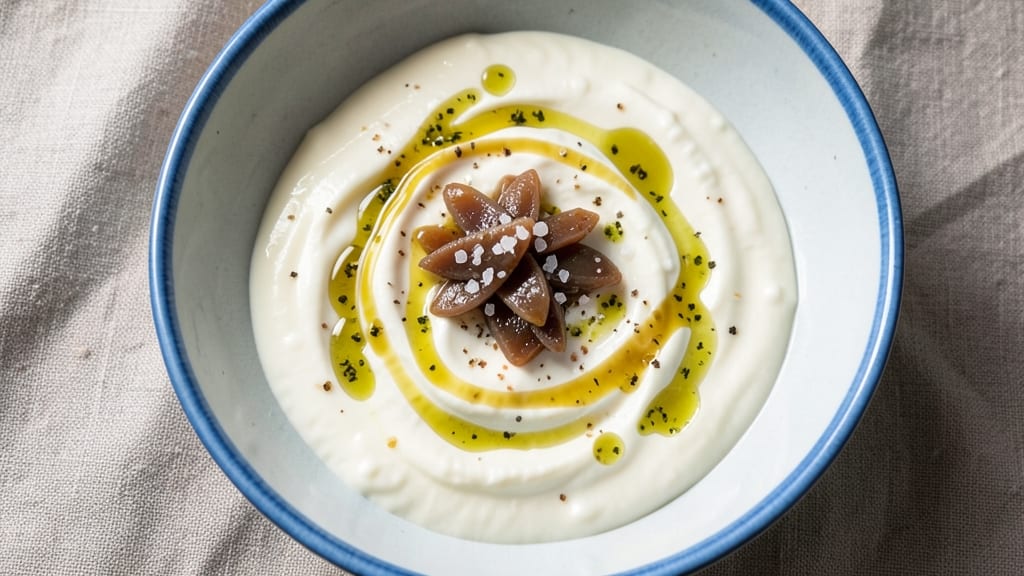
This Greek salad dressing with Dijon mustard transforms simple greens into a restaurant-worthy dish. The tangy-anchovy velvety base gains depth from Dijon's sharp bite, creating a sauce that clings perfectly to cucumbers, tomatoes, and feta.
I developed this recipe after years of perfecting the balance between briny anchovies, creamy yogurt, and mustard's signature kick—it's the secret weapon behind my favorite Greek salads.
The magic happens in the emulsification process where Dijon mustard acts as both flavor enhancer and natural emulsifier, ensuring the dressing stays silky smooth without separating. With just 6 simple ingredients, this dressing delivers complex Mediterranean flavors that work beautifully on Greek salads, grilled meats, or even as a marinade.
The anchovies provide that authentic umami depth that sets this apart from basic vinaigrettes.
What makes this dressing truly special is its versatility—use it immediately for vibrant salads or store it for up to 5 days in the refrigerator. The mustard's sharpness mellows slightly over time, allowing other flavors to shine while maintaining that perfect tang.
Each tablespoon delivers a burst of Mediterranean character that transforms ordinary ingredients into something extraordinary.
The dressing's creamy yet bright profile makes it ideal for pairing with grilled chicken, lamb, or even as a dip for warm pita bread. Its balanced flavor profile ensures it won't overpower delicate greens while adding just the right amount of complexity to any dish.
Let's create this flavorful dressing that will elevate your meals to new heights.
Ingredients for greek salad dressing recipe with dijon mustard
Six ingredients, Mediterranean magic—this dressing turns simple salads into restaurant-worthy bites.
| Ingredient | Amount | Notes |
|---|---|---|
| Plain Greek Yogurt 🥛 | ½ cup | Full-fat for creaminess |
| Anchovy Fillets 🐟 | 4 whole | High-quality, oil-packed |
| Dijon Mustard 🌶️ | 1 tbsp | Mild or regular strength |
| Extra-Virgin Olive Oil 🫒 | ½ cup | Fruity, peppery variety |
| Fresh Lemon Juice 🍋 | 1 ½ tbsp | From 1 small lemon |
| Diamond Crystal Kosher Salt 🧂 | ½ tsp | Adjust to taste |
The yogurt is non-negotiable here—full-fat Greek yogurt gives that velvety texture, while non-fat turns it thin and watery. I grab Fage 5% plain from the grocery store's refrigerated section, but any good-quality brand works. Anchovies? Oil-packed fillets from the Mediterranean aisle have the best flavor—skip the canned ones. Dijon mustard should be smooth, not grainy, and Maille or Amora are my go-tos. The olive oil matters too—Kalamata or Ligurian varieties add fruity depth that cheap oil can't match.
No anchovies? Two teaspoons of anchovy paste works in a pinch, but you'll lose that briny texture. Mustard too strong? Mix with a teaspoon of honey to mellow it out. Short on lemon juice? Substitute with apple cider vinegar, but reduce to 1 tablespoon and add a pinch of sugar. The dressing emulsifies best when ingredients are at room temperature—let everything sit out for 10 minutes before mixing. And trust me, measure that mustard carefully—too much and it'll overpower the delicate flavors.
This dressing keeps beautifully—5 days in the fridge sealed in a jar. Stir before each use since the mustard can settle. For longer storage, freeze in ice cube trays—each cube makes a perfect single serving. The flavor actually improves after a day or two as the mustard's sharpness mellows. I always make extra—it disappears fast on grilled lamb chops or drizzled over warm pita bread with hummus.
Why You'll Love This Recipe
- Five-Ingredient Magic: I swear by this combo—just yogurt, anchovies, mustard, oil, and lemon. No fancy gadgets, no stress, and honestly, I’ve made it blindfolded (okay, maybe not, but you get the point).
- Umami Bomb: That anchovy fillet? Tiny but mighty. It turns tangy yogurt into something rich and complex—like a Mediterranean hug in a jar. The Dijon mustard just takes it to another level with a sharp, punchy kick.
- Weeknight Hero: Slather it on grilled chicken, toss it with roasted veggies, or drizzle it over warm pita. I’ve used it for everything from lazy weeknight dinners to last-minute charcuterie boards—it’s my go-to when I don’t want to overthink things.
- No-Waste Winner: A little goes a long way, so I make a big batch and store it in the fridge. That jar lasts me at least a week, and the leftovers? Perfect for quick salads or even as a dip for crudités. Budget-friendly and zero guilt.
Step-by-step instructions for Greek salad dressing with Dijon mustard
This tangy, umami-rich dressing comes together in minutes with just a few simple steps.
Prepare the Anchovy Base
Place the 4 whole anchovy fillets in a small bowl and cover them with 1 tablespoon of the extra-virgin olive oil. Let them soak for 5 minutes at room temperature. This allows the anchovies to soften and release their deep, salty flavor into the oil without overpowering the dressing.
While they soak, take a fork and gently mash the anchovies against the side of the bowl, breaking them into tiny pieces. You want them to dissolve completely into the oil—this creates the velvety, savory foundation of your dressing. Don't worry if it looks like too much; the yogurt and lemon will balance the intensity beautifully.
Whisk Yogurt and Mustard
In a medium bowl, combine the 0.5 cup plain Greek yogurt and 1 tablespoon Dijon mustard. Using a whisk, blend them together until smooth and fully incorporated. The yogurt should thicken slightly, and the mustard will create a subtle, tangy depth that pairs perfectly with the anchovy's saltiness.
Here's where the magic happens: the mustard acts as an emulsifier, helping the oil and yogurt blend seamlessly later. If you notice any lumps, press the mixture through a fine-mesh sieve to ensure a silky texture. This step is crucial for preventing separation down the line.
Combine and Emulsify
Add the anchovy-infused oil to the yogurt mixture, along with the 1.5 tablespoons fresh lemon juice and 0.5 teaspoon Diamond Crystal kosher salt. Using a hand mixer or whisk, blend everything together on low speed for 30 seconds, then gradually increase to medium-high for another 1-2 minutes. You're looking for a thick, velvety consistency—like a cross between a vinaigrette and a creamy dressing.
The key is patience. If the dressing starts to look too thick, add 1 teaspoon of water at a time until it reaches a pourable consistency. Conversely, if it's too thin, let it sit for 5 minutes to thicken naturally. The dressing should coat the back of a spoon but still flow smoothly when drizzled.
Rest and Adjust
Transfer the dressing to a clean jar and let it rest at room temperature for 10-15 minutes. This resting period allows the flavors to meld and the texture to stabilize. Give it a taste now—you might find it needs a touch more salt or lemon to balance the anchovy's saltiness.
If it needs adjusting, add salt or lemon juice 1/8 teaspoon at a time, tasting as you go. The dressing should be tangy, briny, and just slightly sweet from the lemon. Seal the jar and refrigerate for up to 5 days, giving it a shake before each use to re-emulsify. This dressing elevates any Greek salad, adding a rich, umami depth that pairs perfectly with ripe tomatoes, crisp cucumbers, and salty feta.
Pro Tips For Making Greek Salad Dressing Recipe With Dijon Mustard
- Blend Anchovies First: Toss the anchovy fillets into the blender before adding anything else—it dissolves them completely instead of leaving fishy chunks. I used to add them last, and half the time, I’d taste a surprise anchovy in every bite.
- Use Cold Yogurt: Grab the Greek yogurt straight from the fridge—room temperature thickens it too much, and the dressing turns grainy. Cold yogurt blends smoother and keeps the texture light, which is what you want for drizzling.
- Salt the Mustard: Sprinkle a pinch of salt into the Dijon before blending—it balances the sharpness and cuts through the richness of the olive oil. I learned this the hard way after making a batch that tasted like straight mustard punch.
- Thin Gradually: Start with just the lemon juice and olive oil, then add more oil slowly while tasting—you can always add more, but you can’t take it out. The anchovies and mustard pack a punch, so don’t drown them too fast.
Make-ahead tips for leftovers
Prep Ahead Strategy
Make this dressing 24 hours in advance for the best flavor development. The Dijon mustard's sharpness mellows slightly over time, allowing the anchovy's umami and lemon's brightness to truly shine.
I always prepare mine the night before—it's one less thing to do the next day, and the flavors become even more complex. Store it in an airtight glass jar in the refrigerator to maintain freshness. 🥫
Portioning for Convenience
Divide the dressing into small, reusable containers (like 4-ounce glass jars) before storing. This way, you can grab just what you need for a salad without worrying about leftovers.
I use Le Parfait glass containers because they're sturdy and microwave-safe if you want to gently warm the dressing for dipping. Label each container with the date—this helps track freshness since it keeps well for 5 days in the fridge.
Freezing for Long-Term Use
For longer storage, freeze the dressing in ice cube trays. Each cube makes a perfect single serving—just thaw in the fridge overnight. The texture remains creamy when thawed properly, though it may separate slightly.
Give it a quick whisk before using. I keep a stash of these in my freezer for spontaneous meals or when I forget to make fresh dressing. 🧊
Room-Temp Prep Shortcut
Let all ingredients sit at room temperature for 10 minutes before mixing to prevent separation. Cold ingredients can cause the dressing to curdle. I often prep everything the night before and let it sit on the counter while I sleep—it's ready to whisk together in the morning.
This small step makes a huge difference in texture and emulsification.
Double Batch for Versatility
Make double the recipe and store half in the fridge for salads, reserving the other half in the freezer for later. The extra dressing works perfectly as a marinade for grilled lamb chops or a dip for warm pita bread.
I've even used it as a base for creamy soups—just thin it with a little broth. The versatility makes it worth the extra effort to make more.
Shake Before Serving
Always give the dressing a gentle shake before using, especially if it's been stored for more than a day. The mustard and yogurt can separate slightly over time, but a quick shake re-emulsifies it beautifully.
For extra insurance, add 1 teaspoon of water and whisk vigorously if it looks too thick. This keeps the texture silky smooth every time. 💫
Nutrition facts
Frequently asked questions
Can I substitute Dijon mustard with another type?
While Dijon is ideal for its smooth texture and mild heat, you can use 1 tablespoon of whole-grain mustard in a pinch—but strain it first to avoid graininess. For a milder flavor, try 1 teaspoon of honey mixed with 1 tablespoon of regular mustard. Avoid spicy brown mustard, as it can overpower the delicate balance of this dressing.
Why does my dressing separate after refrigeration?
Separation happens when ingredients aren't fully emulsified or if the dressing sits too long before use. Always whisk vigorously for 1-2 minutes and let it rest for 10 minutes before refrigerating. Before serving, give it a gentle shake or whisk with 1 teaspoon of water to restore its creamy texture. The mustard acts as a natural emulsifier, but cold temperatures can still cause slight separation.
How can I make this dressing vegan?
Swap the Greek yogurt for ½ cup full-fat coconut yogurt or a dairy-free alternative like cashew yogurt. Use 1 tablespoon of vegan mayo instead of anchovies for umami depth, or add 1 teaspoon of nutritional yeast for a cheesy note. The rest of the recipe stays the same—just ensure your mustard is vegan-certified.
Can I use this dressing on non-salad dishes?
This versatile dressing works beautifully as a marinade for grilled chicken or lamb, a dip for warm pita or falafel, or even a creamy base for soups. Its tangy-anchovy profile pairs well with Mediterranean flavors, so