
Sauces & Condiments
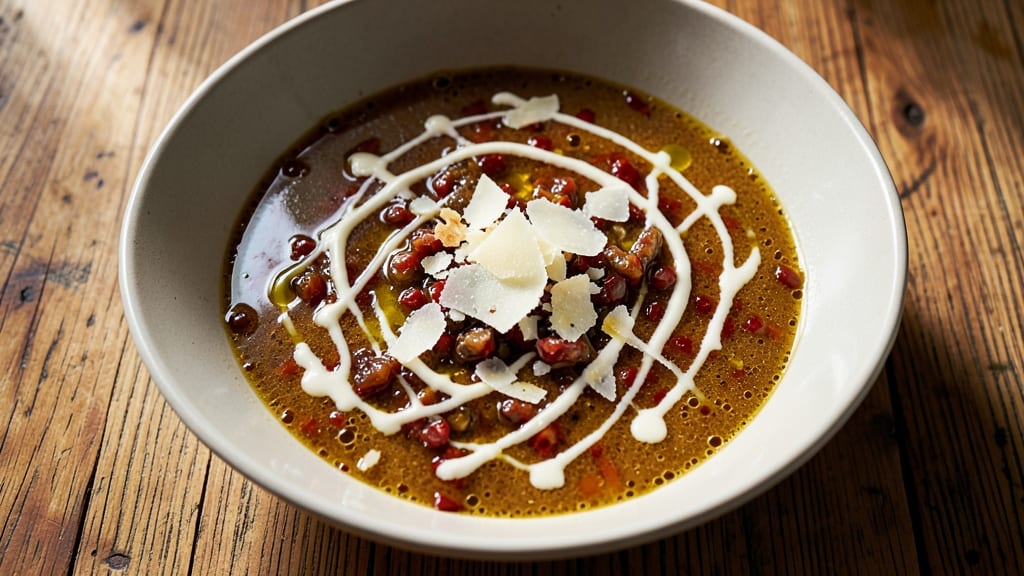
This Filipino-style kani salad dressing transforms ordinary salads into vibrant, umami-packed masterpieces with its signature tangy-savory balance. The secret lies in a bold blend of fermented anchovies (kani), parmesan cheese, and a tangy vinegar base that cuts through rich ingredients while amplifying their natural flavors.
What makes this dressing truly special is how it bridges traditional Filipino flavors with Western salads—creating a condiment that's as versatile as it is deeply flavorful.
The foundation of this dressing is built on simple yet powerful ingredients: vinegar for brightness, soy sauce for depth, anchovies for that unmistakable umami punch, and parmesan for a creamy, salty finish.
Unlike many store-bought dressings, this one doesn’t rely on artificial thickeners or preservatives—just a smooth emulsion that clings beautifully to greens, proteins, or even grilled vegetables. The result? A dressing that’s rich, complex, and addictively tangy, perfect for elevating everything from simple garden salads to hearty seafood dishes.
What sets this recipe apart is its long shelf life—when stored properly, it keeps for weeks in the refrigerator, making it an ideal pantry staple.
The dressing’s versatility shines in its ability to complement both fresh and cooked ingredients, whether drizzled over a crisp Caesar salad, tossed with grilled shrimp, or used as a marinade for meats.
The key to its success lies in balancing the sour, salty, and umami notes, ensuring every bite delivers a harmonious burst of flavor that’s distinctly Filipino yet universally appealing.
Ready to elevate your salads with a dressing that’s as impressive as it is easy to make? This recipe delivers restaurant-quality results with minimal effort, proving that bold flavors don’t require complicated techniques. Let’s dive into the ingredients and instructions—your taste buds will thank you.
Ingredients for kani salad dressing recipe filipino style
Nine essential ingredients blend to create this Filipino-inspired dressing with umami depth and tangy brightness.
| Ingredient | Amount | Notes |
|---|---|---|
| Filipino Anchovy Fillets (Kani) 🐟 | ½ oz | Packed in oil, drained well |
| Extra-Virgin Olive Oil 🫒 | ½ cup | High-quality, fruity variety |
| White Vinegar 💧 | ¼ cup | Distilled preferred for clarity |
| Parmesan Cheese 🧀 | ½ cup | Freshly grated, fine texture |
| Soy Sauce 🥄 | 1 tbsp | Light or regular, not reduced |
| Garlic Cloves 🧄 | 2 cloves | Minced fine for smooth texture |
| Fresh Lemon Juice 🍋 | 1 tbsp | Freshly squeezed, no pulp |
| Diamond Crystal Kosher Salt 🧂 | ½ tsp | Fine grain for even dissolving |
| Ground Black Pepper 🌶️ | ¼ tsp | Freshly ground for aroma |
| Cane Sugar 🍬 | 1 tsp | Or substitute maple syrup |
The heart of this dressing lies in its Filipino anchovy fillets, which deliver unmistakable umami. Look for packed-in-oil varieties at Asian markets or well-stocked grocery stores—they're more flavorful than dried anchovies. Trader Joe's often carries them, or check the international aisle. The Parmesan should be freshly grated from a block; pre-shredded contains anti-caking agents that prevent proper emulsification. For the vinegar, distilled white vinegar provides the cleanest tang, though apple cider vinegar adds subtle sweetness if preferred. The olive oil matters here too—opt for extra-virgin with fruity notes to complement the dressing's complexity.
No anchovies? High-quality fish sauce (1 tsp) or soy sauce (1 extra tbsp) can mimic the umami, though the texture will differ. Substituting the Parmesan? Nutritional yeast (1 tbsp) plus extra lemon juice provides a cheesy tang without dairy. For vinegar alternatives, rice vinegar or balsamic vinegar work, though the flavor profile shifts slightly. The garlic can be omitted if you prefer milder flavor, but it's worth the minute to mince it finely for a silky dressing. If you're sensitive to sodium, reduce the soy sauce and salt by half—though the dressing's bold flavors can handle the full amounts.
This dressing emulsifies beautifully and keeps for up to 3 weeks in an airtight container in the fridge. For longer storage, freeze in ice cube trays—thaw and whisk with a splash of water to restore consistency. The dressing thickens when chilled, so give it a quick whisk before each use. A small amount of xanthan gum (1/8 tsp) can be added if you prefer a thicker consistency, though the original recipe relies on natural emulsification from the anchovies and Parmesan. Store any unused anchovies in their oil in the fridge for up to 2 months—the oil preserves their flavor beautifully.
Why You'll Love This Recipe
- Five-Ingredient Magic: I swear, this dressing comes together faster than I can say "sabayan." Just toast the kani fillets until they’re crispy—no fancy techniques, just a hot pan—and blend them with olive oil, vinegar, soy sauce, and grated parmesan. Honestly, the hardest part is waiting for the aroma to fill your kitchen.
- Umami Bomb: That first bite of kani—salty, briny, with a hint of smoky sweetness—is what makes this dressing dangerously good. The soy sauce and parmesan deepen the flavor, so it’s rich but still bright, like a Filipino comfort hug in a jar.
- Salad Game-Changer: Between us, this isn’t just for salads. Drizzle it over grilled chicken, toss it with steamed veggies, or even use it as a marinade for fish. My lazy Sundays now involve throwing this on whatever’s in the fridge—no rules, just flavor.
- Budget Bright Spot: A jar of kani fillets lasts me weeks, and the rest of the ingredients? Pantry staples. I make a big batch, store it in the fridge, and suddenly, every meal feels like a restaurant dish without breaking the bank. Plus, leftovers? They taste better the next day.
Step-by-step instructions for Filipino-style kani salad dressing
Master this umami-rich dressing with a perfect balance of tangy, salty, and sweet notes.
Prepare the Anchovy Base
In a small saucepan, combine the 0.5 oz Filipino Anchovy Fillets (Kani) and 0.5 cup Extra-Virgin Olive Oil over low heat. Let the anchovies melt completely, stirring gently with a silicone spatula. This process should take about 3-4 minutes—you'll notice the oil take on a deep golden hue and develop an intense savory aroma.
Here's the thing—don't rush this step. The anchovies need to fully dissolve into the oil to create that signature Filipino umami depth. If you see any remaining anchovy pieces, continue heating until they're completely incorporated. Once fully melted, remove the saucepan from heat and let the mixture cool slightly for 2 minutes—this prevents overheating when you add the vinegar later.
Build the Tangy Foundation
While the anchovy mixture cools, transfer it to a blender or food processor along with the 0.25 cup White Vinegar, 1 tbsp Soy Sauce, 1 tbsp Fresh Lemon Juice, 1 tsp Cane Sugar, 0.5 tsp Diamond Crystal Kosher Salt, and 0.25 tsp Ground Black Pepper. The vinegar will create a sharp contrast to the rich anchovy flavor, while the sugar and lemon juice balance the acidity.
Blend until completely smooth, scraping down the sides as needed. You're aiming for a silky, homogeneous texture without any graininess. This is where the dressing's signature complexity develops—the combination of salty, sweet, tangy, and umami elements. Taste the mixture at this stage—it should be noticeably acidic with a strong anchovy presence, but not yet fully balanced.
Incorporate the Garlic and Parmesan
Add the 2 cloves Garlic Cloves (pre-minced) to the blender and pulse briefly to combine. The garlic should be fully incorporated but still retain its aromatic qualities. With the blender running on low speed, slowly drizzle in the 0.5 cup Parmesan Cheese while blending continuously. This gradual addition prevents the cheese from clumping and ensures an even distribution throughout the dressing.
Here's a pro tip: For the smoothest texture, use freshly grated Parmesan. Pre-shredded cheese often contains anti-caking agents that can make the dressing grainy. Blend for an additional 10-15 seconds after adding the cheese to ensure everything is perfectly emulsified. The dressing should now have a velvety consistency with a rich, nutty cheese flavor complementing the anchovy.
Emulsify and Adjust Seasoning
Transfer the dressing to a clean bowl and whisk vigorously for 1-2 minutes until it thickens slightly and achieves a glossy sheen. This emulsification step is crucial—it creates that signature creamy texture that makes this dressing so special. If the dressing separates at any point, simply whisk it back into emulsion.
Taste and make final adjustments: If it needs more acidity, add a splash of the white vinegar (up to 1 teaspoon). For extra umami, you can add a pinch more soy sauce or a tiny bit more of the anchovy mixture. The dressing should now have a perfect balance of tangy, salty, sweet, and savory notes with a luxurious mouthfeel. Let it rest for 5 minutes before using to allow all the flavors to meld completely.
Use Immediately or Store Properly
This dressing is best used fresh, but it will keep in the refrigerator for up to 5 days when stored in an airtight container. Before using, give it a good stir as the oil may separate slightly during storage. The dressing works beautifully on Filipino salads like ginataang gulay, fresh vegetable salads, or even as a drizzle for grilled meats.
Real talk: This dressing transforms ordinary salads into something extraordinary. The key to its success lies in the balance of flavors and the proper emulsification. Don't be afraid to taste as you go—your palate will guide you to that perfect harmony of ingredients. Once you master this technique, you'll have a dressing that's as versatile as it is delicious.
Pro Tips For Making Kani Salad Dressing Recipe Filipino Style
- Toast the Kani: Pop those anchovy fillets in a dry pan over medium heat for 30 seconds per side until they just start to curl at the edges. This deepens their umami punch—no need to burn them, just warm them up. I used to skip this, and the dressing always tasted flat.
- Whisk, Don’t Shake: Use a fork or whisk to emulsify the olive oil and vinegar, not a jar. Vigorous stirring for 30 seconds breaks the oil into tiny droplets that cling to the dressing instead of separating. I learned this after watching my first batch split like oil and water.
- Grate Parmesan Fresh: Skip the pre-shredded cheese—it’s coated with anti-caking agents that make the dressing grainy. Use a microplane or fine grater right before mixing, and add just 1 tablespoon. Trust me, the texture changes everything.
- Balance the Soy: Start with ½ teaspoon soy sauce, taste, then add more in tiny increments. Too much turns the dressing bitter, but too little makes the umami feel weak. I now keep a squeeze bottle nearby to adjust drop by drop.
Troubleshooting perfect results
Anchovies Not Dissolving
If your anchovies aren't melting smoothly into the oil, you're likely cooking them too quickly. Use low heat and stir constantly with a silicone spatula—this prevents burning and ensures complete dissolution. I've found that Filipino anchovies packed in oil melt best when heated gently for 3-4 minutes.
If you see any remaining pieces, reduce the heat further and continue stirring until fully incorporated. 🌡️
Dressing Too Thin
A thin dressing usually means the emulsion broke or you didn't incorporate enough Parmesan. For a thicker consistency, whisk in an extra 1 tablespoon of freshly grated Parmesan and let it sit for 5 minutes to thicken naturally.
If it's still too thin, blend in 1/8 teaspoon xanthan gum with a splash of water to stabilize it. The key is gradual emulsification—don't rush this step.
Grainy Texture Issues
Graininess often comes from pre-shredded cheese or improper blending. Always use freshly grated Parmesan (no anti-caking agents) and blend on high speed for 10-15 seconds after adding it.
For extra smoothness, strain the dressing through a fine-mesh sieve before storing. I also recommend using a high-powered blender like a Vitamix to ensure a silky texture.
Separation After Storage
Oil separation is normal when storing emulsified dressings. Simply whisk vigorously for 1-2 minutes to re-emulsify before use. If it's stubborn, add 1 teaspoon water and whisk again.
To prevent future separation, store in a glass jar (not plastic) and press a piece of parchment paper directly on the surface to minimize air exposure. The dressing should stabilize within 10 minutes of whisking.
Overpowering Anchovy Flavor
If the anchovy taste dominates, balance it with more acidity. Add 1 extra teaspoon of white vinegar or 1/2 teaspoon of lemon juice to brighten the dressing. For a milder flavor, reduce the anchovies to 0.25 oz next time and compensate with 1 extra teaspoon of Parmesan.
Taste as you go—this dressing should have a harmonious blend of all flavors, not just umami.
Vinegar Overwhelming
Too much vinegar creates an unbalanced tartness. Fix it by adding 1/2 teaspoon of cane sugar or 1 teaspoon of freshly grated Parmesan to round out the flavors. If the dressing still tastes too sharp, a pinch of soy sauce (about 1/4 teaspoon) adds saltiness to balance the acidity.
Always taste after each adjustment—your palate is the best guide here. 💡
Nutrition facts
Frequently asked questions
Can I make this dressing without anchovies?
Yes! For a vegetarian version, replace the 0.5 oz anchovies with 1 tbsp soy sauce plus 1 tsp fish sauce substitute (like vegan fish sauce or extra soy sauce). For a milder flavor, use 1 tbsp nutritional yeast instead. The umami will be less intense but still present—just adjust other seasonings to taste.
How long does this dressing keep in the fridge?
This dressing stays fresh for 3-5 days when stored in an airtight glass jar in the refrigerator. For longer storage, freeze in 1-tbsp portions—thaw overnight in the fridge and whisk with a splash of water to restore consistency. The vinegar and oil base help preserve it naturally.
What's the best way to use this dressing?
This versatile dressing works beautifully on Filipino salads like ginataang gulay, fresh mango or papaya salads, or grilled seafood. It also makes an excellent marinade for chicken or pork—just reduce the vinegar slightly to prevent over-tenderizing. For extra richness, drizzle over crispy fried rice or toss with cucumber slices.
Why does my dressing separate after making it?
Separation happens when the emulsion breaks, usually from insufficient blending or sudden temperature changes. Whisk vigorously for 1-2 minutes to re-emulsify. For a smoother texture next time, blend the Parmesan and oil mixture for an extra 10 seconds and avoid adding cold ingredients to hot ones. A handheld immersion blender works best for this step.
Can I make this dressing spicier?
Add 1/4 tsp ground chili flakes or 1/2 tsp sriracha to the blender before final blending. For heat with depth, blend in 1 tsp finely chopped siling labuyo (Filipino chili) along with the garlic. Adjust to taste—start small, as spices intensify during storage.