
Sauces & Condiments
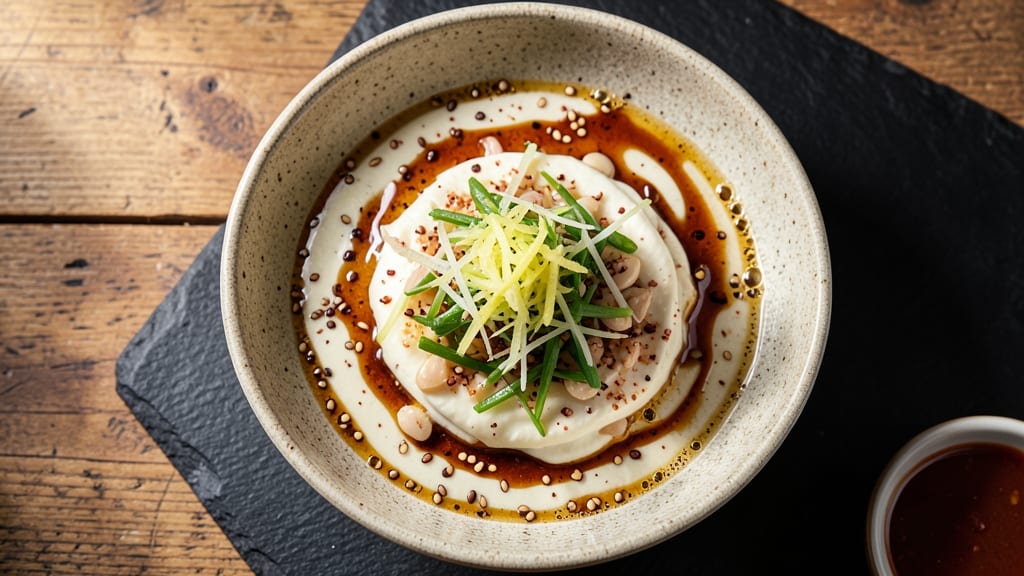
This Asian pasta salad dressing recipe transforms ordinary pasta into a vibrant, umami-packed dish with just a few simple ingredients. The perfect balance of sesame oil, soy sauce, and rice vinegar creates a silky, flavorful dressing that clings beautifully to noodles and vegetables.
I developed this recipe after realizing how much better pasta salads taste when infused with authentic Asian flavors—no bland, store-bought dressing needed.
The secret lies in the combination of toasted sesame oil for nutty depth, fresh ginger for a zesty kick, and a touch of garlic for complexity. Unlike heavy creamy dressings, this version is light yet rich, with just enough acidity to brighten the flavors.
It takes less than 5 minutes to whisk together, making it ideal for quick meal prep or last-minute salads. The dressing stays fresh in the fridge for up to a week, so you can make a big batch and use it all week.
What makes this dressing truly special is its versatility—it works equally well with cold or warm pasta, adding a bold Asian twist to everything from spaghetti to soba noodles. The umami-packed profile enhances any protein or vegetable you add, while the subtle sweetness of rice vinegar keeps the flavors harmonious.
Whether you're serving it at a potluck or packing it for lunch, this dressing will elevate your pasta salad to restaurant-quality.
For extra depth, consider adding a splash of chili oil or a sprinkle of sesame seeds before serving. The dressing thickens slightly when chilled, so give it a quick stir before using. This recipe is your ticket to a flavor-packed pasta salad that’s anything but boring—let’s get started!
Ingredients for asian pasta salad dressing
Nine simple ingredients that transform bland pasta into restaurant-quality Asian fusion.
| Ingredient | Amount | Notes |
|---|---|---|
| Toasted Sesame Oil 🫒 | ¼ cup | High-quality, nutty aroma |
| Rice Vinegar 🍶 | ⅓ cup | Unseasoned variety preferred |
| Low-Sodium Soy Sauce 🍶 | ¼ cup | Kikkoman or San-J preferred |
| Fresh Ginger 🌿 | 1 tbsp | Finely grated, fresh only |
| Garlic Cloves 🧄 | 2 cloves | Minced, fresh preferred |
| Sesame Seeds 🌾 | 1 tbsp | Toasted for extra flavor |
| Honey 🍯 | 1 tbsp | Or agave for vegan option |
| Sesame Paste 🌶️ | 1 tbsp | White or light variety |
| Ground Black Pepper 🌶️ | ¼ tsp | Freshly cracked preferred |
| Water 💧 | ¼ cup | Room temperature |
The sesame oil is non-negotiable here—Kadoya or La Choy are my go-tos, but any brand with a strong nutty aroma works. Grab the toasted variety if you can find it; it adds an extra depth. Fresh ginger is a must (no powdered substitutes), and I always buy it from the Asian market where it stays vibrant longer. The garlic should be fresh too—pre-minced from jars lacks punch. For soy sauce, Kikkoman or San-J are reliable, but any low-sodium brand works. Pro tip: Toast your sesame seeds in a dry pan for 30 seconds before adding to the dressing—worth the extra minute.
No sesame oil? Avocado oil or grapeseed oil at half the amount gets you close, though you'll miss the nutty depth. Substituting honey? Maple syrup or agave works 1:1, but honey's subtle floral notes are ideal. Fresh ginger not available? Powdered ginger at one-third the amount, but it's noticeably different. The dressing thickens when chilled, so adjust the water slightly if it's too thick—add a splash more. For extra heat, add a dash of chili oil or a pinch of red pepper flakes. Want it sweeter? Add another teaspoon of honey.
This dressing keeps beautifully in the fridge for up to 1 week, though it tastes best within 3-4 days. Store it in a glass jar with a tight seal—plastic can absorb odors. Before using, give it a quick whisk or stir, as it thickens slightly when chilled. For meal prep, double the batch and store in two separate containers—one for salads, one for marinades. Freezes for up to 3 months if you want to make a big batch ahead of time. The flavors actually deepen after a day in the fridge, so plan accordingly.
Why You'll Love This Recipe
- Five-Ingredient Magic: I swear by this combo—just toasted sesame oil, rice vinegar, a splash of soy sauce, and fresh ginger/garlic. No measuring cups, no stress, just toss everything in a jar and shake. That’s it.
- Umami Bomb: The garlic and ginger sizzle in my pan for 30 seconds, then the toasted sesame oil hits—boom. Salty, sweet, and a little funky, like a wake-up call for your taste buds. Honestly, it’s the kind of flavor that makes me pause mid-bite.
- Picnic to Potluck: This dressing turns sad pasta into a star at any gathering. Drizzle it over cold noodles for a quick lunch, toss it with veggies for a potluck bowl, or even use it as a marinade for grilled chicken. It’s my secret weapon when I don’t want to cook.
- Zero-Waste Winner: Make a double batch—it keeps for a week in the fridge and costs pennies per serving. Leftovers? Just stir and reuse. Between us, I’ve used this dressing on takeout noodles, stir-fries, and even as a dip. Versatile enough to eat it for breakfast.
Step-by-step instructions for Asian pasta salad dressing
Here's how to blend bold Asian flavors into a dressing that elevates any pasta salad.
Toast the Sesame Seeds for Depth
Heat a dry skillet over medium-low heat and add the 1 tablespoon sesame seeds. Toast them for 2-3 minutes, stirring constantly, until they turn a rich golden brown and release their nutty aroma. This step creates the foundation for your dressing's complex flavor profile.
Watch closely—they'll darken quickly. As soon as they smell toasty and look fragrant, remove them from heat and transfer to a small bowl. Let them cool completely before using, about 5 minutes. The toasted seeds will add both texture and aroma to your dressing, making it taste far more authentic than store-bought versions.
Blend the Base Ingredients Smoothly
In a blender, combine the 0.25 cup toasted sesame oil, 0.33 cup rice vinegar, 0.25 cup low-sodium soy sauce, 1 tablespoon honey, and 0.25 cup water. Start with the liquid ingredients first—they'll create the base that everything else blends into.
Blend on medium speed for 10-15 seconds until completely smooth. The mixture should look like a light golden liquid with no visible streaks. This base provides the perfect balance of sweet, tangy, and umami flavors that define Asian dressings. If you're using agave instead of honey, the flavor will be slightly less sweet but still delicious.
Add the Aromatics and Emulsify
Add the 1 tablespoon sesame paste, 1 tablespoon fresh ginger, 2 cloves garlic cloves, and 0.25 teaspoon ground black pepper to the blender. The sesame paste will thicken the mixture slightly, while the ginger and garlic add their signature zing.
Blend again for 20-30 seconds until completely smooth. You might need to scrape down the sides once to ensure everything incorporates evenly. The dressing should now have a thick, creamy consistency with a vibrant golden hue. If it looks too thick, add 1 teaspoon water at a time until it reaches a pourable consistency—it should coat the back of a spoon but still flow easily.
Finish with Toasted Sesame Seeds
Transfer the dressing to a clean jar or bowl. Stir in the toasted sesame seeds you prepared earlier. These seeds add both visual appeal and a delightful crunch that contrasts beautifully with the smooth dressing. The seeds should be evenly distributed throughout.
Let the dressing sit for 10 minutes before using. This resting time allows the flavors to meld together perfectly. The dressing will keep well in the refrigerator for up to 1 week, making it perfect for meal prep. Give it a taste and adjust the seasoning if needed—add a bit more soy sauce for saltiness or honey for sweetness to suit your preference.
Pro Tips For Making Asian Pasta Salad Dressing
- Mince That Ginger Fine: I learned this the hard way—peeling and chopping ginger into big chunks just doesn’t cut it in this dressing. Use a microplane or the smallest blade of your food processor to turn it into a paste. This releases the flavor fully and blends seamlessly, no lingering texture to fight with your garlic.
- Warm the Sesame Oil: Toasted sesame oil is meant to be toasted—don’t just pour it in cold. Heat 1 tablespoon in a small pan over medium-low until it shimmers (about 30 seconds), then let it cool before adding to the dressing. This deepens its nutty aroma and prevents that "raw oil" aftertaste that ruins the balance.
- Balance the Soy Early: Taste your dressing before adding the full soy sauce. Start with half the recommended amount—low-sodium soy is sneaky, and you’ll end up with a flat, salty mess if you overdo it. You can always add more later, but you can’t unsalt a dressing.
- Grate the Garlic Raw: Skip the sautéing. Freshly grated garlic (no need to peel) adds a bright, clean punch that holds up in the dressing. Pulse it in a food processor for 3 seconds—just until it’s a fine paste, not a pulp. This avoids that cooked-onion bit and keeps the flavor sharp.
Regional styles of this recipe
Japanese-Inspired Sesame Dressing
For a lighter, more delicate flavor profile, lean into traditional Japanese techniques. Use mirin (2 tablespoons) instead of honey for a subtle sweetness, and replace rice vinegar with unseasoned white miso paste (1 tablespoon).
Add 1 teaspoon grated daikon radish for a refreshing crunch. This version pairs beautifully with udon or soba noodles and fresh vegetables like shredded cucumber and edamame. 🌿
Thai-Inspired Chili-Lime Dressing
Transform this into a bold Thai-inspired dressing by swapping soy sauce for fish sauce (2 tablespoons) and adding 1 tablespoon lime juice, 1 teaspoon lime zest, and 1 teaspoon red curry paste. Use toasted coconut oil instead of sesame oil for a tropical twist.
This version works wonderfully with rice noodles, chicken, and bell peppers. The lime brightens the flavors while the curry paste adds a smoky depth.
Korean-Inspired Gochujang Dressing
For a spicy, fermented kick, incorporate 1 tablespoon gochujang (Korean chili paste) and 1 teaspoon toasted sesame seeds into the base. Replace honey with 1 tablespoon brown sugar for a caramelized note.
This dressing shines with cold ramen noodles, kimchi, and sliced carrots. The gochujang adds a rich, slightly sweet heat that balances the tangy rice vinegar beautifully. 🌶️
Vietnamese-Inspired Nuoc Cham Dressing
Create a lighter, herb-forward dressing inspired by nuoc cham, Vietnam’s classic dipping sauce. Replace soy sauce with fish sauce (2 tablespoons) and add 1 tablespoon fresh cilantro, 1 tablespoon fresh mint, and 1 teaspoon sugar.
Use rice vinegar and a splash of lime juice for brightness. This works perfectly with vermicelli noodles, shrimp, and bean sprouts. The herbs add a fresh, aromatic twist.
Chinese-Inspired Peanut Dressing
For a nutty, creamy variation, stir in 2 tablespoons peanut butter (preferably smooth) and 1 tablespoon soy sauce after blending the base. Add 1 teaspoon sriracha for heat and a pinch of smoked paprika for depth.
This dressing pairs wonderfully with cold spaghetti, chopped peanuts, and shredded cabbage. The peanut butter adds richness while keeping the dressing light and flavorful. 🥜
Taiwanese-Inspired Black Sesame Dressing
Elevate the dressing with 1 tablespoon black sesame paste and a touch of dark soy sauce (1 tablespoon) for a deep, toasty flavor. Add 1 teaspoon grated ginger and 1 teaspoon toasted black sesame seeds for garnish.
This version is perfect with buckwheat noodles, tofu, and bok choy. The black sesame adds an earthy, nutty complexity that’s uniquely Taiwanese. 💫
Nutrition facts
Frequently asked questions
Can I make this dressing without a blender?
Whisk all ingredients together in a bowl until smooth, then use a fork to mash the ginger and garlic until fully incorporated. For extra creaminess, heat the sesame oil and soy sauce mixture gently until warm, then whisk in the remaining ingredients. The texture will be slightly less refined but still delicious.
How do I adjust the dressing for spicier or sweeter preferences?
For extra heat, add ½ teaspoon chili flakes or 1 teaspoon sriracha at the end. For more sweetness, increase honey to 2 tablespoons or add ½ teaspoon sugar. Always taste as you go—this dressing is highly customizable!
Will this dressing work with hot pasta?
Yes, but wait until the pasta cools slightly first. The dressing is designed for room-temperature or cold pasta, but it can work with warm noodles if you toss it immediately after cooking. For best results, let the pasta cool for 10 minutes before adding the dressing to prevent thinning.
Can I use this dressing for other dishes besides pasta salad?
It's perfect for marinating grilled chicken or tofu, drizzling over rice bowls, or even as a dipping sauce for spring rolls. The umami-rich profile works with almost any protein or vegetable. Just reduce the water slightly if using as a marinade to prevent over-saturation.
Why did my dressing separate?
This happens when oil and vinegar aren't properly emulsified. Blend longer (up to 1 minute) or whisk vigorously. For a quick fix, add 1 teaspoon cornstarch mixed with 1 teaspoon water, stir well, and reheat gently if needed. The sesame paste also helps bind ingredients—ensure it's fully dissolved.