
Salads
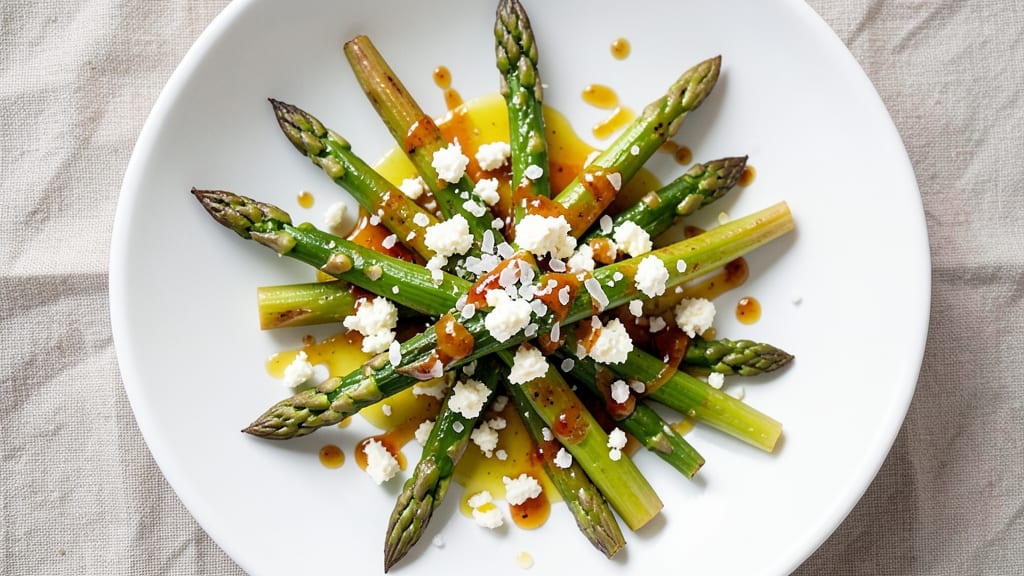
This asparagus feta salad recipe transforms spring's finest ingredient into a vibrant, textured dish that balances crispness, creaminess, and bright acidity.
The secret lies in roasting asparagus until tender-crisp while maintaining its signature snap, then pairing it with salty feta, fresh herbs, and a zesty lemon dressing that cuts through the richness.
I developed this recipe during peak asparagus season when I wanted a salad that felt substantial enough for a main course but light enough for any meal.
The foundation of this salad is the perfect balance between components: roasted asparagus provides hearty texture, feta adds salty creaminess, and the lemon dressing ties everything together with its bright, tangy notes. Toasted nuts or crispy chickpeas can be added for extra crunch, while olives bring briny depth.
What makes this recipe particularly satisfying is how each element plays to its strengths while complementing the others—no ingredient feels out of place.
What you'll end up with is a salad that's as beautiful as it is delicious—vibrant green asparagus spears, crumbly feta, fresh herbs, and a dressing that's both refreshing and complex.
The roasted asparagus maintains its natural sweetness while developing a satisfying crispness, and the feta melts slightly in the dressing, creating pockets of creamy goodness. This is the kind of salad that makes you want to serve it at every gathering, from casual lunches to elegant dinners.
Serve this salad as a light main course with grilled chicken or shrimp, or as a substantial side dish alongside roasted meats. The recipe scales beautifully, making it perfect for everything from intimate lunches to large gatherings. Here's how to create this bright, satisfying dish that celebrates spring's best ingredient.
Ingredients for asparagus salad recipe with feta
Spring's brightest stars: tender asparagus, salty feta, and zesty lemon dressing come together in this vibrant salad.
| Ingredient | Amount | Notes |
|---|---|---|
| Fresh Asparagus 🌱 | 1 ½ lb | Medium spears, trimmed ends |
| Feta Cheese 🧀 | 8 oz | Crumbled, mild or aged |
| Extra-Virgin Olive Oil 🫒 | ⅓ cup | For roasting and dressing |
| Fresh Lemon Juice 🍋 | ¼ cup | Freshly squeezed, strained |
| Honey 🍯 | 2 tbsp | Wildflower preferred |
| Diamond Crystal Kosher Salt 🧂 | 1 ½ tsp | For seasoning and dressing |
| Freshly Ground Black Pepper 🌶️ | ½ tsp | Freshly cracked preferred |
| Red Wine Vinegar 🍷 | 1 tbsp | For dressing acidity |
| Fresh Dill 🌿 | ¼ cup | Chopped, stems removed |
| Fresh Mint 🌿 | ⅛ cup | Chopped, for brightness |
| Toasted Almonds 🥜 | ½ cup | Sliced, for crunch |
| Kalata Olives 🫒 | ¼ cup | Pitted, for briny depth |
The asparagus is everything here. Look for vibrant green spears with tightly closed tips—they'll roast to tender-crisp perfection. I always grab mine from Whole Foods during peak season, but any quality grocer's selection works. For the feta, aged varieties add more depth, but mild feta keeps this balanced. Toast your almonds in a dry pan until golden—3-4 minutes—for that nutty crunch that makes this salad sing. Kalata olives are my go-to for their meaty texture, but any good-quality green olives will work.
No fresh dill? Dried dill at one-third the amount gets you close, though fresh is ideal. Short on honey? Maple syrup works beautifully, though it'll have a slightly different flavor profile. The olive oil matters here—use something with good fruity notes, not the cheap stuff. For the dressing, I always strain the lemon juice to keep it silky smooth. Want to make it ahead? Assemble everything except the dressing until serving—the asparagus stays crisp this way. The olives and nuts can be toasted the night before and stored in an airtight container.
This salad keeps beautifully for 3 days in the fridge, though the asparagus will soften slightly. Store the dressing separately and toss just before serving. The feta stays crumbly if you keep it in its original packaging until ready to use. For a restaurant-worthy touch, serve with a sprinkle of flaky sea salt right before eating. The dressing makes about 1/2 cup, so you'll have leftovers—it's perfect for drizzling on grilled fish or chicken.
Why You'll Love This Recipe
- I’ll be real: most salads turn sad after day one. Not this one. The feta stays creamy, the asparagus holds its crunch, and the dressing just gets better as it marries with the flavors. Zero waste, all win.
- Five-Ingredient Magic: Honestly, I swear by this combo—just asparagus, feta, olive oil, lemon, and honey. That’s it. No fancy chopping, no hidden pantry raids, just fresh ingredients that actually work together.
- Crispy-Creamy Balance: Here’s what sold me—the way the blistered asparagus meets that briny feta, all drizzled with honey and lemon. It’s like a tiny flavor explosion in every bite, and the olive oil ties it all together so smoothly.
- Picnic or Potluck Star: Between us, this salad is my go-to for anything—backyard BBQs, work lunches, or even a last-minute dinner. Toss it in a jar, pack it in a basket, or serve it chilled. It’s unfussy but always impressive.
Step-by-step instructions for asparagus feta salad
This vibrant salad delivers perfect texture contrast—crisp roasted asparagus, creamy feta, and zesty lemon dressing.
Prep and Roast the Asparagus
Preheat your oven to 425°F and line a baking sheet with parchment paper. Trim the tough ends from the 1.5 lb fresh asparagus by bending each spear until it snaps naturally—this ensures clean breaks. Toss the spears with 1 tablespoon of the extra-virgin olive oil and ½ teaspoon of the diamond crystal kosher salt.
Spread the asparagus in a single layer on the baking sheet, leaving space between spears for even browning. Roast for 12-15 minutes until the tips are deep golden brown and the stalks are tender when pierced with a knife. The edges should be slightly crispy—this creates that perfect texture contrast with the creamy feta.
Whisk Together the Zesty Lemon Dressing
While the asparagus roasts, combine 0.25 cup fresh lemon juice, 2 tablespoons honey, 1 tablespoon red wine vinegar, ½ teaspoon freshly ground black pepper, and the remaining 1 tablespoon extra-virgin olive oil in a small bowl. Whisk vigorously for 30 seconds until the honey dissolves completely and the mixture emulsifies into a smooth, glossy dressing.
Taste and adjust seasoning—you want a perfect balance of sweet, tart, and briny. If it needs more acidity, add another ½ teaspoon of lemon juice. If it's too sharp, a touch more honey will mellow the flavors. This dressing is the soul of the salad, so don't rush this step.
Assemble the Salad Components
In a large mixing bowl, combine the roasted asparagus (still warm), 8 oz crumbled feta cheese, 0.25 cup chopped fresh dill, 0.125 cup chopped fresh mint, 0.5 cup toasted almonds, and 0.25 cup pitted kalata olives. Gently toss everything together with a pair of tongs, being careful not to break the asparagus spears.
Here's the thing—you want to maintain that beautiful contrast of textures. The almonds should still have their crisp edges, the olives their firm bite, and the feta its creamy crumble. If you overmix, you'll lose that delightful crunch we're after. Taste a piece of asparagus—it should be warm, slightly charred, and still firm.
Finish with Dressing and Garnish
Pour the lemon dressing over the salad and toss gently but thoroughly to coat everything evenly. The dressing should cling to the asparagus and feta, creating a glossy sheen. If the salad looks dry, add 1-2 teaspoons of water to help the dressing cling better.
Let the salad sit for 5 minutes before serving—this allows the flavors to meld slightly. Garnish with additional fresh dill and fresh mint leaves for that final pop of color and freshness. The contrast of temperatures (warm asparagus with cool dressing) and textures (crisp almonds with creamy feta) makes this salad truly special.
Pro Tips For Making Asparagus Salad Recipe With Feta
- Trim the Tough Ends: I learned this the hard way—peeling asparagus stems is optional, but snapping them off cleanly with your fingers (about 1.5 inches up) saves time and keeps the salad looking polished. The thicker the spear, the more you’ll need to trim—don’t eyeball it.
- Blanch, Don’t Boil: Dive those spears into ice-cold salted water for 1-2 minutes max—they’ll stay bright green and crisp. Overcooking turns them mushy, and nobody wants sad asparagus. Drain immediately and shock in cold water to stop the cooking.
- Crumble the Feta: Skip the fancy crumbles—break it into rough chunks with your hands (about ½-inch pieces). Smaller bits dissolve into dressing, while larger ones give texture. Pat it dry first—wet feta makes the salad soggy, and we’re aiming for balance, not a cheese puddle.
- Dress It Last: Mix the olive oil, lemon juice, and honey first, but toss it with the asparagus just before serving. The acid cuts the feta’s saltiness over time, so waiting keeps the flavors bright. If you’re prepping ahead, store the dressing and feta separately—add them together right before eating.
Common mistakes when making this recipe
Over-Roasting Asparagus
I've made this mistake more than once—roasting asparagus until it's completely limp and mushy. The key is 12-15 minutes at 425°F until the tips are golden but the stalks still have a slight bite.
Check at 12 minutes—if the tips aren't browned, give it another minute. Over-roasting turns the asparagus into a sad, soft mess that loses its natural sweetness and texture contrast. 🌱
Using Old or Wilted Asparagus
Nothing ruins a salad like wilted asparagus. Always choose spears that are bright green with tightly closed tips—they should snap cleanly when bent. If your asparagus starts to wilt before roasting, soak the ends in ice water for 10 minutes to revive them.
Store asparagus upright in the fridge with just the tips peeking out of a glass of water to keep them crisp.
Skipping the Dressing Rest
I used to pour the dressing on immediately and toss, but that's a mistake. The salad needs 5 minutes to let the flavors meld and the dressing absorb slightly. This allows the feta to soften just enough to create creamy pockets while keeping the asparagus warm.
If you're in a hurry, at least let it sit for 2 minutes—you'll notice the difference in texture and flavor balance.
Over-Mixing the Salad
The most common texture mistake is over-tossing, which turns crisp almonds into powder and breaks asparagus spears. Use tongs instead of a fork and mix just until everything is combined.
The goal is to see all components—whole almonds, intact olives, and whole asparagus spears. Think of it like building a salad rather than making a uniform mixture. 🥜
Using Low-Quality Feta
Not all feta is created equal. Pre-shredded feta from the grocery store is often dry and crumbly, lacking the creamy texture we want. Opt for block feta from Mediterranean markets or high-quality brands like Chalk & Cheese.
Crumble it yourself right before serving to maintain its texture. If your feta tastes overly salty, soak it in water for 10 minutes and pat dry before using.
Ignoring the Dressing Balance
The dressing is where most flavor mistakes happen. Too much honey makes it cloying, while too much vinegar makes it harsh. Taste as you go—start with the honey-to-lemon ratio and adjust gradually.
I've ruined salads by forgetting to taste the dressing before tossing. If it needs more acidity, add lemon juice in ¼ teaspoon increments. The dressing should be vibrant, not flat. 🍋
Nutrition facts
Frequently asked questions
Can I make this salad without roasting the asparagus?
You can try raw asparagus, but roasting is key for the best texture contrast. Lightly blanching asparagus in boiling water for 2 minutes then shocking in ice water works as an alternative, though it won't have the same caramelized flavor. The roasting step creates that perfect tender-crisp quality that pairs beautifully with creamy feta.
How do I store leftovers to keep everything crisp?
Store the salad components separately in airtight containers. Keep the roasted asparagus, feta, nuts, and olives in one container and the dressing in another. When ready to serve, toss everything together with fresh dressing. The asparagus will stay crisp for 2 days if stored properly, while the dressing remains fresh for 5 days in the fridge.
What are good protein pairings for this salad?
This salad works beautifully as a light main course with grilled chicken, shrimp, or even smoked salmon. For a vegetarian option, add toasted chickpeas or crumbled halloumi. The bright lemon dressing cuts through richer proteins, while the feta adds salty contrast that balances everything perfectly.
Can I substitute mint if I don't have any?
Yes! Use cilantro or parsley instead—they'll provide a similar fresh, bright note. For a stronger mint flavor, try 1 teaspoon of mint extract (use sparingly) or a pinch of dried mint. The key is maintaining that fresh herbal brightness that complements the lemon dressing and feta.
Why does my dressing separate when I add it to the salad?
This happens when the dressing isn't properly emulsified. Whisk the dressing vigorously for 30 seconds until it's completely smooth, then add 1 teaspoon of water to help it cling. If it still separates, try adding 1/8 teaspoon of Dijon mustard to the dressing—it acts as a natural emulsifier that keeps everything cohesive.