
Sauces & Condiments
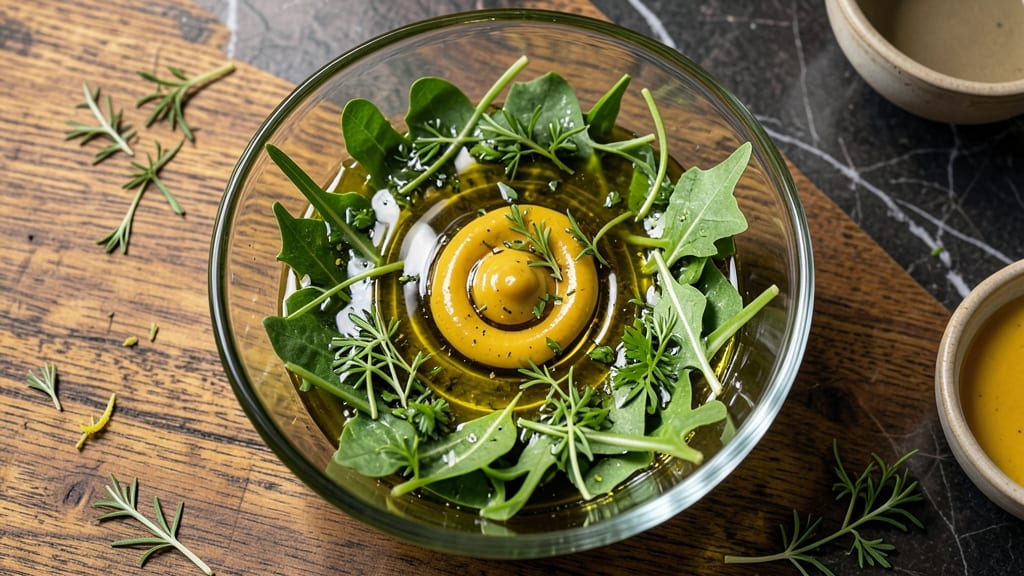
This Austrian salad dressing recipe delivers the classic tangy, herby velouté that elevates any salad from ordinary to extraordinary. ✨ The secret lies in a perfect balance of Dijon mustard, white wine vinegar, and fresh herbs like tarragon and chervil—flavors that define Austrian cuisine.
Unlike store-bought versions, this dressing stays vibrant and flavorful for days, making it ideal for meal prep or last-minute salads.
The foundation of this dressing is a simple emulsion of olive oil, Dijon mustard, and vinegar, which creates a silky texture without overpowering the delicate herbs. I developed this recipe after tasting authentic Austrian dishes, where such dressings often accompany fresh greens, roasted vegetables, or even grilled meats.
The mustard adds depth, while the herbs bring a bright, aromatic finish that pairs beautifully with crisp salads or hearty bread.
What sets this dressing apart is its versatility—it works equally well on a simple green salad, a hearty potato salad, or even as a marinade for chicken. The dressing keeps in the refrigerator for up to a week, allowing you to enjoy its rich, herby notes without any effort.
Once you taste the difference, store-bought versions won't compare.
For best results, whisk all ingredients together thoroughly and let the dressing rest for at least 30 minutes before serving. This allows the flavors to meld, creating a harmonious blend that’s both tangy and subtly sweet.
Whether you're hosting a dinner or simply looking to elevate your lunches, this dressing is a game-changer.
Ingredients for austrian salad dressing
Nine simple ingredients for that signature Austrian tangy-herb dressing balance.
| Ingredient | Amount | Notes |
|---|---|---|
| Extra-Virgin Olive Oil 🫒 | ¾ cup | Light, fruity variety preferred |
| Dijon Mustard 🌶️ | 2 tbsp | High-quality, smooth texture |
| White Wine Vinegar 💧 | ¼ cup | Dry, crisp variety |
| Fresh Tarragon 🌿 | ¼ cup | Finely chopped, stems removed |
| Fresh Chervil 🌿 | ¼ cup | Finely chopped, delicate leaves |
| Fresh Parsley 🌿 | ¼ cup | Flat-leaf, finely chopped |
| Shallot 🧅 | 1 whole | Finely minced, 1 tbsp equivalent |
| Granulated Sugar 🍚 | 1 tbsp | Lightly packed |
| Salt 🧂 | ½ tsp | Diamond Crystal preferred |
| Freshly Ground Black Pepper 🌶️ | ¼ tsp | Freshly cracked preferred |
The herbs are non-negotiable here—farmers markets have the freshest tarragon and chervil, but grocery store bunches work too if you grab them early in the week. Whole Foods or Trader Joe's carry pre-chopped chervil if you're short on time, but it's pricier. For shallots, grab a small bag from the produce section—they're sweeter than onions and add depth without overpowering. The Dijon mustard should be smooth, not grainy, and Maille is my go-to brand when I want that authentic French tang.
No tarragon? Fresh basil or dill at half the amount works in a pinch, though it'll change the flavor profile. Short on chervil? Extra parsley keeps it bright. Apple cider vinegar can replace white wine vinegar if that's what you've got—just add a pinch more sugar to balance. The sugar isn't just for sweetness; it helps emulsify the dressing so it doesn't separate. And trust me on the freshly ground pepper—pre-ground loses its punch fast. If you're making this ahead, whisk everything together and let it sit for 30 minutes before using—flavors meld beautifully.
This dressing keeps like a dream—1 week in the fridge sealed tightly. I always double the batch because it disappears fast. Store it in a glass jar (plastic absorbs flavors) and give it a quick shake before each use. The herbs will settle, so stir it up gently. Freezing isn't recommended—herbs get mushy—but it reheats perfectly if you accidentally make extra. Perfect for meal prep: toss it with greens the night before and they'll stay crisp.
Why You'll Love This Recipe
- No-Chop Necessary: I swear by this one—just muddle the tarragon and chervil with a pinch of salt, then stir. No knife skills required, and the herbs release their magic instantly into the oil. That’s my kind of cooking: minimal effort, maximum flavor without the fuss.
- Herb-Packed Punch: Honestly, the combo of tarragon and chervil is chef’s kiss—bright, anise-like, with that delicate grassy note that makes everything taste like a Parisian bistro. The Dijon mustard ties it all together with a little tang, so it’s never cloying, just ridiculously balanced.
- Weeknight to Fancy: This dressing is my secret weapon for everything from a quick charcuterie board to a last-minute salad for dinner guests. Drizzle it over roasted veggies, toss it with grain salads, or even use it as a marinade—it’s that versatile. (Yes, even on a Tuesday night.)
- Makes Extra, Costs Less: Between us, I always double the batch. The vinegar and oil are cheap, and the herbs last longer than you’d think if you store them right. Keep it in the fridge for up to a week, and you’ve got a flavor bomb ready for whatever you’re craving—no last-minute grocery runs needed.
Step-by-step instructions for Austrian salad dressing
Whisk together these simple ingredients for a velvety dressing that's perfect over mixed greens or hearty salads.
👨🍳 Step 1: Finely Chop All Herbs and Shallot
Gather all the fresh herbs and shallot. I like to use a sharp chef's knife and cut the 0.25 cup fresh tarragon, 0.25 cup fresh chervil, and 0.25 cup fresh parsley into tiny pieces—about 1/8-inch dice. The chervil is delicate, so handle it gently to avoid bruising. For the 1 whole shallot, mince it until you have about 1 tablespoon of finely chopped shallot—it should resemble sand when you're done.
Here's the thing—chopping the herbs uniformly ensures they distribute evenly in the dressing. If some pieces are larger, they'll create texture inconsistencies. I like to work in batches, chopping one herb at a time and setting it aside in a small bowl until everything's ready. This keeps your cutting board organized and prevents cross-contamination between the different herbs.
🍳 Step 2: Whisk Together Wet Ingredients
In a medium bowl, combine the 0.75 cup extra-virgin olive oil, 2 tablespoons Dijon mustard, and 0.25 cup white wine vinegar. Use a whisk to blend these ingredients together for about 30 seconds until they're completely emulsified and smooth. The mustard will help bind the oil and vinegar, creating a stable base for your dressing.
I know it seems weird to mix the oil and vinegar first, but trust me—this is where the magic happens. The mustard acts as an emulsifier, preventing the oil and vinegar from separating later. If you notice any streaks of oil still floating, don't worry—we'll fix that in the next step. The sugar and salt will help balance the flavors and improve the emulsification process.
🥘 Step 3: Incorporate Sugar, Salt, and Pepper
Add the 1 tablespoon granulated sugar, 0.5 teaspoon salt, and 0.25 teaspoon freshly ground black pepper to the bowl. Whisk everything together for another 20-30 seconds until the sugar and salt dissolve completely. The mixture should look like a pale, slightly thick liquid at this point.
This is the moment that matters: the sugar and salt aren't just for flavor—they help stabilize the dressing by drawing out moisture from the herbs and shallot. The pepper adds a subtle warmth that balances the acidity of the vinegar. Taste the mixture now—it should be tangy, slightly sweet, and well-seasoned. If it needs more salt or pepper, adjust now before adding the herbs.
👨🍳 Step 4: Fold in Herbs and Shallot
Add the chopped herbs and shallot to the bowl. Using a wooden spoon, gently fold everything together until the herbs are evenly distributed. You don't want to whisk vigorously here—just enough to combine. The herbs should be visible throughout the dressing, giving it that classic Austrian flavor profile.
I like to give the dressing a final taste at this stage. It should be bright, herby, and balanced—no single flavor should overpower the others. If it's too thick, you can thin it with a splash of water or more vinegar. If it's too thin, let it sit for 5 minutes to thicken naturally. The dressing will continue to meld in flavor as it sits, so don't worry if it doesn't taste perfect immediately.
⏰ Step 5: Let It Rest and Shake Before Serving
Cover the bowl with plastic wrap and let the dressing rest at room temperature for at least 30 minutes. This allows the flavors to fully develop and the dressing to reach its ideal consistency. If you're short on time, you can refrigerate it for 15 minutes—just give it a good shake before using.
Before serving, give the dressing a good shake or whisk. Austrian dressings have a tendency to separate slightly over time, so this ensures a smooth, velvety texture. The dressing should coat the back of a spoon and cling beautifully to your salad greens. This classic dressing pairs perfectly with mixed greens, roasted vegetables, or even grilled meats. Enjoy it immediately for the freshest flavor!
Pro Tips For Making Austrian Salad Dressing
- WHISK IN STAGES: Start with the mustard and vinegar first—mixing them dry for 30 seconds before adding oil prevents clumps. I learned this the hard way after scraping globs off my whisk.
- CHOP HERBS FINE: Tarragon and chervil lose their brightness if left in chunks. Give them a quick pulse in a food processor or a sharp knife chop—just small enough to distribute evenly without turning to mush.
- DILUTE GRADUALLY: Add olive oil in slow drizzles while whisking constantly. Pouring it all at once risks separating, and nobody wants to shake a jar of dressing like a snow globe.
- USE COLD MUSTARD: Take the Dijon straight from the fridge—it emulsifies better and keeps the dressing stable longer. Warm mustard turns the dressing into a greasy mess faster than you can say "salad disaster."
Common mistakes when making perfect results
Skipping the Rest
I see beginners rush to use the dressing immediately after mixing, but this is a classic mistake. The dressing needs at least 30 minutes to let the flavors meld and the emulsion stabilize.
If you skip this step, the herbs will taste harsh and the oil-vinegar balance will feel uneven. Trust me, the wait is worth it—the dressing becomes infinitely smoother and more cohesive. 💫
Using Fresh Herbs
Many people substitute dried herbs for fresh, but this changes the dressing completely. Fresh tarragon and chervil provide a bright, aromatic quality that dried versions can't replicate.
If you must use dried herbs, reduce the amount to 1 teaspoon per 0.25 cup fresh herbs and add them to the dressing just before serving. The flavor will be muted but still recognizable.
Over-Whisking the Dressing
While it might seem like more whisking equals better results, over-whisking incorporates too much air, which can cause the dressing to separate more quickly. After adding the herbs, simply fold them in gently with a wooden spoon—this keeps the texture velvety and prevents the oil from breaking.
The dressing should look slightly thick and glossy, not frothy. 🥄
Ignoring the Sugar
The 1 tablespoon sugar isn't just for sweetness—it plays a crucial role in stabilizing the emulsion and balancing the acidity of the vinegar. If you omit it, the dressing may separate more easily and taste overly sharp.
For a diabetic-friendly version, use 1 teaspoon erythritol instead, but taste as you go to adjust the balance.
Not Adjusting Seasoning
Always taste the dressing before adding the herbs. The base mixture should be tangy, slightly sweet, and well-seasoned with salt and pepper. If you skip this step, you might end up with a dressing that's either bland or overly seasoned after the herbs are added.
Adjust the salt and pepper to your preference before folding in the herbs for the best flavor balance.
Using Low-Quality Ingredients
Cheap olive oil, generic vinegar, or low-grade mustard can ruin the dressing's texture and flavor. Invest in extra-virgin olive oil (like Colavita or Bertolli), dry white wine vinegar (such as Bragg), and a high-quality Dijon mustard (like Maille).
These ingredients make all the difference in achieving that authentic Austrian taste. 🌟
Nutrition facts
Frequently asked questions
What's the secret to keeping this dressing from separating?
The Dijon mustard acts as a natural emulsifier, but the key is whisking the wet ingredients thoroughly first and letting it rest for 30 minutes before using. The sugar also helps stabilize the emulsion by balancing the vinegar's acidity. Always shake or whisk well before serving to recombine any separated layers.
Can I make this dressing without fresh herbs?
You can substitute with dried herbs, but the flavor will be less vibrant. Use 1 teaspoon dried tarragon and 1 teaspoon dried chervil (or a mix of basil and dill) for each 0.25 cup fresh herbs called for. Add them just before serving to preserve their potency. For best results, though, fresh herbs make all the difference!
How long does this dressing last in the fridge?
This Austrian dressing stays fresh for up to 7 days when stored in an airtight glass jar in the refrigerator. The herbs will settle, so give it a good shake before each use. For longer storage, you can freeze it for up to 3 months, though the texture may become slightly grainy upon thawing.
What's the best way to use up extra dressing?
This versatile dressing works on more than just salads! Drizzle it over roasted vegetables, grilled chicken, or even use it as a marinade for 15-30 minutes before cooking. It also makes a fantastic dip for crusty bread or crostini. The herby notes pair beautifully with rich proteins like duck or pork.
Why does my dressing taste too sharp?
Too much vinegar or not enough sugar can make the dressing taste overly sharp. Reduce the white wine vinegar by 1 tablespoon or add 1/2 teaspoon more sugar and whisk well. If you've already added the herbs, you can balance it by adding a splash of water or a pinch more sugar to mellow the acidity.