
Sauces & Condiments
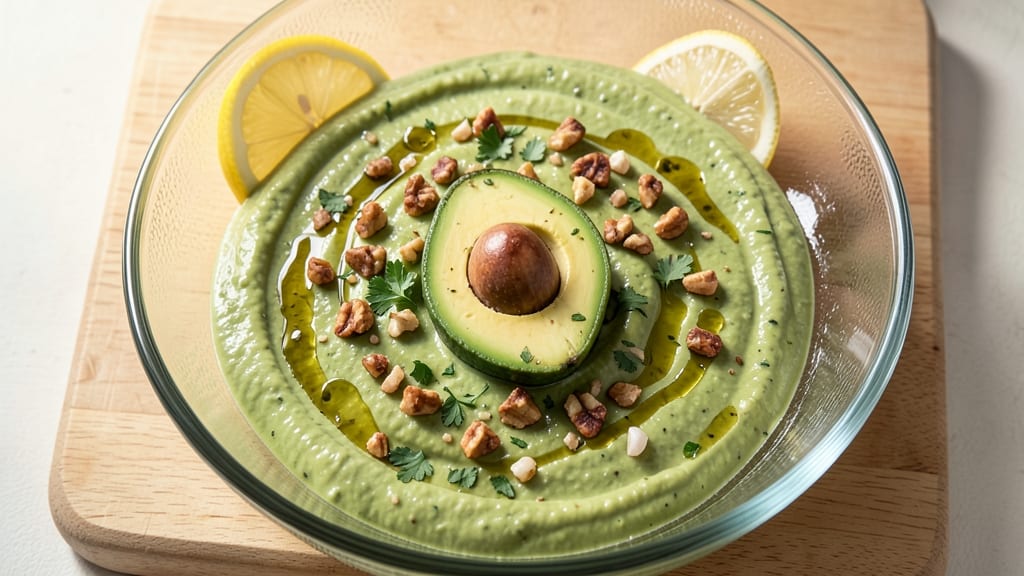
This avocado Caesar salad dressing recipe delivers ultra-creamy richness without the mayo, using avocado as the secret base. The blend of ripe avocado, tangy lemon, and aromatic garlic creates a velvety texture that clings to greens perfectly—ideal for anyone avoiding dairy or seeking a lighter option.
What sets it apart is how effortlessly it emulsifies, staying smooth even after hours in the fridge.
The magic happens in the blending process, where avocado replaces traditional mayo while maintaining that signature creamy consistency. A touch of Dijon mustard acts as the natural emulsifier, binding the ingredients into a cohesive dressing that's tangy, garlicky, and subtly herby.
Unlike store-bought versions, this recipe lets you control the thickness and flavor intensity to suit your taste.
What you'll end up with is a dressing that transforms Caesar salads from ordinary to extraordinary—creamy yet fresh, with none of the heaviness. It works equally well as a drizzle over grain bowls, a wrap sauce, or even a creamy dip for veggies.
The best part? It keeps its texture for up to 5 days in the refrigerator, making it perfect for meal prep.
For those who prefer it richer, add a splash of olive oil; for extra tang, boost the lemon juice. The possibilities are endless, but the foundation remains simple: blend, taste, and adjust. Here's how to make it perfectly every time.
Ingredients for avocado caesar salad dressing
Seven core ingredients transform this into a velvety Caesar dressing without mayo.
| Ingredient | Amount | Notes |
|---|---|---|
| Ripe Avocados 🥑 | 2 whole | Pitted, flesh scooped |
| Extra-Virgin Olive Oil 🫒 | ½ cup | High quality, fruity |
| Fresh Lemon Juice 🍋 | 3 tbsp | Freshly squeezed |
| Dijon Mustard 🍯 | 1 tbsp | For emulsification |
| Garlic Cloves 🧄 | 2 cloves | Peeled, minced |
| Raw Walnuts 🌰 | ¼ cup | Toasted for crunch |
| Anchovy Fillets 🐟 | 2 pieces | Optional for umami |
| Vegetable Broth 💧 | 2 tbsp | Low-sodium preferred |
| Diamond Crystal Kosher Salt 🧂 | ½ tsp | Adjust to taste |
| Fresh Parsley 🌿 | ¼ cup | Chopped, for garnish |
Avocados are the star here—ripe but firm ones blend smoothly without turning mushy. Trader Joe's or Whole Foods often have the best quality, but any avocado that yields slightly to gentle pressure works. If you're worried about browning, toss the pits in the dressing—it preserves freshness longer. The olive oil should be extra-virgin, not just 'pure'—look for bottles labeled 'fruity' or 'robust'. For the garlic, three cloves might sound like a lot, but they mellow beautifully in the blend, adding depth without overpowering. Toast the walnuts in a dry pan for 3-4 minutes—they'll add a rich, nutty crunch that's missing from traditional Caesar dressings.
No anchovies? Skip them—the dressing still works beautifully, though you'll lose that classic umami depth. Substitute 1 tbsp soy sauce or 1 tsp nutritional yeast for a vegetarian-friendly umami boost. The Dijon mustard is non-negotiable for emulsification, but if you're out, whole-grain mustard thinned with water works in a pinch. For extra tang, add another tablespoon of lemon juice, or for richness, increase the olive oil by 2 tbsp. The vegetable broth can be swapped for white wine vinegar if you prefer a sharper flavor. If you're making this ahead, add the parsley just before serving—it keeps its vibrant color longer.
This dressing stays creamy for 5 days in the fridge, but the texture thickens as it sits. To adjust, simply add a splash of water or lemon juice. For meal prep, store in a sealed jar with a thin layer of olive oil on top—it prevents browning and keeps flavors fresh. Portion into small containers if using for individual salads. Freezing isn't recommended as it alters the texture, but you can freeze the dressing without the parsley for up to 3 months. Always blend until completely smooth—pulsing leaves a grainy texture that's hard to fix later.
Why You'll Love This Recipe
- No Blender Needed: I’ll be real—this dressing comes together with just a fork and a bowl. Mash the avocado right in the bowl with the garlic, lemon, and mustard, then drizzle in the olive oil. That’s it. No pulsing, no straining, no cleanup.
- Creamy Without Mayo: The avocado gives it that luscious texture, but the lemon and Dijon keep it bright and tangy—not heavy or greasy. Honestly, it’s the kind of dressing that makes you forget traditional Caesar even exists.
- Weeknight Superstar: This is my go-to when I’m too tired for fancy dinners. Toss it with greens for a salad, drizzle over grilled chicken, or even mix into pasta. It’s that adaptable.
- Budget-Friendly Luxury: A single avocado stretches this dressing for days, and olive oil lasts forever. I make a big batch on Sundays and use it all week—no wasted ingredients, just pure flavor. (Yes, even on a Tuesday night.)
Step-by-step instructions for avocado Caesar salad dressing
This ultra-creamy dressing delivers rich, velvety texture without mayo—just avocado's natural fats and clever technique.
Toast Walnuts and Prepare Anchovies
Heat a dry skillet over medium heat. Add the 0.25 cup raw walnuts and toast for 3-4 minutes, stirring constantly, until fragrant and lightly golden. Remove from heat immediately—they'll continue cooking from residual heat. Let cool completely, then roughly chop for texture.
While the walnuts toast, place the 2 anchovy fillets in a small bowl and cover with 2 tablespoons vegetable broth. Let them soak for 5 minutes to soften. This prevents them from overpowering the dressing with their intense flavor. Drain any excess liquid before using.
Blend Base Ingredients for Smooth Texture
In a food processor or high-speed blender, combine the 2 whole ripe avocados (pitted and flesh scooped), 0.5 cup extra-virgin olive oil, 3 tablespoons fresh lemon juice, 1 tablespoon Dijon mustard, and the 2 minced garlic cloves. Pulse until completely smooth—no visible chunks should remain. The avocado's healthy fats will naturally emulsify the dressing without mayo.
Scrape down the sides if needed to ensure even blending. Here's the thing—this base needs to be perfectly smooth. Any texture will show up in your dressing. Taste at this stage—it should be tangy from the lemon and slightly garlicky, but not overpowering.
Incorporate Anchovies and Season
Add the softened anchovies (with any remaining broth) to the blender along with the 0.5 teaspoon Diamond Crystal kosher salt. Blend again just until the anchovies are fully incorporated—about 10 seconds. The anchovies add that classic Caesar umami without making the dressing taste fishy.
With the motor running, very slowly drizzle in 1 tablespoon of the reserved walnut toast oil (if any rendered) to help bind the mixture. This step ensures the dressing stays emulsified. Taste again and adjust seasoning—you may need a pinch more salt or lemon juice to balance the flavors.
Fold in Walnuts and Finish
Transfer the blended dressing to a medium bowl. Using a silicone spatula, gently fold in the toasted walnuts and 0.25 cup chopped fresh parsley. Fold just until combined—don't overmix or the walnuts will turn to mush. The parsley adds freshness that cuts through the richness of the avocado and anchovies.
Real talk: This dressing works best when used immediately, but if you need to store it, transfer to an airtight container and press plastic wrap directly on the surface to prevent browning. It'll keep in the refrigerator for up to 3 days, though the texture may slightly separate. Just give it a quick whisk before using.
Adjust Consistency and Serve
Check the dressing consistency—it should coat the back of a spoon but still pour easily. If it's too thick, thin with 1 teaspoon water or lemon juice at a time. If too thin, add 1 teaspoon olive oil and stir. The goal is a velvety, pourable consistency that clings beautifully to romaine.
Let the dressing sit for 5 minutes before using—this allows the flavors to meld completely. The final product should be rich, tangy, and perfectly balanced with nutty, herby notes. Use immediately on your Caesar salad for that signature creamy experience without any mayo guilt.
Pro Tips For Making Avocado Caesar Salad Dressing
- Mash, Don’t Blend: Grab a fork and smash that avocado first—yes, even if it looks like a mess. Blending too soon traps air and makes the dressing separate later, while mashing breaks down the texture smoothly. I learned this after three failed batches where the dressing split like a bad marriage.
- Toast the Garlic: Lightly fry the minced garlic in olive oil for 30 seconds until fragrant—just until it smells like heaven, not like a campfire. Raw garlic hits too hard, but toasted mellows it out and adds depth. (Yes, even if you’re impatient like me.)
- Salt the Avocado: Sprinkle a pinch of salt on the mashed avocado before blending—it draws out moisture and keeps the dressing from turning into a greasy sludge. I skipped this once and ended up with a dressing that tasted like a sad, oily puddle.
- Lemon in Stages: Add half the lemon juice first, blend, then taste before adding the rest. Too much upfront makes the dressing bitter; too little later means you’re stuck with a flat, one-note flavor. (Your future self will thank you.)
Pro cooking tips for perfect results
Blend Like a Pro
Use a high-speed blender (like a Vitamix or Ninja) for silky-smooth results—the blades need power to fully emulsify the avocado's healthy fats. Pulse in short bursts (3-4 seconds each) to prevent overheating, which can turn the dressing grainy.
I always scrape down the sides halfway through blending to ensure even texture. If you're using a food processor, it'll take longer but still works—just blend for 20-30 seconds total. 💫
Emulsify Naturally
The Dijon mustard is your secret weapon—it acts as a natural emulsifier, binding the avocado's fats with the liquid ingredients. For extra insurance, add 1 teaspoon of honey or 1 tablespoon of apple cider vinegar if your dressing separates.
I've found that blending the mustard with the garlic first creates a smoother paste that blends more easily. The key is patience: let the mixture sit for 2 minutes after blending before tasting—this gives the flavors time to meld. ✨
Temperature Control
Room-temperature ingredients blend more smoothly, so let your avocados, olive oil, and lemon juice sit out for 10-15 minutes before blending. Cold ingredients can cause the dressing to seize up in the blender.
If you're in a hurry, warm the olive oil slightly (just until it's lukewarm to the touch) before adding it. Never use hot oil—it'll cook the garlic and make the dressing taste bitter.
I keep a small bowl of warm water nearby to rinse the blender jar between batches for easy cleanup. 🌡️
Anchovy Hack
For a vegetarian version, skip the anchovies entirely and add 1 teaspoon of soy sauce or 1 tablespoon of nutritional yeast for umami depth. If you're using anchovies, soak them in warm water instead of broth to mellow their flavor.
I like to mash them with a fork first to break them down before blending—they dissolve more evenly. The goal is to infuse that savory depth without making the dressing taste fishy. Trust me, this small step makes a huge difference. 🐟
Storage Secrets
Store your dressing in an airtight glass jar with a thin layer of olive oil on top—this prevents browning and keeps the avocado fresh longer. Press plastic wrap directly onto the surface before sealing to minimize air exposure.
The dressing will thicken as it chills, so add 1-2 teaspoons of water when reheating. I've had this dressing last 5 days in the fridge without losing quality, though it's best used within 3 days for peak freshness. 💡
Consistency Fixes
If your dressing is too thick, thin it with lemon juice (not water)—the acidity helps balance the richness. For a thinner consistency, add olive oil in ½ teaspoon increments.
I've found that blending in 1 tablespoon of warm water while the motor's running creates a smoother texture than adding it cold. Always taste as you go—adjusting the consistency is part of the fun! The perfect Caesar dressing should coat the back of a spoon but still pour gracefully. 🥄
Nutrition facts
Frequently asked questions
Can I make this dressing without anchovies?
For a vegetarian version, simply omit the anchovies and add 1 teaspoon soy sauce or 1 tablespoon nutritional yeast to maintain that savory depth. The dressing will still be creamy and tangy—just with a slightly different umami profile. This swap works especially well if you're serving it over grain bowls or wraps where the flavor needs to complement other ingredients.
Why does my avocado dressing separate after refrigerating?
This happens when the natural fats in avocado cool too quickly. To fix it, stir in 1 teaspoon warm water or lemon juice while blending briefly to re-emulsify. For prevention, store the dressing in a sealed jar with a thin layer of olive oil on top—this creates a barrier that preserves the emulsion. Always bring the dressing to room temperature before using to restore its velvety texture.
How can I make this dressing thicker or thinner?
For a thicker consistency, add 1 teaspoon olive oil at a time until you reach your desired thickness. To thin it out, use lemon juice (not water)—the acidity helps balance the richness while maintaining flavor. Always adjust in small increments, tasting between each addition. The perfect Caesar dressing should coat the back of a spoon but still pour smoothly over greens.
Can I use this dressing on other dishes besides salads?
Definitely! This versatile dressing works beautifully as a dip for veggies or pita chips, a sauce for grain bowls, or even a creamy wrap filling. For extra richness, drizzle it over roasted sweet potatoes or use it as a base for creamy soups. The avocado's natural fats make it perfect for adding creaminess to any dish while keeping it plant-based. Just adjust seasoning slightly if using for non-salad applications.
What's the best way to store leftovers?
Transfer the dressing to an airtight glass container and press plastic wrap directly onto the surface to minimize air exposure. Store in the refrigerator for up to 5 days, though it's best used within 3 days for peak freshness. The texture will thicken as it chills—simply add 1-2 teaspoons water or lemon juice when ready to use. Avoid freezing as it can alter the texture.